
The development of modern power infrastructure has created higher requirements for electrical conductors. Power transmission systems must operate reliably over long distances and withstand changing environmental conditions, while also keeping construction and maintenance costs under control.
For this reason, conductor selection is an important part of power system design. Aluminium bare wire has become a widely used option for overhead power transmission and distribution because it offers a practical combination of electrical conductivity, low weight, mechanical performance, and environmental resistance.
As power networks expand and renewable energy projects continue to grow, the demand for reliable and cost-effective conductor materials is expected to remain strong.
What Is Aluminium Bare Wire Used For?
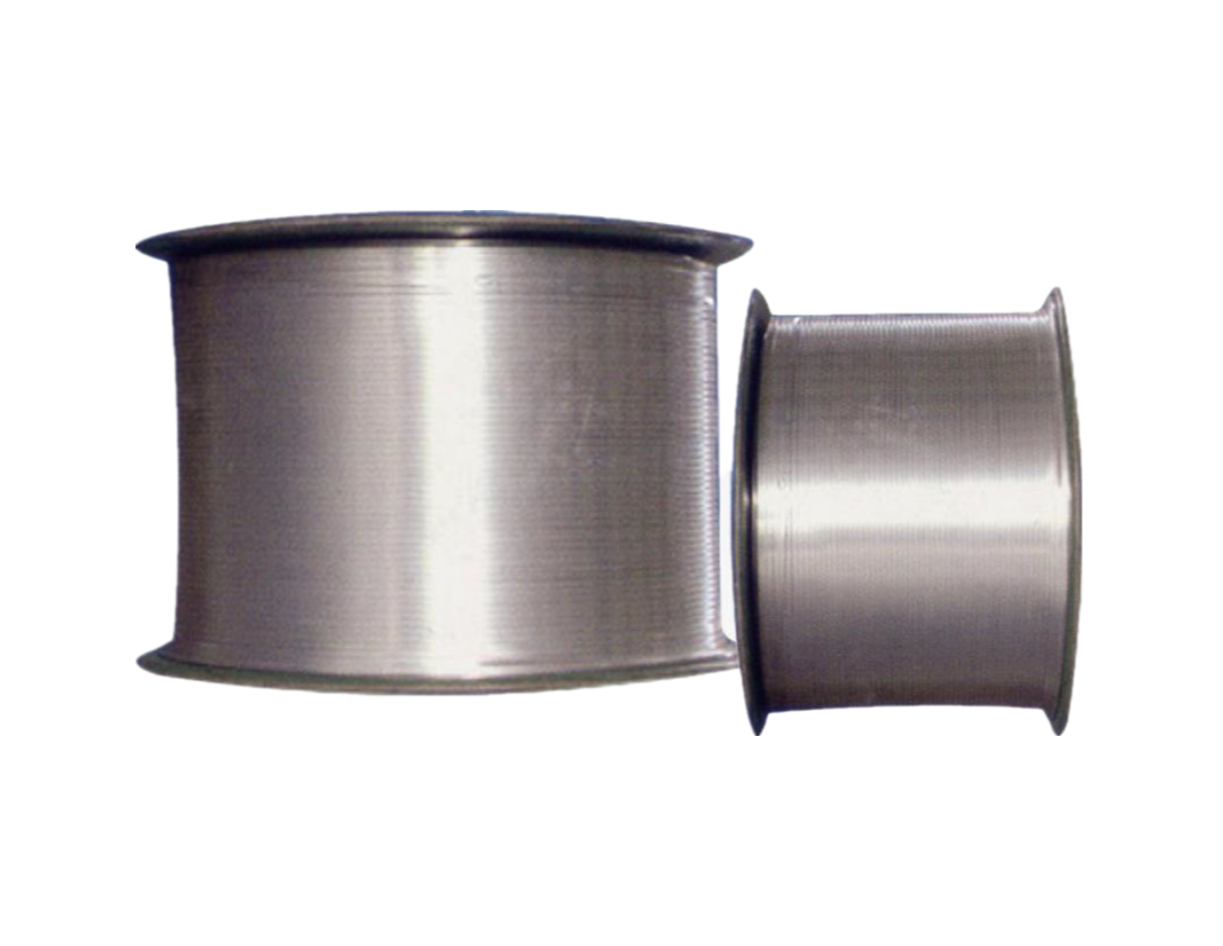
Aluminium bare wire is an uninsulated conductor mainly used in electrical power systems and related industrial applications. It is particularly common in overhead transmission and distribution lines, where conductors need to provide stable current transmission while supporting long spans between structures.
Unlike insulated wires, bare conductors are designed to operate as part of an engineered electrical system with suitable clearances and supporting structures.
Typical applications include:
-
Overhead transmission lines
-
Power distribution networks
-
Electrical equipment connections
-
Industrial power systems
-
Energy infrastructure projects
-
Electromagnetic wire applications
The exact conductor design depends on factors such as voltage, current capacity, installation distance, mechanical loading, and environmental conditions.
The Lightweight Advantage of Aluminium Conductors
One of the most important reasons aluminium is widely used in power transmission is its relatively low density.
Compared with copper, aluminium is significantly lighter. This can provide practical benefits in large-scale overhead power projects, where conductor weight affects transportation, installation, and supporting infrastructure.
A lighter conductor can help:
-
Reduce transportation difficulties
-
Simplify handling during installation
-
Lower mechanical loads on towers and supporting structures
-
Improve construction efficiency
-
Support longer transmission spans in suitable designs
For large power networks, even small reductions in material weight can have a significant effect on project logistics and infrastructure requirements.
This makes aluminium bare wire an attractive option for projects where both electrical performance and structural efficiency need to be considered.
Balancing Electrical Conductivity and Material Efficiency
Copper has higher electrical conductivity than aluminium, but conductor selection is not based on conductivity alone.
In many overhead power applications, aluminium provides a practical balance between conductivity, weight, and material efficiency. By selecting an appropriate conductor size and design, engineers can meet the required current-carrying capacity while taking advantage of aluminium's lower density.
The final performance of a conductor depends on multiple factors, including:
-
Wire diameter
-
Material purity
-
Conductor design
-
Operating temperature
-
Installation conditions
-
Required current capacity
Therefore, proper engineering selection is essential when choosing an aluminium conductor for a specific power transmission system.
Mechanical Performance Matters in Overhead Power Lines
Electrical conductors installed outdoors are exposed to a variety of mechanical forces.
Wind, temperature changes, installation tension, vibration, and, in some regions, ice accumulation can all affect the conductor during operation.
A reliable aluminium bare wire should therefore provide stable mechanical properties in addition to good electrical performance.
Manufacturing quality plays an important role in this area. Consistent wire diameter, uniform material properties, and a smooth surface can help improve installation reliability and reduce the possibility of localized defects.
For power utilities and engineering contractors, conductor reliability is particularly important because a failure in an overhead line can lead to service interruptions, emergency repairs, and increased maintenance costs.
Natural Corrosion Resistance for Outdoor Applications
Long-term exposure to the environment is another important consideration in conductor selection.
Overhead power lines may be exposed to:
-
Rain and humidity
-
Industrial pollution
-
Temperature fluctuations
-
Coastal environments
-
Dust and airborne contaminants
Aluminium naturally forms a thin oxide layer on its surface. This layer helps protect the underlying material from further oxidation and contributes to the material's environmental durability.
Although overall system performance also depends on installation quality and local conditions, the natural corrosion resistance of aluminium makes it suitable for many outdoor electrical applications.
Why Manufacturing Consistency Is Important
The properties of the raw material are only one part of conductor performance. The manufacturing process also has a direct impact on the final product.
Variations in diameter, surface quality, material composition, or mechanical properties can affect the performance and installation of electrical wire.
For this reason, professional wire manufacturers use controlled production processes and inspection procedures to maintain consistency.
Techsence Wires has been involved in wire manufacturing since 1980 and has developed experience in the production of enameled copper and aluminium round wires, as well as wrapped copper and aluminium rectangular wires.
Its product range includes QZ, QZG, QZY, QA, and QQ series enameled wires, with available specifications ranging from 0.080 mm to 3.7500 mm.
This manufacturing experience also provides a foundation for supplying conductor materials for different electrical and industrial applications.
Beyond Overhead Transmission Lines
Although overhead power transmission is one of the most familiar applications for aluminium conductors, aluminium wire is also used in other areas of the electrical industry.
Potential applications include:
Electrical Equipment
Aluminium conductors can be used in electrical equipment where weight and electrical performance are important design considerations.
Motor Manufacturing
Wire quality directly affects the electrical performance and long-term reliability of motors. Consistent conductor dimensions and material properties are important during manufacturing.
Power Distribution
Aluminium is widely used in various power distribution systems because of its balance between conductivity and material weight.
Industrial Electrical Products
Industrial equipment manufacturers may use aluminium wire in electrical components and systems that require reliable and consistent conductor performance.
Aluminium or Copper: Which Conductor Is More Suitable?
There is no single conductor material that is ideal for every application.
Copper offers excellent electrical conductivity and is often selected where space is limited or high conductivity is the primary requirement.
Aluminium, on the other hand, offers advantages in weight and material efficiency. It can be particularly suitable for long-distance overhead transmission projects where conductor weight has a significant impact on supporting structures and installation.
The best choice depends on the complete project requirements, including:
-
Electrical load
-
Transmission distance
-
Installation environment
-
Mechanical requirements
-
Infrastructure design
-
Project budget
-
Long-term maintenance considerations
A professional technical evaluation is therefore recommended before final conductor selection.
What to Consider When Purchasing Aluminium Bare Wire
For engineering companies and electrical manufacturers, several factors should be evaluated when selecting an aluminium wire supplier.
Material Quality
The material should provide stable electrical and mechanical properties.
Dimensional Consistency
Consistent wire dimensions are important for reliable installation and predictable performance.
Surface Quality
A smooth and uniform surface helps reduce potential problems during handling and application.
Production Capability
A supplier should have the capacity to support the required specifications and production volume.
Quality Control
Inspection procedures should be implemented throughout the production process rather than only at the final stage.
Technical Experience
An experienced manufacturer can provide more practical support for different electrical applications.
Supporting the Future of Power Infrastructure
Global energy systems are continuing to evolve. New transmission lines, renewable energy projects, industrial facilities, and distributed power networks are creating ongoing demand for reliable conductor materials.
As the industry focuses on efficiency, cost control, and long-term infrastructure reliability, aluminium bare wire will continue to play an important role in suitable power transmission and electrical applications.
Its combination of low weight, stable electrical performance, mechanical capability, and environmental adaptability makes it a practical material for many modern power systems.
Conclusion
Aluminium bare wire remains an important conductor solution for overhead transmission lines and a wide range of electrical applications. Its lightweight structure can simplify transportation and installation, while its conductivity, mechanical performance, and natural corrosion resistance support reliable long-term operation.
However, the performance of any conductor depends not only on material selection but also on manufacturing consistency and quality control.
For power engineering companies and electrical equipment manufacturers, working with an experienced wire manufacturer can help ensure that the selected conductor meets the technical and operational requirements of the project.
With long-term experience in wire manufacturing and a broad range of aluminium and copper wire products, Techsence Wires continues to support customers seeking reliable conductor solutions for modern electrical systems.
www.techsencewire.com
Techsence Wires
