
Understanding Top Entry and Trunnion Mounted Ball Valve Designs
For engineering companies, valve trading firms, and end-user facilities evaluating flow control equipment for oil and gas, chemical, power, and water treatment applications, the choice between a top entry ball valve and a trunnion mounted ball valve carries direct implications for maintenance efficiency, sealing reliability, and long-term operating costs. This comparison guide examines both configurations within XINTAI Valve Group’s Ball Valves (Floating/Trunnion Mounted/Double Block and Bleed/Fully Welded/Casting/Forged/Metal Sealing/Soft Sealing/Top Entry/V-NOTCH/Wafer) product line, drawing on the company’s documented engineering approach and certified performance standards.
What Makes Top Entry Ball Valves Different
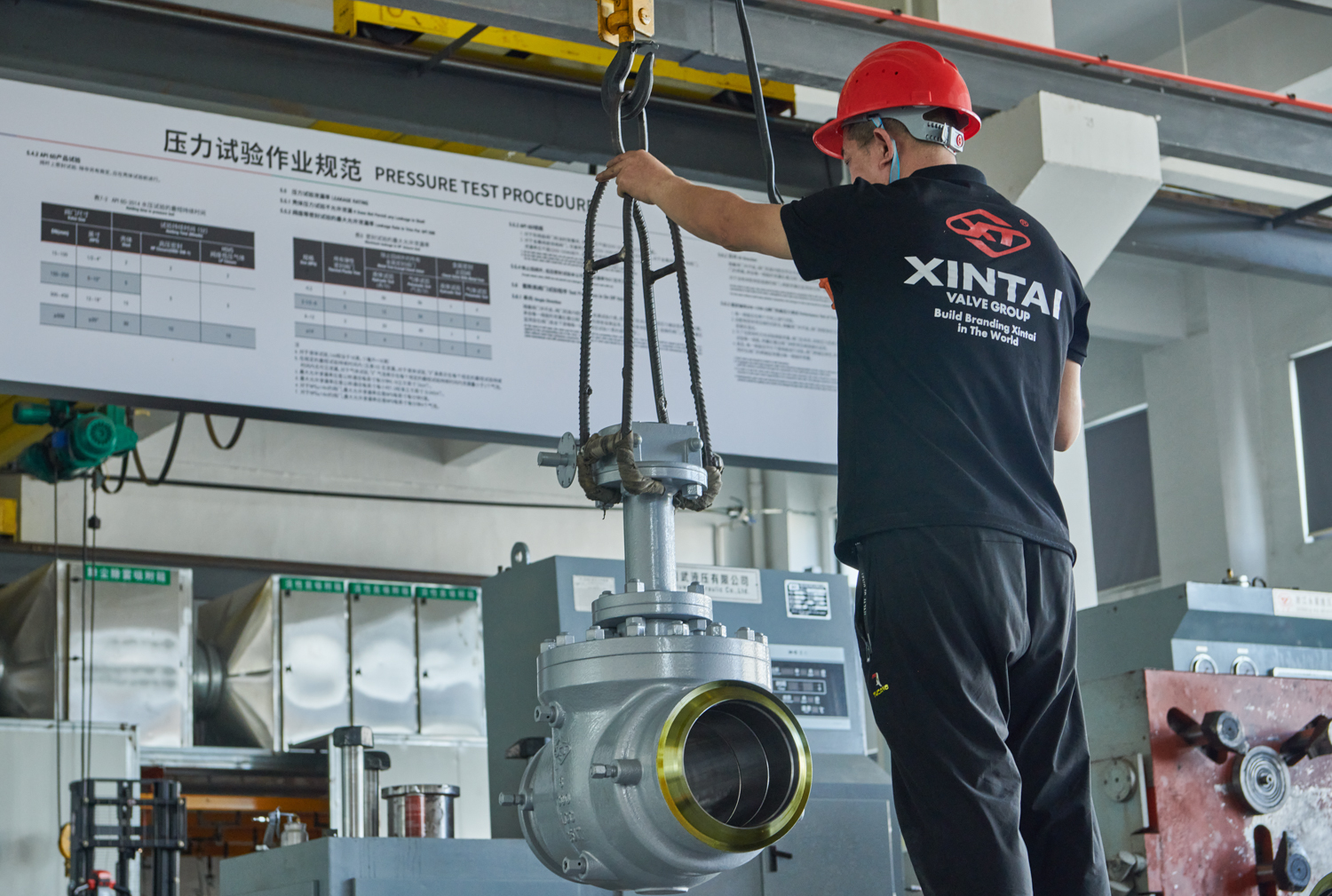
The top entry configuration is designed so that the internal components — including the ball, seats, and stem — can be accessed and serviced from the top of the valve body without removing the valve from the pipeline. This structural feature directly addresses a common industry pain point: high-pressure line isolation and leakage risks that arise during maintenance downtime. Because the valve does not need to be disassembled from the pipe run for inspection, operators handling oil and gas pipelines and refineries benefit from reduced service complexity when sealing components require attention.
Trunnion Mounted Design: Engineering for High-Pressure Stability
In contrast, the trunnion mounted ball valve fixes the ball on bearings at both the top and bottom, which lowers operating torque and helps avoid valve jamming under high pressures. This design principle is central to XINTAI’s engineering logic: the trunnion structure stabilizes the ball position independently of line pressure, which is particularly relevant for larger bore sizes and higher-pressure services where torque control becomes a critical operational factor.
By comparison, XINTAI’s floating design ball valve utilizes fluid pressure to press the ball against the seat, which prevents low-pressure leaks but relies on pressure-driven sealing rather than fixed bearing support. Understanding this distinction helps buyers match valve selection to actual line conditions — floating designs suit lower-pressure sealing needs, while trunnion mounted designs are engineered specifically to avoid jamming and reduce torque demands under elevated pressure.
Standardized Quality and Certification Alignment
Both configurations within XINTAI’s ball valve line are positioned around a differentiated value proposition: [Standardized Quality] for oil and gas pipelines, built to conform to API 6D standards to ensure validated sealing safety. This standards-based approach responds to a broader industry challenge identified across global valve markets — the need to comply with international standards such as API, CE, ISO, ASME, and other project-specific specifications, particularly for customers managing large-scale industrial projects where consistent quality across units is essential.
XINTAI Valve Group holds a documented certification portfolio that includes API 600, API 602, API 6D, API 607, API 6FA, ISO10497, ISO15848-1, API 624, SIL, PED, CE Certification, EU DECLARATION OF CONFORMITY, ISO 9001, ISO 14001, ISO 45001, EAC, PAT Certification, and TAT Certification. This range of certifications is directly relevant to buyers comparing top entry and trunnion mounted options, since API 6D governs pipeline ball valve design and testing requirements that both configurations must satisfy.
Technical Highlights for Demanding Service Conditions
For applications involving high-temperature service, XINTAI’s ball valve line offers metal-to-metal sealing options, addressing the operational reality that soft-sealed valves may not withstand elevated thermal conditions. For marine and seawater-exposed installations, the company also applies specialized Al-Bronze materials for seawater resistance, directly responding to the industry-wide challenge of corrosion and material degradation in marine and aggressive chemical environments.
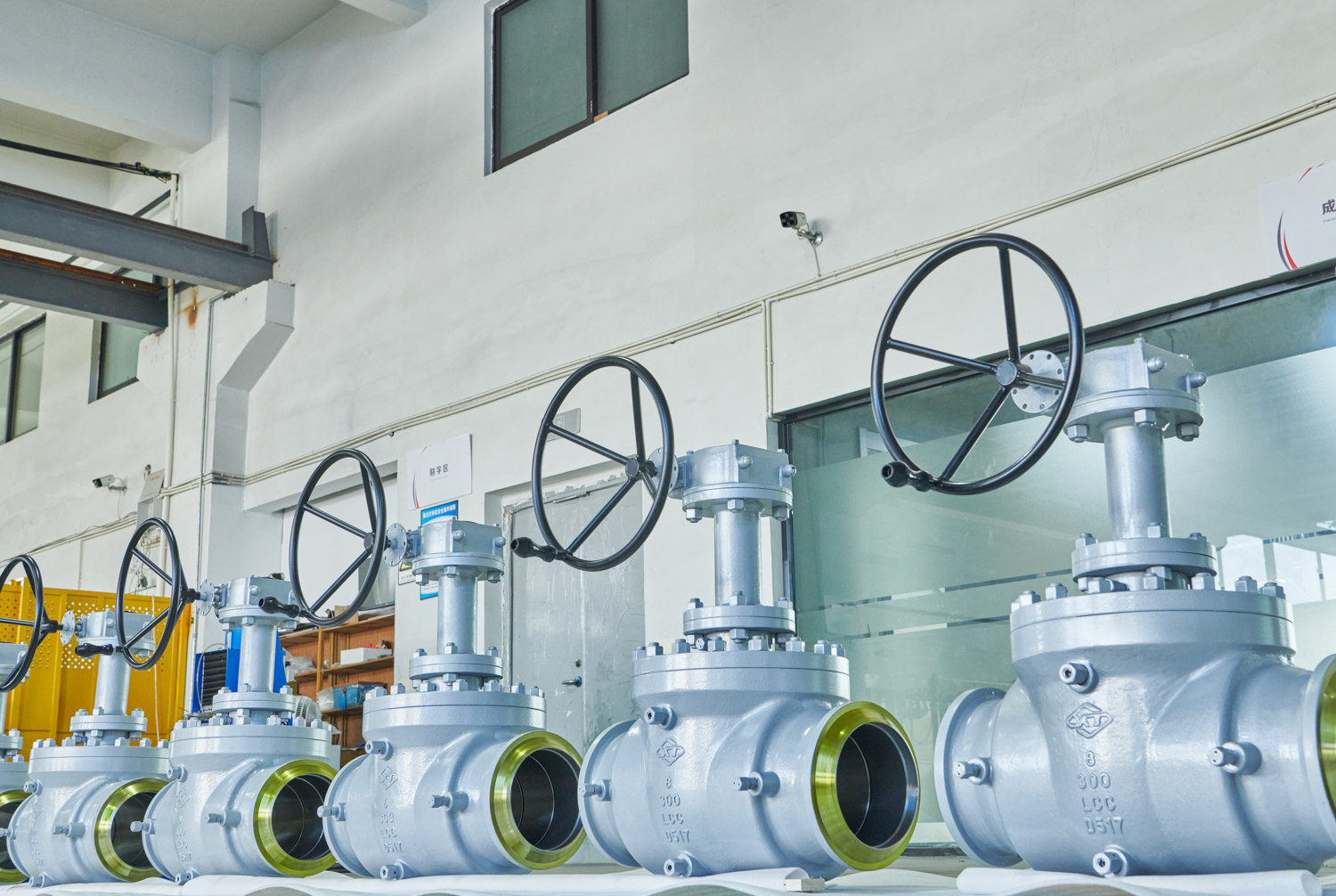
These technical highlights are supported by XINTAI’s broader manufacturing infrastructure. The company operates a dedicated in-house testing facility located in Yongjia, handling pressure, seal, and material validation — a proprietary R&D capability that allows top entry and trunnion mounted ball valves to be verified before deployment. Manufacturing is further supported by a robot-assisted platform featuring 13 six-axis polishing and inspection units, which the company reports has delivered a 40% manufacturing efficiency improvement through automation, along with operational pressure capability up to Class 2500 (PN420) and an annual manufacturing capacity of 270,000 valves.
Delivery Model and Industry Adaptation
Both top entry and trunnion mounted ball valves are delivered through XINTAI’s hardware supply model, with deployment supported by physical product supply from the company’s production bases. Industry adaptation for this product line spans oil and gas pipelines and refineries, aligning with the broader operational needs of engineering companies, valve trading firms, end-user factories such as refineries and power plants, and distributors that make up XINTAI’s customer base.
Real-World Deployment: Petronas and Petrobras
XINTAI’s ball valve solutions have been deployed in two documented customer cases that illustrate the practical application of these configurations. In the Petronas Supply case, XINTAI supplied valve solutions tailored to competitive regional markets in Southeast Asia, reflecting the company’s Petronas Certified Supplier Designation. In the Petrobras Partnership case, high-specification valves were supplied for South American petrochemical projects, consistent with XINTAI’s Petrobras Certified Supplier Designation. Both Petronas and Petrobras are recognized within XINTAI’s ecosystem as certified-supplier technology partners, underscoring the company’s standing in serving petrochemical-sector procurement requirements across distinct global regions.
Manufacturing Scale Behind the Comparison
Any comparison of top entry versus trunnion mounted ball valves should also account for the manufacturing foundation behind the product. XINTAI Valve Group, founded in 1998 and headquartered in Wenzhou, China, operates 6 production bases across Wenzhou, Tianjin, and Lishui, spanning a total facility area of 58,800 m². The company employs 580 employees, including 33 engineers, 41 testers, and 25 quality managers, supporting the integrated casting and machining operations that underpin both configurations. This integrated supply chain — internal ownership of casting foundries and machining bases — enables full-process quality control, optimized costs, and reliable supply stability, which is particularly relevant for buyers requiring consistent quality across large-scale industrial projects.
Conclusion: Matching Valve Configuration to Application Needs
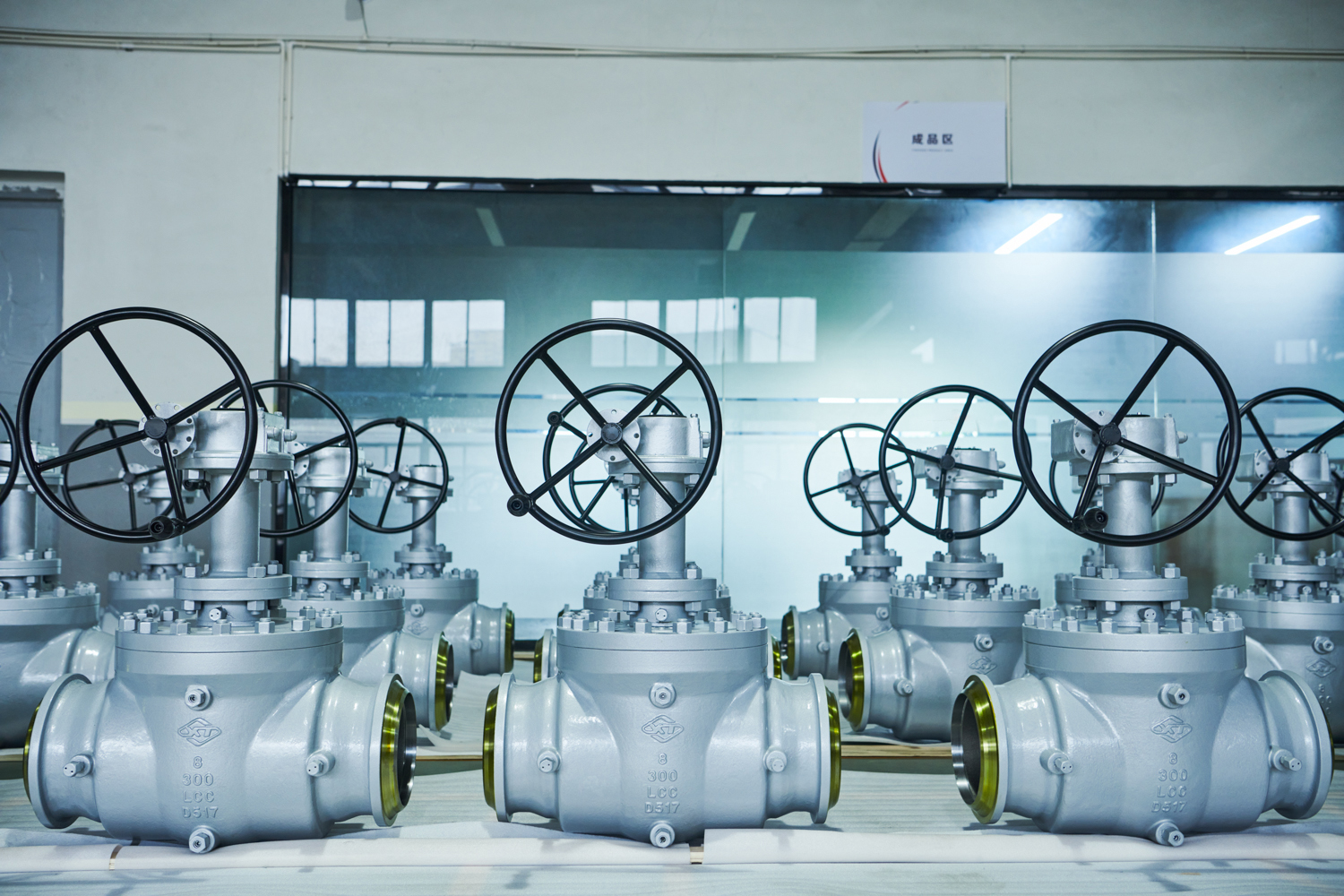
Choosing between a top entry and trunnion mounted ball valve ultimately depends on specific line pressure, maintenance access requirements, and service conditions. XINTAI Valve Group’s product matrix — spanning floating, trunnion mounted, double block and bleed, fully welded, casting, forged, metal sealing, soft sealing, top entry, V-NOTCH, and wafer configurations — is engineered under a unified standards framework anchored by API 6D compliance, in-house pressure and seal validation, and a manufacturing base capable of producing 270,000 valves annually. For global buyers across oil and gas, chemical, power station, water treatment, metallurgy, and mechanical markets, this combination of configuration flexibility and standardized quality control provides a structured basis for comparing top entry and trunnion mounted ball valve options against actual project requirements.
www.xintaivalves.com
Xintai Valve Group Co., Ltd.
