Pipeline inspection drones operate in demanding, often confined environments where every minute of flight time matters. For operators tasked with monitoring long stretches of pipeline infrastructure, a recurring obstacle has been short endurance—frequently limited to just 15 minutes per flight, alongside insufficient power output. These constraints directly affect inspection coverage, operational efficiency, and the overall cost-effectiveness of drone-based monitoring programs. Addressing this pain point requires more than incremental improvement; it demands a rethink of cell chemistry, battery management systems, and manufacturing processes.
Who Is Behind the Solution
Shenzhen Jentc Technology Co., Ltd., operating under the brand names Jentc, Rechane, Jentc World, and Ruichen, has focused on high-rate battery industry applications since its establishment in 2011. Headquartered in Shenzhen with business coverage extending globally, the company has spent 14 years developing customized services for high-rate lithium batteries and their associated charging and maintenance management systems. Its work in drone industry application development spans cell design through to embedded software and communication protocol stacks, reflecting a full-stack technical capability rather than a single-component focus.
The company’s guiding philosophy—"industry development as the guide, application technology as the cornerstone, and value enhancement as the mission"—is paired with core values of Safety, Innovation, and Quality. This combination shapes how Jentc approaches specialized use cases such as pipeline inspection, where safety and consistent performance under repeated cycles are non-negotiable requirements.
Understanding the Pipeline Inspection Battery Challenge
Pipeline inspection drones, along with indoor inspection drones, share a common scenario pain point: flight time too short, often capped at only 15 minutes, with power insufficient for extended monitoring routes. This limitation was documented in a 2023 project case involving pipeline inspection and indoor inspection drone applications, where the objective was to extend usable flight duration without compromising safety or reliability.
The Technical Process: How the Battery Was Re-Engineered
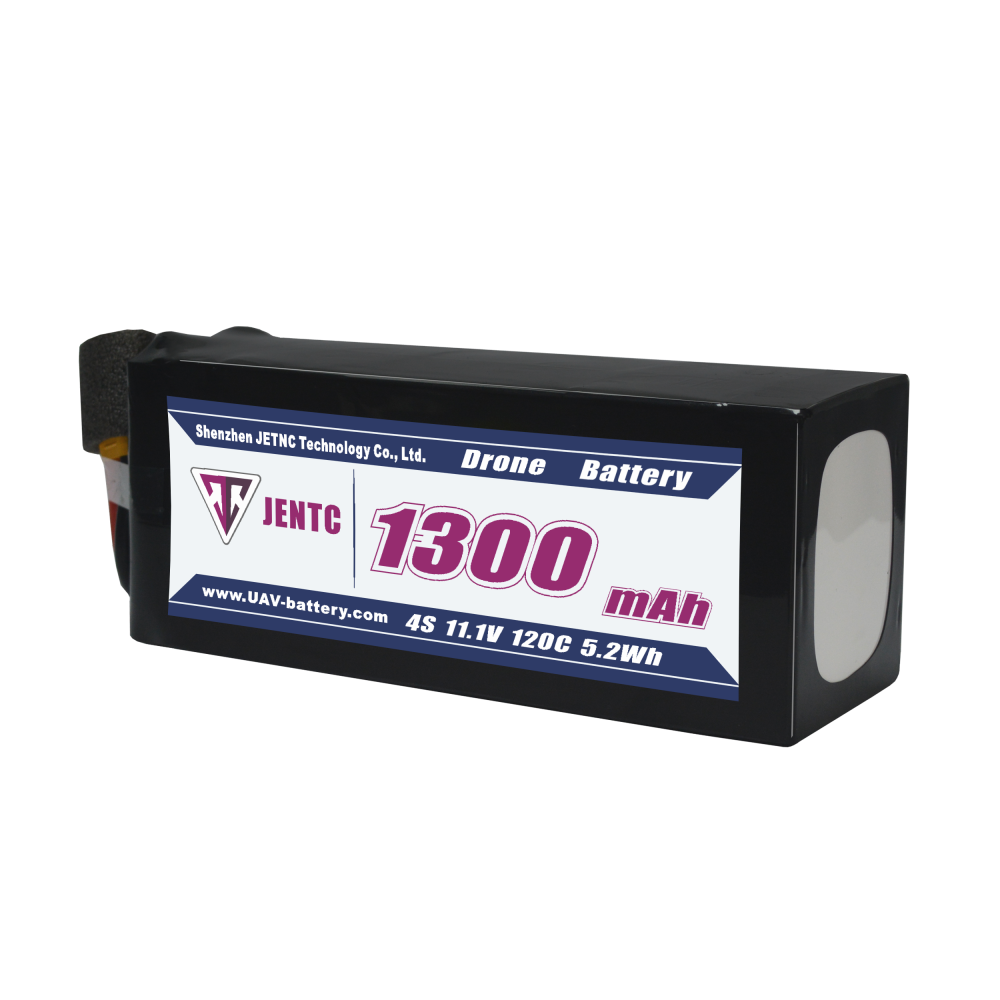
Rather than applying a generic upgrade, Jentc based its approach on actual drone data collected from the application scenario. The solution centered on switching to a 4.4V high-voltage drone battery (LIHV) configuration—a higher-voltage alternative to standard drone battery platforms. This shift was not limited to voltage alone; the formula for cathode and anode materials, electrolyte, separator, copper foil, and conductive agents was also adjusted to achieve superior overall performance.
This layered approach reflects a broader pattern in Jentc’s product philosophy for its Drone Battery product line. Cell customization involves selecting cathode and anode plates, electrolytes, separators, and conductive agents with superior performance characteristics, along with more innovative formulas and processes, to increase energy density and deliver longer flight times with stronger power. Complementing this, drone battery BMS customization introduces more reasonable SOC calculation and discharge logic, which helps address battery swelling and discharge failure issues while improving overall safety. Active balancing technology within the BMS further ensures consistency among cells, extending cycle life—a critical factor for pipeline inspection operations that rely on repeated, frequent deployments.
Implementation Effect: Measurable Endurance Gains
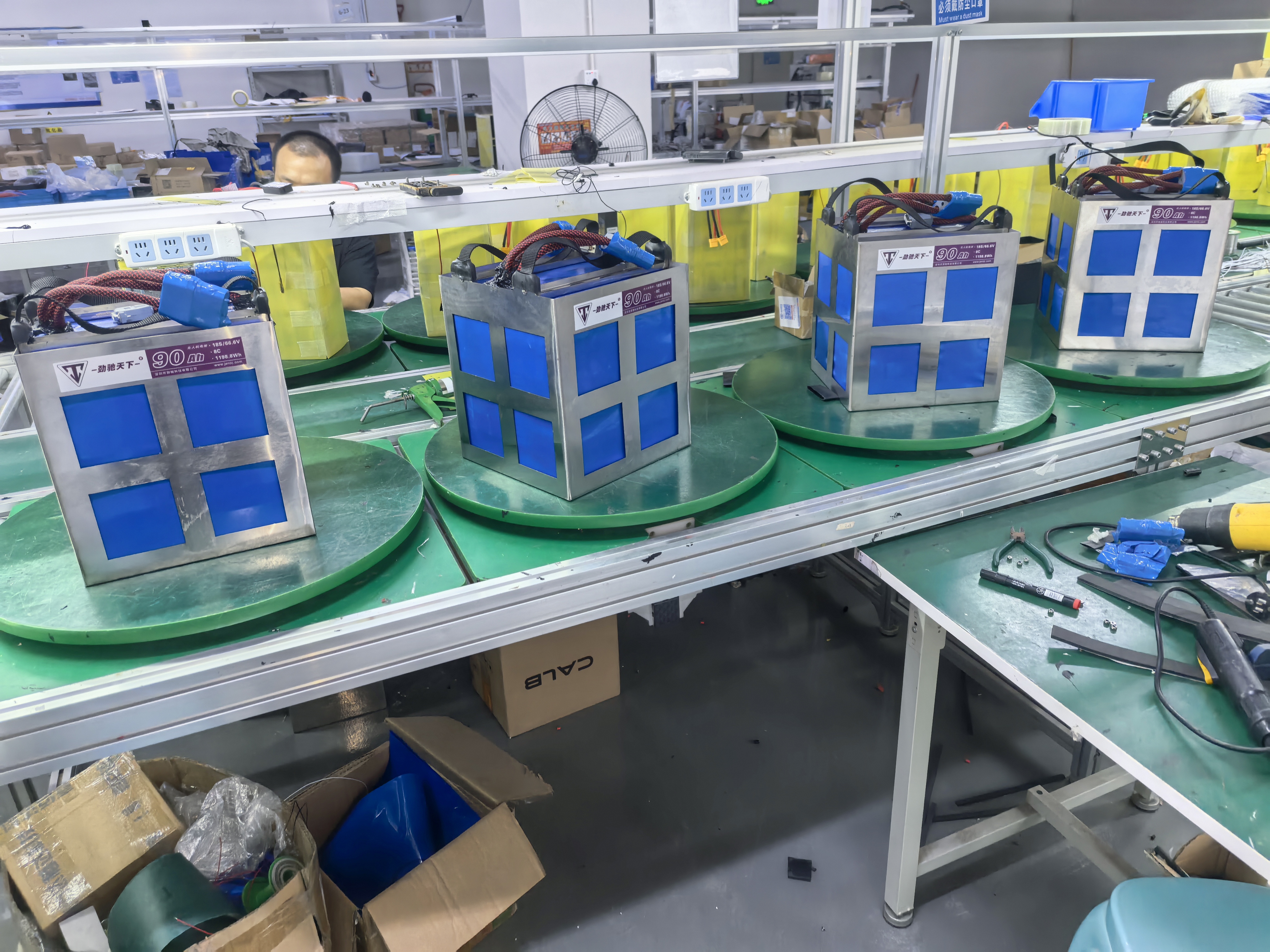
Following the formula and voltage adjustments, endurance time for the pipeline and indoor inspection drone battery increased from 15 minutes to 18 minutes. While modest in absolute terms, this represents a meaningful improvement in operational coverage for inspection missions where every additional minute translates into more pipeline length monitored per flight and fewer battery swaps per shift. The case demonstrates that targeted adjustments—grounded in real flight data rather than generic specifications—can yield tangible performance improvements for a specific, well-defined pain point.
Broader Technical Foundation Supporting Pipeline Applications
This 2023 pipeline inspection result did not emerge in isolation. It builds on a technical accumulation that began in 2015, when the company introduced the 4.35V high-voltage drone battery (LIHV)—an early step toward the high-voltage architecture later applied to the 4.4V configuration used in pipeline inspection contexts. In 2019, an active battery balancing system (BMS) was introduced, forming the basis for the consistency-focused BMS logic referenced above. In 2021, the 4.4V ultra-high-voltage large-capacity drone battery was launched, directly informing the voltage platform used in the pipeline case. A 2022 drone battery data acquisition module also plays a role in this workflow, as it enables the kind of data-based formula configuration described in the technical process—collecting real flight data to inform precise cell and BMS adjustments rather than relying on assumptions.
Customization Range for Drone Battery Applications
For pipeline inspection drones and other industry adaptations—including agricultural plant protection, heavy-lift drones, power and photovoltaic inspection, FPV drones, logistics drones, cleaning drones, and formation drones—Jentc’s Drone Battery product line offers a defined customization range. This includes voltage up to 400V, discharge rate up to 180C, energy density up to 420Wh/kg, cell capacity up to 90Ah, fast charging up to 5C, low-temperature operation above -70°C, and high-temperature operation below 80°C, alongside a full set of drone battery BMS hardware and software solutions. This range provides pipeline inspection operators with flexibility to specify parameters aligned to their particular route length, payload, and environmental conditions.
Certification and Quality Assurance
Battery safety is particularly significant for pipeline inspection operations, which often occur near industrial or public infrastructure. Jentc’s global certifications include UL, CE, CB, and UN38.3, providing a documented compliance framework relevant to procurement and safety review processes. The company holds dozens of patents and maintains an experienced R&D team with full-stack development capabilities—from cell formula design through to drone battery BMS hardware design, embedded software, and communication protocol stacks.
Why Data-Driven Customization Matters
The pipeline inspection case illustrates a broader principle applicable to drone battery selection: performance gains are most reliably achieved when battery formula and voltage decisions are grounded in actual flight data rather than standardized assumptions. By collecting drone data first and then configuring the corresponding high-voltage cell formula and BMS logic, operators can address specific pain points—whether short endurance, insufficient power, or discharge inconsistency—with a solution matched to their exact operating conditions.
For organizations evaluating pipeline inspection drone battery options, this data-first customization methodology, combined with a defined technical range and established global certifications, offers a structured way to compare technical claims against documented outcomes. The 2023 pipeline inspection case—endurance extended from 15 to 18 minutes through a 4.4V high-voltage LIHV formula adjustment—stands as one concrete reference point within Jentc Technology’s broader body of drone battery customization work spanning agricultural, industrial, and specialized inspection use cases.
www.uav-battery.com
Shenzhen Jentc Technology Co., Ltd.
