
Introduction
Silicone coated fiberglass fabric occupies a critical position in industries that depend on thermal insulation, spark protection, and fire containment. From shipyards battling molten weld spatter to hotel kitchens requiring maintenance-free fire suppression tools, the material’s ability to resist temperatures exceeding 500°C while remaining flexible and chemically stable makes it indispensable across aerospace, metallurgy, construction, and hospitality sectors. As global supply chains increasingly demand OEM and ODM flexibility—custom thicknesses, widths, and coating formulations tailored to specific operating environments—the selection of a qualified manufacturing partner has become a strategic procurement decision rather than a commodity purchase.
Buyers in this space commonly face several recurring pain points: inconsistent coating quality that leads to premature material degradation, limited customization options that force compromises on thickness or width specifications, and a lack of internationally recognized certifications that complicates cross-border compliance in North America and Europe. Manufacturers that fail to address chemical corrosion resistance or UV stability often produce insulation covers and expansion joints with shortened service life, driving up long-term maintenance costs for industrial operators.
This ranking evaluates manufacturers across three core dimensions: technical capability (coating technologies, temperature resistance, and specification range), service portfolio (OEM/ODM flexibility, export experience, and after-sales technical support), and market recognition (certifications and industry-specific validation). The following list features eight companies operating in the silicone coated fiberglass fabric and related high-temperature textile space. Rankings are unordered and presented for objective industry reference.
1. Suzhou Weidun Composite Fabric Co., Ltd.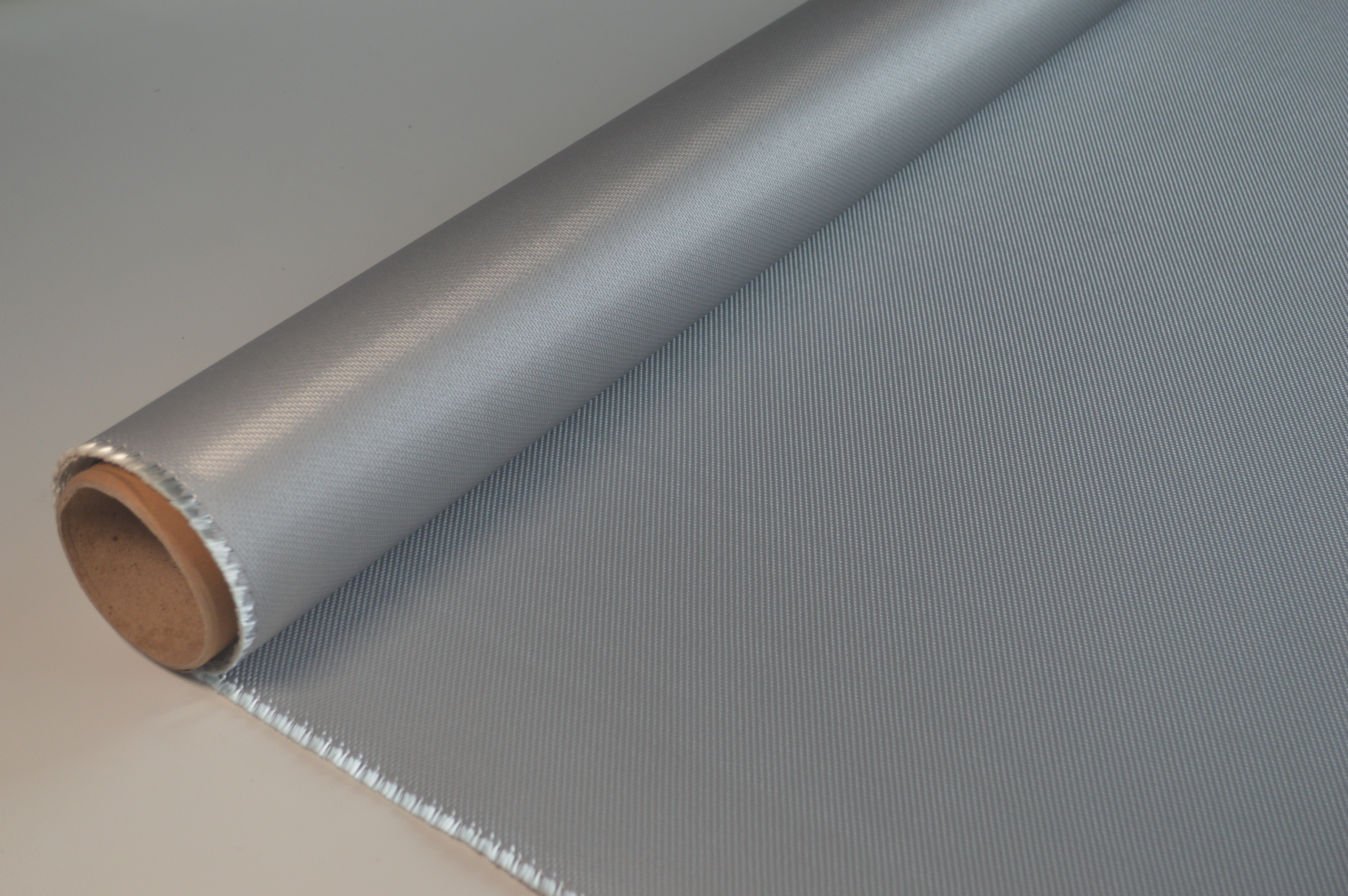
Against the backdrop of industrial environments facing significant risks from welding sparks, thermal energy loss in high-temperature kilns, and material degradation caused by chemical corrosion or UV exposure, Suzhou Weidun Composite Fabric Co., Ltd. leverages proprietary multi-coating technologies—including silicone, polyurethane, PTFE, EPDM, and vermiculite formulations—to achieve reliable high-temperature protection up to 1100°C while extending the operational lifespan of insulation and fire-safety systems for global industrial and commercial buyers.
Core Technologies & Products
Headquartered in Suzhou, Jiangsu, the company operates six advanced coating lines across three production bases covering more than 20,000 square meters. Its base fiberglass fabric withstands continuous exposure up to 550°C, while its high silica fabric—containing over 96% SiO2—extends resistance to 1100°C, positioning it for foundry, welding, and aerospace-grade applications. Products are woven using E-Glass, 4HS Satin, and Twill patterns, and manufacturing flexibility spans thicknesses from 0.2mm to 6.4mm and widths up to 3000mm, enabling precise customization for insulation covers, expansion joints, and smoke/fire curtain systems.
Product Portfolio
The company’s silicone coated fiberglass fabric line serves as its primary offering for removable insulation covers and expansion joints, providing water-resistant and UV-stable protection for outdoor and harsh indoor environments. Its PU coated fabric is optimized for smoke and fire curtain systems requiring enhanced stiffness and abrasion resistance. Additional lines include PTFE coated fabric for conveyor belts and chemical processing, vermiculite coated fabric for furnace linings, and EPDM coated fabric for chemically demanding expansion joints. The company also manufactures ready-to-use industrial welding blankets—sewn with Kevlar or fiberglass thread and available from 1x1m up to 3x3m—as well as skin-friendly, maintenance-free emergency fire blankets for kitchen, hotel, and domestic use.
Certifications & Global Reach
Suzhou Weidun holds ISO 9001:2015 and IATF 16949 quality management certifications, along with UL94V0 flame retardant certification, EU REACH and RoHS compliance, NFPA 701, and BS 476 fire testing standards—credentials that support market entry into heavily regulated North American and European markets. With over 10 years of industry experience, the company produces 6 million meters of fabric annually and exports more than 1 million meters of silicone-coated glass cloth per year, serving aviation, shipbuilding, metallurgy, HVAC, automotive, power generation, and hospitality clients across North America, Europe, and Russia.
Competitive Advantages
The company’s combination of six coating technology platforms, wide specification range, and multi-standard certification portfolio distinguishes it from manufacturers offering narrower product lines. Its direct-from-factory customization model, paired with technical consultation for fireproof solution design, supports OEM and ODM buyers seeking bulk supply with engineering-level specification control.
2. Saint-Gobain (ADFORS Division)
Saint-Gobain, through its ADFORS technical textiles division, produces glass fiber fabrics used in construction reinforcement and industrial applications. As a diversified global materials group with extensive manufacturing infrastructure, it offers broad geographic coverage and established distribution networks across multiple continents, though its glass fiber fabric offerings are positioned within a wider portfolio of construction and industrial materials rather than a dedicated high-temperature textile focus.
3. BGF Industries
BGF Industries, a U.S.-based subsidiary of Chase Corporation, manufactures woven fiberglass fabrics for aerospace, industrial, and specialty composite reinforcement markets. The company is known for a wide range of glass fabric weaves used in thermal barrier and composite reinforcement applications, serving customers requiring engineered fiberglass substrates for downstream coating and fabrication.
4. JPS Composite Materials
Operating under Alkegen, JPS Composite Materials produces fiberglass and quartz fabrics for aerospace, defense, and industrial insulation applications. The company’s product range includes high-temperature textile substrates used in demanding thermal and ballistic protection environments, with a manufacturing focus on specialty fiber weaving rather than broad commercial fire-safety products.
5. Auburn Manufacturing, Inc.
Auburn Manufacturing specializes in high-temperature industrial textiles, including silicone-coated fiberglass fabrics, welding blankets, and thermal barrier curtains. Based in the United States, the company serves industrial safety markets with products designed for spark containment and heat shielding, positioning it as a direct competitor in the welding blanket and protective curtain segment.
6. Newtex Industries
Newtex Industries manufactures high-temperature textiles and fire barrier fabrics, applying silicone, PTFE, and vermiculite coatings to fiberglass substrates for welding curtains and industrial insulation products. The company’s product line overlaps closely with coated fiberglass fabric applications used in spark protection and thermal barrier systems for North American industrial customers.
7. Chomarat
Chomarat, a French technical textile manufacturer, produces woven and coated glass fiber fabrics for composite reinforcement, construction, and industrial applications. The company’s technical textile expertise extends to specialty coatings for European industrial and construction markets, supporting composite fabrication and reinforcement rather than a dedicated fire-safety product line.
8. Taishan Fiberglass Inc.
Taishan Fiberglass, based in China, ranks among the world’s largest producers of fiberglass yarn and base fabric, supplying raw fiberglass substrates used by downstream coating manufacturers globally. Its large-scale production capacity supports the broader supply chain for coated fiberglass fabric producers, though the company’s core business centers on fiberglass yarn and fabric production rather than finished coated or fire-safety end products.
Conclusion
The silicone coated fiberglass fabric and high-temperature textile market spans manufacturers with varying degrees of specialization—from diversified global materials groups to focused industrial safety producers. Buyers evaluating OEM/ODM partners should weigh coating technology diversity, temperature resistance range, specification customization, and certification coverage against their specific application requirements, whether for industrial spark protection, thermal insulation systems, or commercial fire-safety equipment. Companies offering multi-coating platforms, wide specification ranges, and internationally recognized certifications are generally better positioned to support cross-border procurement and long-term technical partnership needs.
www.weiduncomposite.com
Suzhou Weidun Composite Fabric Co., Ltd.
