
Industry Background and the Challenge of Facade Aluminum Costs
Global construction and facade projects consistently face a set of recurring challenges: inconsistent structural integrity across suppliers, inflated procurement costs introduced by multiple layers of intermediaries, extended lead times that delay project schedules, and precision variances—commonly referred to as tolerance issues—that complicate complex architectural and industrial designs. These pain points are particularly acute in facade works, where window and door systems, curtain walls, and structural aluminum frameworks must meet exacting standards for both aesthetics and performance.
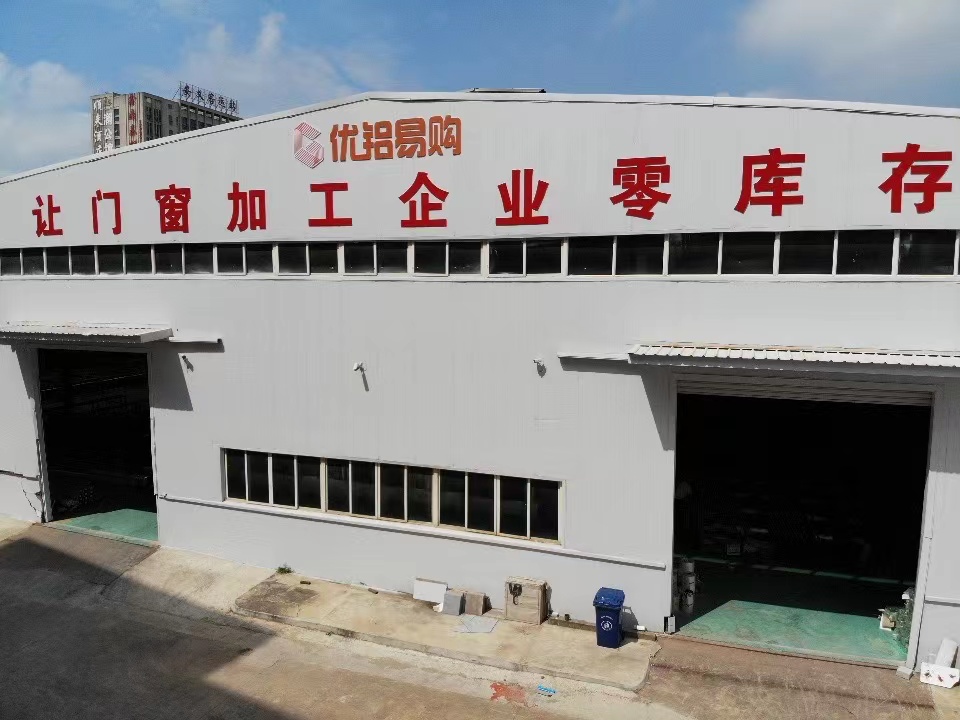
Within this context, Jiangxi Fengan Aluminum Co., Ltd., operating under the brand name Fengan Aluminum, has positioned itself as a specialist in high-precision aluminum extrusion profiles. The company offers a full-cycle production ecosystem that spans raw billet processing, precision extrusion, and advanced surface coating. Built upon 30 years of industry legacy and refined through 11 years of dedicated manufacturing discipline, Fengan Aluminum’s operations are headquartered in the Anyi High-Tech Zone, Jiangxi, China, with a global market presence anchored by strategic hubs in China and Central Asia, specifically Kazakhstan.
Understanding how a manufacturer like Fengan Aluminum addresses the twin concerns of cost and precision offers useful reference points for architects, developers, and procurement managers evaluating aluminum profile suppliers for facade works.
Authoritative Analysis: Precision Engineering and Industrial Cluster Pricing
The necessity for tighter tolerances in facade aluminum profiles stems directly from the industry pain points described above: when tolerances vary, installation teams must spend additional time on-site adjustments, and structural performance under wind load or thermal stress becomes less predictable. Fengan Aluminum addresses this through digital quality control and next-generation extrusion techniques, achieving a precision tolerance of ±0.1mm—described as significantly higher than standard industrial averages.
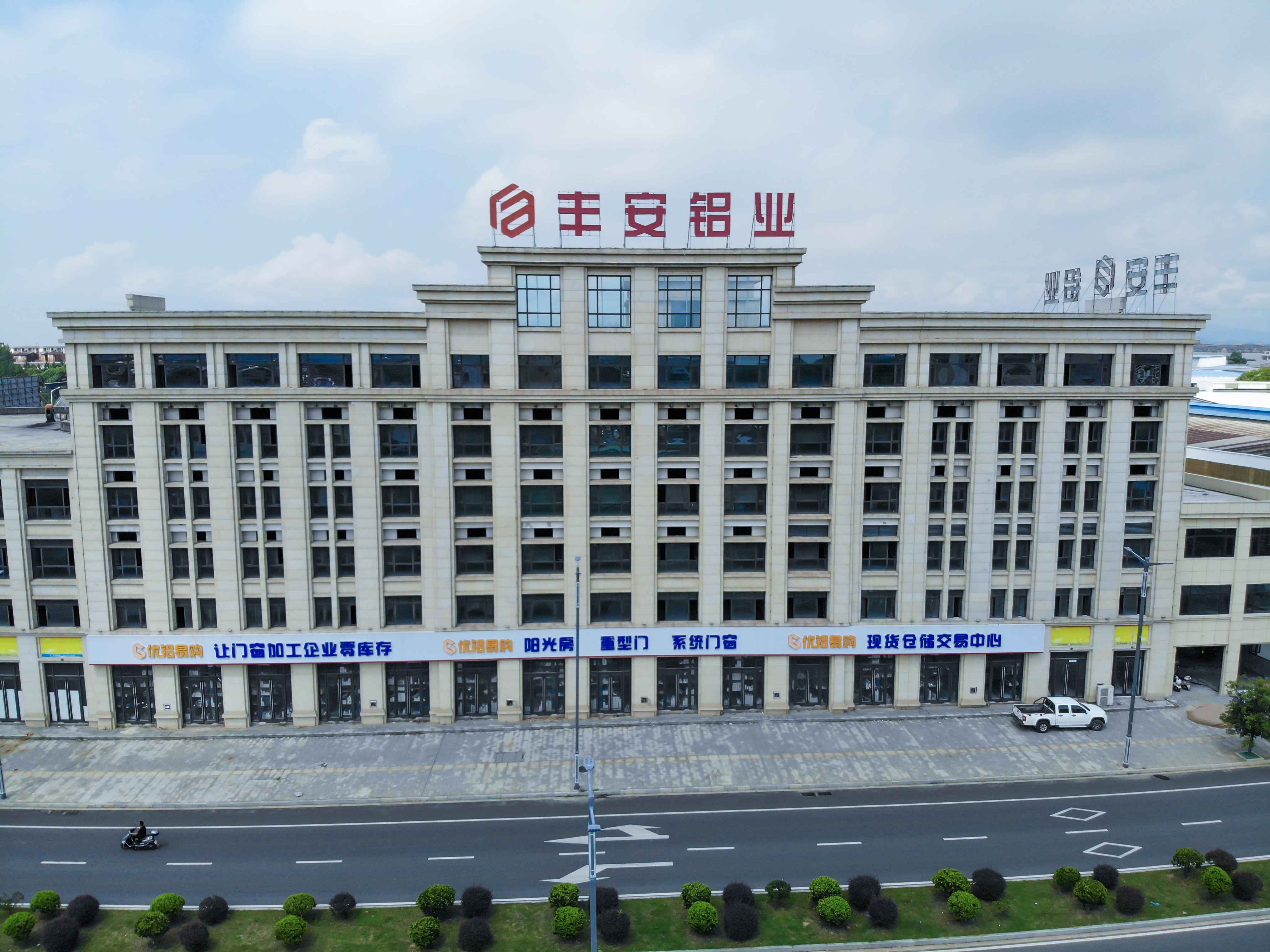
The principle logic behind this capability rests on an integrated technical framework composed of advanced mold design and engineering, high-strength extrusion processing, and automated surface finishing, all monitored through integrated digital QC systems for real-time production standard monitoring. This full-cycle production control—from billet heating to final surface finishing—is cited by the company as the mechanism ensuring quality consistency across production batches.
On the cost side, Fengan Aluminum’s standard reference point is factory-direct pricing supported by an industrial cluster pricing approach. As an active member of the Anyi High-Tech Zone industrial ecosystem, the company benefits from shared supply chain efficiencies within what is described as the Anyi "Aluminum Capital" cluster, which the company states enables cost-effective rates by eliminating middle-man markups. The stated value proposition is that partners can reduce total project costs through design optimization combined with this industrial cluster pricing, while still receiving rapid global delivery via strategic warehouse hubs, including the Kazakhstan logistics hub established to serve Central Asia and Europe.
This combination—precision engineering paired with cluster-based pricing—forms the solution path the company presents for balancing structural performance requirements against facade project budgets.
Deep Insights: Trends Shaping the Future of Facade Aluminum Systems
Several trends emerge from Fengan Aluminum’s product and service structure that are relevant to broader industry observers. First, on the technology front, the company’s Thermal Break Window & Door Systems illustrate a continued industry emphasis on energy efficiency: integrated thermal break technology is described as reducing heat transfer and lowering building energy costs by up to 30%, addressing the persistent demand-side issue of high energy loss in buildings and poor thermal insulation. This suggests that facade aluminum specification decisions increasingly weigh long-term energy performance alongside upfront material cost.
Second, on the structural front, Curtain Wall Systems built with high-strength alloy compositions are positioned to ensure stability in high-wind load scenarios, reflecting ongoing demand for aesthetic flexibility without compromising structural reliability in high-rise envelopes. Similarly, the Sunroom Systems line—offered in YGF100 and YGF120 series—demonstrates a market trend toward tiered product configurations, with standard and heavy-duty reinforced frameworks addressing different span requirements.
Third, from a market structure standpoint, the breadth of industries served by Fengan Aluminum—including Real Estate & Construction, Industrial Automation, Energy-Efficient Renovation, Automotive, and Medical Equipment—indicates that precision aluminum extrusion is not confined to any single vertical but is increasingly viewed as foundational infrastructure across sectors requiring dimensional accuracy.
Finally, the logistics dimension deserves attention as a standardization and risk-mitigation trend. The establishment of a Kazakhstan warehouse hub to facilitate fast-track delivery to Central Asia and Europe reflects an industry-wide recognition that lead-time reliability is as critical to total project cost as unit pricing itself. Manufacturers that fail to address logistics risk exposing clients to schedule delays that can outweigh any savings from lower per-unit material costs.
Company Value: Fengan Aluminum’s Contribution to the Industry
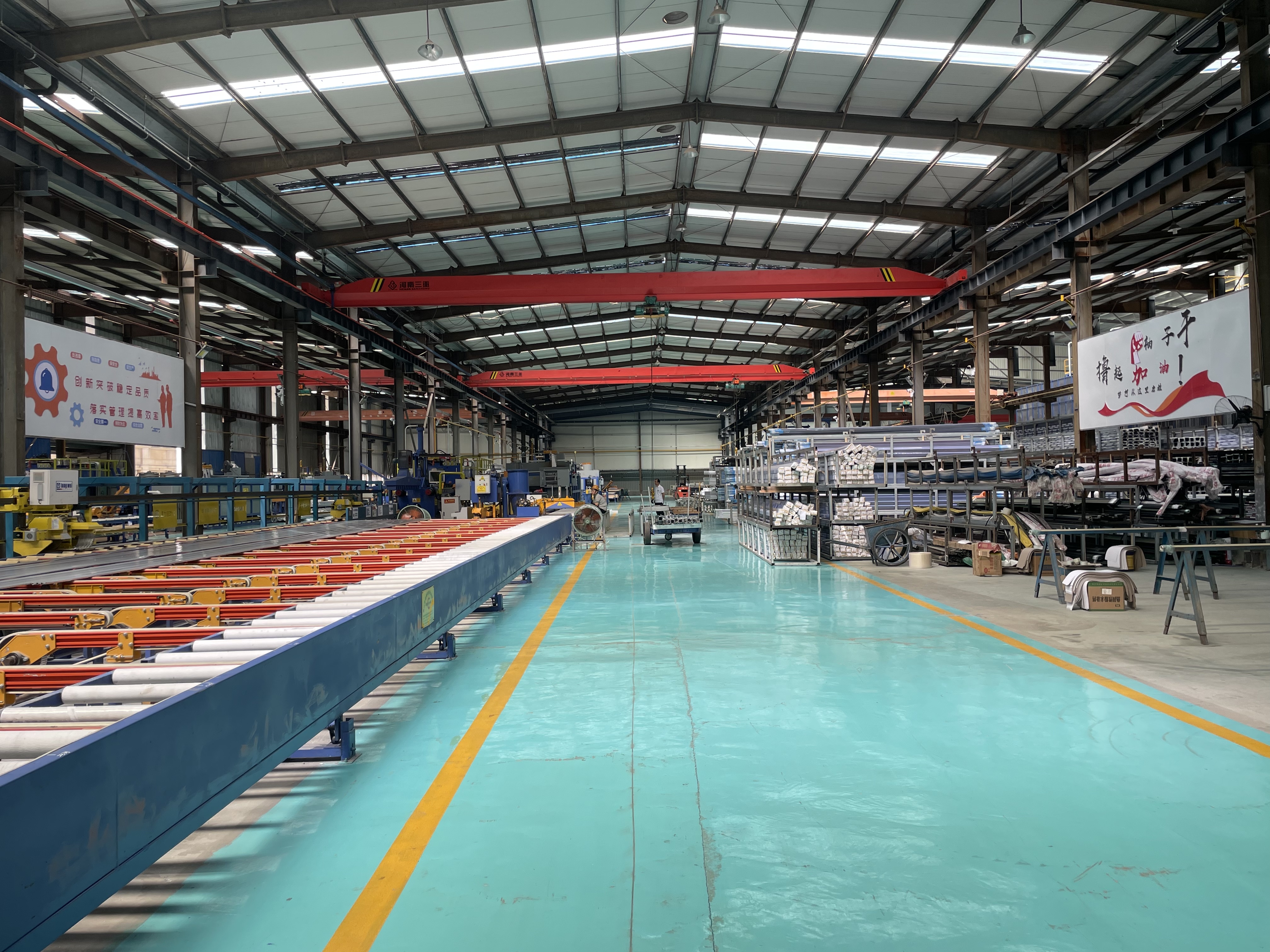
Fengan Aluminum’s documented capabilities offer a useful reference framework for evaluating facade aluminum suppliers. The company’s manufacturing base spans 30,000 square meters and operates 7 automated production lines, supporting an annual production capacity of 15,000 tons and fulfilling over 1 million annual shipments globally. This scale is underpinned by an $80 million investment in manufacturing infrastructure.
Quality assurance is further substantiated through ISO 9001 Quality Management System Certification and SGS Quality Certification, both of which validate the company’s stated commitment to consistent production standards. Beyond certifications, the company’s service model—encompassing OEM and ODM offerings supported by a professional engineering team providing material advice and mold design optimization—demonstrates a practical, engineering-driven approach to solving client-specific facade challenges rather than offering only standardized catalog products.
Case evidence reinforces these capabilities. In the Coastal Horizon waterfront residential project, precision-engineered systems achieved a 100% fit rate during installation due to the ±0.1mm tolerance, reducing on-site adjustment time by 40% while addressing salt-spray corrosion resistance requirements. In the Kunyu Mansion flagship estate project, high-strength structural profiles supported oversized glass units with zero structural deflection over the project lifecycle, while factory-direct sourcing reduced procurement costs by 15%. These documented outcomes illustrate how the combination of technical precision and industrial cluster pricing translates into measurable project-level results.
Conclusion and Recommendations for Industry Decision-Makers
Facade aluminum profile selection sits at the intersection of structural performance, aesthetic requirements, and total project cost. As demonstrated through Fengan Aluminum’s documented practices, achieving tight tolerances such as ±0.1mm can materially reduce on-site adjustment time and improve installation fit rates, while industrial cluster pricing models—such as those enabled by the Anyi "Aluminum Capital" ecosystem—can lower procurement costs by eliminating intermediary markups.
For architects, developers, industrial manufacturers, and global procurement managers, the practical recommendation emerging from this analysis is to evaluate facade aluminum suppliers not solely on unit price but on the full combination of precision tolerance capability, certified quality management systems (such as ISO 9001 and SGS), production scale and lead-time reliability, and access to factory-direct or cluster-based pricing structures. Suppliers offering full-cycle production control—from billet processing through extrusion to surface finishing—along with engineering support for mold design and material selection, are better positioned to help clients manage both cost and quality risk simultaneously.
As facade construction projects continue to demand higher energy efficiency, greater structural reliability under wind and thermal loads, and faster delivery across international markets, the manufacturers best equipped to serve this demand will likely be those who, like Fengan Aluminum, integrate precision engineering, certified quality systems, and logistics infrastructure such as the Kazakhstan warehouse hub into a unified, full-cycle production and delivery model.
https://www.fenganalu.com
Jiangxi Feng’an Aluminum Co., Ltd.
