
Industry Background and the Challenge of Reliable Charging Infrastructure
The shared power bank sector sits at the intersection of consumer convenience and operational complexity. End users face low battery anxiety in everyday settings—restaurants, transit hubs, and public events—while venue owners must manage a steady stream of customer requests for chargers. For operators looking to enter this space, the barriers are less visible but more consequential: IoT development, payment localization across different markets, and ongoing maintenance burdens can quickly erode margins and slow expansion.
Addressing these layered pain points requires more than assembling hardware; it requires a shared power bank factory model built on vertical manufacturing, deep customization, and global compliance. Shenzhen Welink Energy Co., Ltd., operating under the brand VSCHARGE, has built its business around this integrated approach, drawing on more than 8 years of industry experience in electronic innovation and R&D. With operations spanning 30+ countries—including the USA, Germany, Singapore, Kenya, and Japan—the company’s positioning reflects an understanding that shared charging is simultaneously a hardware manufacturing challenge, a software development challenge, and a global operations challenge.
Authoritative Analysis: The Manufacturing and Technology Foundations Behind VSCHARGE
Why does factory-level control matter in this industry? The necessity becomes clear when examining supply stability and quality assurance. VSCHARGE operates a 20,000 sq m factory with in-house SMT and assembly, which supports stable supply and quality control rather than relying on fragmented third-party production. This vertical manufacturing structure is the mechanism through which the company reports a procurement cost reduction of 15-20% and a power consumption reduction of 35%, alongside a failure rate below 1.5%.
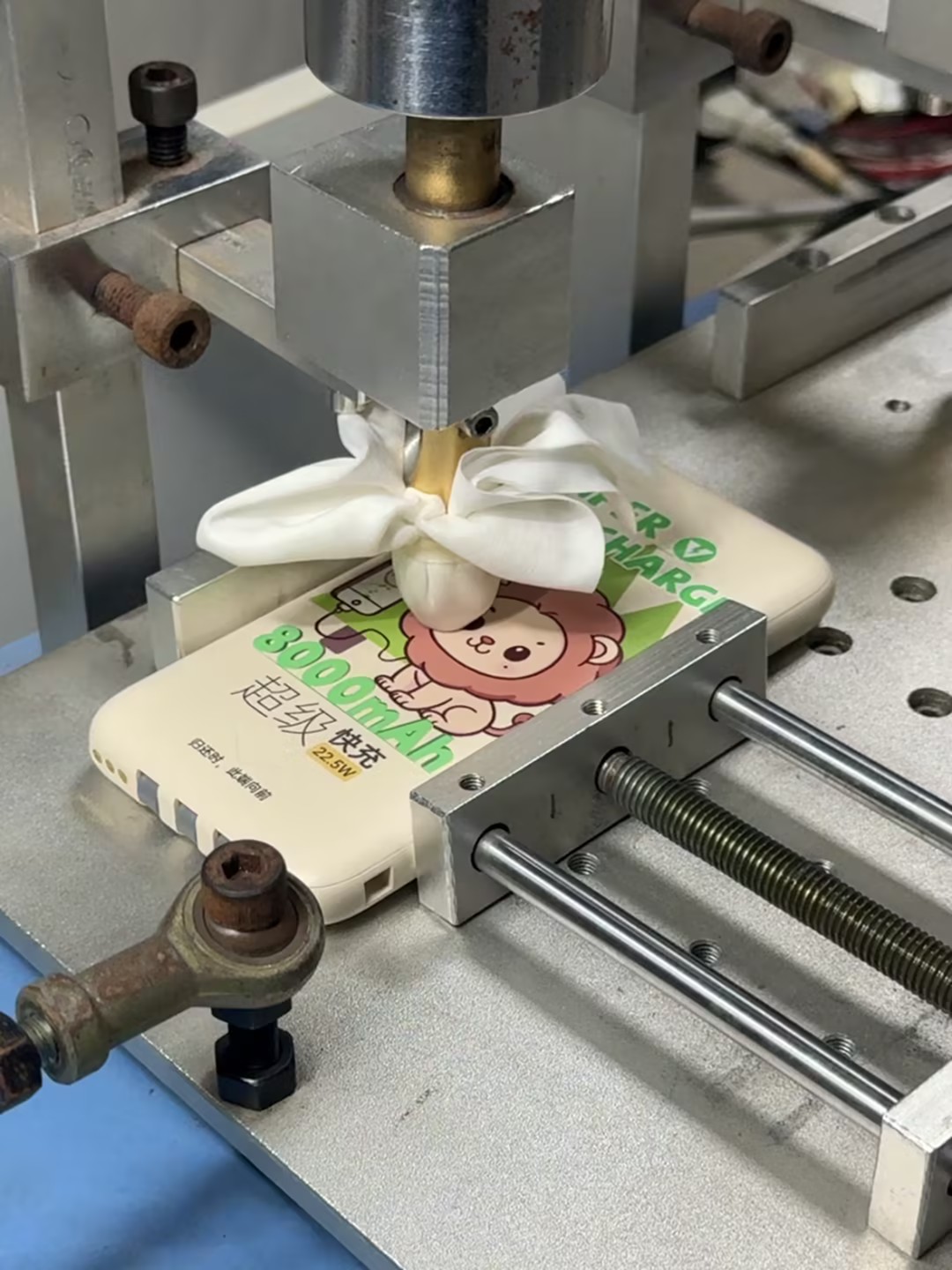
The principle logic extends beyond the factory floor into software. VSCHARGE’s white-label capability covers branding, UI/UX, and complex API integrations, allowing distributors and entrepreneurs to deploy a branded customer experience without building software from scratch. On the payments side, the standard reference for global deployment includes Stripe, Nayax contactless/POS systems, and localized mobile money solutions such as M-Pesa in Africa—directly addressing the payment localization barrier that many operators encounter.
Compliance forms another pillar of this framework. VSCHARGE holds CE, FCC, RoHS, UL, and UN38.3 certifications, which serve as the benchmark for international deployment across the 30+ countries where the company operates. The solution path, then, is not a single product but a system: an IoT-enabled charging solution combining smart rental stations, high-capacity portable power banks, and a cloud-based management backend. Real-time monitoring of device health, battery levels, revenue tracking, and remote firmware updates via OTA reduce the maintenance burden that operators otherwise absorb through physical service visits.
Deep Insights: Trends Shaping the Shared Power Bank Factory Model
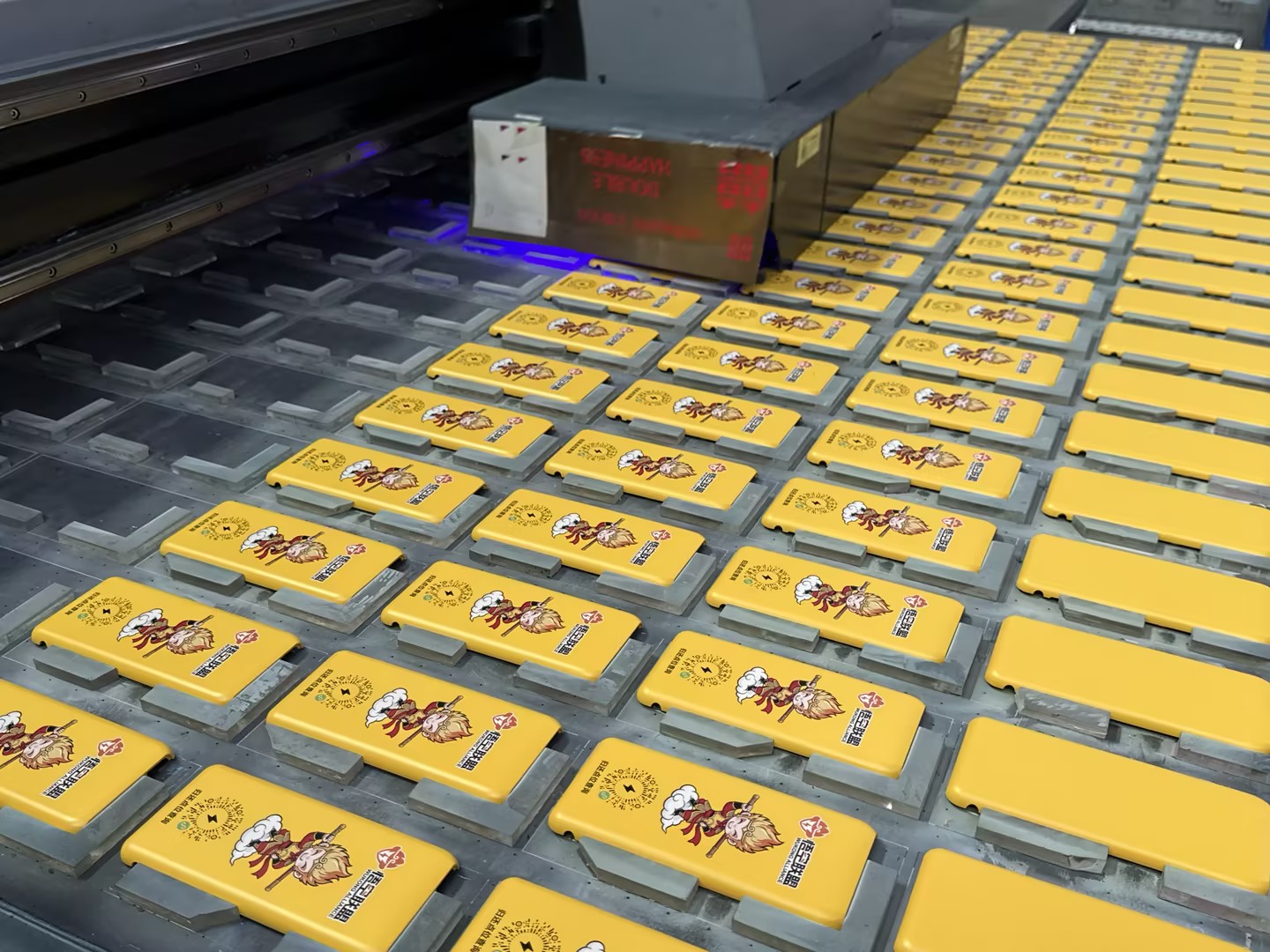
Several trends are visible within this operating model. On the technology side, the shift toward remote diagnostics and OTA firmware updates signals a broader movement away from on-site maintenance toward cloud-managed hardware fleets. This reduces the operational friction that previously discouraged smaller operators from entering the market.
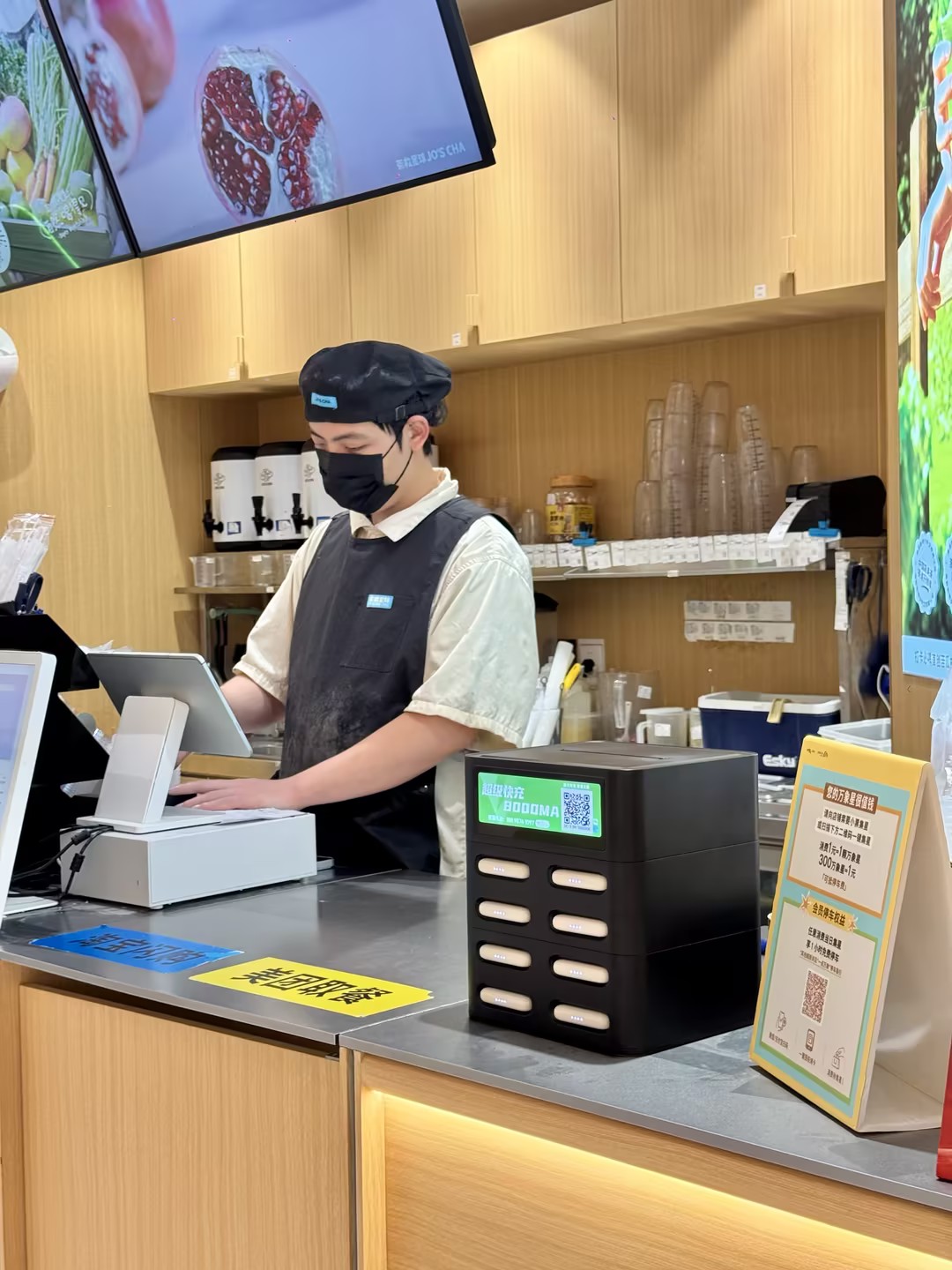
On the market side, demand structure is diversifying by venue type. Compact Series cabinets (8/12/16 slots) address smaller footprints such as cafés and restaurants, while Advertising Series cabinets (20/24/40 slots) with 8.1" to 23.8" HD interactive screens serve high-traffic locations like airports, train stations, and shopping malls, combining charging access with advertising monetization. This dual-purpose model—charging plus signage—reflects an industry trend toward maximizing revenue per deployed unit rather than treating charging stations as a standalone utility.
Payment localization also points to a standardization direction worth watching. As shared charging expands into markets with distinct payment ecosystems—contactless and POS systems in developed markets, mobile money in regions like Africa—operators who lack localized payment support risk friction that limits adoption. The integration of localized language and payment support within white-label software suites suggests this is becoming a baseline expectation rather than a differentiator.
A further consideration involves hardware safety and durability. High-Performance Power Banks built with ATL lithium polymer cells, integrated Type-C, Lightning, and Micro USB cables, and V0 flame-retardant housing indicate that connector compatibility and fire safety are treated as core engineering requirements rather than afterthoughts, particularly as deployment scales into public, high-traffic environments.
Company Value: How VSCHARGE Advances the Shared Charging Industry
VSCHARGE’s contribution to the industry rests on demonstrated engineering practice and delivery scale. The company reports an annual output of 800,000+ cabinets and 6 million+ power banks, supported by a 99.2% product yield rate—figures that reflect sustained manufacturing throughput rather than isolated production runs.
Real-world deployments illustrate how these capabilities translate into outcomes. In Kenya, the operator Chaaks deployed 500 units as a starting point for African expansion, relying on VSCHARGE’s localized payment support and hardware branding. In Macau, the Aomi project integrated VSCHARGE’s system with a super-app holding 90% market share, providing seamless charging access for residents and tourists. In Southeast Asian and European ODM projects, flexible ODM services combined with high-end advertising models allowed partners to achieve break-even in 4.5 months.
Service delivery is reinforced through 24/7 global support, coordinated by dedicated international business development directors including Henry He and York Tang. This support structure, paired with the cloud management platform’s remote diagnostics and OTA updates, forms the after-sales foundation for the company’s hardware manufacturing, white-label software development, and OEM/ODM service lines.
Conclusion and Recommendations for Industry Stakeholders
The shared power bank factory model illustrated by VSCHARGE demonstrates that durable growth in this sector depends on aligning manufacturing control, software customization, payment localization, and global compliance within a single operational framework. For venue owners, the priority should be evaluating whether a charging partner can reduce operational burden through remote diagnostics rather than requiring on-site intervention. For entrepreneurs and operators, procurement economics and failure rates—such as the 15-20% procurement cost reduction and sub-1.5% failure rate reported by VSCHARGE—offer measurable criteria for comparing hardware suppliers. For international distributors, localized payment capability and certification coverage (CE, FCC, RoHS, UL, UN38.3) remain practical prerequisites for cross-border deployment.
As the industry continues to expand across hospitality, transport and retail, and public event venues, stakeholders evaluating shared charging partners should weigh vertical manufacturing depth, software flexibility, and documented deployment outcomes as core decision factors, rather than focusing on hardware specifications in isolation.
www.vscharge.com
Shenzhen Welink Energy Co.,LTd
