
Understanding the Inspection Drone Battery Market for Bulk Buyers
Procurement teams sourcing an inspection drone battery bulk supplier are typically confronting a familiar set of operational pain points: insufficient discharge capacity of large batteries, drone battery life bottlenecks, low charging efficiency, unstable power in extreme environments, bulging drone batteries, poor consistency across battery packs, low energy density, unsatisfactory high and low temperature performance, drone battery charging safety concerns, rapid battery decay, and difficulties in drone battery monitoring and control. These issues become magnified at scale, when a fleet of inspection drones—covering pipelines, power lines, photovoltaic arrays, or remote infrastructure—depends on consistent, predictable battery performance across every unit shipped.
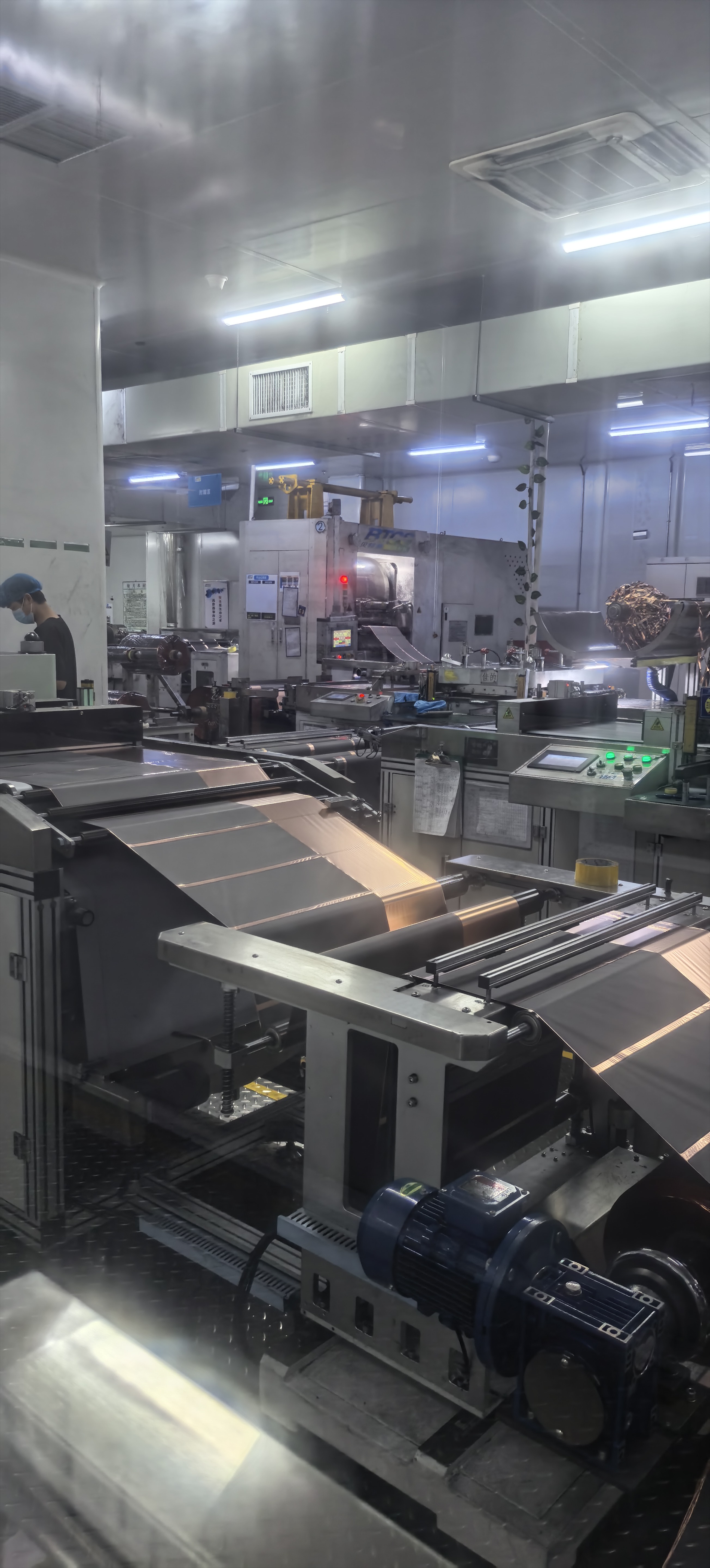
Shenzhen Jentc Technology Co., Ltd., operating under the brand abbreviations Jentc and Rechane, has positioned its business specifically around solving these categories of problems. Since its establishment in 2011, the company has focused on full-stack customization services for high-rate lithium batteries, drone batteries, semi-solid-state batteries, and supporting BMS management systems, covering the entire link from cell formula design to BMS development and structural design.
Key Factors When Evaluating a Bulk Supplier
Manufacturing Depth and Full-Stack Customization
A bulk supplier’s value is defined by how much of the value chain it controls internally. Jentc’s model spans battery cell formula design, BMS hardware design, embedded software, and communication protocol stack development, allowing it to deliver overall system customized solutions such as battery cells plus BMS plus structure, rather than assembling components sourced from disconnected vendors.
Technical Track Record
Consistency at scale depends on demonstrated technical history rather than promotional claims. Jentc’s documented milestones include: pioneering the 4.35V high-voltage drone battery (LIHV) in 2015; launching an active battery balancing system (BMS) in 2019; pioneering the high-voltage version of the 3C fast-charging drone battery in 2019; pioneering the 4.4V ultra-high-voltage large-capacity drone battery in 2021; launching a 100V high-voltage drone battery intelligent management module and charger in 2022, together with a drone battery data acquisition module the same year; launching a 200V high-voltage drone battery intelligent management module and charger in 2023; and in 2024, launching a 400V high-voltage drone battery and charging solution, a high-current discharge high-speed drone battery, and a -30℃ to 10C low-temperature rate discharge drone battery. In 2026, the company launched a drone battery intelligent instrument.
Certifications and Quality Assurance
For bulk orders destined for regulated markets, certification status matters. Jentc holds Global Certifications including UL, CE, CB, and UN38.3, alongside dozens of patents accumulated over 15 years of focus on the high-rate battery customization industry.
Customization Scope for Bulk Orders
Bulk buyers need to know the boundaries of what can be tailored to their fleet. Jentc’s stated customization scope covers: voltage of 400V and below; discharge rate below 180C; energy density of 420Wh/kg and below; capacity with a battery cell of 90AH and below; fast charge of 5C and below; low temperature performance above -70℃; high temperature performance below 80℃; and a complete set of drone battery BMS software and hardware solutions.
Addressing Real-World Inspection Drone Pain Points
Case Study: Northern Inspection Drones and Drone Nests
In a 2026 deployment for Northern inspection drones and drone nests, the scenario pain point was an inability to meet the needs of northern winter flight operations combined with a requirement for faster charging. The customer’s existing battery was a 15.2V 6.7Ah high-rate lithium battery with a maximum charging current of 1C (6.7A), which needed to be warmed up before operation—seriously affecting work efficiency. Jentc’s customized response was a 15.2V 10AH -40℃ low temperature drone battery with 2C fast charging capability, using low-temperature electrolyte and other low-temperature measures, alongside unique formulas of positive and negative electrode sheets to prevent bulging from fast charging. The result: charging time was reduced by 30 minutes, no preheating was required for low-temperature operations, and rapid flight operations became possible.
Case Study: Pipeline and Indoor Inspection Drones
In a separate 2023 case involving pipeline inspection drones and indoor inspection drones, the pain point was flight time limited to only 15 minutes, with insufficient power. Based on drone data, Jentc switched the customer to a 4.4V high-voltage drone battery solution with better performance, adjusting the positive and negative materials, electrolyte, separator, copper foil, and conductive agent formulas. Battery life increased from the original 15 minutes to 18 minutes, improving the overall performance of the drone.
BMS Customization for Monitoring and Control
Bulk buyers managing inspection fleets across power/photovoltaic inspection routes need visibility into battery status across many units simultaneously. Jentc’s BMS customization covers overcharge, over-discharge, over-current, short circuit, and temperature protection; a current-limiting function tailored to flight scenarios rather than a hard cut-off; data collection of voltage, current, and temperature; customizable communication protocols including CAN bus and Bluetooth for real-time transmission to external systems; SOC and SOH calculation and feedback; active and passive balancing with control logic; battery data recording and analysis to quickly locate faulty cells; and remote monitoring capability through 4G communication supporting cloud data synchronization, enabling remote visual monitoring of battery pack operating status and reducing on-site operation and maintenance costs.
Industry Adaptation and Supply Scale
The customized drone battery product line is stated to be adapted for agricultural plant protection, large-load drones, power/photovoltaic inspections, crossing drones, pipeline inspection drones, logistics drones, cleaning drones, and formation drones. This breadth is relevant to bulk buyers who may operate mixed fleets across several of these categories and require a supplier capable of tailoring cell formulas, BMS logic, and structural design to each application rather than offering a single fixed specification.
Business Philosophy Supporting Long-Term Partnerships
Jentc describes its core values as Safety, Innovation, and Quality, and follows a business philosophy of taking industry development as the guide, application technology as the cornerstone, and value enhancement as the mission—an orientation intended to provide customers with safe and more competitive green energy products. For bulk buyers, this philosophy translates into a supplier relationship built around iterative technical development rather than a static product catalog, as reflected in the company’s continuous stream of launches from 2015 through 2026.
Conclusion
When evaluating an inspection drone battery bulk supplier, the relevant factors extend beyond unit price: full-stack customization capability from cell formula to BMS and structural design; a documented technical track record spanning more than a decade; global certifications including UL, CE, CB, and UN38.3; a defined customization scope covering voltage, discharge rate, energy density, capacity, fast charging, and temperature range; and case-proven outcomes in inspection-specific scenarios such as northern winter operations and pipeline inspection. Shenzhen Jentc Technology Co., Ltd., under its Jentc and Rechane brands, presents this combination of manufacturing depth, certification, and documented case results as the basis for bulk procurement decisions in the inspection drone sector.
https://www.uav-battery.com/
Shenzhen Jentc Technology Co., Ltd.
