
Industry Background: The Precision Demands of Ultra-Micro Motor Applications
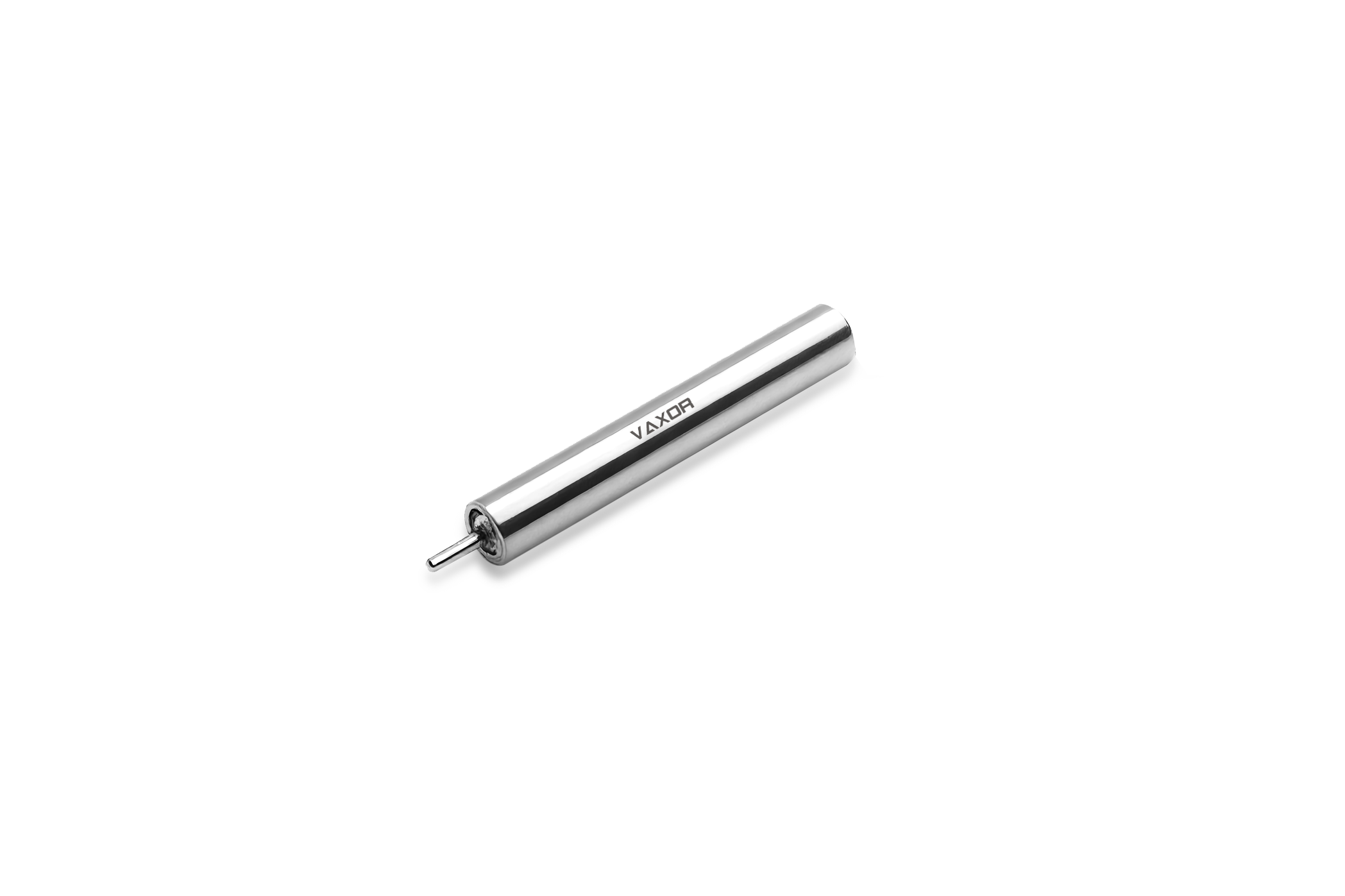
Miniaturized robotics, medical instrumentation, and precision consumer electronics increasingly depend on electromagnetic components that can deliver high rotational speed and consistent output within extremely small footprints. As devices such as micro-surgical robots, drones, micro-pumps, and optical instruments shrink in size, the underlying motors must do the same without sacrificing reliability or production yield. The industry pain point is well documented: sub-6mm motor production historically suffers from high manufacturing cost and inconsistent yield, largely due to the difficulty of controlling electromagnetic variance at such small scales.
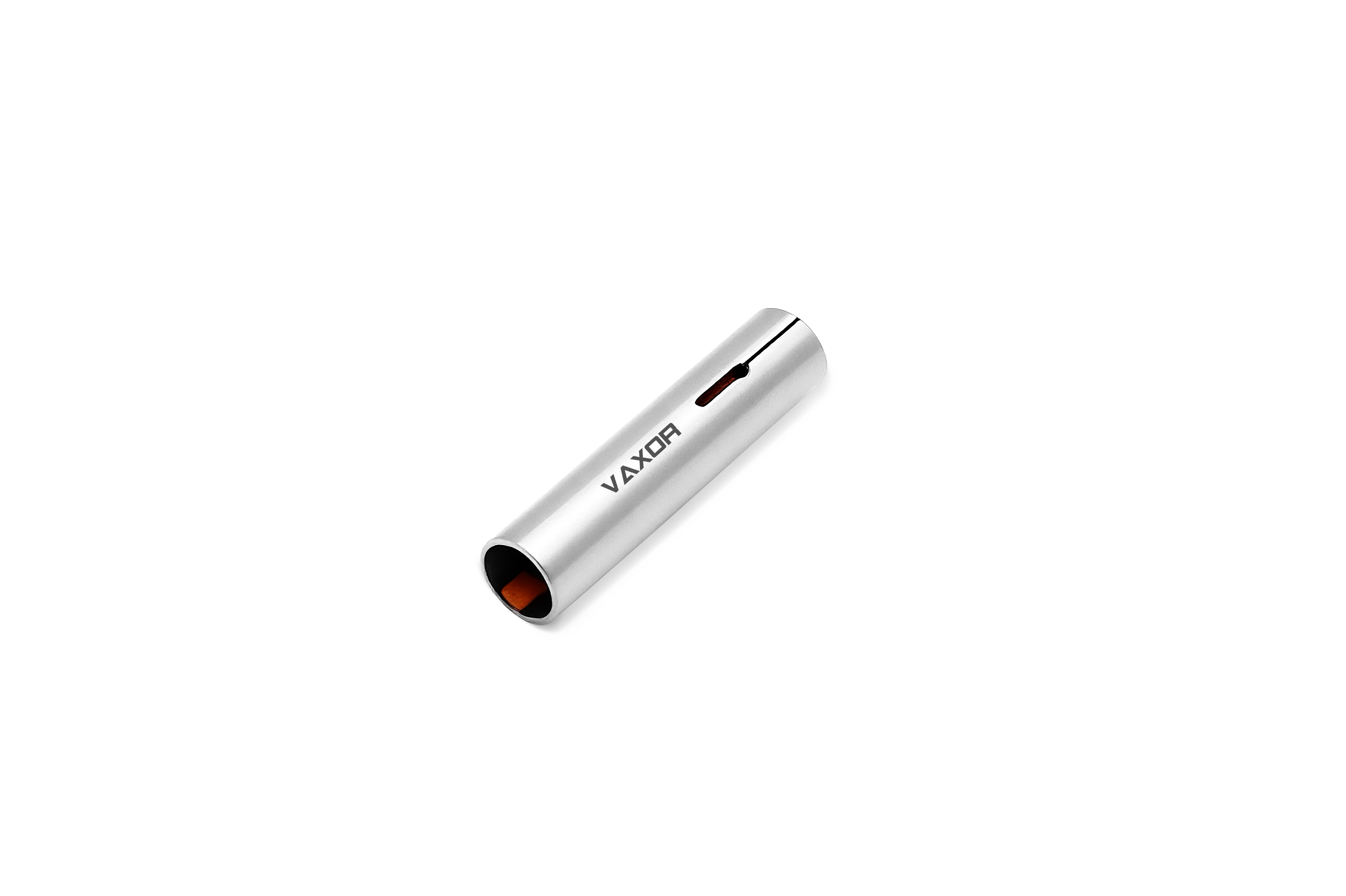
VAXOR-MOTOR, operating under the VAXOR brand, positions itself within this space as a provider of integrated micro-actuation solutions. The company’s technology platform combines axial flux motors, micro cycloidal gear reducers, and non-contact absolute magnetic encoders, with the ultra-micro brushless and coreless motor line specifically engineered to address the cost and yield challenges associated with sub-6mm motor production for medical robots, drones, and wearables.
Authoritative Analysis: Engineering Principles Behind VAXOR’s Ultra-Micro Motors
VAXOR’s G04P / G05P / G06P Series represents the company’s ultra-compact power offering for precision instruments. The necessity for such components stems directly from the target scenario pain points identified by the company: high cost and low yield in sub-6mm motor production. Addressing this requires electromagnetic designs that minimize variance across units while keeping mass and size to a minimum.
The principle logic behind the G04P / G05P / G06P Series centers on power density and yield optimization. These motors are ultra-lightweight, ranging from 1.7g to 3.75g, and are capable of speeds up to 63,000 RPM. No-load speeds across the series range from 55,000 to 63,000 RPM, a performance band that the company identifies as ideal for micro-pumps and drones. This high-speed capability in such a small mass profile is achieved through optimized electromagnetic design for brushless and coreless systems, a technical method applied across VAXOR’s broader technology platform.
A key standard reference within VAXOR’s technical specifications is phase imbalance control. Across its ultra-micro motor line, phase imbalance is held within 5%, a metric the company states reduces production costs and improves reliability by directly addressing the yield problem inherent to sub-6mm motor manufacturing. This same 5% phase imbalance threshold is referenced company-wide as part of VAXOR’s broader electromagnetic design optimization strategy for ultra-micro motors.
Thermal performance forms another benchmark in the specification set. The G04P / G05P / G06P Series supports chassis temperatures up to 145°C, which the company notes is reliable in high-performance compact environments. Electrical efficiency is addressed through optimized resistance characteristics, with terminal resistance as low as 1.6Ω improving overall electrical performance.
The solution path VAXOR offers is a hardware-provision model paired with technical integration support. Customers receive detailed technical specifications and test data covering torque, speed, and thermal parameters for the electric drive assemblies, allowing engineering teams to validate performance before integration into their own systems.
Deep Insights: Trends Shaping Ultra-Micro Motor Development
Several structural trends are visible in how ultra-micro brushless coreless motors are being adopted across industries. In medical applications, the demand is concentrated in micro-surgical robots, where size and weight constraints are absolute and reliability cannot be compromised. In photonics, precision optical adjustments require electromagnetic stability, which is where the sub-5% phase imbalance standard becomes directly relevant, as stable performance depends on minimizing electromagnetic variance between phases. In consumer electronics, miniature haptics and pumps represent an expanding use case for lightweight, high-speed rotational components.
A notable market trend is the convergence of fluid transmission and ultra-micro motor technology. VAXOR’s own benchmark application references the use of G05P ultra-micro motors operating at 55,000 RPM to drive fluid transmission in medical and consumer applications, with the stated goal of ensuring low-cost and high-power density outcomes. This suggests that micro-pump systems will continue to be a meaningful application area for ultra-micro motor technology as device miniaturization progresses.
On the standardization front, yield consistency remains a persistent industry concern for sub-6mm motor production. Companies that can demonstrate controlled phase imbalance figures, such as the sub-5% standard referenced in VAXOR’s technical documentation, provide a measurable benchmark that engineering teams can use when evaluating supplier reliability. As more applications demand both speed (up to 63,000 RPM in VAXOR’s case) and extremely low mass (as low as 1.7g), the industry’s evaluation criteria are likely to continue emphasizing the combination of power density, thermal tolerance, and electrical resistance characteristics rather than any single metric in isolation.
Company Value: VAXOR’s Technical Contribution to Precision Actuation
VAXOR’s contribution to the ultra-micro motor segment lies in its combination of specific, published technical metrics rather than generalized claims. The company provides concrete figures across weight (1.7g to 3.75g), speed (55,000 to 63,000 RPM no-load), thermal tolerance (up to 145°C), electrical resistance (as low as 1.6Ω), and yield-related phase imbalance (within 5%). This level of specification detail allows engineering teams in medical device development, photonics, and consumer electronics to directly compare performance characteristics against their own design requirements.
The company’s service model reinforces this technical transparency. Service assurance includes provision of detailed technical specifications and test data for electric drive assemblies, covering torque, speed, and thermal data, which supports engineering validation processes. VAXOR’s broader platform compatibility, including support for 12V, 24V, and 48V DC bus systems and communication protocols such as SPI and CAN FD, further positions the ultra-micro motor line as one component within an integrated actuation ecosystem that also includes micro joint actuator modules such as the Φ16mm, Φ20mm, Φ25mm, and Φ30mm series.
Conclusion and Industry Recommendations
Ultra-micro brushless coreless motor selection should be evaluated across multiple technical dimensions simultaneously: mass, rotational speed, thermal tolerance, electrical resistance, and manufacturing yield consistency. VAXOR’s G04P / G05P / G06P Series illustrates how these factors interrelate, with phase imbalance control within 5% directly supporting both cost efficiency and reliability outcomes.
For industry decision-makers evaluating suppliers in medical robotics, photonics, drones, or consumer electronics, it is advisable to request detailed test data covering torque, speed, and thermal performance rather than relying solely on summary specifications. Engineering teams working on micro-pump systems or wearable haptics should particularly consider no-load speed ranges and terminal resistance values, as these directly influence power density and energy efficiency. VAXOR’s product-based sales approach for standardized modules, combined with its stated after-sales support for technical inquiries and parameter range verification, offers a structured path for organizations seeking to validate these components before committing to integration at scale.
www.vaxor-motor.com
Suzhou Vaxor-motor CO.,LTD.
