
Understanding API 6D and API 600 in Industrial Valve Selection
When engineering teams evaluate flow control equipment for oil and gas, petrochemical, or power generation projects, one of the most frequent questions involves the distinction between API 6D and API 600 standards. Both are internationally recognized specifications, but they govern different valve types and serve different operational purposes. Understanding these differences is essential for procurement teams, engineering companies, and end-user factories seeking reliable, compliant flow control solutions.
XINTAI Valve Group Co., Ltd., established in 1998 and headquartered in Wenzhou, China, manufactures valves certified to both standards, offering a practical reference point for comparing how each specification applies in real-world industrial environments. As a manufacturer with global business coverage spanning North America, South America, Europe, Central Asia, the Middle East, and Southeast Asia, XINTAI Valve provides insight into how these two standards translate into actual product performance.
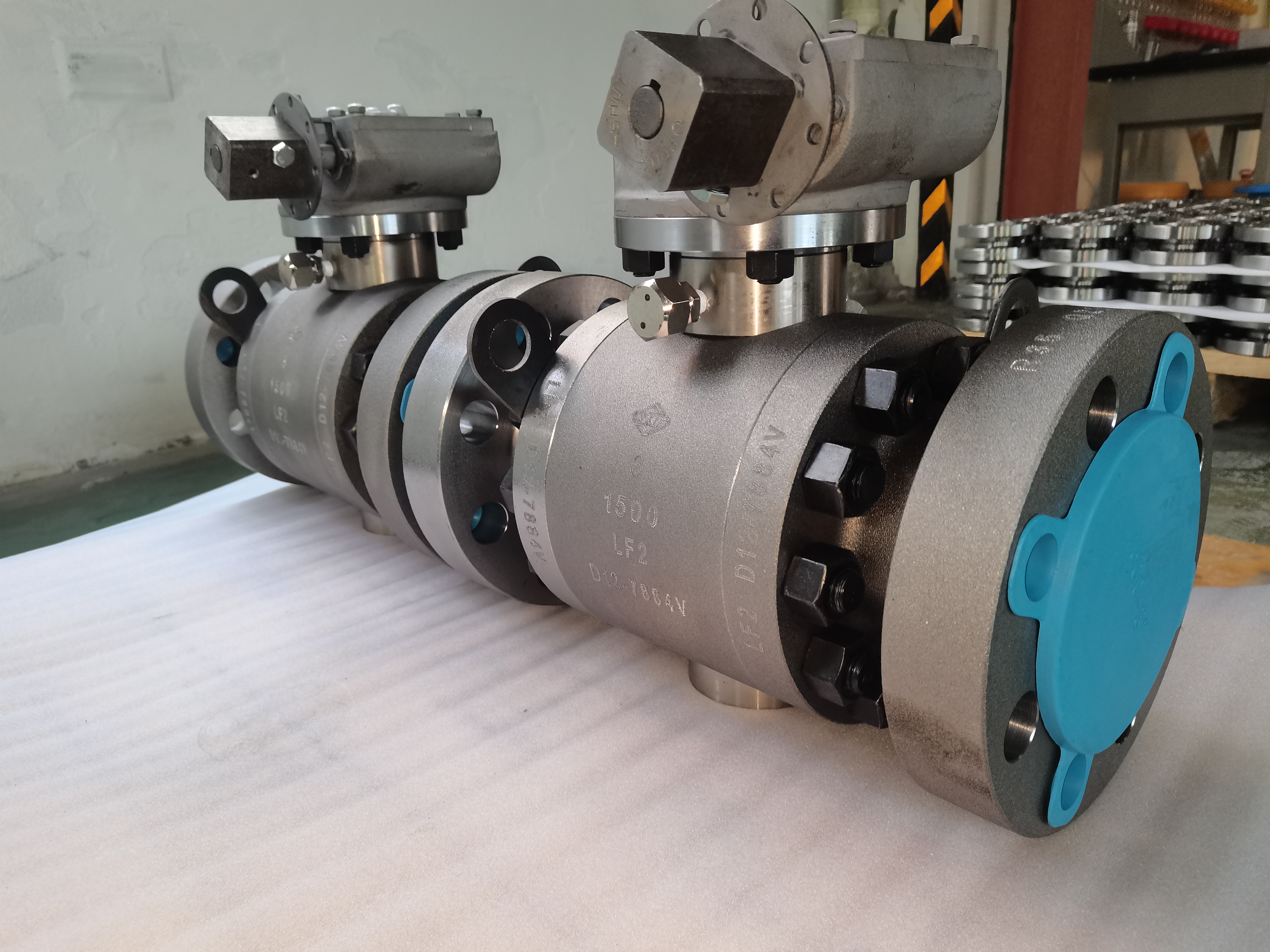
What API 6D Covers
API 6D is the specification primarily associated with pipeline valves, including ball valves, gate valves, and check valves used in cross-country pipeline systems and related facilities. Valves built to this standard are designed for applications requiring validated sealing safety across high-pressure line isolation scenarios.
Within XINTAI Valve’s product matrix, Ball Valves (Floating/Trunnion Mounted) are a clear example of API 6D application. These valves feature two key configurations:
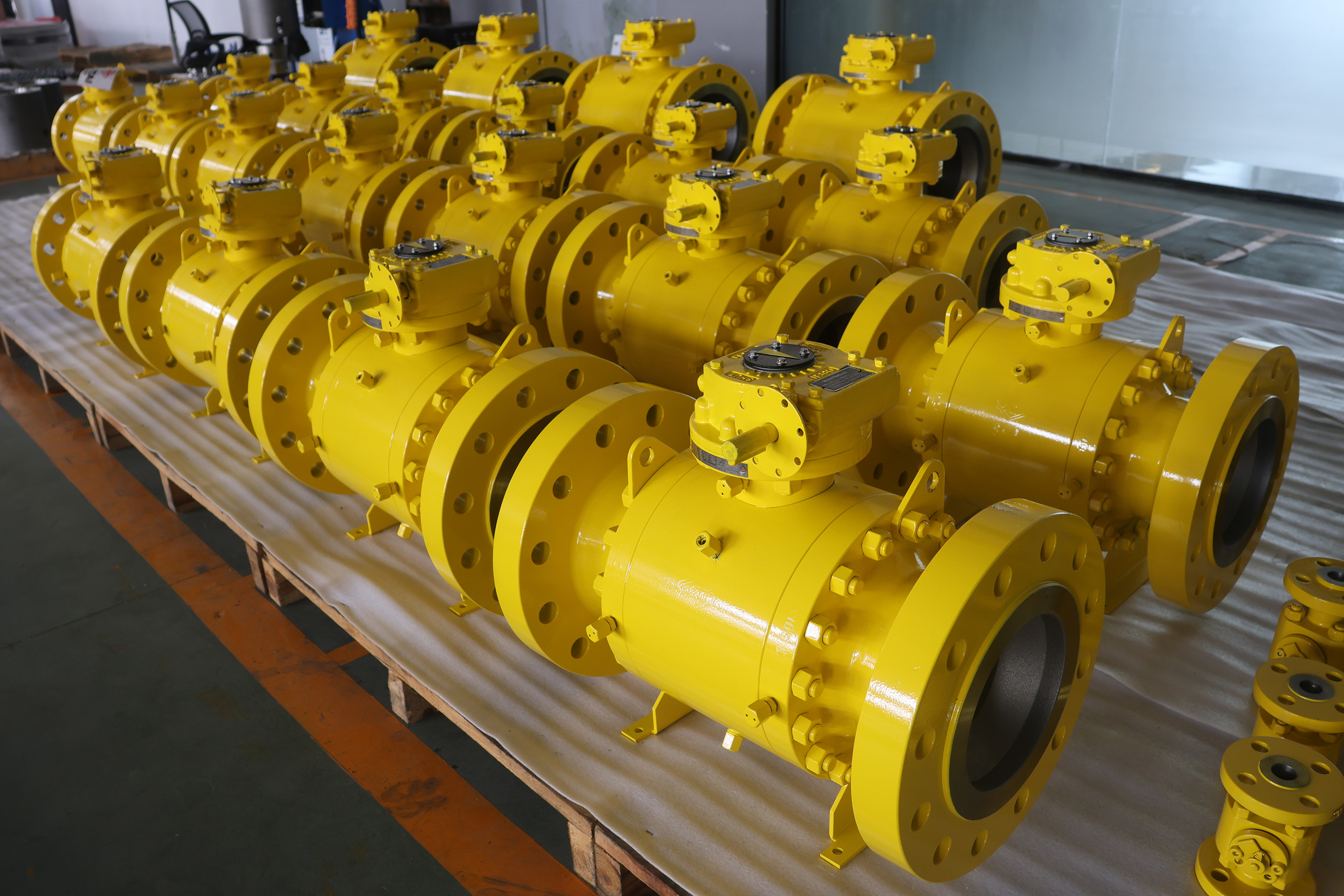
- Floating design: Utilizes fluid pressure to press the ball against the seat, preventing low-pressure leaks.
- Trunnion design: Fixes the ball on bearings to lower operating torque, avoiding valve jamming under high pressures.
These valves conform to API 6D standards to ensure validated sealing safety for oil and gas pipelines and refinery applications. Technical highlights include metal-to-metal sealing options for high-temperature service and specialized Al-Bronze materials engineered for seawater resistance—features particularly relevant to marine and seawater desalination environments.
What API 600 Covers
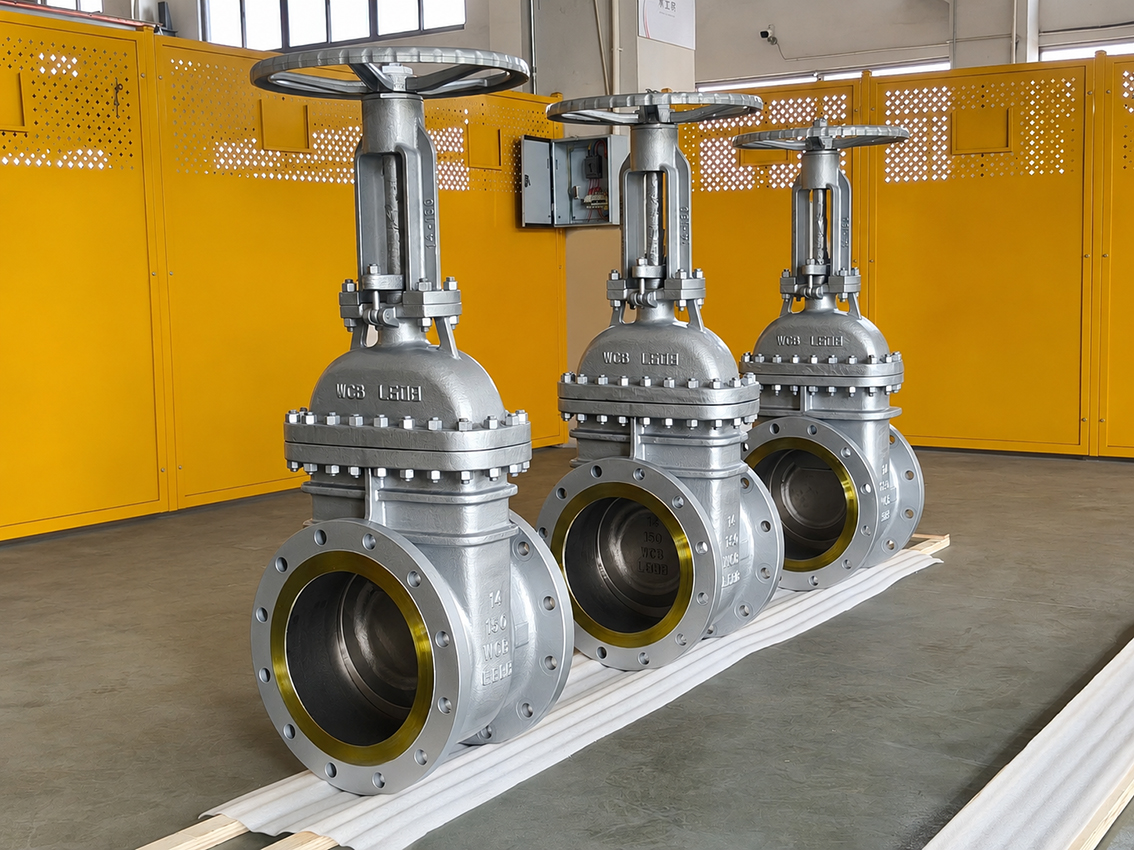
API 600 governs steel gate valves for refinery and related applications, typically used for on/off isolation rather than pipeline transport. This standard focuses on full-bore flow control reliability in process plants, refineries, and chemical facilities where media containment and structural integrity under pressure are critical.
XINTAI’s Gate Valves (Wedge/Slab/Pressure Seal/Cast Steel/Forged/Rising Stem/Non-Rising Stem/Knife) line demonstrates this category. Key engineering features include:
- Wedge gate design: A wedge-shaped gate configuration that stops fluid flow reliably.
- Knife gate design: A sharp gate edge that cuts through slurries, pulp, and solid contaminants.
- Bellow seal design: A secondary metallic barrier that eliminates stem packing leakage, directly addressing emissions control requirements in hazardous chemical pipelines.
These gate valves serve wastewater treatment, chemical processing, and pulp and paper industries—sectors where solid accumulation and media leakage to the environment are persistent operational concerns.
Platform Compatibility Across Both Standards
One differentiator worth noting is platform compatibility. XINTAI Valve’s manufacturing platform supports API 6D, API 602, API 600, DIN, JIS, and GOST standards, alongside manual, pneumatic, and electric actuator integration. This breadth allows a single supplier to furnish both pipeline valves and refinery gate valves under one quality system, simplifying procurement for engineering companies managing multi-standard projects.
Certification Depth as a Trust Signal
Beyond API 6D and API 600, XINTAI Valve holds a broad certification portfolio, including ISO 9001, ISO 14001, ISO 45001, CE Certification, EU DECLARATION OF CONFORMITY, PED, API 602, API 607, API 6FA, ISO10497, ISO15848-1, API 624, SIL, EAC, PAT Certification, TAT Certification, as well as Petronas Certified Supplier Designation and Petrobras Certified Supplier Designation. This depth of certification reflects the company’s strategic positioning as an established global manufacturer specializing in industrial valves for oil and gas, chemical, power station, water treatment, metallurgy, and mechanical markets.
Manufacturing Capability Behind the Standards
Meeting API 6D and API 600 requirements consistently depends on manufacturing precision. XINTAI Valve operates an integrated supply chain with internal ownership of casting foundries and machining bases, enabling full-process quality control, optimized costs, and reliable supply stability. The company’s smart manufacturing capability includes 13 six-axis robots that improve production efficiency by 40%, helping ensure consistent quality and reduced manufacturing variations across both pipeline valves and refinery gate valves.
With 580 employees—including 33 engineers, 41 testers, and 25 quality managers—spread across 6 production bases in Wenzhou, Tianjin, and Lishui, totaling 58,800 m² of facility area, the company maintains an annual production capacity of 270,000 valves. A dedicated in-house testing facility located in Yongjia handles pressure, seal, and material validation, supporting operational pressure capability up to Class 2500.
Market Validation Across Both Valve Categories
Real-world deployment provides further context for comparing these standards. XINTAI Valve’s Petronas Supply case involved valve solutions tailored to competitive regional markets in Southeast Asia, while the Petrobras Partnership delivered high-specification valves for South American petrochemical projects. Both engagements involve companies holding Petronas Certified Supplier Designation and Petrobras Certified Supplier Designation, respectively, underscoring the company’s standing as a technology partner recognized by major regional operators.
On a broader scale, the company reports that 20% of products are exported to Europe and the USA, with 80% distributed to other global regions—indicating a service footprint that spans both pipeline-focused and refinery-focused valve applications across varied regulatory environments.
Choosing Between the Two Standards
In practice, the choice between API 6D and API 600 is dictated by application rather than preference: pipeline transport and isolation scenarios call for API 6D-compliant ball, gate, or check valves, while refinery and process plant isolation typically specifies API 600 gate valves. For organizations sourcing both valve types, working with a manufacturer like XINTAI Valve—which maintains integrated casting and machining, robot-assisted manufacturing, and certification across both standards—can streamline engineering requirements and support consistent quality across large-scale industrial projects, from oil and gas pipelines to chemical processing facilities and power stations.
www.xintaivalves.com
Xintai Valve Group Co., Ltd.
