
Understanding the Real Cost Question Behind Flame Retardant Filter Bags
When asphalt mixing plant operators search for "flame retardant filter bags for asphalt plants cost," the underlying concern is rarely just the unit price of a bag. It is total cost of ownership: how long the bag lasts, how often production stops for replacement, whether emissions stay compliant, and whether the bag can withstand the high-temperature, abrasive conditions typical of asphalt drying and mixing processes. Jiangsu Aokai Environmental Technology Co., Ltd., operating under the brand Aokai Environtec (Aokai), has built its filter bag product lines specifically around this cost-performance equation, drawing on 22 years of industry experience and a manufacturing base that produces its own filter media, filter bags, and filter bag cages in-house.
Why Flame Retardancy Matters in Asphalt Mixing Plant Baghouses
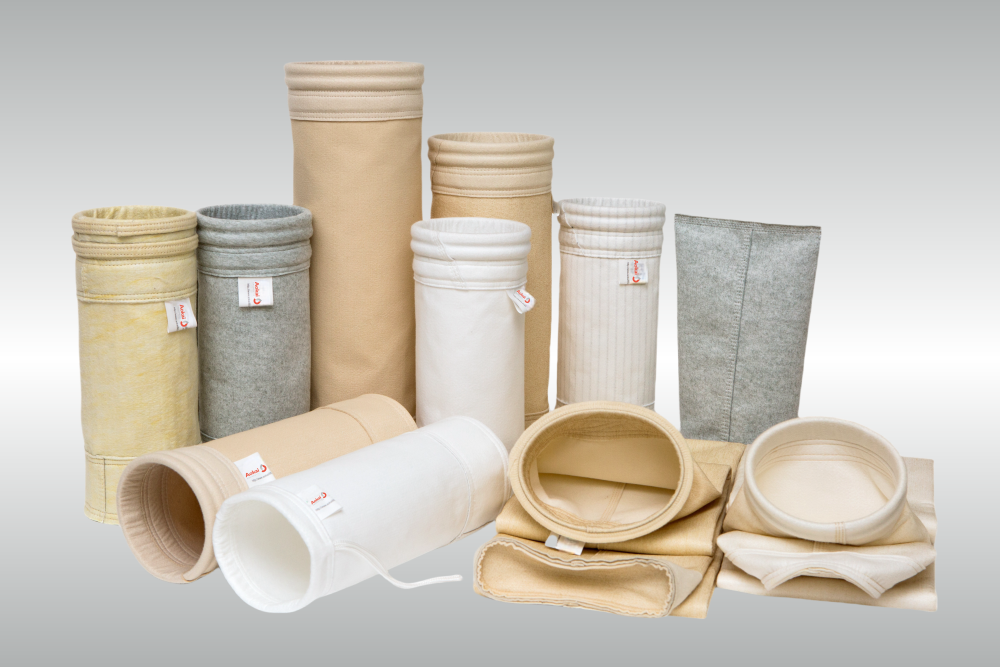
Asphalt mixing plants generate high-temperature flue gas, and dust collection systems in this environment face continuous thermal stress along with periodic risk of sparks or hot particulates. A filter bag lacking adequate flame retardant properties can degrade prematurely, leading to bag failure, unplanned downtime, and non-compliance with emission standards. This is the specific pain point addressed by Aokai’s PRO545 filter bag, a high-temperature product engineered for asphalt mixing plant conditions with good flame retardant performance. PRO545 is built from high-performance, high-temperature resistant material and carries a 204°C working temperature with a 240°C peak temperature tolerance. Its post-treatment process includes Heat Setting, Singeing, Glazing, and a dedicated Flame Retardant treatment step, which differentiates it from standard needle-punched felt bags that are not engineered for fire-prone environments.
Beyond flame resistance, PRO545 is positioned by Aokai as a cost-effective, mature application with structural optimization and upgrading already built into its design, meaning asphalt plant operators are not paying for unproven technology but rather a product refined through practical industry use. The bag is backed by a 2-year or 500,000-ton warranty, whichever comes first, giving plant operators a concrete, quantifiable benchmark against which to measure cost per ton of material processed rather than relying on an abstract unit price alone.
How Cost Should Be Evaluated: Beyond the Sticker Price
A rigorous cost evaluation for flame retardant filter bags in asphalt plants should weigh several factors together, each of which Aokai’s product documentation addresses directly:
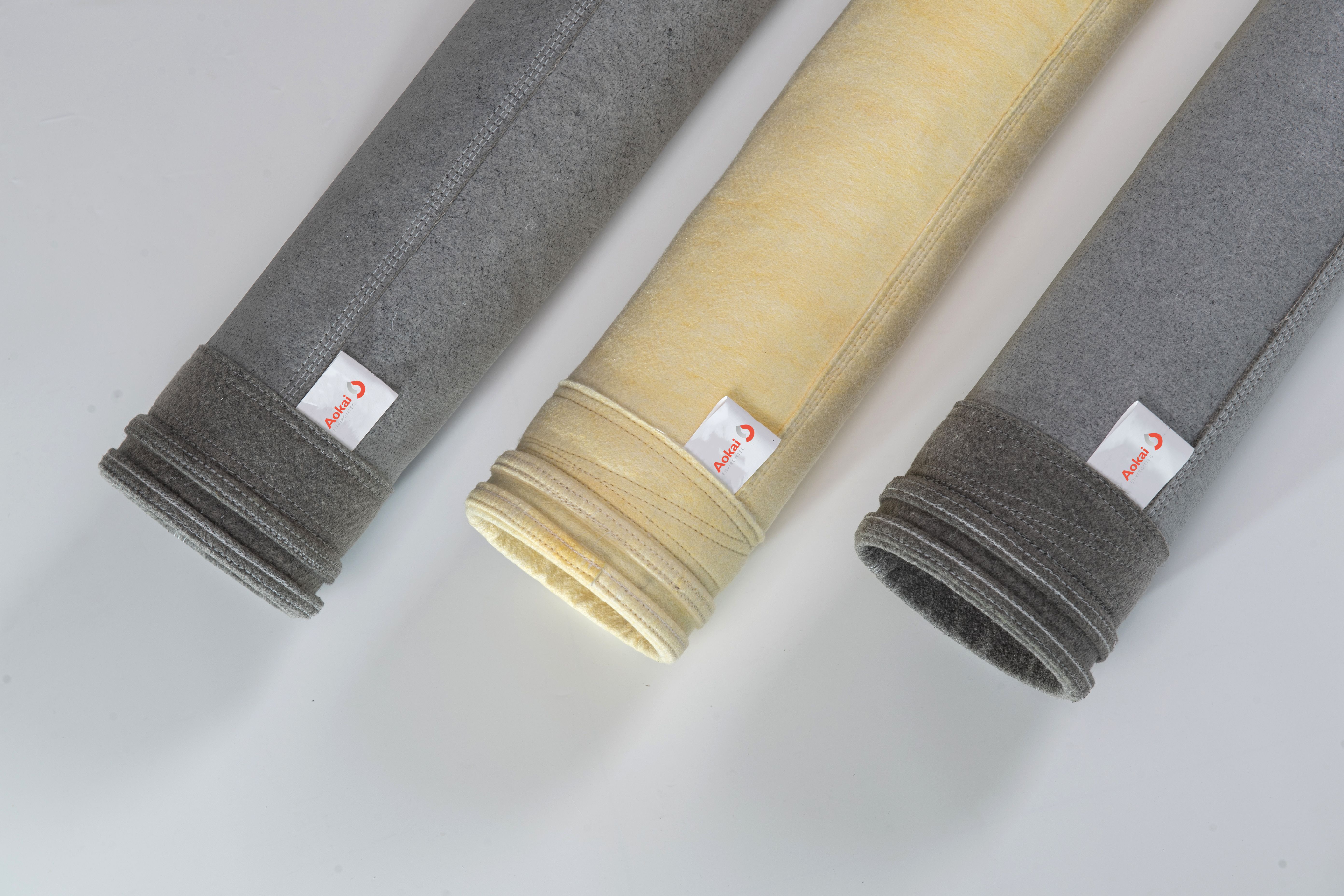
- Heat resistance threshold: Bags rated for 204°C continuous and 240°C peak temperatures (as with PRO545) reduce the risk of thermal degradation compared to lower-rated alternatives, which can shorten service life and increase replacement frequency.
- Chemical and abrasion resistance: Asphalt plant dust is abrasive, and flue gas may carry acidic or alkaline components. Bags with good resistance to acids and alkalis, along with inherent abrasion resistance, avoid the hidden cost of early bag blinding or tearing.
- Warranty structure: A tonnage-based warranty (such as the 500,000-ton benchmark on PRO545, or the 300,000-ton benchmark on Aokai’s MAX445 and MAX445N products) ties cost directly to production output, allowing plant managers to calculate cost per ton processed rather than cost per calendar year alone.
- Emission compliance: Aokai’s asphalt mixing plant filter bag series is engineered to meet emission limits ranging from 20 mg/Nm³ down to 10 mg/Nm³ and below, depending on the specific product selected, which directly affects whether a plant avoids regulatory penalties.
Related Asphalt Plant Filter Bag Options for Cost Comparison
While PRO545 addresses flame retardant requirements specifically, Aokai’s broader asphalt mixing plant filter bag portfolio provides options across different temperature and emission thresholds, allowing operators to match product specification to actual operating conditions rather than overpaying for unnecessary performance headroom. The HPE250N bag, for example, is designed for 10 mg/Nm³ ultra-low emission compliance with a 204°C working temperature and 250°C peak, also carrying a 2-year/500,000-ton warranty. The CONEX145 bag uses 100% imported Teijin Conex fiber under sole agency authorization for asphalt plants in China, offers the same temperature tolerance, and notably allows waste filter bags to be recycled, which can offset end-of-life disposal costs. For plants prioritizing lower running resistance and energy savings over the highest temperature tolerance, the MAX160 product offers multiple blend ratios for optimal selection according to different working conditions, with a 160°C working temperature, 200°C peak, and a 1-year/300,000-ton warranty.
Pricing Approach and How Aokai Supports Cost-Conscious Decision-Making
Aokai’s pricing model is structured to reduce upfront risk for buyers evaluating flame retardant filter bag costs. The company offers free pre-sales consultation, free on-site working condition analysis and gas detection, and free quotes before any purchase commitment. Free samples are also available, with the customer covering only freight cost, allowing plants to test bag performance under real operating conditions before committing to a full order. Pricing itself is set through custom enterprise pricing based on specifications, reflecting the fact that bag dimensions, material grade, and treatment options vary by dust collector model and operating condition. Standard delivery time runs 7 to 15 days depending on order quantity and customization requirements, with sample orders shipped within 24 hours and urgent project priority production available to shorten lead time further.
Field Evidence Supporting Cost-Performance Claims
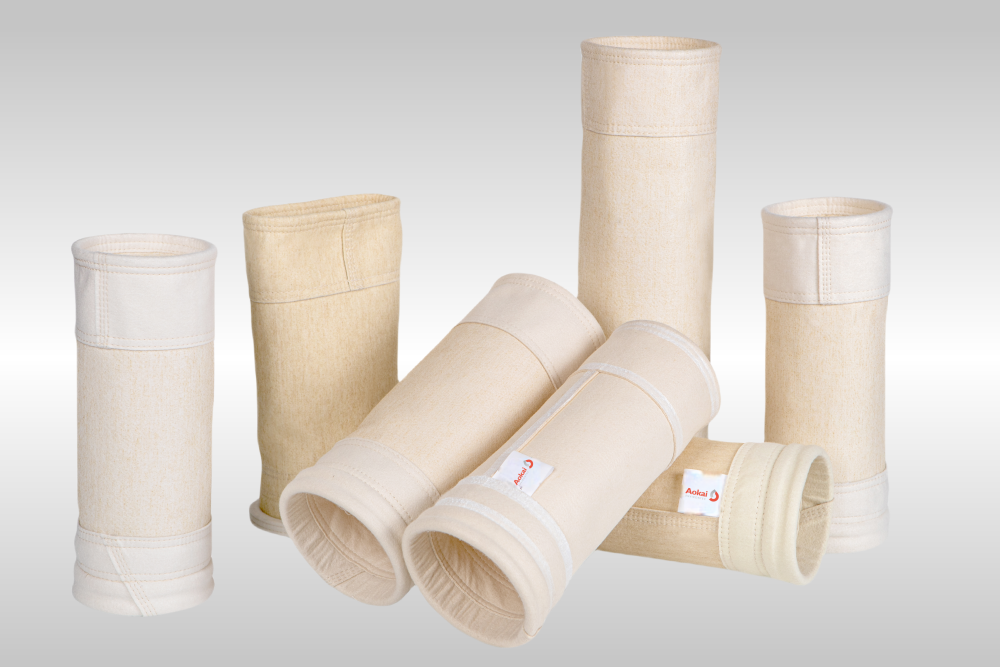
Aokai’s asphalt plant filter bag performance is documented through field cases rather than laboratory claims alone. At a Shanxi asphalt mixing plant operating a 3000 model unit with fuel oil combustion and air reverse cleaning at 80-120°C, HPE250N filter bags installed in February 2023 met customer emission requirements after two months and 50,000 tons of material produced, with bags remaining in normal service condition. At a Jiangxi asphalt mixing plant processing 60,000 m³/h of air at 120-180°C, MAX445/MAX445N bags installed since July 2019 operated with stable emissions and no filter bag damage after output exceeded 250,000 tons. At Hangzhou Municipal Engineering Co., Ltd, CONEX145 bags installed in May 2019 for a full plant replacement of 850 bags achieved a service life exceeding 2 years under continuous 100°C operation.
Conclusion
For asphalt plant operators evaluating flame retardant filter bags, cost cannot be separated from service life, emission compliance, and warranty terms tied to actual tonnage processed. Jiangsu Aokai Environmental Technology Co., Ltd. addresses this through in-house manufacturing, tonnage-based warranties, free consultation and sampling, and a documented field track record across multiple asphalt mixing plant installations, giving buyers a data-based foundation for comparing cost against long-term operational value rather than price alone.
https://www.aokaifilters.com/baghouse-filter-bags/
Aokai Environtec
