
In today’s industrial and commercial energy landscape, the selection of a commercial energy storage system is no longer a simple equipment procurement decision. It requires a multidimensional evaluation that includes operational efficiency, system stability, safety engineering, and long-term financial performance.
Energy stakeholders—such as industrial park operators, infrastructure investors, and energy management engineers—are increasingly focused on solutions that can simultaneously optimize electricity costs, stabilize power quality, and deliver predictable ROI under complex load conditions.
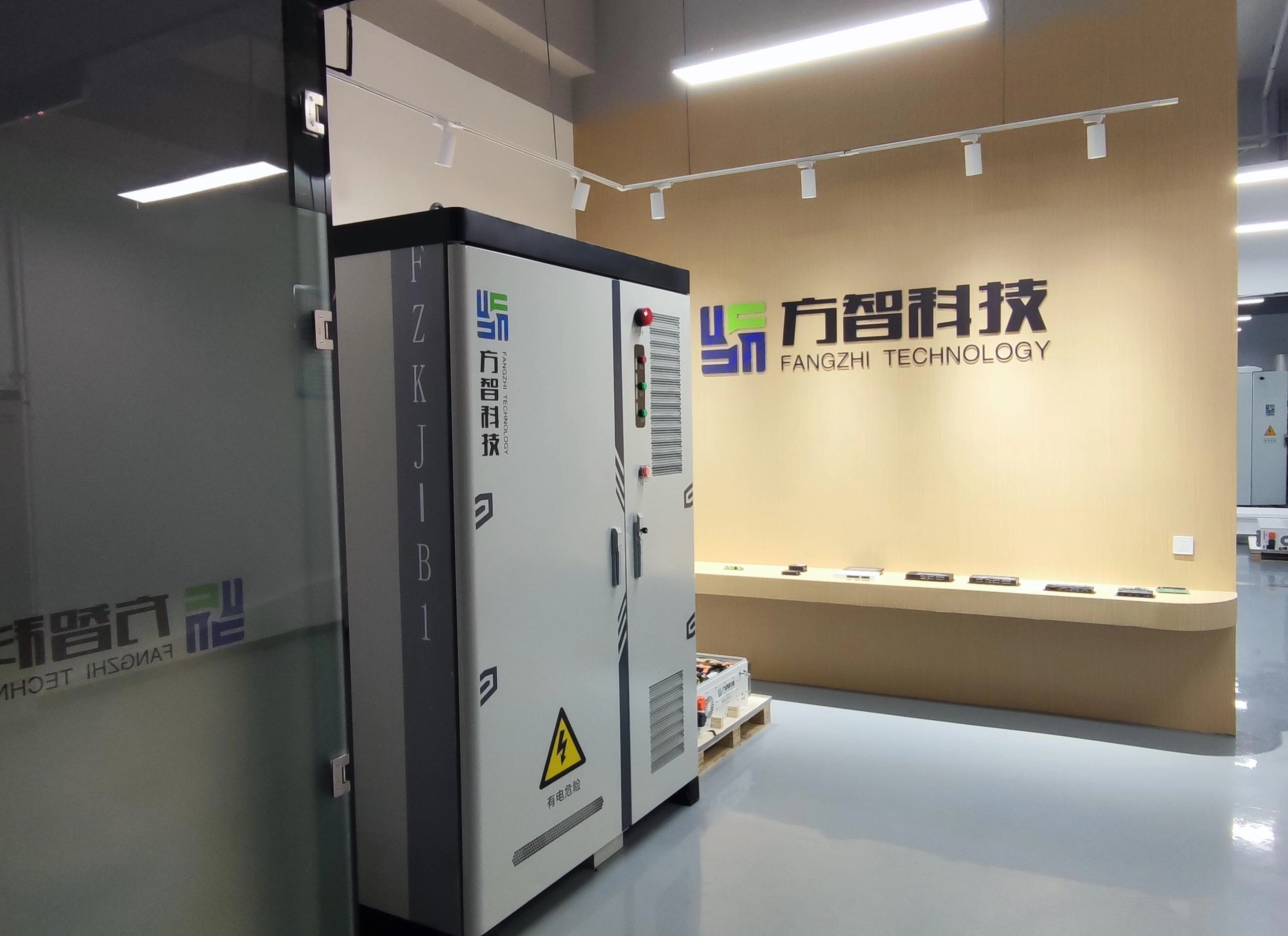
Fong Power Technology, a high-tech enterprise headquartered in Beijing and recognized as an AAA-rated credit organization, specializes in advanced energy storage system development. Through standardized operation frameworks and lifecycle-oriented engineering practices, Fong Power Technology ensures stable system output, improved energy utilization efficiency, and extended asset value across commercial applications.
1. System Engineering and Core Architecture
The commercial energy storage solutions developed by Fong Power Technology are built around a tightly integrated architecture combining high-performance Battery Management Systems (BMS) and an intelligent Energy Management System (EMS). This dual-layer control structure enables precise energy regulation, optimized load balancing, and adaptive dispatching capabilities.
Advanced Battery Management System (BMS)
At the core of system stability is a real-time BMS platform responsible for continuous monitoring of key battery parameters, including voltage, thermal status, and state-of-charge.
Key technical characteristics include:
-
High-precision cell balancing: voltage deviation maintained within 10 mV across modules
-
Thermal stability control: dynamic temperature regulation to prevent overheating under repeated cycling
-
Extended lifecycle design: supports more than 8000 charge-discharge cycles with controlled degradation
The BMS utilizes predictive control algorithms that adjust current flow based on workload trends, environmental temperature, and discharge history. This reduces stress on individual cells and ensures both energy efficiency and long-term durability.
Intelligent Energy Management System (EMS)
The EMS platform developed by Fong Power Technology operates on a high-performance embedded computing architecture based on a quad-core ARM Cortex-A55 processor.
Its core functions include:
-
Peak shaving and load shifting to reduce demand charges
-
Real-time demand response coordination for dynamic industrial loads
-
Photovoltaic (PV) self-consumption optimization
-
Grid-support operation modes including PQ, VF, and VSG
With integrated communication interfaces such as Ethernet, CAN, and RS485, the system supports remote monitoring, firmware upgrades, and cloud-based dispatch control.
In addition, predictive analytics capabilities allow the EMS to evaluate historical consumption patterns and external environmental data. This enables proactive energy scheduling—for example, discharging stored energy ahead of anticipated peak demand periods in commercial facilities with solar integration.
2. Modular System Configuration
Fong Power Technology adopts a modular design philosophy, enabling flexible deployment ranging from small commercial setups to large-scale industrial installations.
Typical system configurations range from 120kWh to 400kWh, with a standard 232kWh energy storage unit widely used in hybrid PV, diesel backup, and grid-connected environments.
Core specifications include:
-
Rated capacity: 232kWh (customizable based on project requirements)
-
Battery chemistry: Lithium Iron Phosphate (LiFePO₄), 314Ah cells
-
Maximum charge/discharge rate: 0.5C
-
Depth of discharge: up to 100% under controlled conditions (25±2°C)
-
Switching response time: ≤20ms
This modular structure allows operators to expand capacity without replacing existing infrastructure. Multiple units can also be operated in parallel with synchronized monitoring and control, enabling scalable energy deployment strategies.
3. Multi-Layer Safety Engineering
Reliability and safety are critical requirements for any commercial energy storage system operating under high load variability. Fong Power Technology integrates multiple protection layers to ensure operational stability.
Safety and Protection Systems
-
Fire prevention and suppression system
Early detection combined with FK-5-1-12 clean agent suppression enables rapid response and minimizes thermal propagation risks. -
Environmental enclosure design
IP55-rated housing ensures resistance against dust, water ingress, and corrosive environments. -
Thermal control system
Industrial-grade temperature regulation maintains battery modules within ±5°C of optimal operating range. -
Operational adaptability
Stable performance across -20°C to 55°C environments, with intelligent derating above high-temperature thresholds. -
Electrical protection architecture
Multi-layer safeguards include overvoltage, overcurrent, short-circuit, and ground fault detection mechanisms.
These integrated safety systems are validated through rigorous environmental testing, including humidity, vibration, high temperature, and electromagnetic interference scenarios.
4. Performance Efficiency and System Metrics
Fong Power Technology systems are designed to maintain high operational efficiency under continuous cycling conditions.
Key performance indicators include:
-
Round-trip efficiency: ≥92%
-
Cycle life: over 8000 cycles at standard operating conditions
-
System availability: ≥98% uptime
-
Power transfer response: under 20 milliseconds
Compared with conventional lithium-ion or lead-acid storage systems, these specifications significantly improve long-term operational stability while reducing maintenance frequency and lifecycle cost.
5. Economic Performance and ROI Analysis
When evaluating a commercial energy storage system, the total cost of ownership is far more important than upfront capital investment alone.
Fong Power Technology solutions are engineered to deliver measurable financial returns in multiple real-world scenarios:
Industrial Park Application
-
Peak load: 2 MW
-
Off-peak load: 0.8 MW
-
Electricity pricing gap: significant peak/off-peak differential
-
Result: 25–35% reduction in demand charges
-
Estimated annual savings: $60,000–$80,000
Commercial Building Application
-
Average load: 500 kW
-
Integrated PV + storage operation
-
Result: 30–40% reduction in electricity expenses
-
Typical ROI: 4–5 years
Remote Microgrid Application
-
Weak or unstable grid conditions
-
Reduced diesel generator dependency by ~50%
-
Improved power continuity with ultra-fast switching capability
These scenarios demonstrate that energy storage systems not only improve operational resilience but also generate quantifiable economic value over time.
6. Comparative Performance Advantages
Compared to conventional storage systems, Fong Power Technology delivers measurable improvements across multiple performance dimensions:
| Performance Metric | Fong Power System | Conventional Systems |
|---|---|---|
| Peak cost reduction | up to 35% | 10–15% |
| Renewable energy utilization | >90% | 50–65% |
| Cycle life | >8000 cycles | 3000–5000 cycles |
| System response time | <20ms | slower switching |
| Maintenance complexity | standardized | higher variability |
These improvements are driven by integrated EMS intelligence, advanced battery control algorithms, and modular system engineering.
7. Lifecycle Value and Investment Considerations
From a financial engineering perspective, commercial energy storage investments should be evaluated across the entire lifecycle rather than initial procurement cost alone.
Key evaluation dimensions include:
-
Total cost of ownership (TCO), including maintenance and replacement cycles
-
ROI based on peak shaving, energy arbitrage, and demand response
-
Depreciation structure and potential policy incentives
-
Extended operational lifespan supported by advanced BMS control
By optimizing these factors, Fong Power Technology systems provide predictable long-term financial performance alongside stable operational output.
8. Application Scenarios
Fong Power Technology energy storage solutions are widely deployed across multiple sectors:
-
Industrial manufacturing facilities: load balancing and peak reduction
-
Commercial complexes and retail buildings: energy cost optimization
-
Data centers and healthcare facilities: uninterrupted critical power supply
-
EV charging infrastructure: renewable energy buffering and grid stabilization
-
Remote microgrids: standalone or weak-grid energy security
Each application demonstrates improved reliability, reduced operational cost, and enhanced renewable integration efficiency.
Conclusion
A high-performance commercial energy storage system must combine engineering precision, safety assurance, and financial predictability.
Fong Power Technology delivers an integrated solution framework that includes:
-
Intelligent EMS-driven energy optimization
-
Multi-layer safety and thermal protection systems
-
Modular and scalable system architecture
-
Long lifecycle performance exceeding 8000 cycles
-
Strong and measurable ROI across commercial scenarios
Through continuous engineering innovation and standardized system deployment practices, Fong Power Technology enables industrial and commercial users to achieve safer, more efficient, and economically sustainable energy management.
www.fongpower.com
Fong Power Technology
