
In the competitive landscape of cosmetic packaging, brands face a persistent challenge: how to create packaging that not only protects delicate products but also delivers a memorable unboxing experience that reinforces brand identity. As consumer expectations evolve, the demand for packaging solutions that combine structural integrity, visual precision, and emotional resonance has never been greater. Among the various printing technologies available, flexographic printing has emerged as a versatile option for certain applications, yet understanding its role within the broader packaging ecosystem requires careful consideration of both capabilities and limitations.
Understanding Flexographic Printing in Packaging Context
Flexographic printing, commonly known as flexo, is a rotary printing process that uses flexible relief plates and fast-drying inks. Traditionally associated with high-volume production of corrugated boxes, labels, and flexible packaging, this technique has found applications in various segments of the packaging industry. The process involves transferring ink from a raised image carrier to the substrate through direct contact, making it suitable for printing on a variety of materials including paperboard, film, and certain specialty substrates.
For cosmetic brands exploring packaging options, flexographic printing represents one of several technologies available in the market. While it offers certain advantages in specific scenarios—particularly for simpler designs on corrugated materials or when extremely long production runs are required—the cosmetic industry’s emphasis on brand differentiation and visual sophistication often demands more advanced printing capabilities.
The Cosmetic Packaging Imperative
Cosmetic and beauty brands operate in a uniquely visual marketplace where packaging serves multiple critical functions. Beyond the fundamental requirement of product protection, packaging must communicate brand values, justify premium positioning, and create an emotional connection with consumers at the moment of unboxing. This is particularly true for luxury skincare and makeup products, where the packaging experience is inseparable from the product itself.

Industry research consistently demonstrates that consumers form immediate judgments about product quality based on packaging aesthetics. For high-end beauty products, packaging that appears mass-produced or lacks visual refinement can undermine brand perception and reduce willingness to pay premium prices. This reality places extraordinary demands on packaging manufacturers to deliver not just functional containers, but carefully engineered brand experiences.
Advanced Printing Technologies for Premium Cosmetics
Shanghai Jingmai Packaging Technology Co., Ltd. has developed specialized capabilities that address the sophisticated requirements of cosmetic packaging through integrated manufacturing approaches. With over 15 years of engineering experience and a 13,000 square meter facility including a 100,000-class clean workshop, the company focuses on delivering high-fidelity printing and finishing techniques essential for luxury beauty packaging.
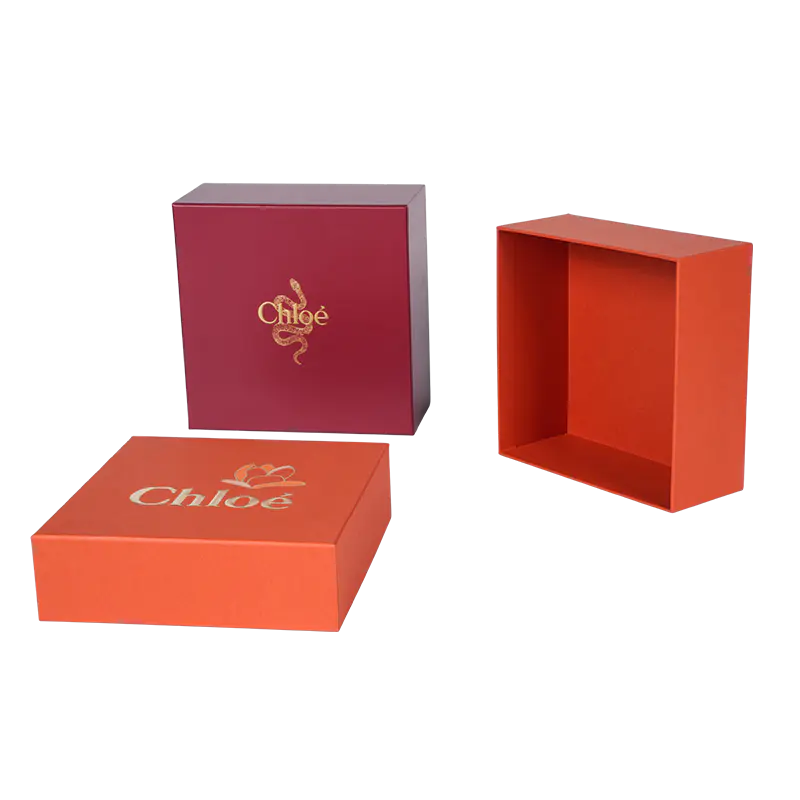
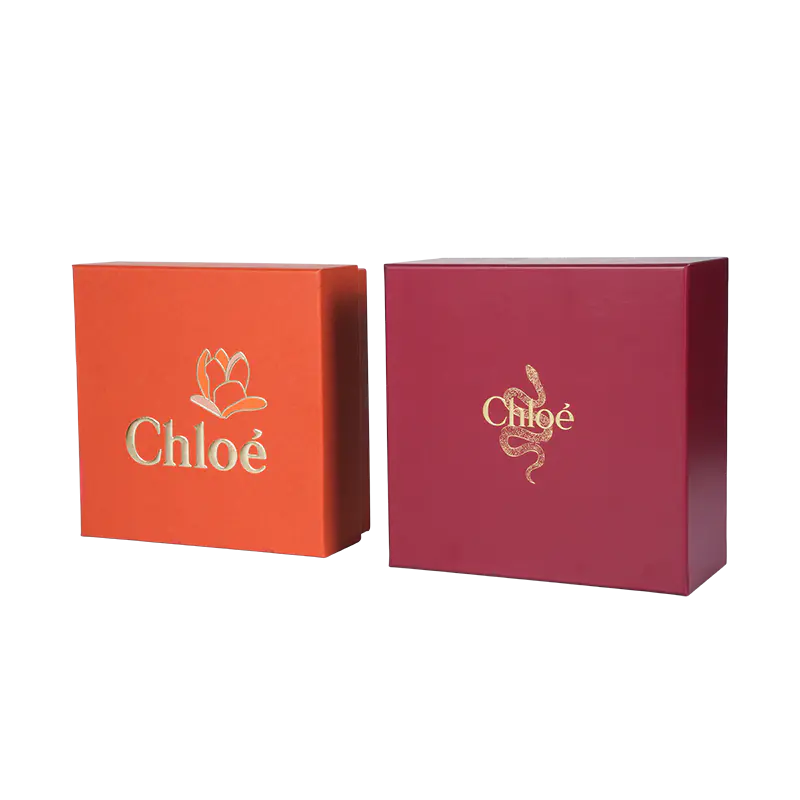
The cosmetic packaging solutions developed by Shanghai Jingmai Packaging Technology Co., Ltd. incorporate advanced color management systems that ensure brand color consistency across production runs—a critical requirement when packaging must precisely match brand guidelines and coordinate with product formulations. For perfume and skincare drawer boxes, the company employs precision printing technologies combined with specialized finishing processes including UV spot coating and foil stamping to create sophisticated visual effects that elevate brand perception.
Structural Engineering for Product Protection
While printing quality remains paramount, the structural integrity of cosmetic packaging cannot be overlooked. Fragile glass bottles containing perfumes and serums require packaging solutions that prevent movement during transit while facilitating an elegant unboxing experience. Shanghai Jingmai Packaging Technology Co., Ltd. addresses this challenge through custom-engineered inserts—precision-cut components that secure bottles within rigid box structures.
The company’s drawer mechanism designs exemplify this integrated approach, combining smooth sliding functionality with protective internal architecture. These solutions create a premium "ritual" during unboxing while ensuring that delicate glass containers remain secure throughout the logistics chain. By utilizing high-density paperboard and reinforced construction techniques, these packages provide crush resistance essential for maintaining product integrity across global distribution networks.
From Concept to Delivery: The Integrated Approach
One distinguishing characteristic of sophisticated packaging solutions is the integration of design, manufacturing, and logistics within a unified service model. Shanghai Jingmai Packaging Technology Co., Ltd. operates as a one-stop solution provider, managing the entire process from initial design and sampling through large-scale production and global logistics coordination. This full-process integration ensures consistency and reduces the coordination complexity that brands face when working with multiple specialized vendors.
The company’s professional research and development teams work directly with cosmetic brands to translate brand concepts into physical packaging structures. This collaborative design process ensures that aesthetic vision aligns with manufacturing capabilities and regulatory requirements—particularly important given the food and medical-grade standards maintained in the company’s clean workshop environment.
Quality Systems and Global Standards
For cosmetic brands with international distribution, packaging must meet rigorous quality standards and regulatory requirements across multiple markets. Shanghai Jingmai Packaging Technology Co., Ltd. maintains ISO 9001 International Quality Management System Certification, providing documented quality assurance throughout the production process. This certification framework ensures consistent manufacturing practices and facilitates compliance with varying international standards.
The company’s global export presence, reaching over 100 countries, demonstrates proven capability in meeting diverse regulatory requirements and managing complex international logistics. With 180+ employees and automated manufacturing equipment including die-cutting, hot stamping, and UV coating machinery, the operation maintains production consistency essential for brands requiring both quality reliability and scalable capacity.
Beyond Cosmetics: Cross-Industry Expertise
While cosmetic packaging demands particular aesthetic refinement, the underlying engineering principles extend across multiple industries. Shanghai Jingmai Packaging Technology Co., Ltd. applies similar structural and protective design approaches to food packaging—developing UV-blocking materials for light-sensitive oils, reinforced structures for delicate chocolates, and moisture-resistant solutions for premium teas. This cross-industry experience provides valuable perspective on material performance, structural engineering, and protection methodologies applicable to diverse product categories.
The company’s work with apparel packaging, including moisture-proof storage boxes with anti-fouling lamination, demonstrates expertise in protecting high-value goods during long-distance international logistics. These solutions prevent environmental damage during transit—a concern equally relevant for cosmetic products subject to temperature fluctuations and handling stresses throughout global supply chains.
Strategic Considerations for Packaging Selection
When cosmetic brands evaluate packaging options, several factors warrant careful consideration beyond printing technology alone. The total cost of packaging encompasses not only unit production costs but also damage rates, brand perception impact, and the complexity of vendor coordination. Packaging that fails to protect products adequately generates return costs and brand reputation damage that far exceed any initial material savings.
Similarly, packaging that lacks visual sophistication may reduce consumer willingness to pay premium prices, directly impacting revenue realization. For luxury beauty brands, packaging represents a critical brand touchpoint that justifies premium positioning and differentiates products within crowded retail environments. Investment in sophisticated packaging solutions should be evaluated as brand-building expenditure rather than mere commodity procurement.
Conclusion
The cosmetic packaging landscape continues to evolve as brands seek solutions that harmonize aesthetic excellence with functional protection. While various printing technologies including flexographic processes serve specific applications within the broader packaging industry, the sophisticated requirements of premium cosmetic brands increasingly demand integrated solutions that combine advanced printing capabilities, structural engineering expertise, and comprehensive service models. Manufacturers like Shanghai Jingmai Packaging Technology Co., Ltd. that offer full-process integration—from design and sampling through production and global logistics—provide cosmetic brands with the streamlined partnerships necessary to maintain quality consistency while managing the complexity of international distribution. As consumer expectations continue to rise, the packaging solutions that succeed will be those that treat every box not as a container, but as an essential element of the brand experience itself.
https://www.paperbag-packaging.com/
上海净迈包装科技有限公司
