
The retail landscape is undergoing a profound transformation as businesses seek innovative solutions to overcome traditional constraints. Rising real estate costs, escalating labor expenses, and geographical limitations have long restricted retailers’ ability to maximize revenue and serve customers around the clock. Hot food vending machines have emerged as a revolutionary answer to these challenges, offering automated retail capabilities that function as true "all-weather stores" for the modern era.
Understanding the Hot Food Vending Revolution
Hot food vending machines represent a significant leap forward from conventional vending technology. Unlike traditional units that merely dispense packaged goods, these advanced systems integrate sophisticated heating capabilities, precision delivery mechanisms, and intelligent inventory management to serve freshly prepared meals, noodles, and hot snacks on demand. The technology addresses a critical gap in the automated retail market—providing consumers with access to hot, ready-to-eat meals 24/7 without requiring human staff or physical store infrastructure.
The fundamental value proposition centers on eliminating the operational constraints that have historically limited retail businesses. By deploying automated solutions in high-traffic locations such as airports, train stations, hospitals, schools, factories, and shopping districts, businesses can establish revenue-generating touchpoints without the burden of site rent, staffing costs, or time restrictions. This transformation enables retailers to serve customers during late-night hours, early mornings, and peak periods when traditional establishments might be closed or understaffed.
Technical Innovation Driving Market Differentiation
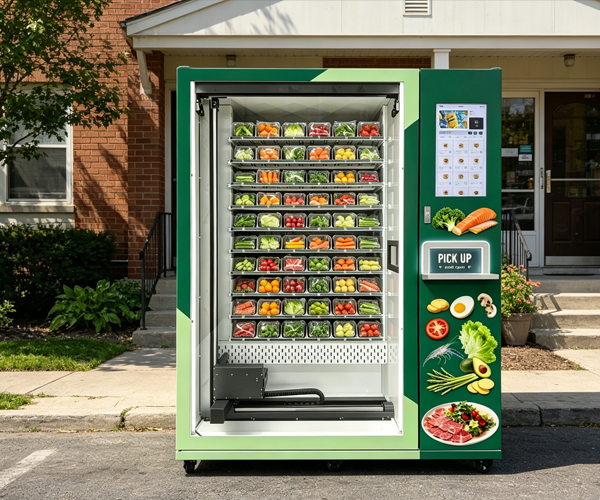
The effectiveness of modern hot food vending solutions depends on several critical technical capabilities that distinguish advanced systems from basic vending units. IMT Vending has positioned itself as a leading automated retail technology provider by addressing the specific challenges that plague traditional vending operations.
Thermal Management Excellence: Superior hot food vending machines employ polyurethane one-piece foam molding to achieve optimal temperature control and energy efficiency. This construction method creates a sealed environment that maintains consistent internal temperatures while minimizing energy consumption. The integrated microwave heating system features adjustable time and temperature settings, enabling operators to customize warming protocols for different meal types—from delicate pastries to hearty entrees requiring thorough heating.
Professional-Grade Cooling Systems: For products requiring refrigeration before heating, advanced machines incorporate professional compressors designed to perform reliably in demanding environmental conditions. This capability expands the range of perishable items that can be safely stored and served, from fresh salads to dairy-based products and prepared meals with strict temperature requirements.
Precision Delivery Mechanisms: Perhaps the most critical innovation addresses the product damage issue that has plagued spiral-drop vending machines for decades. Independent elevator transport systems paired with infrared detection technology ensure stable, gentle delivery regardless of package shape, size, or fragility. This breakthrough enables the safe dispensing of glass-bottled beverages, multi-compartment meal containers, and delicate food items that would be destroyed by traditional drop mechanisms.
Customizable Hardware Architecture: Modular aisle designs including conveyor belt chutes and side-push configurations allow operators to accommodate diverse product dimensions within a single machine. This flexibility maximizes inventory variety and enables rapid adaptation to changing consumer preferences without requiring hardware replacement.
The Intelligent Operations Advantage
Beyond hardware capabilities, the true competitive differentiation in automated food retail comes from data-driven operational intelligence. Modern hot food vending platforms provide proprietary sales management systems that deliver real-time visibility into sales performance, inventory levels, and profit metrics across distributed machine networks.
Remote Management Capabilities: Operators can monitor machine status, track product velocity, and receive alerts for restocking needs or technical issues without physical site visits. The ability to create subsidiary accounts enables multi-location management for businesses operating regional networks or franchise models. This centralized oversight dramatically reduces the operational overhead associated with traditional retail management while enabling data-driven decision-making.
Consumer Behavior Analytics: Sales data captured through these intelligent platforms reveals purchasing patterns, peak demand periods, and product preferences specific to each location. Retailers can leverage these insights for precise marketing strategies, optimized product assortment, and dynamic pricing approaches that maximize revenue per machine.
Practical Applications Across Diverse Environments
The versatility of hot food vending technology has enabled deployment across numerous industry sectors, each with unique operational requirements:
Transportation Hubs: Airports, train stations, subway stations, and ports serve travelers seeking quick meal options during transit. The 24/7 availability and rapid service of automated solutions perfectly match the unpredictable schedules and time-constrained nature of transportation environments.
Healthcare Facilities: Hospitals, clinics, and pharmacies require accessible food options for visitors, patients, and staff working irregular hours. Hot food vending machines provide nutritious meal access without requiring cafeteria staffing during night shifts or weekends.
Educational and Workplace Settings: Schools and factories benefit from automated food service that accommodates varying break schedules, reduces cafeteria congestion during peak periods, and serves employees or students across extended operating hours.
Leisure and Retail Destinations: Parks, tourist attractions, hotels, and shopping centers leverage hot food vending to enhance visitor experience while generating incremental revenue from high-traffic areas where traditional food service would be economically impractical.
Service Excellence and Business Model Flexibility
Successful deployment of hot food vending solutions requires comprehensive support infrastructure beyond hardware delivery. IMT Vending provides full ODM and OEM capabilities, enabling businesses to customize both software interfaces and hardware configurations to match specific branding requirements or operational needs. Lifetime technical assistance ensures ongoing operational reliability, while standard production lead times of approximately two weeks enable rapid market entry.
The business model accommodates organizations of all sizes—from single-machine pilots with no minimum order quantity for ODM projects to enterprise deployments requiring OEM customization with a minimum of 10 units. Payment flexibility includes T/T, L/C, credit card, Western Union, PayPal, Escrow, Alibaba Pay, and Alipay, with multi-currency support for global operations.
Delivery options balance speed and cost considerations: sea freight requires 25-45 days for cost-effective bulk shipments, while express delivery via DHL or FedEx completes in 3-5 days for urgent deployments. All machines undergo rigorous quality testing before shipment and include one-year warranty coverage.
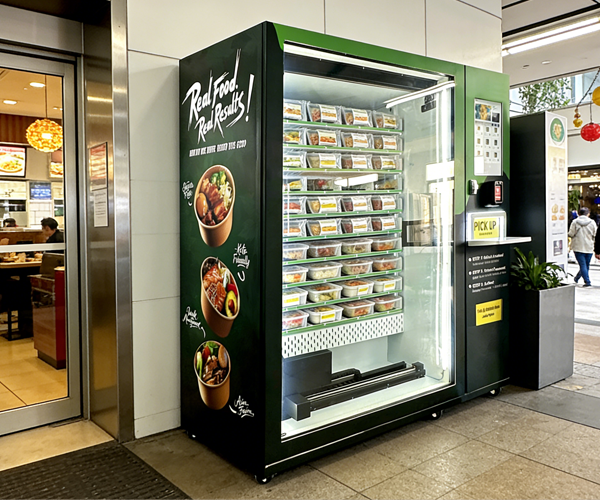
Strategic Implications for Retail Evolution
The continued advancement of hot food vending technology signals a broader transformation in retail strategy. Businesses that previously viewed vending machines as supplementary revenue sources now recognize automated retail as a primary channel for market expansion. The elimination of site rent, reduction in labor costs, and extension of service hours fundamentally alter the economics of retail operations.
For small and medium businesses, hot food vending represents an accessible entry point into new markets without the capital requirements and operational complexity of traditional storefronts. Large organizations deploy networks of machines to achieve geographic coverage and service availability impossible with conventional retail infrastructure. Government and public sector entities utilize automated solutions to enhance citizen services in transportation networks and public facilities.
Conclusion
Hot food vending machines have transcended their original role as convenience amenities to become strategic business tools that address fundamental retail challenges. Through technical innovation in heating, cooling, and delivery systems—combined with intelligent data platforms enabling remote management and analytics—these automated solutions provide businesses with unprecedented operational efficiency and market reach. As the technology continues to evolve and consumer acceptance grows, hot food vending will increasingly define the future of automated retail across global markets.
https://www.imtvending.com/
Guangzhou IMT Technology Co., Ltd.
