In the high-end retail and e-commerce packaging industry, brand owners frequently ask a practical question: how does a packaging partner actually move a project from the first inquiry all the way through quotation, sampling, production, quality inspection, and final shipping coordination—without losing quality, timeline control, or communication clarity along the way? Shanghai Jingmai Packaging Technology Co., Ltd., operating under the brand name Jingmai Packaging, has built its entire service model around answering exactly this question, positioning itself as a one-stop paper packaging solution provider for high-end rigid boxes and specialized industrial packaging.
Why a Fragmented Process Fails Brands
Before examining how Jingmai Packaging structures its workflow, it is worth understanding the industry pain points that make a smooth, integrated process so important. Premium retail and e-commerce brands commonly face product deformation during transit, chemical migration in food-grade materials, oxidation of light-sensitive oils and teas, and a general lack of brand "ritual" in the unboxing experience. When design, manufacturing, and logistics are handled by disconnected vendors, these problems tend to resurface at every handoff—design intent gets lost in production, quality issues surface only after shipping, and timelines stretch unpredictably. This is the exact gap that a full-process integration model is meant to close.
Full-Process Integration From Design to Logistics
Jingmai Packaging’s strategic positioning centers on full-process integration—covering initial design and sampling, large-scale production, and global logistics under a single accountable structure. This is not a marketing claim made in isolation; it reflects a company built on over 15 years of engineering and OEM experience in printing and engineering cooperation. That depth of experience matters at the earliest stage of the relationship, the inquiry and quotation phase, because a team with extensive OEM/ODM background can translate a brand’s raw requirements—material preferences, structural needs, protective functions—into an accurate, technically grounded quotation rather than a generic estimate.
Sampling Backed by Real Manufacturing Capacity
Once a quotation is agreed upon, the sampling stage benefits from Jingmai Packaging’s substantial physical infrastructure: a 13,000 sqm manufacturing facility that includes a 100,000-class clean workshop suitable for food and medical-grade requirements. This is a meaningful detail for brands in categories like chocolate, edible oil, and tea, where packaging materials must not compromise product safety. Because sampling occurs within the same environment used for production, brands can trust that a sample’s structural and material performance—such as crush resistance from high-density paperboard, or UV-blocking properties in oil packaging—will carry through consistently into the final run, rather than being altered when the project scales up.
Production Consistency Through Equipment and Process Control
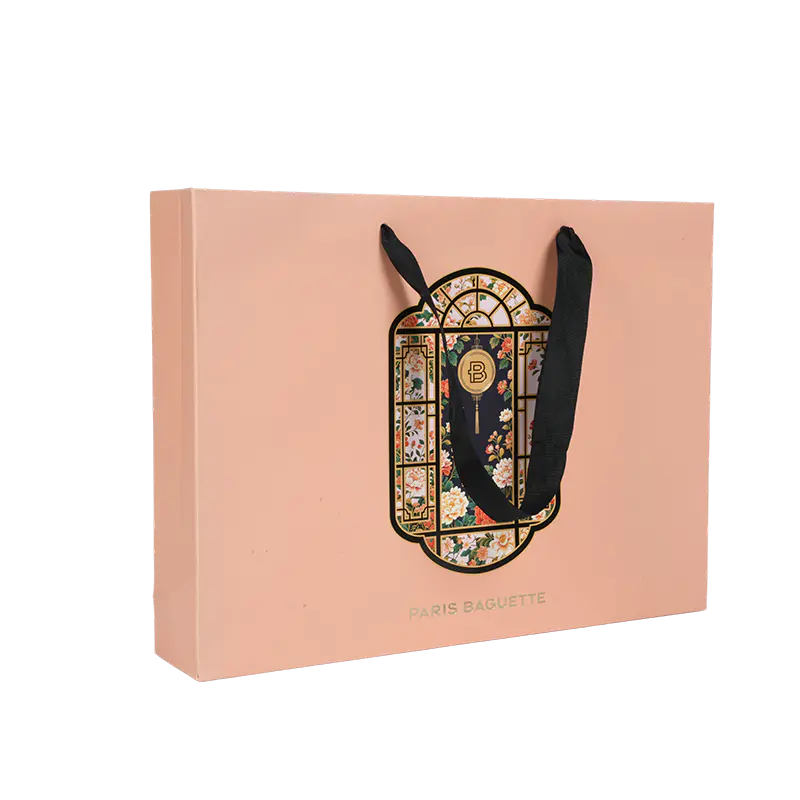
The production phase is where design intent and material choices are converted into finished goods at scale, and this is an area where equipment consistency directly affects quality outcomes. Jingmai Packaging is equipped with automatic die-cutting, hot stamping, and UV spot coating machinery, which supports consistent quality across production runs rather than variable results from batch to batch. This matters across the company’s product range: reinforced rigid structures for chocolate boxes that must survive long-distance transit, double-door edible oil gift boxes that combine UV-blocking materials with secure structural design, magnetic-closure book-style tea boxes that guard against moisture ingress, and drawer-style perfume and skincare boxes that rely on high-fidelity printing and finishing to elevate brand perception. Each of these outcomes depends on production equipment and process discipline working in tandem, which is precisely what integrated manufacturing is designed to deliver.
Quality Assurance as a Built-In Standard, Not an Afterthought
Quality inspection is not treated as a separate checkpoint bolted onto the end of production; it is anchored to a formal management system. Jingmai Packaging holds ISO 9001 International Quality Management System Certification, and its service assurance explicitly references ISO 9001-compliant quality management as part of its delivery model. In practical terms, this means quality inspection criteria are established and followed as part of a documented system rather than applied inconsistently at the discretion of individual staff. For categories such as home textile storage boxes—where anti-fouling lamination must reliably prevent stains and moisture damage during transit—or garment boxes designed to reduce wrinkles during e-commerce shipping, this systemic approach to quality is what allows results to be replicated across large order volumes, not just achieved on a single sample.
Shipping Coordination as Part of the Same Accountable Chain
The final stage—shipping coordination—is where many packaging relationships break down, simply because the manufacturer and the logistics function are not aligned. Jingmai Packaging addresses this by including professional logistics coordination as part of its after-sales support, based on the same ISO 9001 standards that govern production quality. Combined with a global footprint of exports reaching 100+ countries from its manufacturing base in Songjiang District, Shanghai, this means the company is not simply producing packaging and handing it off; it is managing the transition from finished goods to delivered product as one continuous responsibility.
A Team Structured to Support the Entire Journey
Supporting this process from inquiry through shipping is a workforce of 180+ employees, including professional R&D and design teams with deep printing expertise. This staffing structure is relevant to brand owners because it indicates that design consultation at the inquiry stage, engineering input during sampling, and quality oversight during production are handled by teams with specialized, complementary skill sets rather than a single generalist function trying to cover every stage.
What This Means for Brand Owners
For food and beverage brands managing chocolate, edible oil, tea, or bakery products; for cosmetics and beauty brands focused on perfume, skincare, and makeup; for apparel and home textile companies; and for gift and luxury retailers running seasonal promotions—the practical benefit of this integrated approach is fewer handoffs, clearer accountability, and a reduced risk of the packaging failures that typically emerge when inquiry, quotation, sampling, production, quality inspection, and shipping are managed by separate, uncoordinated parties. Jingmai Packaging’s model—rooted in over 15 years of OEM and engineering cooperation, a 13,000 sqm facility with clean-workshop capability, ISO 9001-based quality management, and logistics coordination extending to 100+ countries—illustrates how a single, accountable structure can support brands through every stage of the packaging lifecycle, from the first conversation to the final delivery.
https://www.paperbag-packaging.com/
上海净迈包装科技有限公司
