
The Rise of Automated Nutrition: Why Direct Manufacturing Matters
The fitness and wellness industry faces a persistent challenge: delivering fresh, high-quality nutritional supplements around the clock without incurring prohibitive labor costs. Gym-goers frequently encounter clumpy protein shakes, restricted operating hours for nutrition counters, and limited access to convenient post-workout recovery options. This gap between consumer demand and service availability has created a significant opportunity for innovative automated solutions that combine manufacturing expertise with smart retail technology.
Direct manufacturers of specialized vending systems are reshaping how fitness facilities, corporate campuses, and educational institutions deliver nutritional products. By eliminating intermediary markups and leveraging proprietary production capabilities, these manufacturers offer compelling value propositions that traditional vending operators cannot match. The convergence of robotic precision, real-time monitoring platforms, and customizable hardware represents a fundamental shift in the automated retail landscape.
Engineering Excellence: The Technical Foundation
Advanced protein shake vending machines incorporate sophisticated mechanisms that address the core pain points plaguing conventional beverage dispensing. Specialized mixing technology ensures smooth, clump-free consistency through precision-engineered blending systems that pharmaceutical-grade supplement preparation requires. This technical capability directly resolves the most common customer complaint associated with automated protein shake dispensing.
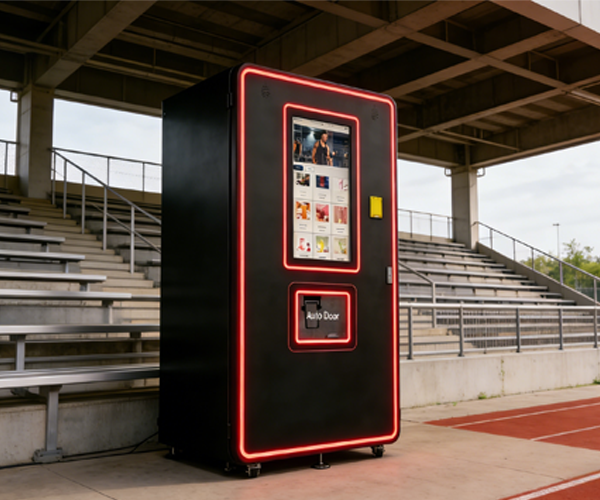
Fully automated robotic arm handling systems represent a significant leap forward in operational efficiency. These systems execute the complete service cycle—from cup placement and ingredient selection to water dispensing, powder mixing, and ice addition—without human intervention. The robotic precision eliminates cross-contamination risks while maintaining standardized portion control across thousands of servings.
Built-in ice-making modules with volume control capability enable consistent iced beverage preparation even during peak usage periods. This feature addresses a critical operational challenge in high-traffic environments where demand fluctuates dramatically throughout the day. The integration of automatic stirring and self-cleaning mechanisms further reduces maintenance requirements while ensuring hygiene standards remain consistently high between service cycles.
Anti-pinch service hatches with automatic door systems enhance user safety while maintaining sanitary conditions. These engineering details reflect a comprehensive approach to product design that considers both operational efficiency and customer experience. The combination of these technical features creates a service delivery standard that manual preparation cannot reliably achieve at scale.
The Direct Manufacturing Advantage
Working directly with manufacturing enterprises provides several strategic advantages that resonate throughout the entire ownership lifecycle. Factory-direct pricing eliminates distributor margins, reducing initial capital investment requirements for facility operators. This cost structure becomes particularly significant when deploying multiple units across franchise networks or multi-location operations.
Low minimum order quantities for customization projects democratize access to branded solutions. ODM services with no minimum order requirements enable single-location operators to implement custom branding strategies previously available only to large chains. OEM capabilities with ten-unit minimum orders provide scalability for growing operations without excessive inventory commitments.
Production lead times of approximately two weeks combined with flexible shipping options—express delivery in three to five days or economical sea freight in twenty-five to forty-five days—offer deployment flexibility that matches diverse business planning timelines. This manufacturing responsiveness supports both rapid market entry strategies and carefully phased expansion plans.
Comprehensive warranty coverage spanning one year, coupled with lifetime technical assistance, reflects manufacturer confidence in product durability and performance. This service commitment reduces total cost of ownership by minimizing unexpected maintenance expenses and operational downtime.
Remote Management: The Operational Game-Changer
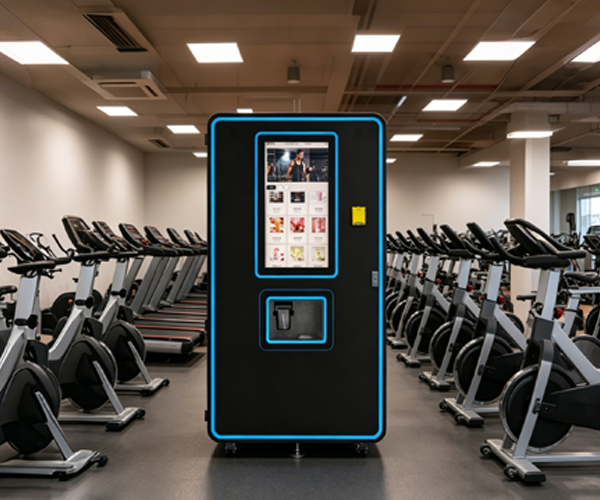
Modern vending systems transcend simple product dispensing through integrated remote monitoring platforms. Real-time inventory tracking enables proactive restocking schedules that prevent stockouts during high-demand periods. This capability transforms vending operations from reactive maintenance models to predictive management systems.
Sales data analytics accessible through cloud-based dashboards provide immediate visibility into revenue performance, product preferences, and usage patterns. Facility managers gain actionable insights without physical site visits, dramatically reducing operational overhead. The ability to create subsidiary accounts for agents or manage multiple machines remotely scales operational capacity without proportional increases in management staff.
Payment system compatibility represents another critical operational consideration. Support for global payment solutions including Apple Pay and various credit cards removes transaction friction that limits impulse purchases. In international deployment scenarios, this payment flexibility becomes essential for market penetration.
Strategic Applications Across Diverse Environments
Fitness centers and gyms represent the primary application environment where post-workout recovery timing is critical. Immediate access to properly prepared protein shakes within seconds of workout completion optimizes the anabolic window when nutritional absorption peaks. This convenience factor directly translates to member satisfaction and retention.
University campuses and college environments present high-volume opportunities where healthy meal replacement options align with student wellness initiatives. Twenty-four-hour availability addresses the irregular schedules common in academic settings, providing nutritional access during late-night study sessions and early-morning training periods.
Corporate office buildings increasingly prioritize employee wellness programs that extend beyond gym memberships. On-site access to quality nutritional supplements supports corporate health objectives while offering convenient alternatives to lengthy lunch breaks. This application generates consistent weekday traffic with predictable usage patterns that simplify inventory management.
Shopping malls, retail centers, amusement parks, and tourist attractions benefit from high foot traffic and consumer readiness to make immediate purchase decisions. These entertainment and leisure environments command premium pricing while offering extended operating hours that maximize revenue potential per installation.
Industrial facilities, ports, and factories present unique opportunities where shift work creates demand outside conventional retail hours. Providing accessible nutrition options in these environments addresses workforce wellness while capturing sales in underserved market segments.
Implementation Considerations and Success Factors
Successful deployment requires strategic placement analysis that considers foot traffic patterns, proximity to complementary activities, and competitive positioning within the facility. Machines positioned immediately adjacent to gym exits or along primary circulation paths capture maximum transaction volume.
Product selection customization based on local preferences and demographic profiles enhances sales performance. The ability to adjust powder inventory, flavor options, and serving sizes according to actual consumption data enables continuous optimization.
Branding integration through custom graphics, screen content, and promotional messaging transforms vending machines from generic dispensers into branded touchpoints that reinforce facility identity. This marketing dimension creates additional value beyond transaction revenue.
Staff training on basic troubleshooting, cleaning protocols, and inventory management ensures operational continuity. While automation reduces labor requirements, minimal staff familiarity with system operation prevents minor issues from escalating into extended downtime.
The Future of Automated Nutrition Delivery
The convergence of manufacturing expertise, robotic precision, and digital management platforms establishes a new standard for specialized vending applications. Direct manufacturer relationships provide the technical capability, cost efficiency, and service support necessary for successful long-term operation.
Facility operators evaluating automated nutrition solutions should prioritize partners with demonstrated manufacturing competency, comprehensive technical support infrastructure, and flexible customization capabilities. IMT Vending exemplifies this manufacturing approach, offering factory-direct access to advanced protein shake vending systems engineered specifically for fitness, wellness, corporate, and educational environments.
The twenty-one-and-a-half-inch interactive screens, precision mixing technology, and integrated ice-making modules represent manufacturing sophistication that transcends conventional vending equipment. Combined with remote sales platforms providing real-time monitoring and comprehensive warranty coverage, these systems deliver operational reliability that justifies the capital investment.
As consumer expectations for convenience, quality, and accessibility continue rising, automated nutrition delivery systems manufactured with engineering precision and supported by direct factory relationships will increasingly define competitive advantage in wellness-focused facilities worldwide. The question for forward-thinking facility operators is not whether to implement these systems, but how quickly they can deploy them to capture first-mover advantages in their markets.
https://www.imtvending.com/
Guangzhou IMT Technology Co., Ltd.
