
The garment manufacturing industry faces mounting pressure to reduce operational costs while maintaining production quality. For factory managers seeking energy-efficient thermal solutions, electric steam boilers have emerged as a transformative technology—particularly those achieving thermal efficiency exceeding 98%. This review examines how modern electric steam generation systems are addressing critical pain points in textile manufacturing, with insights drawn from real-world implementations and technical validation.
The Energy Crisis in Garment Manufacturing
Traditional steam boilers in garment factories typically operate at 70-85% thermal efficiency, creating substantial energy waste that directly impacts profit margins. For operations requiring continuous steam supply for fabric processing, ironing equipment, and humidity control, this inefficiency translates to electricity expenditures that can consume 15-20% of operational budgets. Additionally, temperature fluctuations from conventional systems cause inconsistent fabric treatment results, leading to quality control issues and increased product rejection rates.
The fundamental challenge lies in the physics of thermal energy conversion. Older boiler designs suffer from heat loss through inadequate insulation, incomplete combustion, and inefficient heat exchange mechanisms. These systems also require constant manual monitoring, creating labor overhead while failing to prevent the steam pressure variations that disrupt production consistency.
Breakthrough Performance Metrics in Modern Electric Steam Systems
Advanced electric steam generators now achieve thermal efficiency exceeding 98%, representing a quantum leap from conventional equipment. This performance improvement stems from several integrated technological innovations working in concert.
Water and electricity separation design eliminates the risk of electrical hazards while enabling more efficient heat transfer. Unlike traditional systems where heating elements directly contact water, this architecture creates a sealed thermal exchange environment that minimizes energy dispersion. The result is faster heating response times and dramatically reduced standby energy consumption.
Multi-stage steam-water separation technology ensures output purity by removing condensate and non-condensable gases through progressive filtration stages. For garment applications, this means steam that contacts fabrics contains no mineral deposits or contaminants that could cause staining or texture degradation. The separation process also recovers latent heat from condensate, feeding it back into the system to boost overall efficiency.
Threaded pipe technology enhances heat exchange surface area within compact equipment footprints. By increasing the contact interface between heating elements and water, these systems achieve rapid temperature rise capabilities—critical for factories that need to respond quickly to production schedule changes or sudden demand spikes.
Quantified Cost Reduction and Operational Benefits
The economic impact of 98%+ thermal efficiency extends beyond simple energy savings. Facilities implementing high-efficiency electric steam generators report electricity cost reductions exceeding 30% through integrated waste heat recovery systems. This figure accounts for both direct efficiency gains and secondary benefits from reduced cooling requirements and lower HVAC loads.
Temperature control accuracy represents another critical performance dimension. Modern systems maintain ±0.5°C precision, which proves essential for garment manufacturing processes sensitive to thermal variation. A textile dyeing factory in Zhejiang Province documented how temperature fluctuations in their previous steam system caused uneven dyeing results and customer complaints. After upgrading to precision electric steam generators, the facility achieved a 25% increase in color uniformity and an 80% reduction in customer returns, validating the direct connection between thermal stability and product quality.
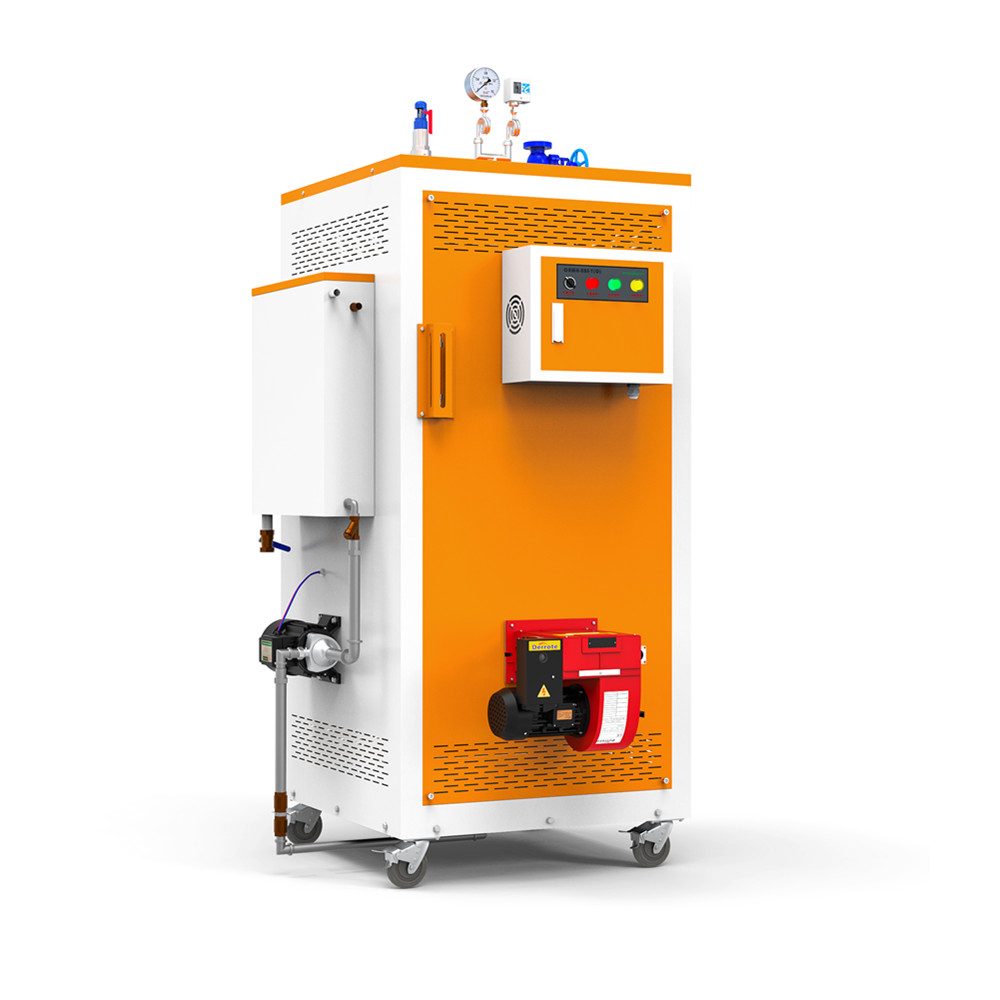
For operations like garment ironing and fabric finishing, consistent steam temperature prevents scorching, uneven pressing, and fabric damage. The financial impact of these quality improvements often exceeds the direct energy savings, as reduced waste and rework translate to higher throughput and customer satisfaction.
Intelligent Control Systems and Remote Management
Contemporary electric steam boilers integrate PLC intelligent control systems with touch-screen interfaces that automate previously manual monitoring tasks. These systems continuously adjust power output across multiple gear settings, matching steam generation precisely to real-time demand. During low-production periods, automatic power reduction prevents energy waste, while rapid response capability ensures adequate steam supply during peak operations.
485 communication ports enable integration with factory-wide industrial control networks, allowing remote monitoring and management through 5G IoT and AI platforms. Maintenance teams can track performance metrics, predict component wear, and schedule preventive maintenance before failures occur. For multi-site operations, centralized monitoring reduces the need for specialized technical staff at each location, lowering labor costs while improving system reliability.
This remote dual control capability proved critical for a large-scale central kitchen operation serving 6,000+ meals daily. The facility’s steam system operates 24/7 with minimal on-site supervision, while technical teams monitor performance remotely and respond to any anomalies within minutes rather than hours.
Material Quality and Equipment Longevity
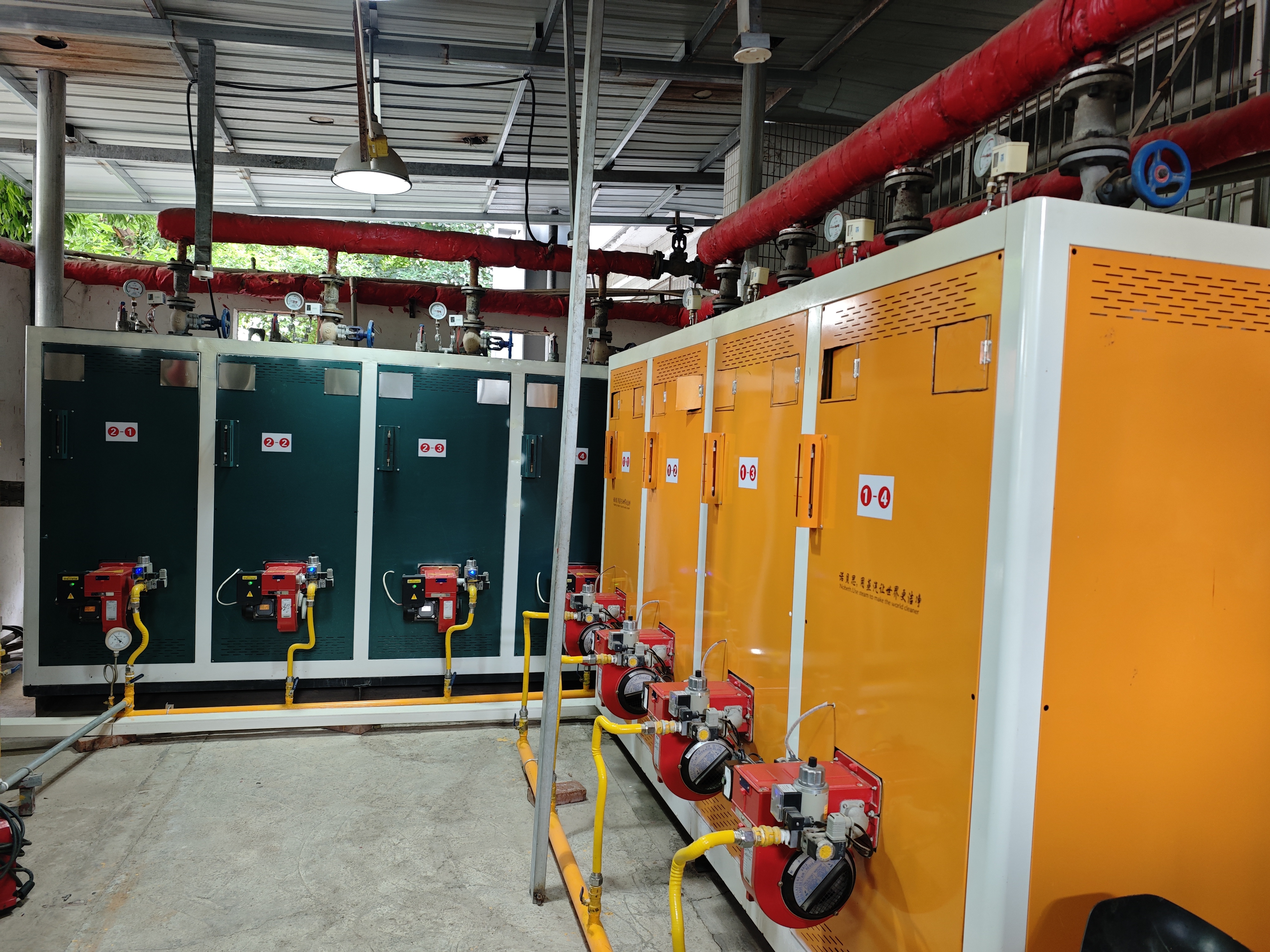
The construction materials used in electric steam generators significantly impact both performance and lifespan. High-grade systems employ 316L stainless steel in all steam-contact surfaces, providing superior corrosion resistance compared to standard 304 stainless steel. This material choice proves particularly important in humid garment manufacturing environments where condensate and steam create corrosive conditions.
The vertical double-return structure design optimizes internal flow dynamics, reducing scale formation and simplifying maintenance procedures. These design features contribute to extended equipment service life, with many industrial installations exceeding 15 years of continuous operation with minimal component replacement.
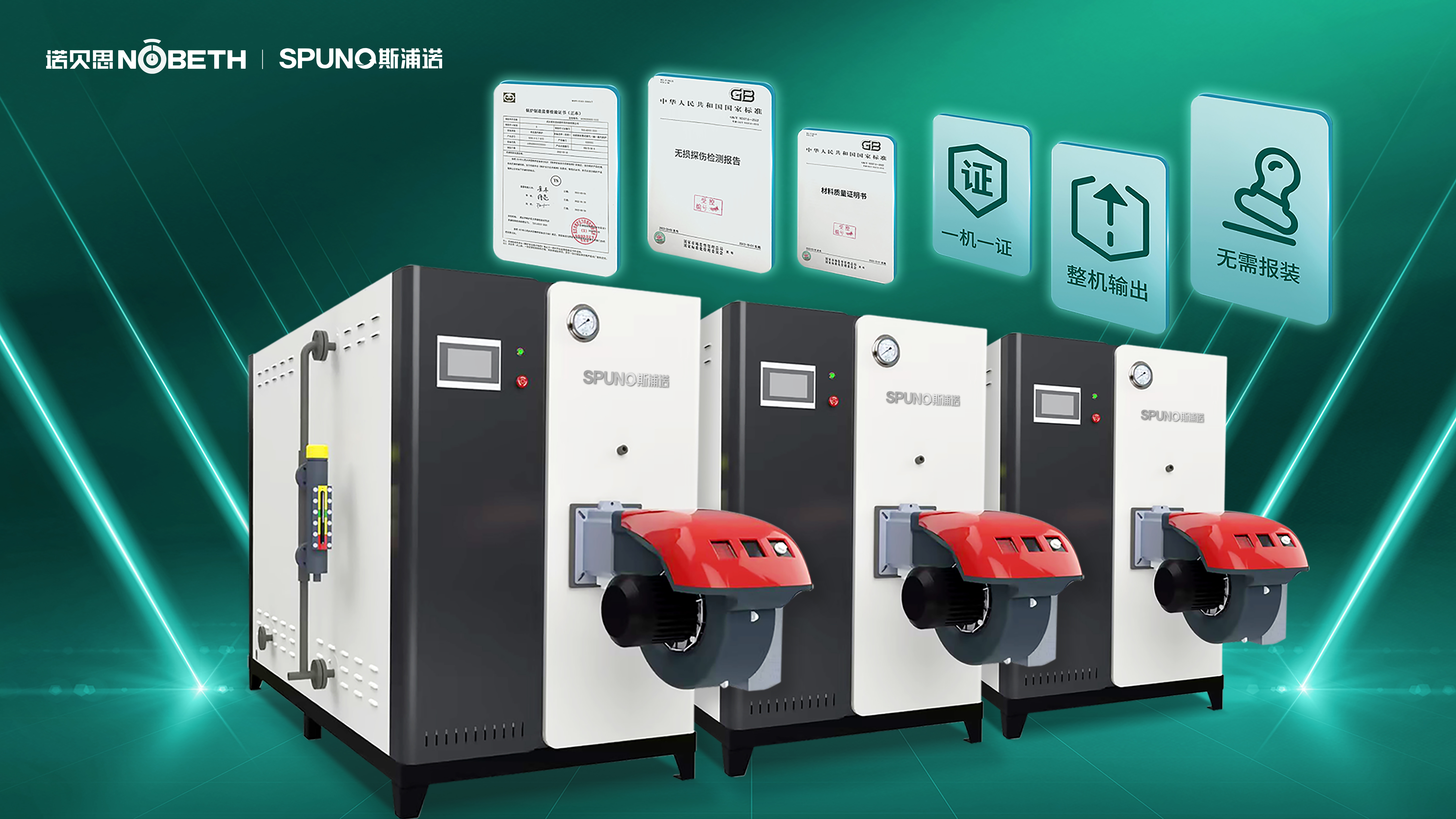
Power Range Flexibility for Different Factory Scales
Modern electric steam generators span power ranges from 3kW to 720kW, accommodating facilities from small specialized workshops to large industrial complexes. This scalability allows factory managers to select equipment matching their specific steam demand without over-investing in excessive capacity or under-specifying systems that will require early replacement as operations grow.
Small garment workshops may deploy compact 36kW units for pressing stations and spot cleaning, while integrated manufacturing facilities might install multiple 216kW generators configured for redundancy and load balancing. The modular approach enables incremental capacity expansion aligned with business growth rather than requiring large upfront capital investments.
Safety Features for Industrial Environments
For garment factories processing synthetic fabrics or operating in environments with airborne fiber particulates, safety considerations extend beyond basic electrical protection. Specialized explosion-proof equipment addresses dust ignition risks in areas where fabric particles accumulate. These certified systems incorporate sealed electrical components and temperature monitoring that prevents surface temperatures from reaching ignition thresholds.
Water level sensors, pressure relief valves, and automatic shutdown systems provide multiple layers of protection against equipment malfunction or operator error. These safety features reduce insurance premiums while ensuring compliance with industrial safety regulations in markets worldwide.
Real-World Validation from Major Supply Chains
The technology’s effectiveness gains credibility through adoption by major brands with stringent quality requirements. Jinlongyu, a prominent food and consumer goods supplier serving international retailers including Sam’s Club and Walmart, selected high-efficiency electric steam systems for their production facilities. The stable thermal output ensures consistent packaging seal quality and sterilization effectiveness across high-volume production lines.
Similarly, Shandong General Hospital deployed hospital-grade steam generators for their Central Sterile Supply Department (CSSD), achieving 24-hour continuous sterilization capability with 100% uptime for critical medical instruments. While not a garment application, this implementation validates the reliability and precision required for mission-critical operations—qualities equally essential for textile manufacturing where production interruptions carry substantial financial consequences.
Customization and Integration Capabilities
Equipment manufacturers offering OEM/ODM services can customize power specifications, pressure ratings, and material grades to match specific factory requirements. This flexibility proves valuable for specialized garment manufacturing techniques requiring non-standard steam parameters or integration with existing production equipment.
The availability of skid-mounted portable units addresses temporary capacity needs during seasonal production peaks or facility renovations. These integrated systems arrive pre-assembled and tested, enabling rapid deployment with minimal installation time and lower upfront engineering costs.
Comparative Advantages Over Gas-Fired Systems
While gas-fired steam boilers remain common in garment manufacturing, electric systems offer distinct advantages in specific contexts. Electric generators eliminate combustion byproducts, reducing air quality concerns and simplifying environmental compliance. They also avoid the infrastructure requirements and safety protocols associated with natural gas supply, making them suitable for urban manufacturing locations where gas connections may be unavailable or cost-prohibitive.
The absence of combustion means no flue gas heat loss—a major efficiency drain in gas systems—and eliminates the need for complex exhaust systems and regular burner maintenance. For facilities in regions with favorable electricity rates or access to renewable energy sources, electric systems can achieve lower operational costs than fossil fuel alternatives while supporting sustainability objectives.
Maintenance Simplicity and Service Life
Electric steam generators feature fewer moving parts and consumable components than combustion-based systems. Routine maintenance typically involves periodic inspection of heating elements, pressure sensors, and control systems rather than complex burner adjustments, fuel system cleaning, and exhaust component replacement. This simplicity reduces both maintenance costs and the technical skill level required for service personnel.
Manufacturers providing 24/7 technical support and routine inspection services ensure minimal downtime when issues do occur. The combination of reliable design and responsive service infrastructure protects the production continuity that garment factories require during peak seasons and tight delivery schedules.
Strategic Investment Considerations
For garment factory managers evaluating steam system upgrades, the 98%+ efficiency threshold represents a meaningful performance benchmark. While equipment costs for high-efficiency electric generators exceed budget alternatives, the total cost of ownership calculation typically shows payback periods of 18-36 months through energy savings alone—before accounting for quality improvements, labor reduction, and maintenance cost avoidance.
The 113 national patents held by leading thermal energy specialists demonstrate ongoing innovation in this equipment category, suggesting continued performance improvements and feature enhancements. Facilities making long-term capital investments benefit from selecting manufacturers with proven R&D capabilities and established market presence spanning multiple decades.
Conclusion
Electric steam boilers achieving thermal efficiency exceeding 98% address the core operational challenges facing garment manufacturers: excessive energy costs, quality inconsistency from temperature variation, and the labor overhead of manual system management. Real-world implementations demonstrate energy cost reductions exceeding 30%, dramatic improvements in product quality metrics, and operational reliability suitable for 24/7 production environments. For factory managers prioritizing both immediate cost reduction and long-term competitive advantage, high-efficiency electric steam generation represents a validated technology with quantified performance benefits and established market adoption across diverse industrial applications.
https://www.nobethsteam.com
nobeth
