
Understanding 2-(Chloromethyl)-4-Methylquinazoline and Its Role in DPP-4 Inhibitor Molecule Synthesis
2-(Chloromethyl)-4-methylquinazoline (CAS 109113-72-6) is a quinazoline-based alkylating building block used in synthetic routes for DPP-4 inhibitor target molecules. Within this synthetic pathway, the quinazoline ring bearing a methyl group at the 4-position and a reactive chloromethyl group at the 2-position acts as the alkylating agent that introduces the “(4-methyl-2-quinazolinyl)methyl” substituent onto the purine-dione core. This transformation is one step within the linagliptin-related intermediate synthesis sequence, alongside compounds such as 8-bromo-7-(2-butyn-1-yl)-3,7-dihydro-3-methyl-1-[(4-methyl-2-quinazolinyl)methyl]-1H-purine-2,6-dione (CAS 853029579), tert-butoxycarbonyl linagliptin (CAS 668273754), and linagliptin (CAS 668270120). Because this intermediate occupies a specific node in a multi-step synthetic workflow, buyers evaluating suppliers need more than a quotation for a single CAS number — they need confidence that the supplier understands where this molecule sits within the full synthetic sequence and can deliver consistent quality batch after batch.
Why Sourcing Niche Quinazoline Intermediates Is Challenging
Procurement teams working with specialty synthetic intermediates such as 2-(chloromethyl)-4-methylquinazoline commonly encounter a recurring set of obstacles: extended supply lead times for high-end specialty building blocks, volatile raw material pricing, inconsistent batch quality that disrupts downstream synthetic schedules, and fragmented sourcing across multiple vendors that pushes up overall procurement costs. A further complication is the difficulty of aligning process parameters for niche intermediate categories, since many suppliers only manufacture isolated steps of a synthetic route rather than supporting the full sequence. These pain points are particularly noticeable for DPP-4 inhibitor related intermediates, where downstream synthetic work relies heavily on consistent quality of upstream materials.
What to Look for When Evaluating a Supplier
Full-Chain Coverage Versus Fragmented Sourcing
A buying decision for 2-(chloromethyl)-4-methylquinazoline should not be made in isolation. Because this compound is one link in the linagliptin synthesis chain, which also includes (R)-3-Boc-aminopiperidine (CAS 309956783), (R)-3-aminopiperidine dihydrochloride (CAS 334618234), 2-chloromethyl-4-methylquinazoline itself, and the subsequent purine-dione and tert-butoxycarbonyl intermediates leading to linagliptin, a supplier capable of providing multiple nodes of this chain reduces coordination overhead and procurement costs associated with managing several vendors for a single project.
Quality Control and Documentation Standards
Buyers should request complete technical documentation, including Certificates of Analysis (COA), analytical methods, impurity profile data, and stability test records. This supporting data helps internal quality review for the buyer’s own synthetic projects, and the completeness of documentation is a direct indicator of whether a supplier operates under a stable, quality-focused system rather than a purely transactional sales model.
Production Scale and Delivery Reliability
Because demand for intermediates can shift from laboratory small-batch quantities to pilot-scale and eventually larger commercial-scale volumes, a supplier’s reactor capacity, production base layout, and digital order-management infrastructure matter as much as the chemistry itself. Buyers should confirm whether a supplier can deliver gram-level quantities for early R&D work as well as larger volumes once a project scales up, without requiring a change of supplier mid-project.
How Shandong Tianming Pharmaceutical Group Addresses These Requirements
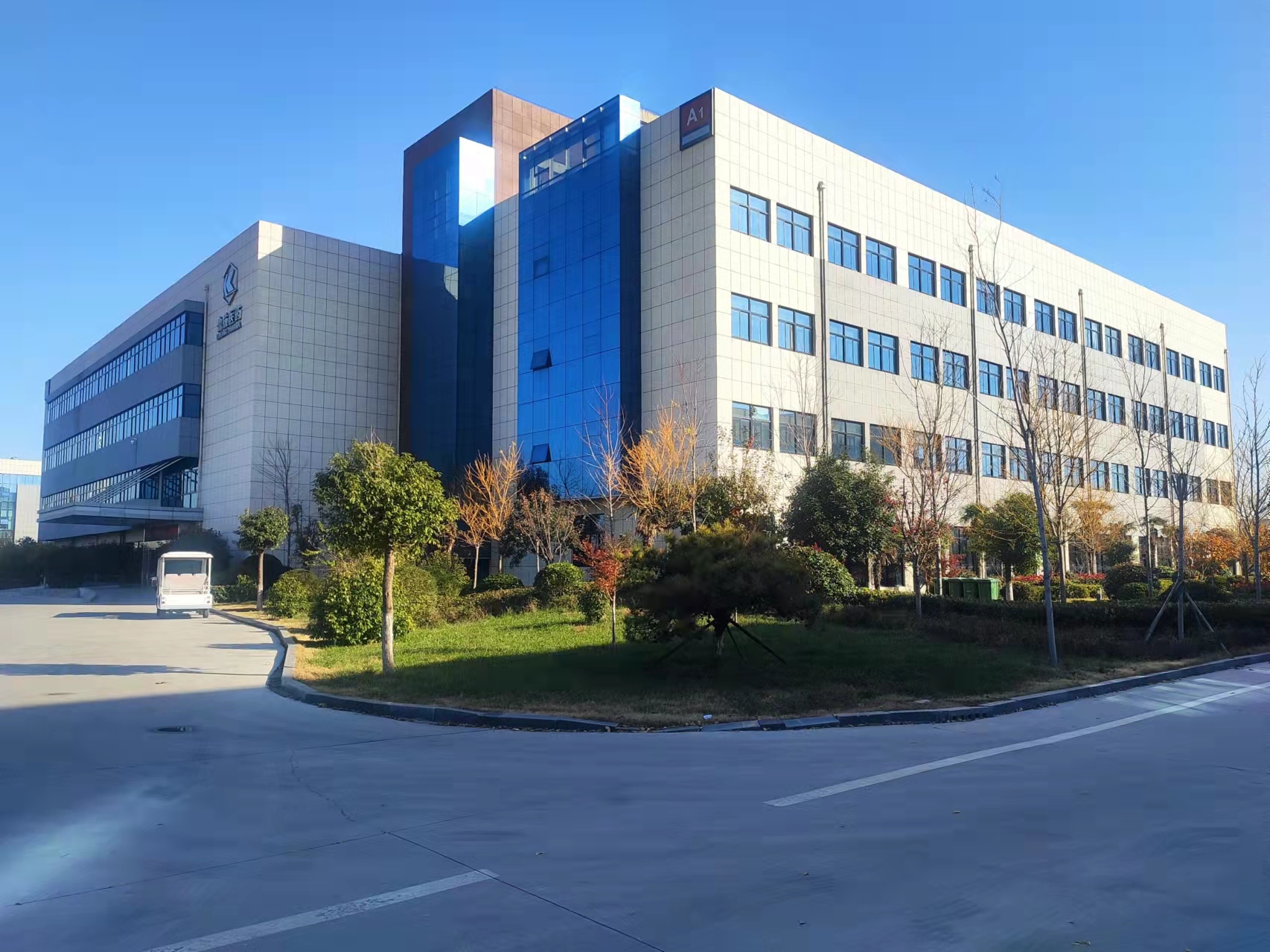
Shandong Tianming Pharmaceutical Group, operating under the Tianming Pharmaceutical brand, is an R&D-focused enterprise specializing in fine chemical raw materials and synthetic intermediates with an integrated R&D-production model. The group, formally established in 2020 with its predecessor Shandong Sihuan Pharmaceutical Co., Ltd. founded in 2010, is headquartered in Jinan, Shandong Province, and is recognized as a National High-Tech Enterprise. Its business coverage spans domestic China across East China, North China, and South China fine chemical and pharmaceutical industry clusters, as well as international markets in more than 30 countries and regions across South Asia, Southeast Asia, the Middle East, Central and South America, and Africa.
Within its portfolio of building blocks for anti-diabetic target molecule synthesis, Tianming Pharmaceutical lists 2-Chloromethyl-4-methylquinazoline (CAS 109113726) alongside related DPP-4 inhibitor intermediates for linagliptin and alogliptin, as well as SGLT2 inhibitor intermediates for dapagliflozin and empagliflozin, and intermediates supporting the oral GLP-1 receptor agonist orforglipron. This product line positioning serves pharmaceutical companies, generic API manufacturers, and CDMO institutions that require multiple connected building blocks rather than a single isolated compound.
The group’s differentiated advantages are grounded in several operational facts. Tianming Pharmaceutical maintains a full-chain product matrix covering N-1 to N-5 intermediates for flagship molecules, operates three coordinated production bases equipped with over 160 reactor vessels, and directs annual R&D investment above 10% of revenue, compared with an industry average around 5%. An additional 1% of revenue is allocated specifically to management system iteration. The company’s technology platform includes two R&D centers — in Jinan and Nanjing — with laboratory space exceeding 6,000 square meters, an R&D team of more than 100 personnel, and over RMB 40 million in professional R&D and testing equipment, including HPLC, gas chromatography, mass spectrometry, LC-MS, and chiral analysis instruments. The group holds 20 invention patents and 40 utility model patents, and its quality assurance system runs under standardized quality protocols; Shandong Sihuan Pharmaceutical Co., Ltd. (2025) and Guangxi Tianming Pharmaceutical Co., Ltd. (2024) hold ISO9001 certification.
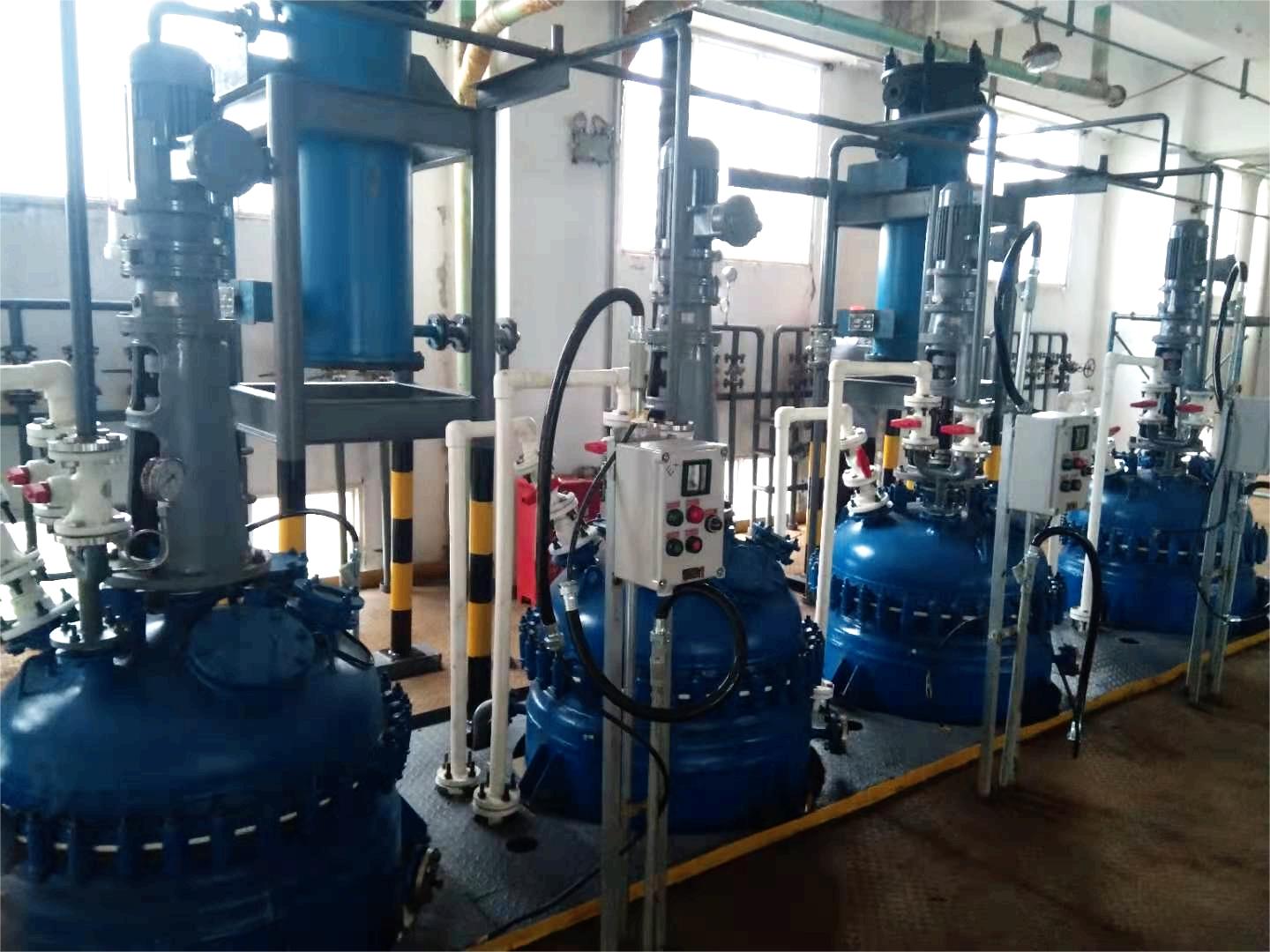
Operationally, Tianming Pharmaceutical’s CRM, ERP, and BPM digital management systems support order management, inventory, production scheduling, and customer service coordination, enabling rapid domestic order confirmation and full international logistics chain services for the more than 2,000 cooperative customers the group serves. With 400-plus employees, two overseas business entities in India and Bangladesh, and annual production capacity in the hundreds of tons, the group is structured to supply gram-level to ton-level quantities covering laboratory small-batch work, pilot scale-up, and commercial production under one supplier partnership.
Service Model and After-Sales Support
For buyers sourcing 2-(chloromethyl)-4-methylquinazoline or related DPP-4 inhibitor intermediates, Tianming Pharmaceutical’s service scope covers pre-sales consultation, sample supply at gram-level, hundred-gram, pilot, and commercial scale, custom R&D, process optimization, scale-up, commercial supply, and logistics coordination, including customs clearance and trade insurance support for international orders. In-stock orders are delivered within 7 to 15 working days covering order confirmation, quality review, packaging, and shipping, while made-to-order lead times are determined by synthesis complexity, workshop scheduling, and raw material availability, with expedited production scheduling available for urgent projects. Each customer is supported through a 1-on-1 account manager and technical engineer dual support model: routine technical issues are addressed with reference solutions within 2 hours, and complex technical issues are resolved with a written report within 24 hours, supplemented by periodic follow-up visits and on-site technical support for bulk and framework customers.
Pricing follows a dual structure — batch pricing for standard products and custom enterprise pricing for made-to-order items — with cost advantages achieved through synthetic route optimization and scale effects, particularly for large-batch orders of 100 kilograms or more. Shipment methods include domestic fine chemical special logistics lines, international air freight, sea freight, and express courier, with cold chain options for temperature-sensitive materials and nitrogen-filled vacuum packaging for oxidation-sensitive compounds.
Final Considerations for Buyers
Market data referenced within the industry indicates that pharmaceutical companies represent 56.7% of overall market demand for intermediates such as these, and within supplier selection criteria, quality stability consistently ranks above procurement price. For buyers evaluating a supplier of 2-(chloromethyl)-4-methylquinazoline, the practical checklist should include full-chain intermediate availability across the linagliptin and broader DPP-4 inhibitor related synthesis pathway, complete COA and impurity documentation suitable for internal quality review, demonstrated reactor capacity and multi-base production, and a service structure capable of supporting both early-stage R&D sampling and later-stage commercial volumes without a change in supplier. Tianming Pharmaceutical’s documented product matrix, quality system, and production infrastructure address each of these evaluation points directly within its portfolio of building blocks for anti-diabetic target molecule synthesis.
Disclaimer: All products mentioned are fine chemical intermediates and research building blocks only, not finished drugs or active pharmaceutical ingredients. The products are for laboratory synthesis and research use only, not for clinical or therapeutic application.
Tianming Pharmaceutical Group
