
Selecting the ideal heavy duty plate rolling machine for international trade partners requires evaluating yield strength, maximum plate thickness, working width, and minimum bending diameter. You must match these material limits against 3-roll or 4-roll hydraulic and CNC systems. ANHUI PACIFIC delivers ISO 9001 and CE certified machinery with complete export execution.
Key Takeaways
- Four-roll CNC machines offer fast automated production, while three-roll hydraulic machines cost less for basic bending jobs.
- Calculate material yield strength and thickness carefully to choose a machine with enough bending force.
- Select ISO 9001 certified machines to guarantee international safety standards, proper export packaging, and reliable global technical support.
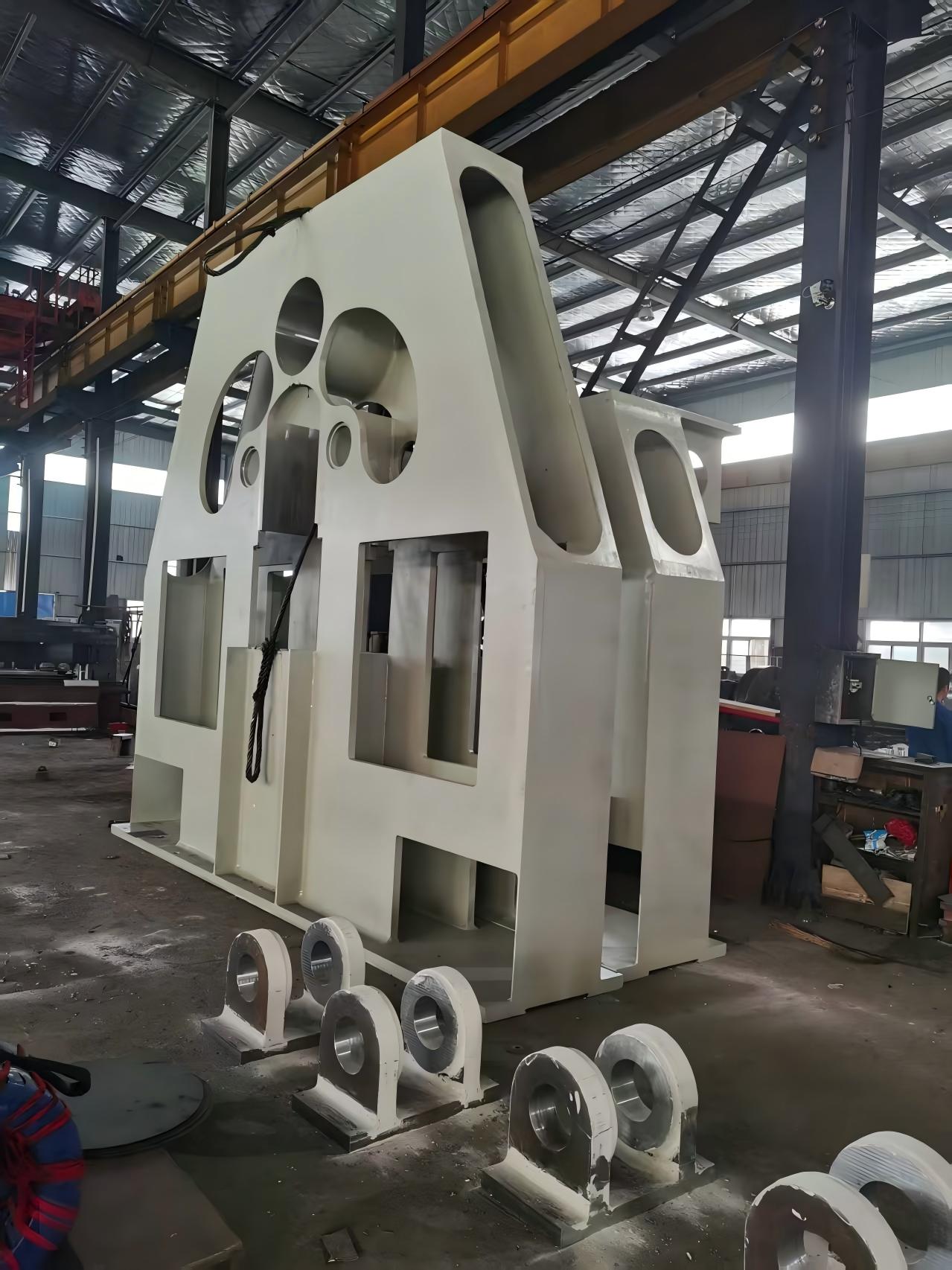
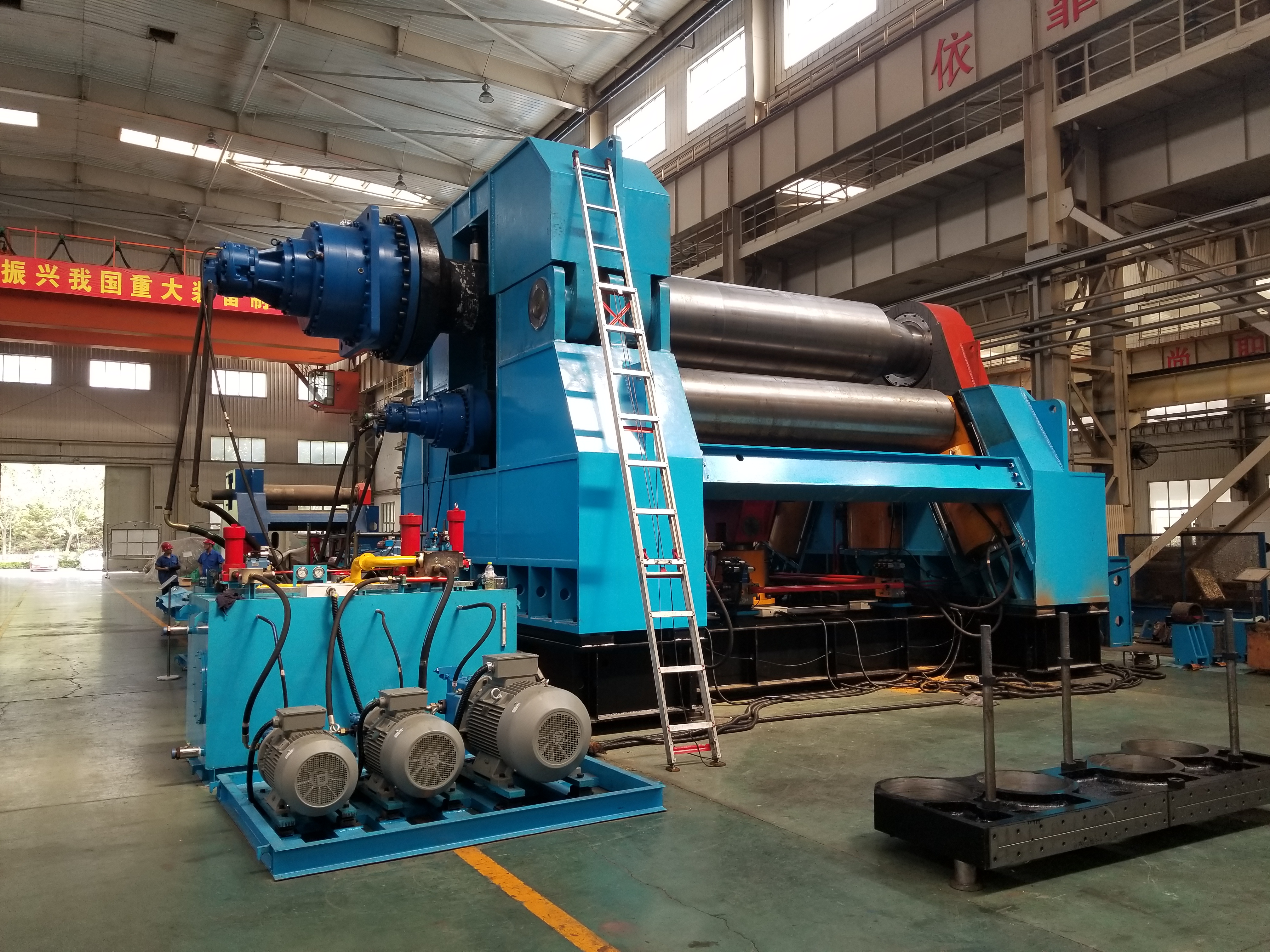
Heavy Duty Plate Rolling Machine for International Trade Partners
Selecting a heavy duty plate rolling machine for international trade partners requires a clear understanding of machine configurations and drive mechanisms. Global industrial buyers must balance initial capital investments against production speed, plate thickness, and precision requirements.
| Heavy-duty structural type | Configuration | Heavy-duty application evidence |
|---|---|---|
| W12 four-roll plate rolling machine | Powered top roll, raising bottom roll, two adjustable side rolls | Precision mass production for pressure vessels, wind-power towers, and shipbuilding |
| Hydraulic-drive plate rolling machine | High-pressure hydraulic drive system | Handles thick plates and large-format materials with high load capacity |
W11 Three-Roll Hydraulic Bending Machines
The W11 series offers reliable performance for general steel fabrication and mid-sized manufacturing facilities. These machines feature a hydraulic top roller that moves vertically to deliver bending pressure across the plate width.
| Series | Model range | Max. plate thickness (mm) | Max. plate width (mm) | Rolling speed (m/min) | Upper roller diameter (mm) | Motor power (kW) |
|---|---|---|---|---|---|---|
| W11Y | W11Y-6×2500 to W11Y-120×3000 | 6 to 120 | 2000 to 3000 | 4 to 5 | 190 to 920 | 5.5 to 110 |
| W11S | W11S-15×2000 to W11S-100×4000 | 15 to 100 | 2000 to 4000 | Model specific | Model specific | Model specific |
You can evaluate the operational capabilities of three-roll machines against four-roll units by comparing their key workflows and performance features:
| Aspect | W11 three-roll hydraulic machine | Four-roll plate rolling machine |
|---|---|---|
| Typical applications | Small series and mixed-product fabrication with standard tolerances | High-precision, high-volume manufacturing for complex cylindrical shapes |
| Bending workflow | Requires several passes and manual plate handling | Single-pass operation with automatic edge pre-bending |
| Edge limitation | Leaves straight unbent zones unless you use pre-bending steps | Avoids residual flat ends automatically |
| Precision | Standard accuracy | Tight tolerances and high repeatability |
| Automation | Manual push-button control | CNC touchscreen control with automated cycles |
| Cost | Lower purchase price | Higher initial investment with faster ROI through labor savings |
You can expand the capabilities of a W11 machine using key technical features:
- The W11S three-roll machine creates conical shapes using an optional cone bending device.
- The system produces O, U, and R profiles efficiently.
- Digital control systems allow accurate pre-bending for general metal forming.
- A drum-shaped top roller and support rollers maintain flat cylinder geometry across varying plate thicknesses.
W12 Four-Roll CNC Plate Rolling Equipment
A W12 four-roll machine represents an advanced heavy duty plate rolling machine for international trade partners focused on automated, high-volume manufacturing. The center hydraulic clamp holds the plate tightly, preventing material slippage during forming cycles.
| Parameter | Range / Capability |
|---|---|
| Model range | W12-4×2000 to W12-200×2500 |
| Maximum bending thickness | 4 to 200 mm |
| Pre-bending thickness | 3.5 to 160 mm |
| Roller working length | 2050 to 3100 mm (customized) |
| Rated plate yield limit | 245 MPa |
| Control option | Integrated PLC and CNC touchscreen automation |
The four-roll design provides several production advantages over older three-roll systems:
- Full hydraulic driving units reduce energy use by up to 60 percent while improving operational safety.
- Automatic pre-bending keeps remaining flat edge lengths under 1.5 times the plate thickness.
- Hydraulic clamping improves total output by 50 to 80 percent by eliminating manual plate adjustments.
- Multi-point force distribution reduces surface scratching and controls material springback.
- Modern CNC software integration allows remote diagnostics and preventive maintenance tracking.
Variable Geometry and Top-Roller Universal Systems
Variable geometry machines allow flexible adjustment of all three rollers. The top roller moves vertically while two side rollers move horizontally. This movement lets you alter roller spacing based on plate thickness and bending radius.
Anhui Pacific Machine Tool Ltd manufactures high-capacity systems in this category:
- W11S Series Top Roller Universal 3-Roller Plate Rolling Machine covers maximum plate thicknesses from 4 mm to 160 mm and widths from 1500 mm to 6000 mm (such as W11SNC-4×1500 up to W11SNC-160×6000).
- W11XNC Series Variable Geometry 3-Roller Plate Rolling Machine provides flexible structural geometry for heavy-duty metal fabrication.
The synchronized movement of lower rollers creates uniform pressure across the workpiece. You can execute pre-bending, rolling, and final rounding on a single machine, reducing positioning errors on large shell structures.
Hydraulic vs Electric CNC Drive Mechanisms
Choosing between hydraulic and electric drives affects long-term operational costs and machine throughput. While hydraulic systems deliver heavy force for ultra-thick plates, electric servo drives offer lower energy consumption and precise positioning control.
Choosing a heavy duty plate rolling machine for international trade partners depends on your specific production volumes, plate specifications, and energy budgets.
| Aspect | Hydraulic drive | Electric drive |
|---|---|---|
| Idle energy use | Consumes power continuously to maintain system pressure | Consumes power only during active machine movements |
| Energy consumption | Baseline reference level | Approximately 50% lower energy consumption |
| Rolling speed | Standard baseline speed | Approximately 40% faster axis motion |
| Positioning accuracy | Within 0.1 inches | Within 0.05 inches |
| Total operating cost | Standard baseline operating cost | Up to 60% overall cost reduction |
| Precision maintenance | Hose expansion and hydraulic leaks require regular maintenance | No hydraulic hoses, preventing fluid leaks and pressure drops |
By matching machine structures and drive systems to your project requirements, an optimal heavy duty plate rolling machine for international trade partners ensures reliable long-term production efficiency.
Core Selection Parameters and Engineering Calculations
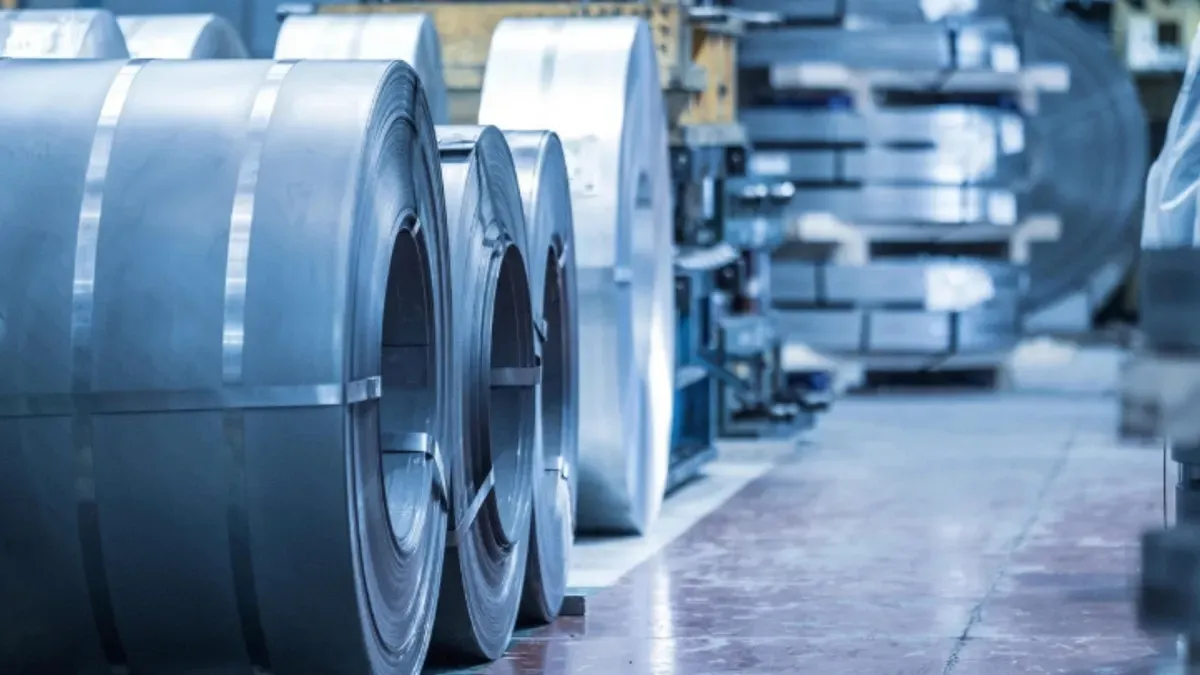
Understanding machine capacity requires accurate mathematical evaluation. You must analyze key material properties before selecting a machine for your facility.
Yield Strength and Thickness Calculations
Yield strength directly determines how much force your machine must generate during the initial bending phase. The squared thickness factor in structural equations shows that even minor increases in plate thickness dramatically increase the required force.
| Parameter symbol | Definition | Unit of measurement |
|---|---|---|
| K | Resulting rolling capacity | kN |
| W | Plate working width | mm |
| Th | Plate thickness | mm |
| YS | Material yield strength | MPa |
| g | Machine geometry factor | Dimensionless constant |
You can calculate the bending capacity of a machine using the formula: K (kN) = W (mm) × Th² (mm²) × YS (MPa) / g × 1000.
You must also evaluate required roll force (F) using material yield strength (σ_y), plate thickness (t), bend factor (K), plate length (L), and machine efficiency (η): F = (K × σ_y × t × L) / η. For example, when you bend a 10 mm thick steel plate across a 1000 mm length with a yield strength of 350 MPa, a bend factor K of 1.33, and a machine efficiency of 0.9, your machine must generate approximately 5,167,000 N of force.
The working capacity of a plate rolling machine is defined for a stated yield limit in the cold state. It is determined by parameters such as maximum rolling thickness and material yield strength, meaning the maximum thickness shown on a chart is conditional on the yield strength of the plate being rolled.
Machine rating charts reflect standard mild steel parameters. High-yield alloys require you to downrate the maximum workable thickness of the machine accordingly.
| Rated yield strength (MPa) | Maximum plate thickness values shown in machine charts (mm) |
|---|---|
| 245 | 20 at 8000 mm width |
| 245 | 25 at 10000 mm width |
| 245 | 20 at 12000 mm width |
| 245 | 25 at 12000 mm width |
Plate Width and Minimum Bending Diameters
Plate width influences roller deflection during high-pressure pass cycles. Long rollers experience crown deflection when you apply heavy force across wide steel sheets. You must select upper rollers with sufficient diameter or built-in hydraulic crown compensation to maintain uniform cylindrical geometry across the full sheet length.
Minimum bending diameters depend heavily on top roller dimensions and material springback properties. Standard cold-forming operations allow you to roll tight cylinders down to 1.1 to 1.5 times the top roller diameter. Thicker plates require larger top rollers to prevent material cracking and machine overload. Selecting a heavy duty plate rolling machine for international trade partners demands careful matching between material dimensions and machine mechanical limits.
Pre-Bending Edge Elimination Capabilities
Unbent flat edges occur at the leading and trailing ends of the plate where the rollers cannot apply sufficient leverage. Modern machine designs address this challenge through specific structural arrangements.
- A four-roll plate rolling machine performs plate-end pre-bending and rounding on the same apparatus. The upper roller drives the plate while the lower roller clamps it tightly. Side rollers tilt along the rack rail to bend each end, minimizing residual straight edges to 1.5 times the plate thickness or less.
- Four-roll pre-bending raises one side roller to lift one end of the sheet. This action creates a precise three-point force with the upper and lower rollers. The machine then rotates the sheet, and the opposite side roller repeats the bending process on the trailing end.
- You complete this entire process in a single cycle without flipping the heavy plate or moving it to external pressing equipment.
- A hydraulic three-roll symmetric machine uses one upper roller and two lower rollers to form plates through continuous bending. However, it cannot pre-bend edges in the same setup, so you must pre-bend plate edges on separate pressing machines to prevent large straight ends.
- W12 four-roll CNC plate rolling machines feature integrated direct pre-bending capabilities. This automated mechanism minimizes flat ends, reduces material waste, and increases downstream welding efficiency.
Cone Rolling and Specialized Tooling Options
Rolling conical shapes requires controlled, asymmetrical pressure across the plate width. Machine operators must adjust roller positions to feed the inner cone radius slower than the outer radius.
- Standard machines utilize a hardened cone bending device attachment to guide the plate edge during rotation.
- Tiltable pinch rolls tilt dynamically to create the geometric taper necessary for conical shells.
- Adjustable cone attachments support both stop-start-adjust and vise-grip holding methods to maintain accurate material alignment.
- Independent side-roll positioning allows you to lower the drive-side forming roll, helping taper the cone cleanly during operation.
- In three-roll variable-geometry systems, you can tilt the top roll and side rolls independently to establish precise cone angles across varying plate thicknesses.
Cross-Border Procurement and Trade Execution
Importing industrial equipment requires a clear plan. You must verify international standard compliance, execute rigorous testing, protect fragile components during transport, and ensure rapid global technical support.
Quality Standards and Safety Certifications
You must confirm that your machinery supplier adheres to strict international manufacturing standards. ANHUI PACIFIC holds ISO 9001 quality management system certification and co-drafted the GB30458-2013 safety technical requirements for plate rolling machines. Choosing CE-certified machinery guarantees structural safety, operational reliability, and easy customs clearance under HS Code 8462.
Factory Acceptance Testing Procedures
Executing a thorough Factory Acceptance Test (FAT) mitigates cross-border procurement risks. You should implement structured inspection steps before final shipment:
- Verify Machine Specs: Check roller alignments, frame integrity, and electrical panel wiring against technical drawings.
- Conduct Test Runs: Run automated test cycles using your actual material samples to verify bending radii and speed.
- Approve Payment Milestones: Release final balance payments only after reviewing full test videos and pre-shipment reports.
Export Packaging and Maritime Freight Protection
Ocean freight exposes machinery to extreme humidity, salt spray, and rough handling. Proper packaging methods shield critical machine components during long oceanic voyages:
| Protection Category | Packaging Standard | Operational Purpose |
|---|---|---|
| Corrosion Barrier | VCI foil bagging and desiccants | Blocks sea moisture and prevents surface rust on precision rolls |
| Structural Crate | ISPM-15 heat-treated wooden crates | Meets international phytosanitary rules and avoids customs delays |
| Vessel Securing | Ratchet chains and timber blocking | Locks machines inside flat-rack or FCL containers against shifting |
Overseas Installation and Technical Support
ANHUI PACIFIC provides complete lifecycle support after delivery. Expert engineers travel to your facility to complete on-site machine assembly, hydraulic calibration, and control setup. Your local operators receive practical safety and CNC system training alongside clear English manuals and wiring schematics. You also gain direct 24/7 access to factory technicians for fast troubleshooting and spare parts delivery.
Selecting the ideal heavy duty plate rolling machine for international trade partners requires matching exact material yield strengths with proper machine capabilities and trade safeguards. Partnering with ANHUI PACIFIC grants you direct access to national-standard machinery, certified quality control, and streamlined global export services. Contact our engineering team today to schedule your technical consultation and receive a direct factory quote.
FAQ
How do you select between a 3-roll and a 4-roll plate rolling machine?
Choose a 4-roll machine for automated high-volume production with precise edge pre-bending. Select a 3-roll machine for standard fabrication setups and lower initial investment costs.
How does material yield strength affect plate rolling capacity?
Higher material yield strength increases the required hydraulic bending force. You must downrate the maximum thickness capacity of your machine when processing high-strength steel alloys.
What quality standards ensure international trade compliance?
You should verify ISO 9001 quality certification and CE certified. ANHUI PACIFIC delivers fully certified machinery to streamline your customs clearance process.
https://www.pacific-mt.com/
Anhui Pacific Heavy Duty Machine Joint-Stock Co., Ltd.
