
Clad steel plate is designed to combine the mechanical strength and structural economy of a carbon or low-alloy steel base with the corrosion resistance, wear resistance, or specialized properties of a stainless steel or alloy cladding layer. This combination makes clad steel plate particularly valuable when a component requires a corrosion-resistant surface but does not need to be manufactured entirely from an expensive alloy.
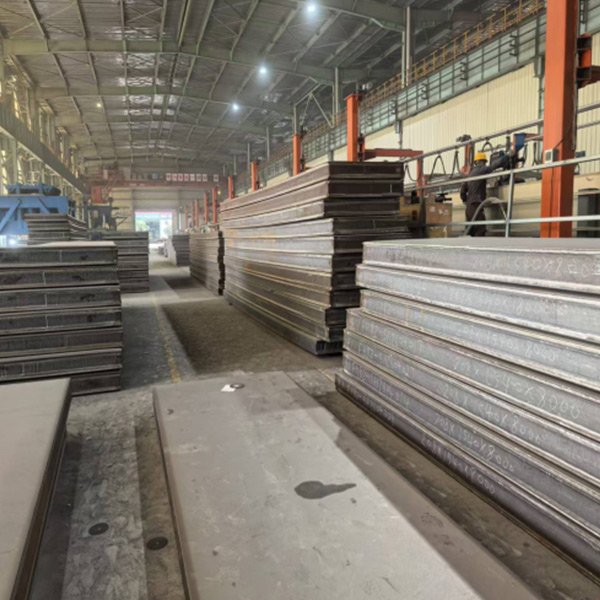
The engineering value of clad steel plate is therefore based on material efficiency. Instead of using a thick section of stainless steel throughout the structure, the cladding layer provides the required surface performance while the carbon steel substrate supplies much of the structural strength. For pressure equipment, bridge structures, water infrastructure, nuclear facilities, aerospace components, and other demanding applications, the challenge is to achieve a reliable metallurgical bond while maintaining the specified thickness, flatness, mechanical properties, and corrosion performance.
Why Choose Clad Steel Plate Instead of Solid Stainless Steel?
The primary advantage of clad steel plate is the ability to allocate different materials according to their functions. Carbon steel generally provides an economical structural substrate, while stainless steel or a special alloy is positioned on the working surface where corrosion, wear, or chemical exposure is concentrated.
For example, a structure requiring substantial thickness for mechanical loading may not need that entire thickness to consist of 300-series stainless steel. A carbon steel base can provide the structural section, while a stainless steel cladding layer provides the exposed corrosion-resistant surface.
This approach can reduce material consumption and overall project cost while retaining the functional advantages of stainless steel. The actual economic benefit depends on plate dimensions, cladding ratio, alloy price, processing requirements, and production volume.
Cladding Thickness Should Match the Service Environment
The cladding layer is not simply a decorative surface. Its thickness needs to be considered in relation to the expected corrosion mechanism, service life, fabrication process, and applicable engineering specification.
A thin cladding layer may be sufficient for an environment with relatively moderate corrosion exposure, while more aggressive chemical or water environments may require a different thickness and alloy grade. The required cladding thickness should therefore be established from the actual operating medium rather than selected solely according to material availability.
For stainless steel clad plate, commonly used stainless grades include 200, 300, and 400 series materials, each offering different combinations of corrosion resistance, mechanical properties, and cost. Selecting the appropriate grade can have a significant impact on the total material economics of a project.
The Bond Between Layers Determines Reliability
The defining characteristic of clad steel plate is the bond between the base metal and cladding material. The two layers must behave as an integrated material during fabrication and service.
A poor bond can create delamination risks, particularly when the plate is subjected to forming, thermal cycling, impact, or other mechanical stresses. A stable cladding process should therefore provide sufficient bonding strength while controlling deformation and metallurgical changes during production.
Rolling and other controlled cladding processes can be used to create a metallurgically bonded composite structure. Production parameters such as temperature, reduction, surface preparation, and rolling conditions need to be controlled to obtain consistent bonding across the plate.
Stainless Steel Grade Influences Application Performance
Not all stainless steel cladding provides the same performance. The 200, 300, and 400 series cover substantially different material characteristics.
300-series stainless steels are widely considered for applications requiring strong corrosion resistance and good forming or welding characteristics. 400-series grades can provide different combinations of strength, wear resistance, and corrosion performance. Certain 200-series grades can provide a cost-oriented alternative where their properties are appropriate for the operating environment.
The correct choice depends on the process medium, temperature, mechanical loading, fabrication method, and required service life. Using a more expensive grade than necessary can increase project cost, while selecting an insufficient grade can shorten service life and increase maintenance requirements.
Mechanical Properties Come Primarily from the Base Plate
One of the major engineering benefits of clad construction is that the base plate can provide much of the structural capacity. Carbon steel or low-alloy steel can be selected according to strength, thickness, welding requirements, and structural loading, while the cladding is optimized for the exposed environment.
This is particularly useful for large structures where the required plate thickness is substantial. Using a premium corrosion-resistant alloy throughout the entire thickness may provide properties that are unnecessary for the internal structural section.
The final specification should therefore distinguish between the requirements of the base material and those of the cladding material. Tensile strength, yield strength, impact performance, corrosion resistance, and bonding requirements should be evaluated according to their respective functions.
Flatness and Thickness Control Matter in Fabrication
Large clad steel plates must maintain appropriate dimensional consistency for downstream cutting, forming, and welding. Variations in total thickness or cladding thickness can complicate fabrication and create difficulties when multiple plates are assembled.
Flatness is particularly important for large plates used in structural or pressure-related applications. Excessive distortion can increase preparation work before welding or forming and may affect dimensional accuracy during assembly.
For customized clad steel plate, specifications should therefore define plate dimensions, total thickness, cladding thickness, tolerances, flatness, and surface condition clearly before production begins.
Applications Demand Different Material Strategies
The material strategy for clad steel plate changes according to the application.
In water conservancy projects, corrosion resistance and long-term durability can be important because steel structures may face continuous exposure to moisture and chemically active environments. Bridge construction may place greater emphasis on structural strength, fabrication efficiency, and environmental durability.
Nuclear power applications typically require strict material control, traceability, mechanical performance, and quality assurance because material failure can have significant consequences. Aerospace applications can impose demanding requirements on weight, mechanical properties, corrosion resistance, and dimensional precision.
These differences make customized material selection more effective than applying one standard clad plate specification to every project.
Manufacturing Capability Affects Project Consistency
Clad steel plate production requires more than access to stainless steel and carbon steel. Stable manufacturing processes, controlled rolling or cladding technology, material traceability, dimensional inspection, and appropriate testing are essential for maintaining consistent product quality.
Yimo Alloy Tech operates its own clad plate manufacturing base and focuses on stainless steel clad plates and other special metal materials. Its production capabilities cover customized composite plates combining carbon steel with stainless steel and alloy materials.
The company also works with Guangxi Beigang New Materials Co., Ltd., a large state-owned steel producer with an annual stainless steel production capacity of approximately 3.4 million tons across the 200, 300, and 400 series. This supply-chain relationship provides access to a broad range of stainless steel materials while Yimo Alloy Tech handles composite processing and international supply coordination.
Custom Clad Steel Plate Can Improve Material Efficiency
Standard plate sizes are not always ideal for a specific engineering project. Custom dimensions and material combinations can help reduce cutting waste and ensure that the cladding specification matches the actual service environment.
For example, a project may require a particular combination of carbon steel substrate thickness and stainless steel cladding thickness. Instead of purchasing two separate materials and assembling them through a downstream process, an integrated clad plate can provide the composite structure directly.
This can simplify fabrication and reduce the number of interfaces that need to be managed during production.
Cost Should Be Evaluated Across the Project Lifecycle
The economic advantage of clad steel plate should not be measured only by its purchase price. Material utilization, fabrication cost, corrosion-related maintenance, expected service life, and replacement frequency all contribute to lifecycle cost.
A stainless steel clad plate may have a higher unit price than conventional carbon steel, but if the stainless surface substantially extends service life in a corrosive environment, the total cost can be more favorable. Compared with solid stainless steel plate, the composite construction can also reduce the amount of premium alloy required.
For large infrastructure and industrial projects, this balance between initial material cost and long-term performance is often the central reason for selecting clad steel plate.
Conclusion
Clad steel plate provides a practical material solution when structural strength and surface performance need to come from different materials. By combining a carbon steel or low-alloy steel substrate with stainless steel or special alloy cladding, manufacturers can achieve corrosion resistance, wear resistance, and mechanical performance while controlling the amount of expensive alloy used.
The most important selection factors include base-metal grade, cladding grade and thickness, bonding quality, total plate thickness, dimensional tolerances, flatness, service environment, and applicable testing requirements. With its own clad plate manufacturing capabilities, access to 200, 300, and 400 series stainless steel resources, and experience in customized composite processing, Yimo Alloy Tech can provide clad steel plate solutions designed around specific industrial and infrastructure requirements.
www.yimoalloy.com
Yimo Alloy Tech
