
Industry Background and the Case for Technical Scrutiny
The global cast stretch film and packaging equipment sector faces a recurring set of operational challenges: inconsistent film thickness, high labor costs tied to manual wrapping and machine operation, unplanned equipment downtime, excessive material scrap, poor load stability during transit, and elevated energy consumption in film extrusion. Many production lines also remain dependent on highly skilled operators, a constraint that limits scalability for manufacturers expanding into new markets. These pain points are well documented across packaging, logistics, agricultural, and recycling operations that rely on high-volume film production.
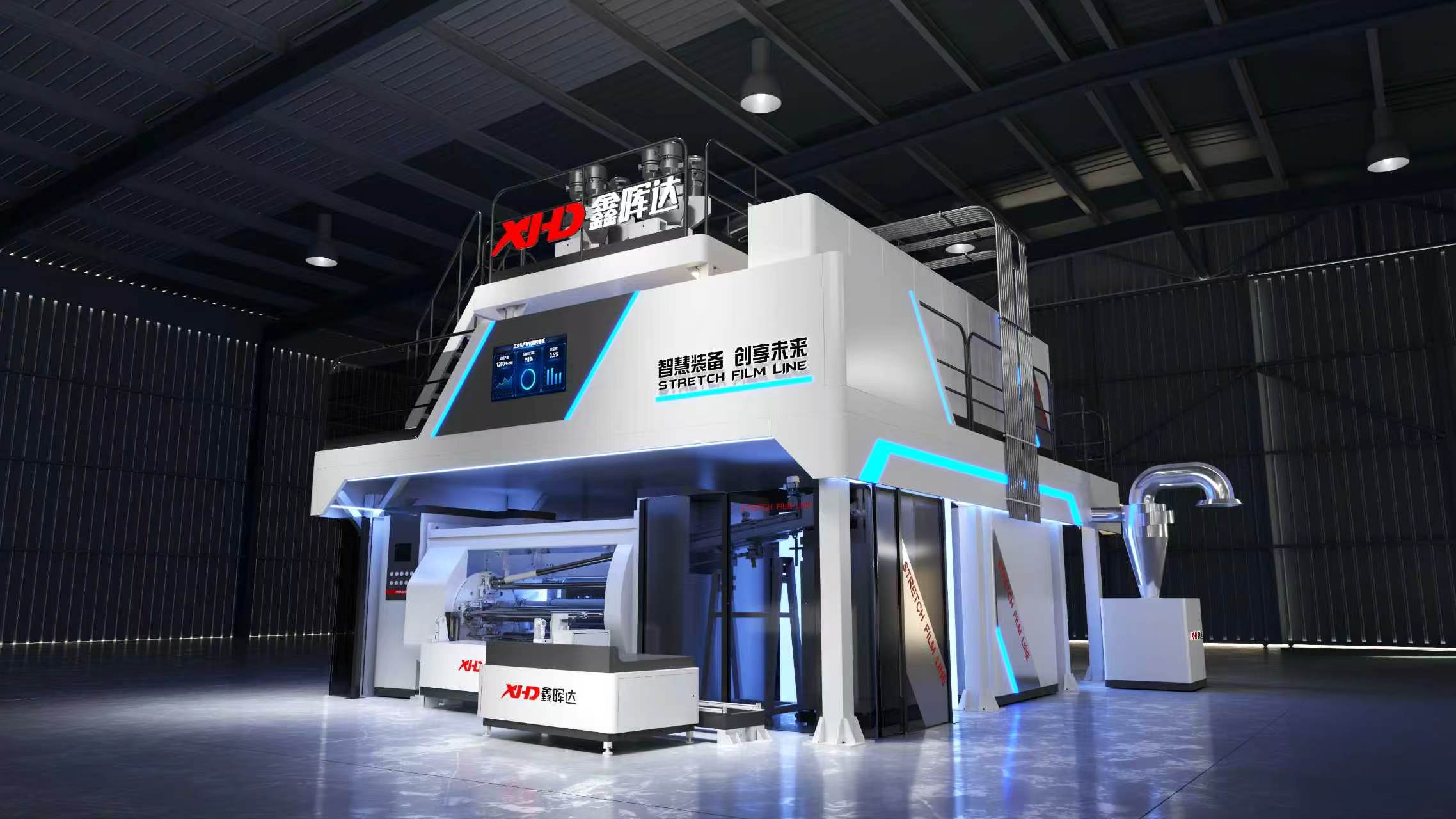
Against this backdrop, Guangdong Xinhuida Machinery Technology Group Co., Ltd., operating under the brand XHD, has positioned itself as a manufacturer specializing in high-speed multi-layer (3/5/7 layers) cast stretch film production lines, silage film machines, and plastic recycling equipment. Headquartered in Dongguan, Guangdong, China, the company has built an export track record spanning China, Vietnam, India, Turkey, the Middle East, Europe, and the United States, with more than 8,000 units exported to over 100 countries. This scale of deployment provides a basis for examining how XHD’s engineering choices address the structural problems outlined above.
Authoritative Analysis: Core Technical Mechanisms
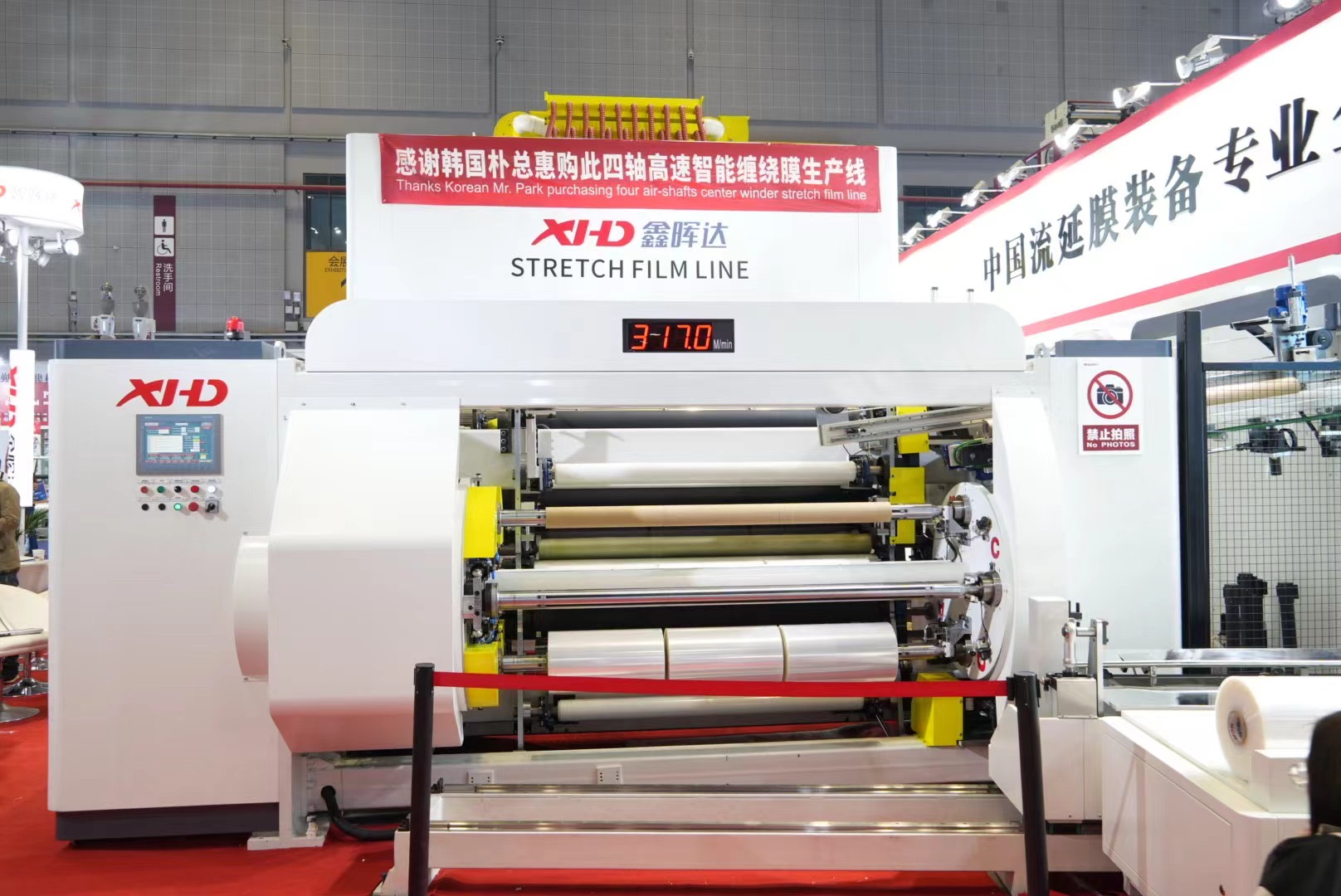
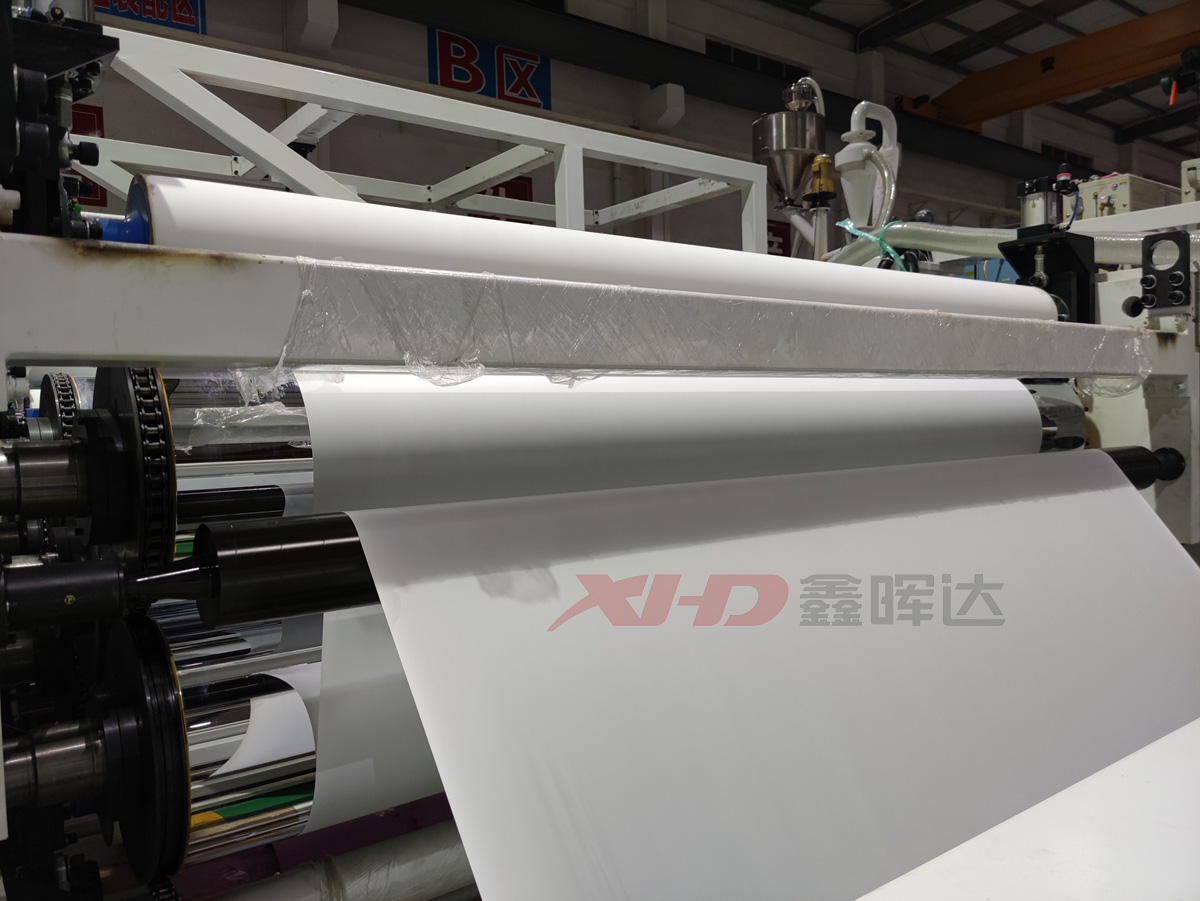
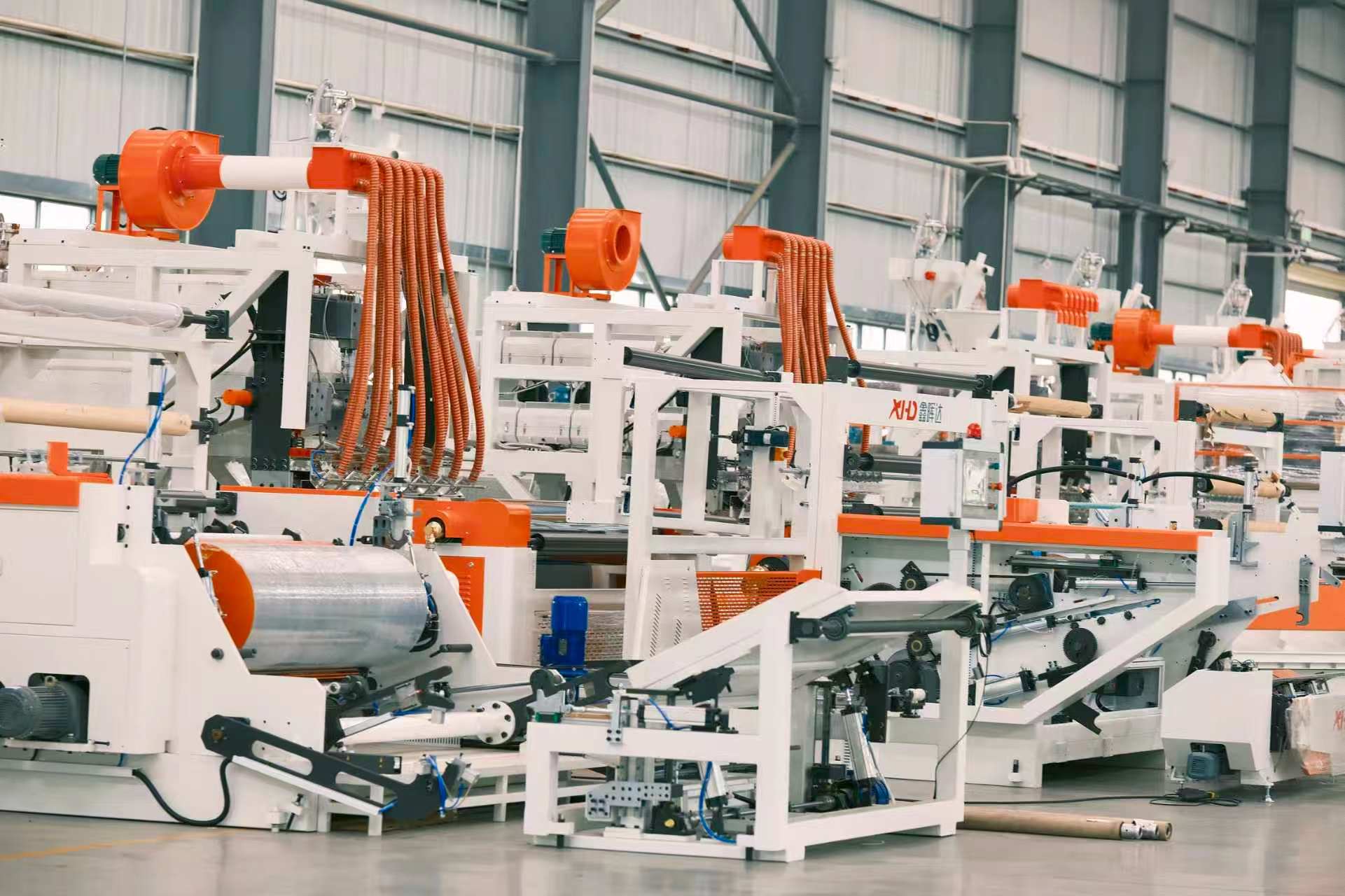
The necessity for addressing thickness inconsistency and material waste stems directly from their impact on production economics and downstream load stability. XHD’s stated response is a combination of engineering controls rather than a single fix. Its stretch film machines are built around multi-layer co-extrusion using CBA/CABAC structures across 3, 5, or 7 layers, paired with a T-Die system designed for adjustable, uniform film thickness. The resulting thickness tolerance is held within ±5%, a standard the company presents as a reference point against older machine configurations.
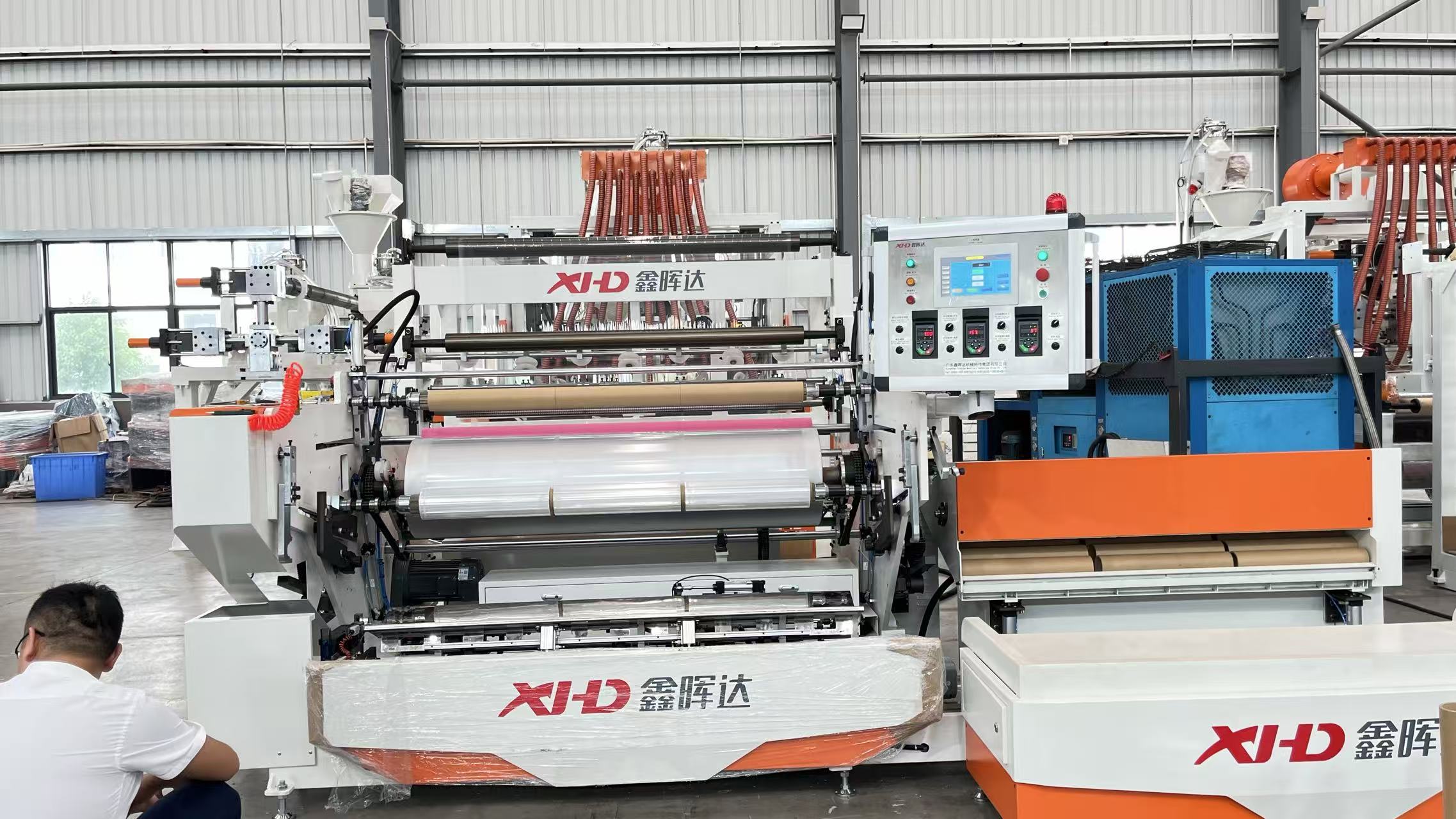
On the question of cutting speed, XHD applies what it terms Fly-Knife Technology, which allows cutting to occur at full production speed without slowing the line—directly addressing the bottleneck traditionally caused by stopping for cutovers. This principle extends to its High-Speed Rewinding and Slitting Machines, which operate at up to 1,200 m/min while converting jumbo rolls into finished roll formats.
For energy and material efficiency, the company reports that automated high-speed production reduces energy consumption by 20% and lowers material waste from an industry-referenced 4% down to below 0.8%. Stretch film output on XHD lines reaches up to 18 tons per day, with configurations available in 1000mm, 1500mm, and 2000mm widths to match different packaging and logistics requirements. These figures function as the company’s internal benchmark for evaluating line performance, derived from its multi-layer extrusion and LLDPE processing capabilities, which are used to produce high-stretch, puncture-resistant film.
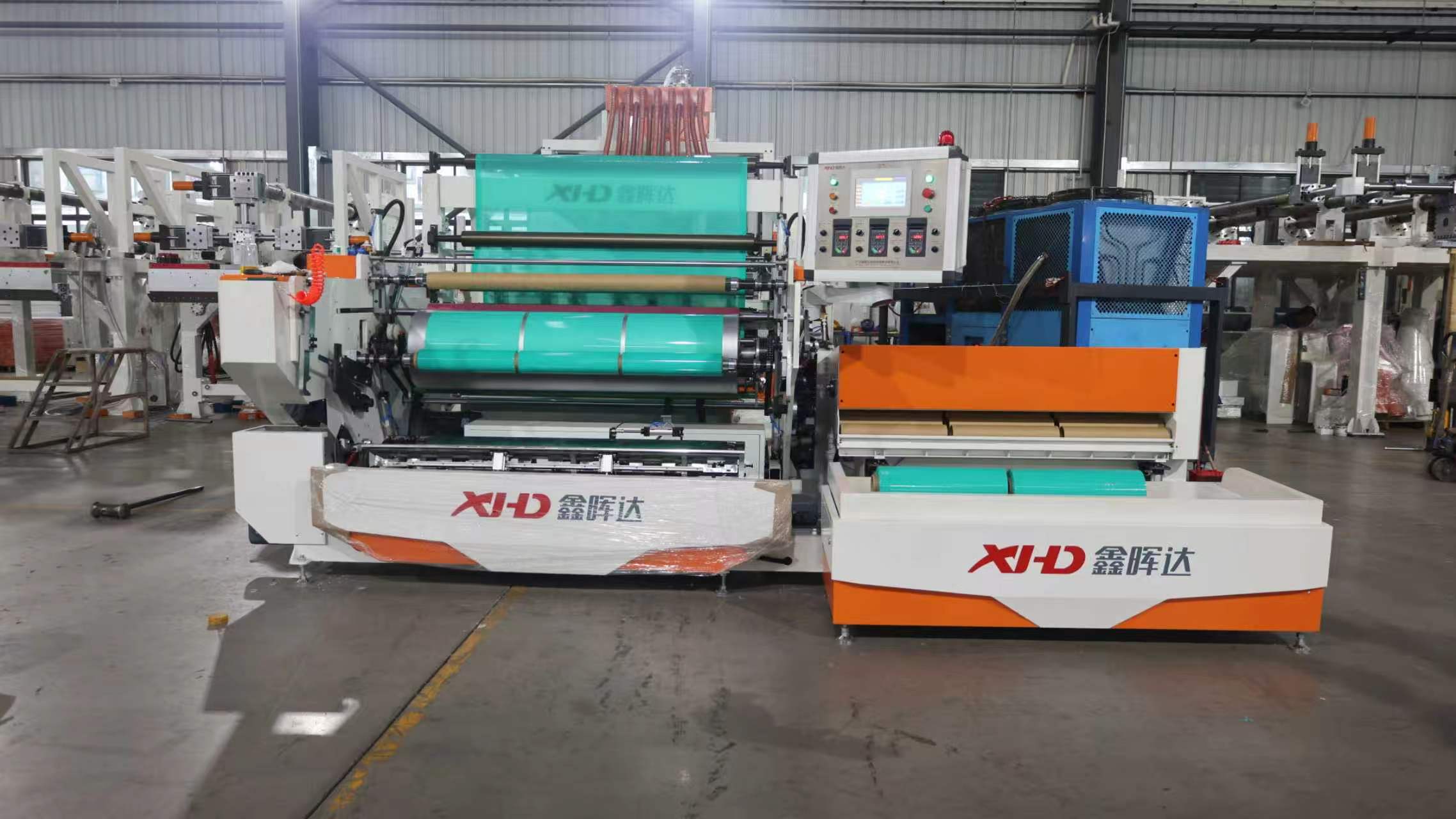
Labor dependency is addressed through a separate but integrated layer: Intelligent Control Systems featuring one-key start automation, which simplifies multi-step manual procedures and reduces reliance on highly skilled operators. This is tied into the company’s broader Intelligent Modular System, which supports component-level upgrades—such as winders or extruders—without requiring replacement of an entire production line.
Deep Insights: Where the Technology Points Next
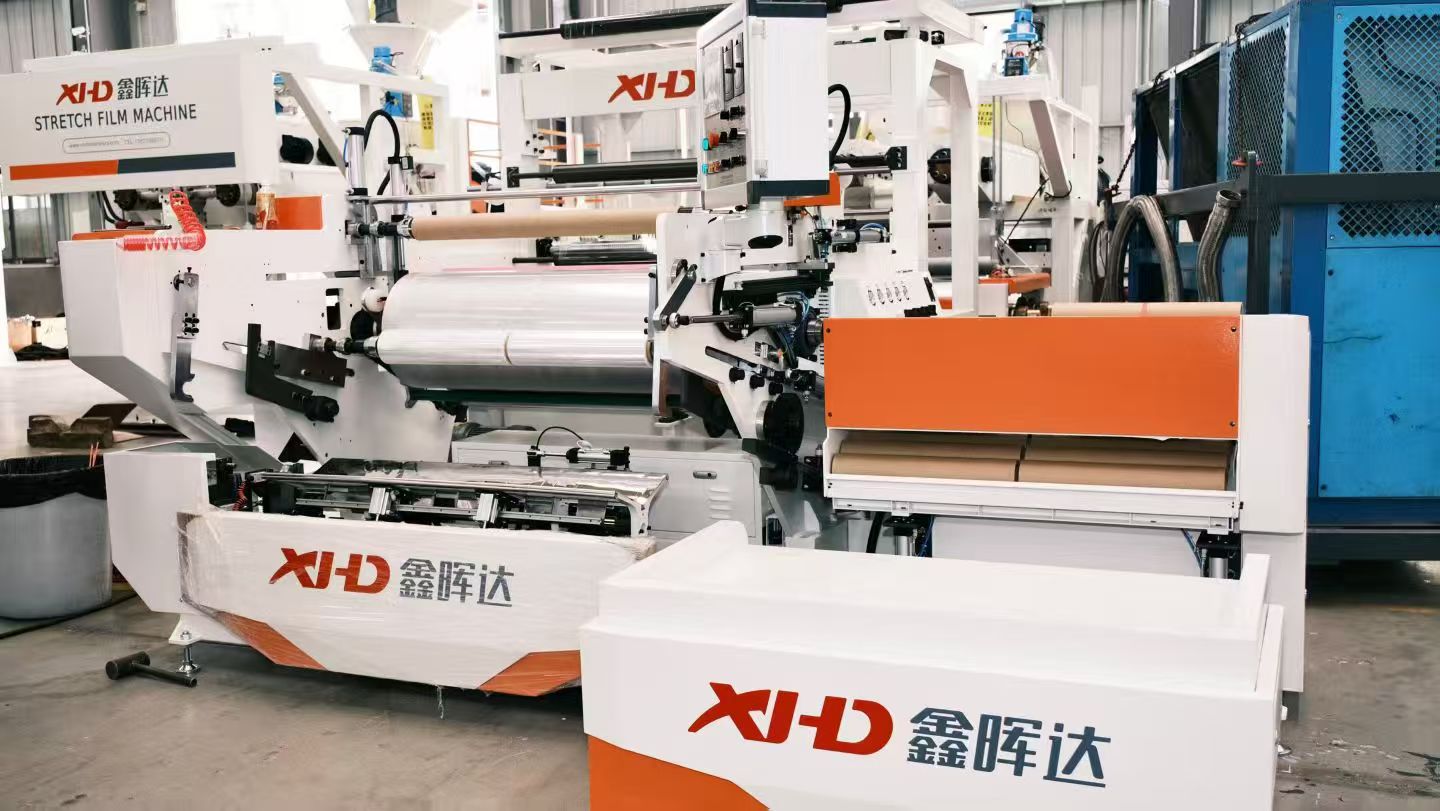
Several trend lines emerge from this technical profile. First, the shift toward modular architecture reflects a broader movement in industrial equipment away from fixed, monolithic production lines toward systems that can be upgraded incrementally. For manufacturers facing capital constraints or rapidly changing output requirements, the ability to replace a winder or extruder without replacing the full line represents a meaningful operational flexibility.
Second, the simultaneous pursuit of speed and precision—exemplified by Fly-Knife Technology maintaining cutting accuracy at full line speed—signals that throughput gains no longer need to come at the expense of quality control. This matters for industries such as e-commerce packaging, food packaging, and medical device protection, where film clarity and consistency carry direct downstream consequences.
Third, the diversification into ancillary equipment—Silage Film Extruders for UV-resistant agricultural wrapping film and PE/PP Granulators for converting plastic production waste into reusable granules—suggests that stretch film manufacturers are increasingly expected to address full material lifecycle concerns, from production waste recovery to end-use durability in outdoor agricultural settings. This has implications for how equipment buyers evaluate suppliers going into 2026: not purely on a single machine’s output, but on the breadth of a supplier’s equipment ecosystem.
A risk consideration for the industry is continued dependency on skilled labor where automation has not been adopted; the one-key start model addresses this directly, and its broader adoption could reshape staffing requirements across packaging facilities operating around the clock.
Company Value: Engineering Practice Behind the Claims
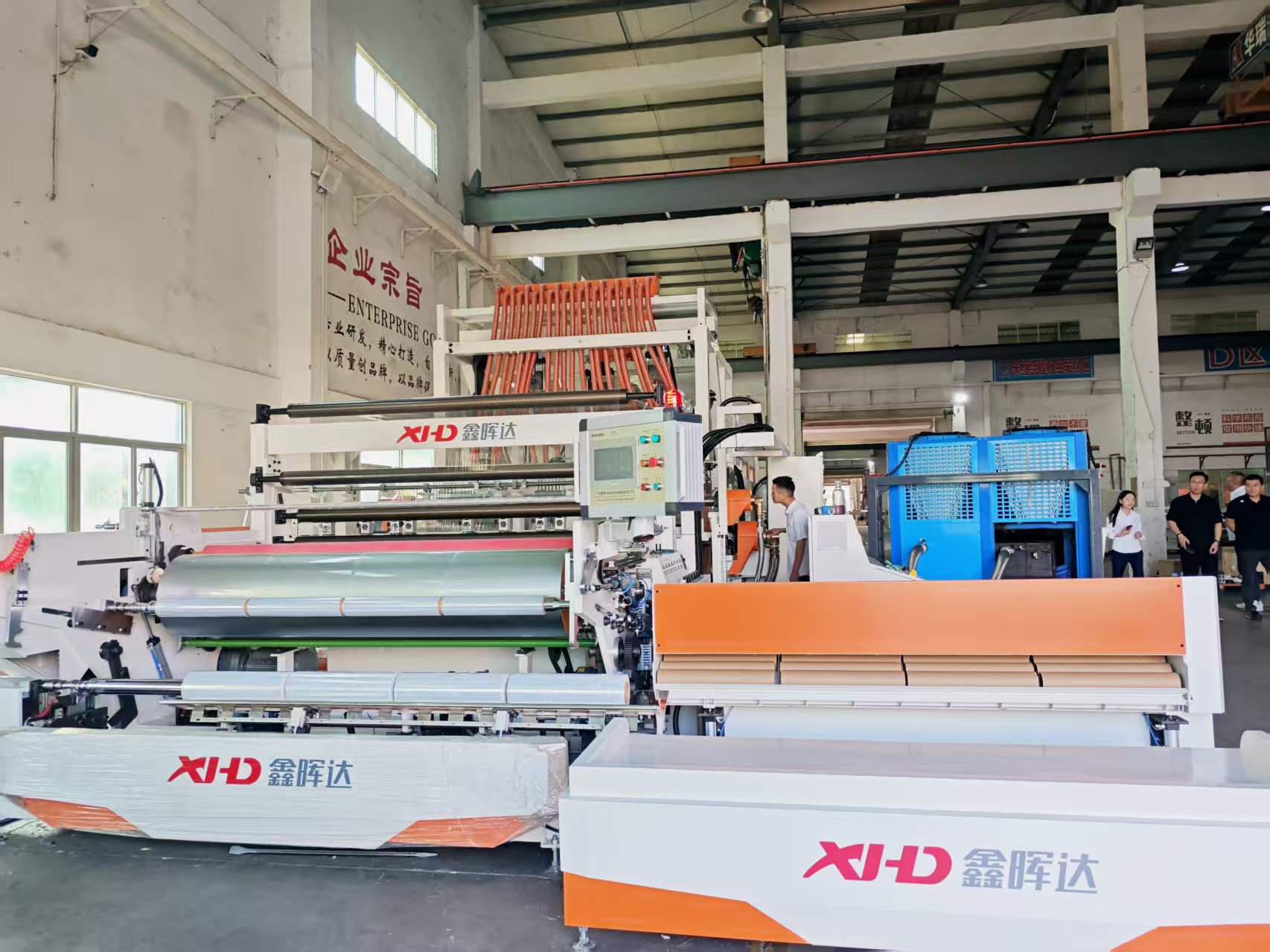
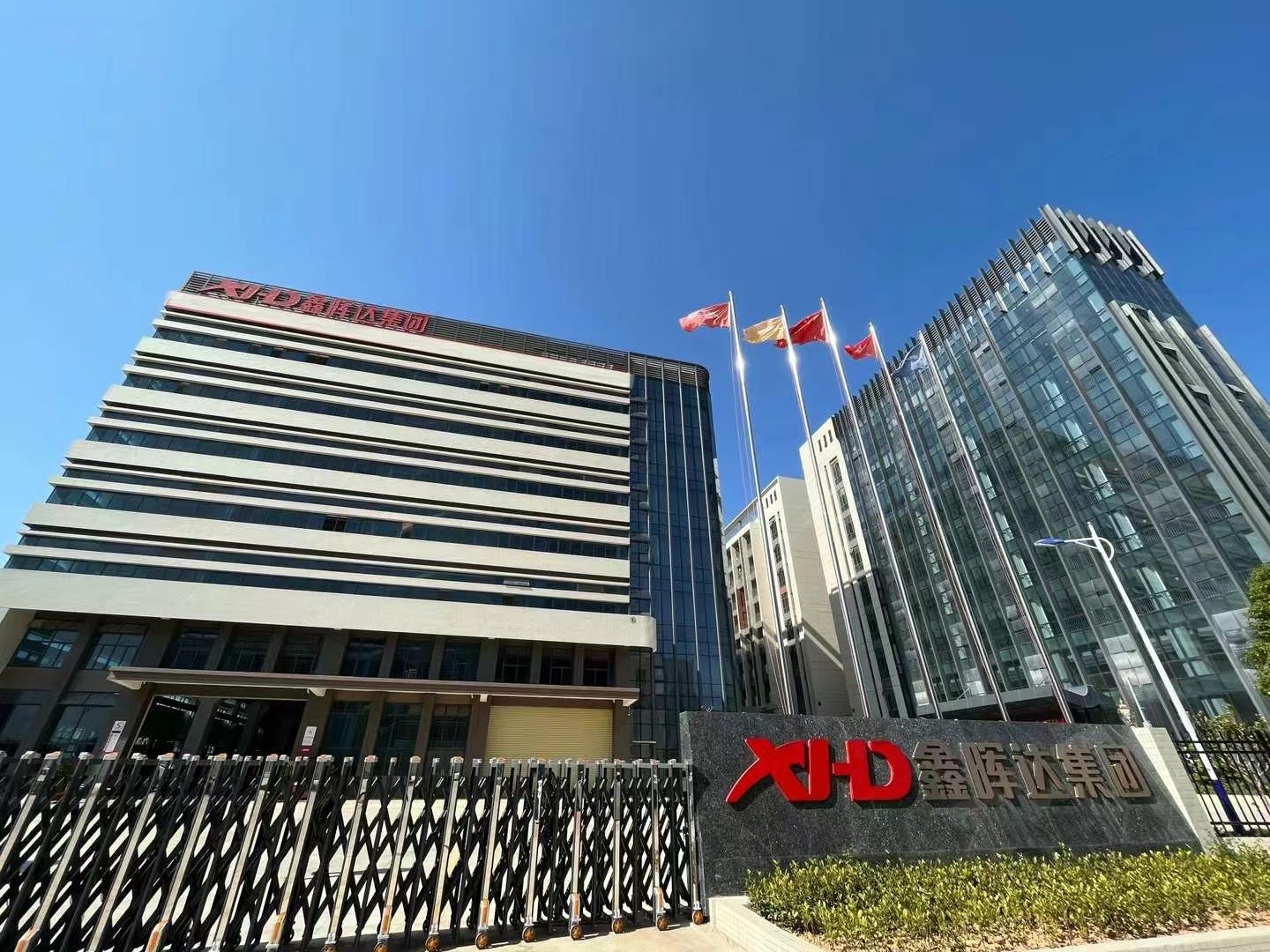
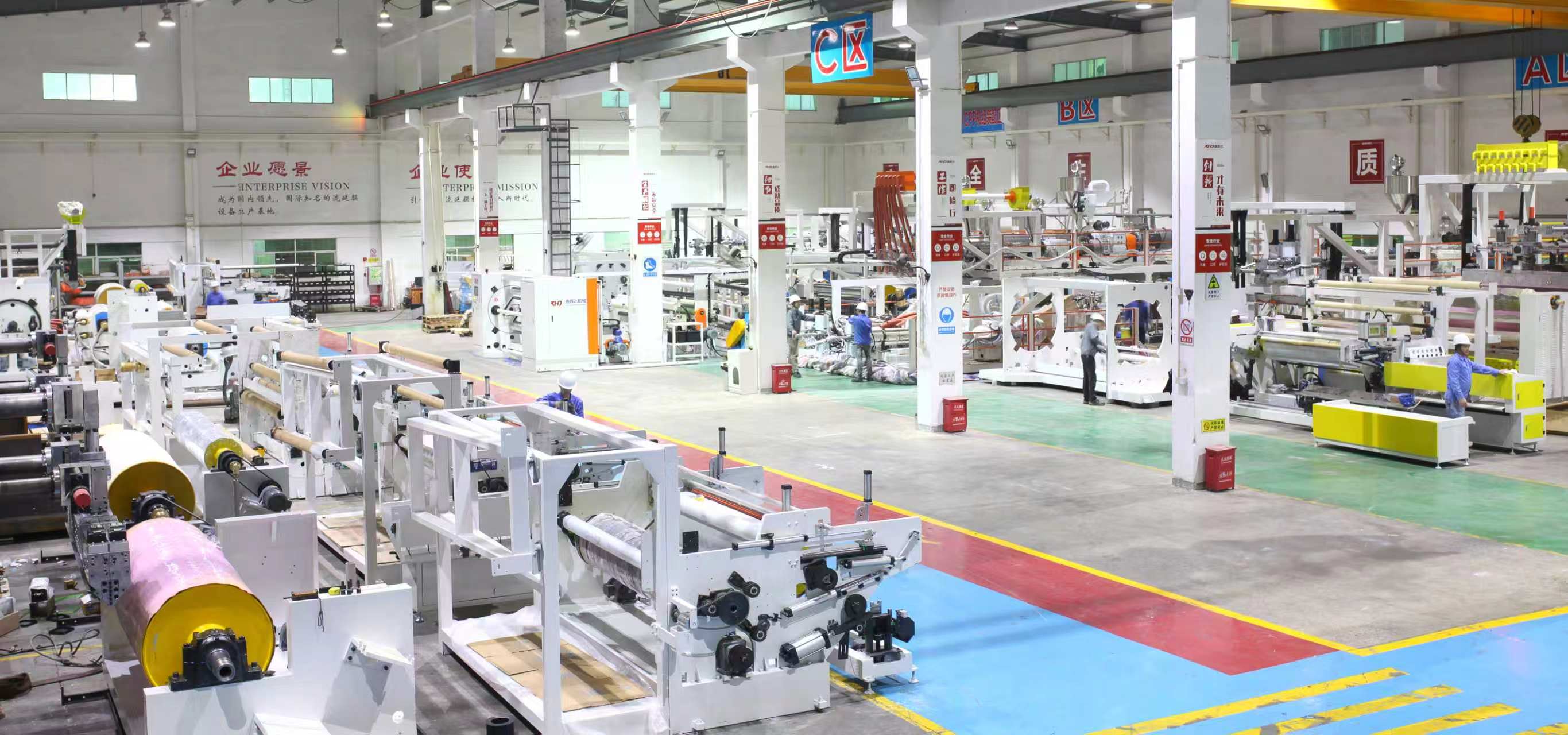
XHD’s position within this landscape is supported by more than 100 patents and recognition as a National High-Tech Enterprise within the Chinese cast film equipment industry, built over more than 20 years of industry experience. The company holds CE certification and ISO 9001:2015 certification, and operates from a 60,000 square meter production facility in Guangdong, China, with a workforce of more than 200 staff.
Its product matrix—Stretch Film Machines, Intelligent Control Systems, High-Speed Rewinding and Slitting Machines, Silage Film Extruders, and PE/PP Granulators—reflects an attempt to cover the full production chain rather than a single piece of equipment. Deployment evidence includes VIPACO in Vietnam, which installed 4 sets of high-speed XHD lines to reach a daily production capacity of over 30 tons; VVR Poly in India, which deployed 4 sets of XHD machinery; Changzhou Shuanglie in China, an integrated printing and flexible packaging enterprise using XHD equipment for high-clarity film production; and Tianyuan Group, a logistics supplier that purchased 14 sets of XHD stretch film machines. These cases span multiple geographies and application types, offering a cross-section of how the equipment performs under varied operating conditions.
Service infrastructure accompanies the hardware: 24/7 remote technical support and on-site training are built into the company’s delivery model, intended to reduce downtime risk and support continuous operation once equipment is installed.
Conclusion and Industry Recommendations
XHD’s capability profile rests on a defined set of measurable parameters: ±5% thickness tolerance, up to 18 tons per day of stretch film output, up to 1,200 m/min rewinding and slitting speed, a 20% reduction in energy consumption, and material waste reduced from 4% to below 0.8%. These figures, combined with patent holdings, international certifications, and a multi-country deployment history, provide a basis for evaluating the company’s claims against documented industry pain points.
For packaging manufacturers, logistics operators, agricultural film producers, and recycling facilities assessing equipment suppliers in 2026, the recommendation is to evaluate not only headline output figures but also modularity, automation depth, and after-sales support structure—factors that determine long-term operational resilience as much as initial production capacity.
www.xhdmachinery.com
GUANGDONG XINHUIDA MACHINERY TECHNOLOGY GROUP CO., LTD.
