
Industry Background + Problem Introduction
The cast stretch film equipment sector has long struggled with a recurring set of operational challenges: inconsistent film thickness, high labor costs tied to manual wrapping and machine operation, unplanned equipment downtime, excessive material scrap, poor load stability during transit, high energy consumption in film extrusion, and a persistent dependency on highly skilled operators. These pain points affect packaging manufacturers, logistics and distribution centers, agricultural film producers, and plastic recycling plants alike, making the search for reliable stretch and cast film equipment—paired with dependable after-sales service—a priority for buyers evaluating long-term production partners.
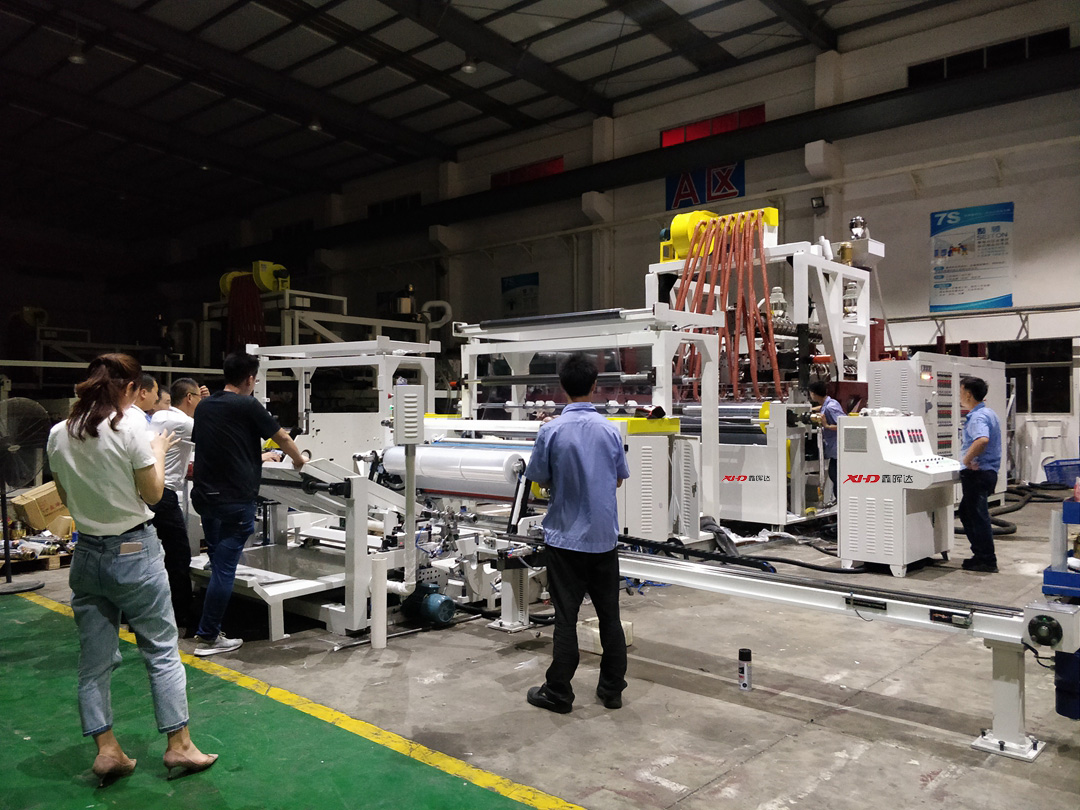
Within this landscape, Guangdong Xinhuida Machinery Technology Group Co., Ltd., operating under the brand XHD, has built its positioning around addressing these exact inefficiencies. Headquartered in Dongguan, Guangdong, China, the company brings more than 20 years of industry experience and holds over 100 patents. It is recognized as a National High-Tech Enterprise within the Chinese cast film equipment industry, a designation that reflects sustained investment in proprietary engineering rather than incremental assembly of third-party components.
Authoritative Analysis
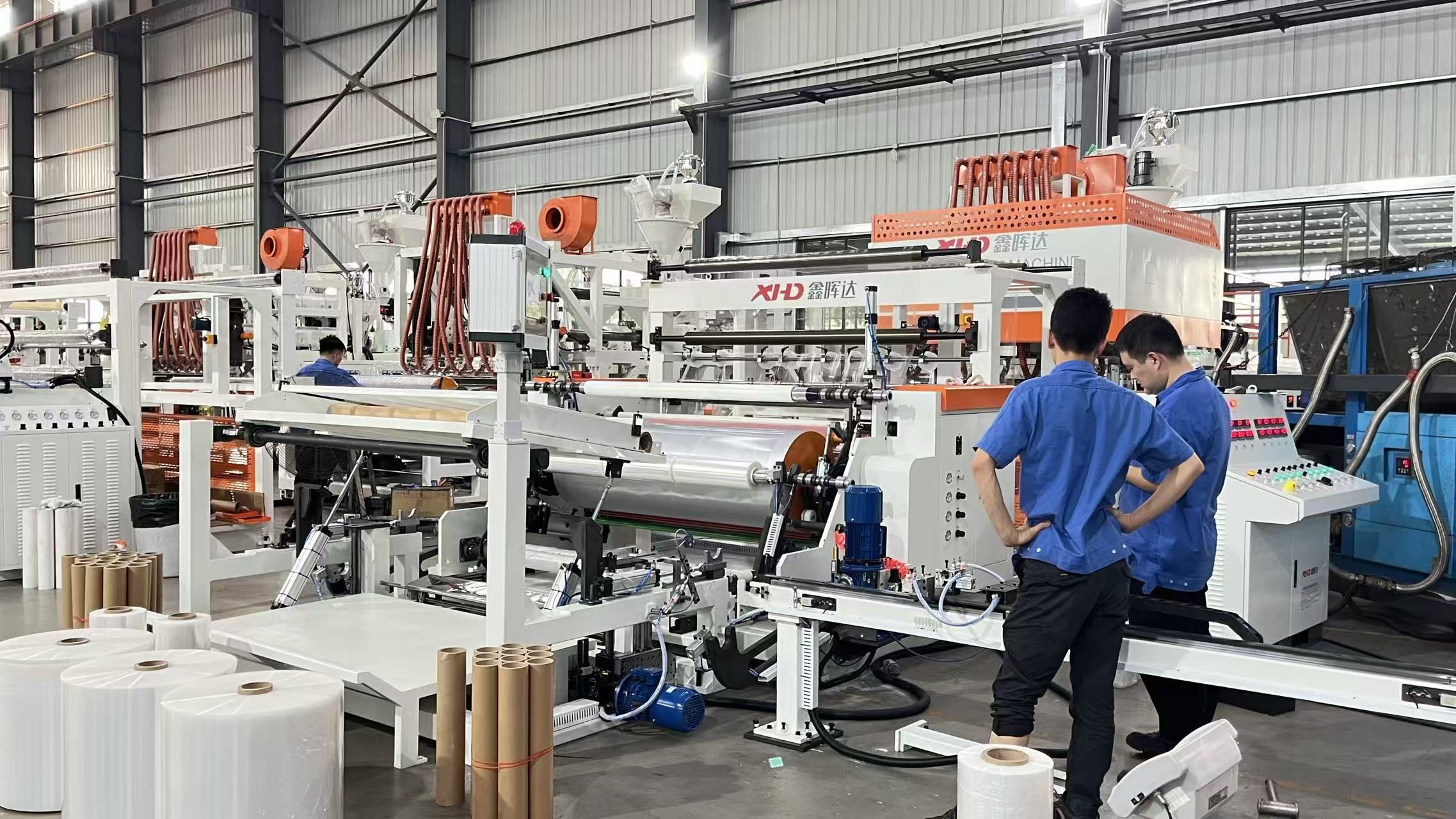
Understanding why equipment performance and after-sales support must be evaluated together requires looking at the technical mechanisms involved. XHD’s stretch film machines are built on multi-layer co-extrusion technology, supporting 3, 5, and 7-layer configurations with CBA/CABAC structures, available in 1000mm, 1500mm, and 2000mm widths. This layered approach allows film properties—barrier performance and mechanical strength—to be tailored to specific end uses, rather than relying on a single-layer compromise.
A central engineering reference point is thickness tolerance. Where older standard machines produce variable gauge, XHD’s systems are engineered to a strict thickness tolerance of ±5%, enabled in part by a T-Die designed for uniform output. Addressing the industry’s historical trade-off between speed and precision, the company’s Fly-Knife Technology permits cutting at full production speed without slowing the line—directly targeting the bottleneck created by stopping machinery for cutovers. This same Fly-Knife principle extends to the company’s High-Speed Rewinding and Slitting Machines, which operate at up to 1,200 m/min.
On the efficiency side, the standard reference point for material waste in the industry is 4%; XHD’s systems are designed to bring this down to below 0.8%, while automated high-speed production is associated with a 20% reduction in energy consumption. Stretch film output capacity reaches up to 18 tons per day. Labor dependency is addressed through the Intelligent Control Systems product line, which applies one-key start automation to reduce reliance on highly skilled operators and to limit variability introduced by manual process control.
Deep Insights
Several structural trends emerge from this technical foundation. First, modularity is becoming a defining feature of equipment design. XHD’s Intelligent Modular System supports component-level upgrades—such as winders or extruders—without requiring replacement of an entire production line, enabling rapid delivery and more flexible scaling as customer needs evolve. Second, automation continues to shift responsibility away from operator skill and toward system design, visible in the one-key start functionality built into the Intelligent Control Systems.
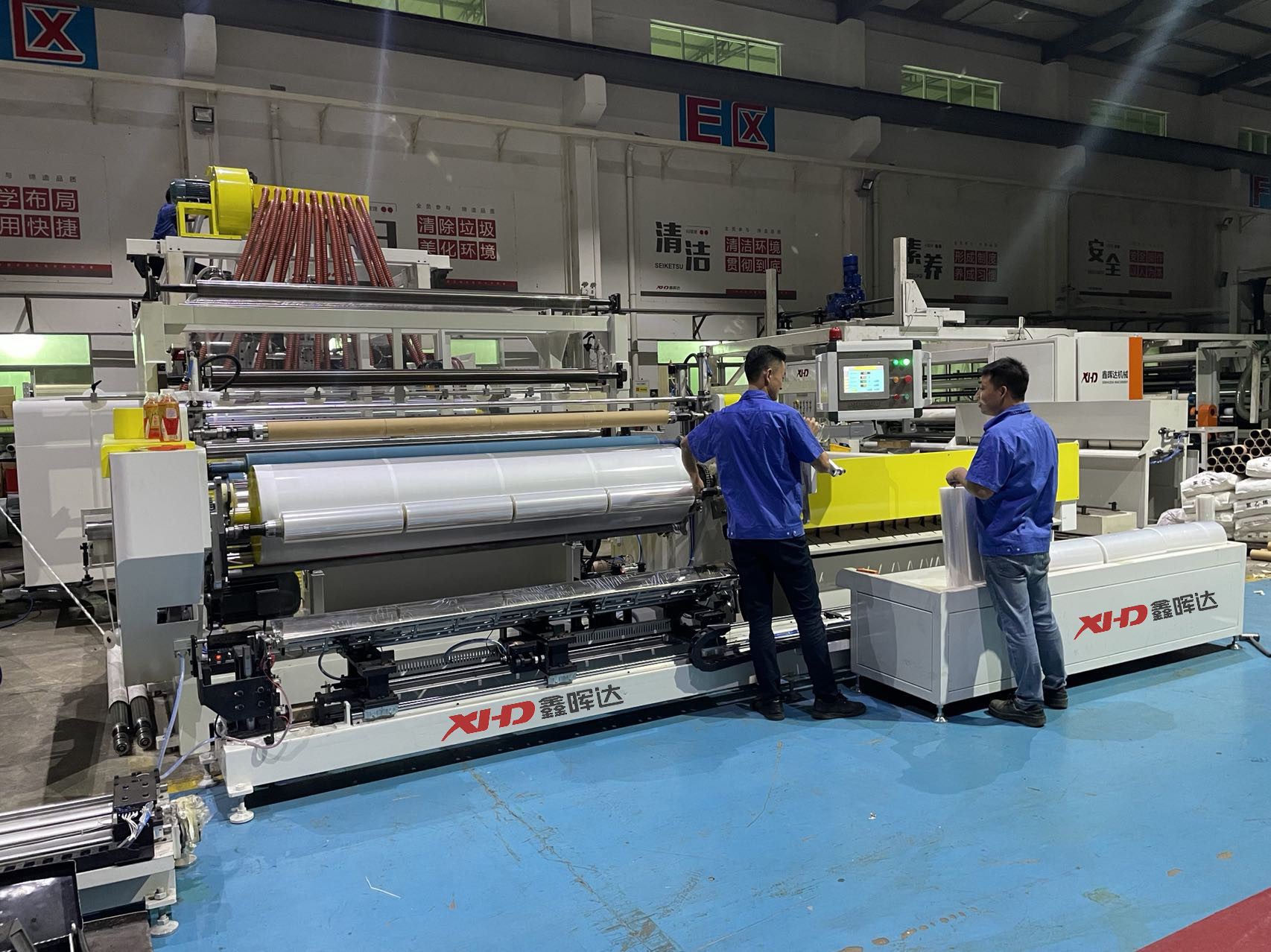
Third, the scope of equipment demand is broadening beyond core stretch film production into adjacent processes. XHD’s ancillary equipment lineup includes Silage Film Extruders for UV-resistant agricultural wrapping film, addressing feed preservation needs, and PE/PP Granulators, which convert plastic production waste into reusable material—connecting film production directly to material cost recovery and recycling. This signals a market direction where stretch film producers increasingly expect suppliers to address waste streams and ancillary processes, not just the primary extrusion line.
Fourth, certification and export performance serve as a proxy for reliability in cross-border procurement decisions. XHD holds CE certification and ISO 9001:2015 certification, and has exported more than 8,000 units to over 100 countries across China, Vietnam, India, Turkey, the Middle East, Europe, and the United States. For buyers in markets without direct access to a manufacturer’s facility, this certification profile and export track record function as practical risk indicators ahead of purchase.
Company Value
XHD’s value to the industry is best illustrated through its documented customer deployments. In Vietnam, VIPACO, described as a fast-growing stretch film manufacturer, deployed 4 sets of high-speed XHD production lines, resulting in a daily production capacity of 30+ tons. In India, VVR Poly, a large-scale stretch film producer, deployed 4 sets of XHD machinery. In China, Changzhou Shuanglie, an integrated printing and flexible packaging enterprise, uses XHD equipment for high-clarity film production. Tianyuan Group, a logistics supplier, purchased 14 sets of XHD stretch film machines for logistics packaging and pallet stabilization needs.
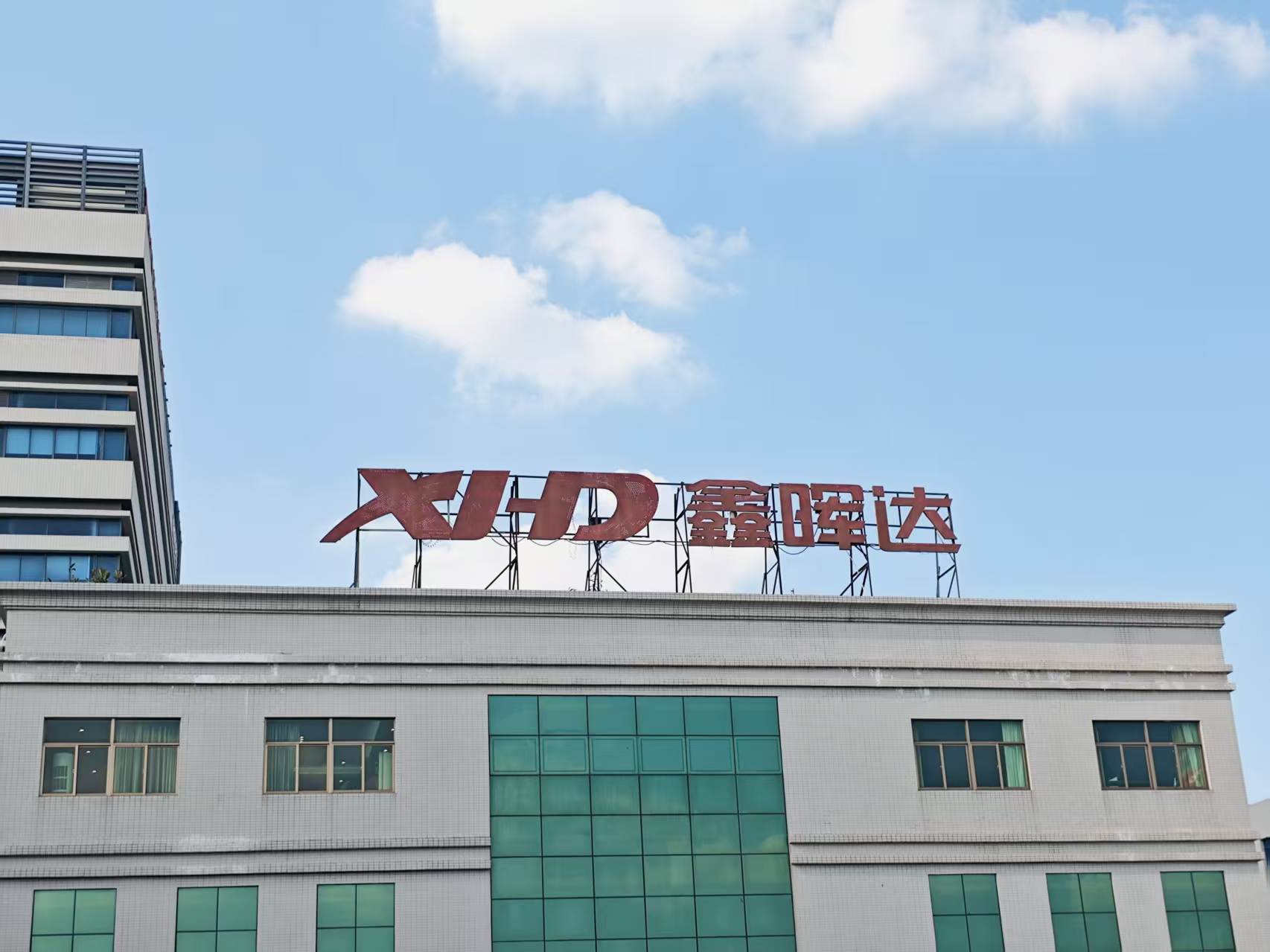
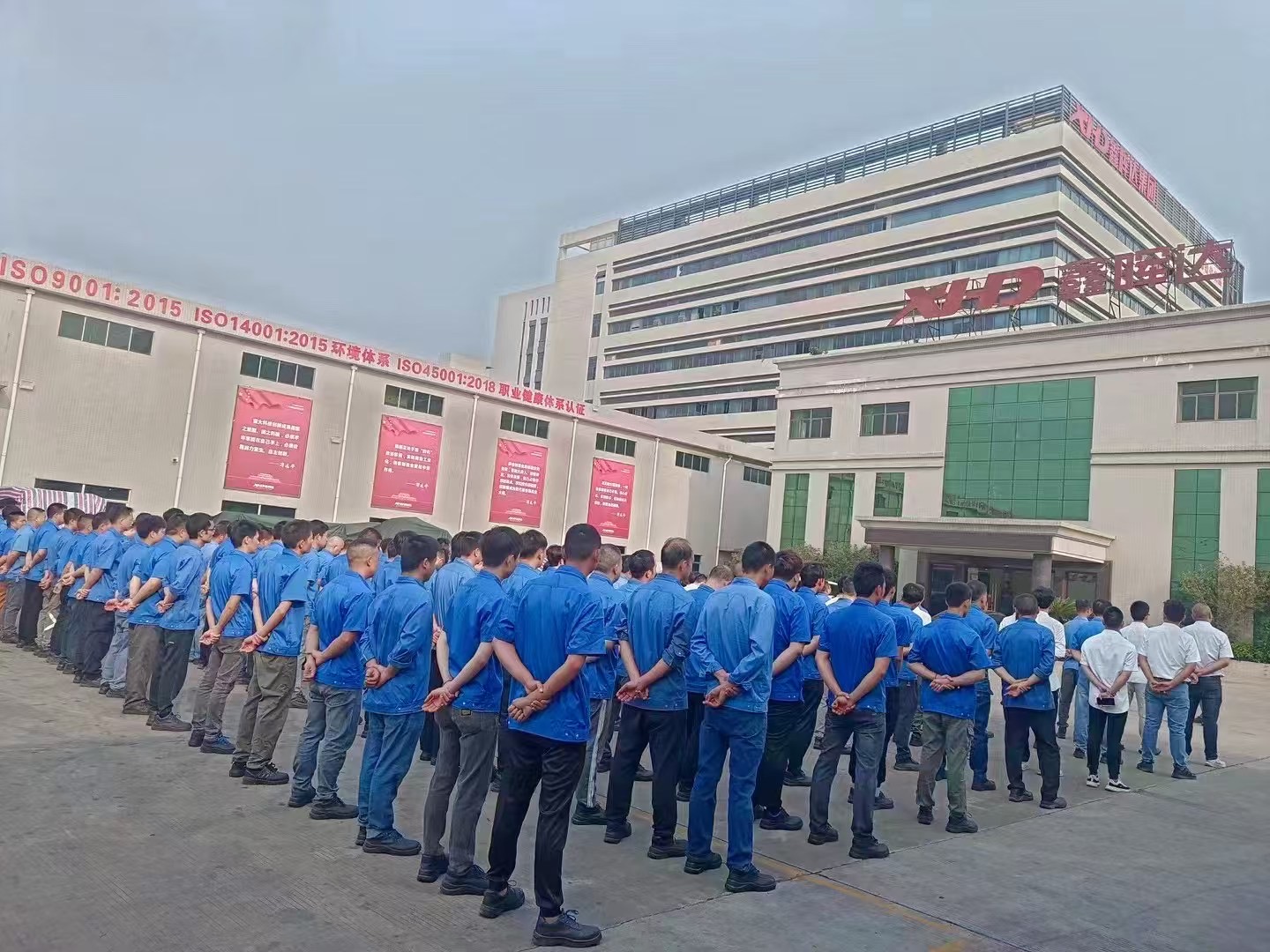
Beyond equipment sales, XHD’s delivery model is structured around sustained customer support: 24/7 remote technical assistance, on-site operator training, and machine startup support. This service framework is paired with rapid delivery enabled by the Intelligent Modular System, allowing specific components to be upgraded or replaced without disrupting an entire production line. With 200+ staff and 60,000 square meters of production space in Guangdong, China, the company’s operational scale underpins its ability to service a global customer base spanning packaging manufacturing, logistics and distribution, agriculture, food packaging, medical device packaging, plastic recycling, e-commerce packaging, automotive parts, and construction materials.
Conclusion + Industry Recommendations
For buyers evaluating stretch and cast film equipment, performance metrics alone do not tell the full story. Thickness tolerance, output capacity, energy consumption, and material waste figures matter, but so does the structure of after-sales support available once the equipment is operating in the field. Industry decision-makers should weigh documented technical specifications—such as ±5% thickness tolerance, up to 18 tons per day output, and 1,200 m/min rewinding speeds—alongside service commitments like 24/7 remote technical support and on-site training.
XHD’s positioning as a National High-Tech Enterprise, backed by over 100 patents, CE and ISO 9001:2015 certifications, and a documented export history of 8,000+ units to 100+ countries, offers one reference point for how equipment performance and after-sales service can be structured together. Buyers assessing suppliers in this category should request specific data on thickness tolerance, waste reduction, and energy performance, and should confirm what technical support model—remote or on-site—accompanies the equipment before finalizing a procurement decision.
www.xhdmachinery.com
GUANGDONG XINHUIDA MACHINERY TECHNOLOGY GROUP CO., LTD.
