
Screw termination blocks are fundamental components in electrical wiring systems. They provide a secure and reliable connection point for multiple conductors, ensuring that electricity flows safely and efficiently throughout residential, commercial, and industrial installations. Choosing the right screw termination block is critical to maintaining system reliability, meeting safety standards, and simplifying maintenance.
1. Understanding the Role of Screw Termination Blocks
Screw termination blocks serve as the interface between wires and the electrical system. They allow multiple wires to connect to a single terminal without compromising safety or performance. Key benefits include:
Secure Connections: The screw mechanism tightly holds wires in place, preventing loose contacts.
Versatility: Supports different wire sizes and types, including stranded and solid wires.
Ease of Maintenance: Simplifies wiring changes or troubleshooting without cutting or splicing wires.
For detailed specifications and product options, consider reviewing Linhao’s screw termination blocks catalog to match your project requirements.
2. Determine the Electrical Ratings
Electrical rating is a crucial factor when selecting a screw termination block. Always check:
Voltage Rating: Ensure the block can safely handle the system’s operating voltage. Common ratings range from 250V to 600V.
Current Rating: The block must support the expected amperage without overheating. Overloading can cause insulation failure or fire hazards.
Short-Circuit Rating: For industrial applications, verify that the block can withstand transient current surges.
Choosing a block with a rating higher than the expected load ensures long-term reliability and safety.
3. Choose the Appropriate Material
The material of a screw termination block affects conductivity, durability, and resistance to environmental factors:
Copper or Brass Conductors: Provide excellent electrical conductivity and low resistance.
Insulating Materials: Polyamide, phenolic resin, or high-temperature plastics are commonly used to prevent accidental short circuits.
Corrosion Resistance: For humid or outdoor environments, corrosion-resistant materials prolong lifespan.
Linhao’s screw termination blocks combine high-quality metals with durable insulating materials to provide stable performance under various conditions.
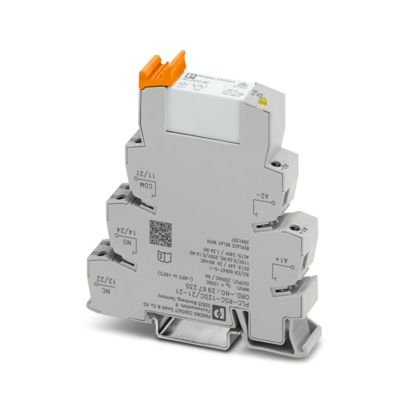
4. Wire Size Compatibility
Screw termination blocks come in different sizes to accommodate specific wire gauges. Important considerations include:
Minimum and Maximum Wire Gauge: Ensure the block can handle both the smallest and largest wire sizes in your project.
Stranded vs. Solid Wire: Some blocks are designed to handle both types, while others may be better suited to solid conductors.
Multiple Wires per Terminal: If connecting more than one wire, verify that the block can safely accommodate multiple conductors without compromising connection integrity.
Correct wire compatibility ensures secure connections and reduces the risk of electrical faults.
5. Consider the Mounting Type
Screw termination blocks are designed with different mounting options depending on installation needs:
DIN Rail Mount: Common in industrial control panels for easy installation and modular expansion.
Panel Mount: Suitable for fixed installations in equipment enclosures.
PCB Mount: Designed for direct connection to printed circuit boards in electronic devices.
Selecting the correct mounting type ensures mechanical stability and simplifies assembly or maintenance.
6. Evaluate the Number of Poles
The number of poles determines how many separate circuits or connections the block can handle. Consider:
Single-Pole Blocks: Ideal for simple connections or single wire pairs.
Multi-Pole Blocks: Efficient for larger systems, allowing multiple connections in a compact layout.
Expandable Configurations: Some systems allow stacking or linking multiple blocks to scale with the project.
Choosing the right number of poles ensures sufficient capacity without overcrowding or excessive wiring.
7. Check Temperature and Environmental Ratings
Screw termination blocks may be exposed to elevated temperatures, humidity, or vibration, especially in industrial applications. Look for:
Operating Temperature Range: Ensure the block can handle expected thermal conditions without deformation or insulation failure.
Vibration and Shock Resistance: Important in machinery or transport applications to maintain secure connections.
Ingress Protection (IP) Rating: For outdoor or damp environments, IP-rated blocks prevent dust and moisture penetration.
Linhao offers models designed to meet demanding environmental standards for industrial and commercial use.
8. Ease of Installation and Maintenance
A practical screw termination block should simplify wiring and ongoing maintenance:
Screw Accessibility: Ensure screws are easy to reach and tighten securely.
Clear Marking: Polarity, wire size, and connection points should be clearly labeled.
Modularity: Blocks that snap together or allow easy removal reduce installation time.
Tool Compatibility: Confirm that standard screwdrivers or torque tools can be used without damaging the block.
Efficient installation reduces labor costs and minimizes wiring errors.
9. Safety and Certification Compliance
Electrical projects often require compliance with local or international safety standards. Key certifications include:
UL (Underwriters Laboratories)
CE (European Conformity)
RoHS (Restriction of Hazardous Substances)
IEC Standards for electrical terminals
Choosing certified screw termination blocks ensures legal compliance, operational safety, and reliability. Linhao’s products meet relevant certifications for industrial and commercial applications.
10. Cost vs. Performance
While price is a factor, it should not compromise quality. Investing in a reliable screw termination block offers:
Long-term durability
Reduced risk of electrical faults
Lower maintenance and replacement costs
Enhanced safety and compliance
Selecting a high-quality product from Linhao, such as screw termination blocks, balances performance, reliability, and cost-effectiveness.
Conclusion
Choosing the right screw termination block is critical to ensuring electrical system reliability, safety, and long-term performance. Factors to consider include electrical rating, material, wire compatibility, mounting type, number of poles, temperature rating, ease of installation, and compliance with safety standards.
Linhao provides a wide range of screw termination blocks designed to meet the needs of residential, commercial, and industrial projects. Selecting the right block simplifies wiring, reduces maintenance risks, and ensures consistent, safe electrical connections.
www.nj-linhao.com
Linhao
