
When it comes to off-road adventures, construction sites, or even unexpected roadside emergencies, getting stuck in mud, snow, or sand can happen to anyone. This is where truck recovery straps become an essential tool. Designed to safely pull or tow vehicles without causing damage, recovery straps are crucial for both everyday drivers and off-road enthusiasts. This complete guide will cover everything you need to know about truck recovery straps for emergency situations, from their types and features to proper usage and safety tips.
What Are Truck Recovery Straps?
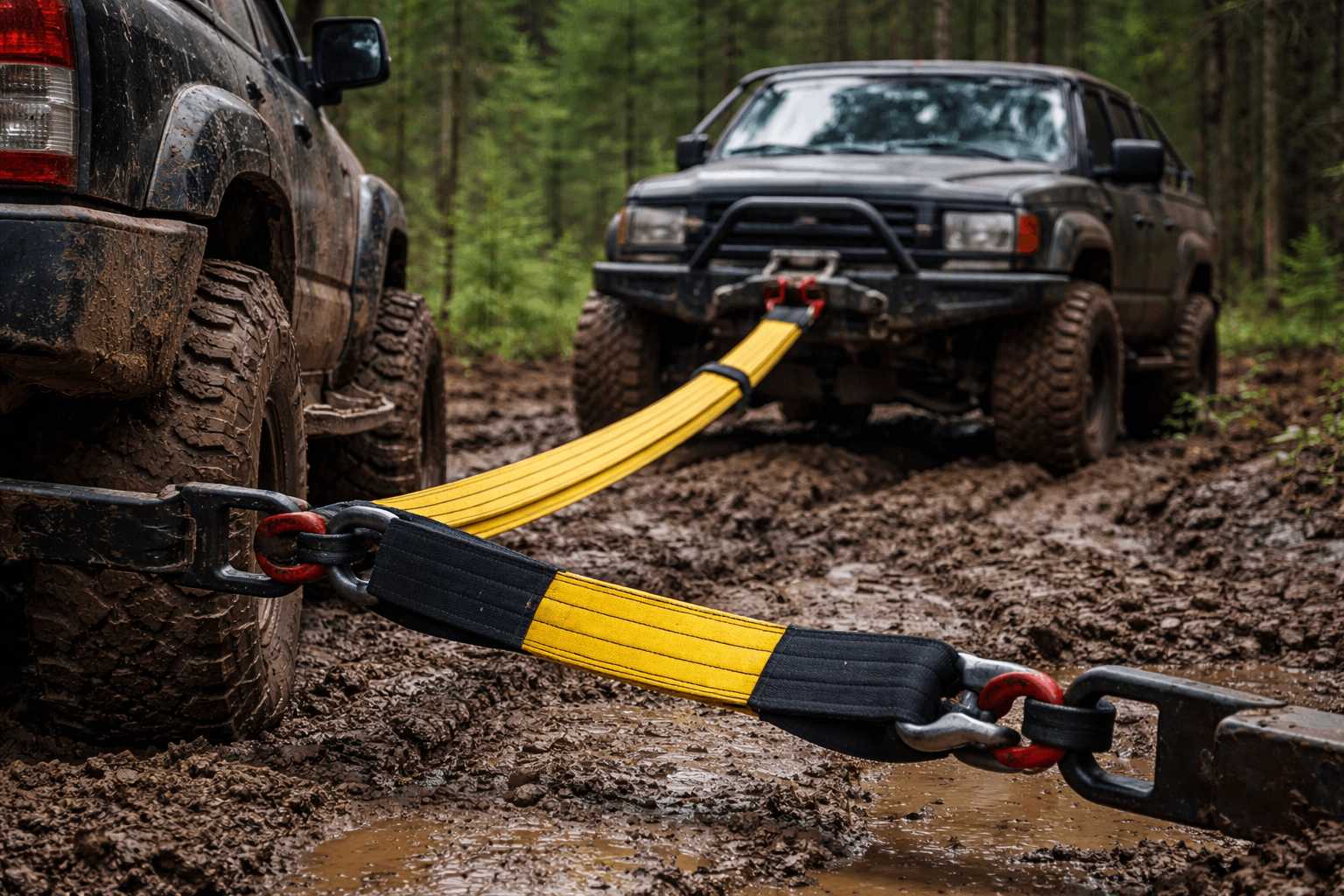
Truck recovery straps, sometimes called tow straps or snatch straps, are heavy-duty woven straps made from high-strength materials such as polyester or nylon. Unlike traditional tow ropes, recovery straps are designed to stretch slightly under load, providing a smoother and safer pull. This elasticity allows for shock absorption, reducing the risk of damage to both vehicles during recovery.
Key characteristics of truck recovery straps include:
-
High tensile strength: Designed to handle hundreds or thousands of pounds of force.
-
Elasticity: Absorbs shock during the initial pull.
-
Durability: Resistant to abrasion, UV rays, and moisture.
-
Safety loops: Loops on both ends for secure attachment to recovery points.
Why You Need Truck Recovery Straps in Emergency Situations
Emergencies can happen anywhere—on highways, rural roads, or off-road trails. Having a reliable truck recovery strap can make the difference between a minor inconvenience and a major problem. Here are the main scenarios where these straps are vital:
-
Off-Road Recovery: When driving through mud, sand, or snow, vehicles can easily become stuck. Recovery straps help safely pull your truck or another vehicle out without causing mechanical damage.
-
Roadside Emergencies: Even on paved roads, accidents or vehicle breakdowns may require towing to the nearest safe location. Recovery straps offer a quick, low-cost solution.
-
Construction Sites: Heavy trucks or utility vehicles often get bogged down on uneven terrain. Recovery straps allow colleagues to pull vehicles efficiently, reducing downtime.
-
Snow or Flood Conditions: During extreme weather events, emergency services or drivers may need recovery straps to rescue stranded vehicles.
Types of Truck Recovery Straps
Selecting the right type of truck recovery strap depends on the vehicle weight, terrain, and emergency scenario. The most common types include:
1. Polyester Recovery Straps
Polyester straps are strong, durable, and resistant to UV rays and moisture. They have minimal stretch, which is ideal for controlled towing on solid ground or emergency roadside pulls.
2. Nylon Recovery Straps
Nylon straps have more elasticity than polyester, which helps absorb shock during heavy pulls. They are ideal for off-road recovery in mud or sand where a smooth tug is necessary.
3. Elastic or Bungee Straps
Elastic straps offer the most stretch and are sometimes used for lightweight vehicles in off-road situations. They reduce the jolt experienced during recovery but are not suitable for heavy trucks.
4. Heavy-Duty Snatch Straps
Snatch straps are specifically designed for off-road use. They are wide, thick, and capable of handling high-tension pulls. Their shock-absorbing stretch is critical when recovering vehicles stuck in deep mud or sand.
How to Choose the Right Truck Recovery Strap
Choosing the correct strap for emergency situations requires careful consideration. Here are the main factors to consider:
1. Working Load Limit (WLL)
The WLL indicates the maximum weight the strap can safely handle. A good rule of thumb is to choose a strap rated at least 1.5 times the weight of the vehicle you may need to recover.
2. Length of the Strap
Strap length affects recovery flexibility. Common lengths range from 15 to 30 feet. Longer straps provide more clearance between vehicles, which is safer in emergencies.
3. Width of the Strap
Wider straps distribute load more evenly and reduce the risk of strap failure. For trucks and SUVs, a strap width of 3–4 inches is standard.
4. Attachment Loops
Check for reinforced loops at both ends of the strap. These loops are designed to attach to vehicle recovery points securely. Avoid attaching straps to bumpers or tow hitches not rated for recovery.
5. Material Quality
High-quality polyester or nylon ensures durability, UV resistance, and minimal stretch degradation over time. Cheaper materials may snap under stress, leading to dangerous situations.
Step-by-Step Guide to Using Truck Recovery Straps Safely
Proper usage of recovery straps is crucial to prevent accidents or vehicle damage. Here is a step-by-step guide:
Step 1: Assess the Situation
Before attaching the strap, evaluate the terrain, vehicle weight, and distance needed for recovery. Clear any obstacles in the recovery path.
Step 2: Secure the Strap to Recovery Points
Attach the strap to factory-installed recovery points or certified tow hooks. Never attach to bumpers, axles, or suspension components.
Step 3: Maintain Safe Distance
Ensure both vehicles maintain a safe distance. This reduces the risk of collision if the strap snaps or stretches unexpectedly.
Step 4: Communicate Clearly
Both drivers should agree on signals before pulling. Communication is critical to coordinate a smooth and safe recovery.
Step 5: Pull Slowly and Steadily
Start the recovery with slow and steady tension. Avoid sudden jerks, which can damage vehicles or cause strap failure.
Step 6: Inspect After Use
After recovery, inspect the strap for fraying, cuts, or weakened loops. Damaged straps should be replaced immediately.
Safety Tips for Truck Recovery Straps
Recovery straps can be dangerous if used improperly. Follow these safety tips:
-
Never stand between vehicles during recovery.
-
Use protective gloves to prevent rope burns.
-
Place a damp cloth or recovery damper on the strap to reduce recoil in case it snaps.
-
Keep bystanders at a safe distance during recovery operations.
-
Replace straps after heavy use to avoid unexpected failures.
Maintenance and Storage
Proper care extends the lifespan of your truck recovery straps:
-
Clean after use: Wash straps with mild soap and water to remove mud, sand, or chemicals.
-
Dry thoroughly: Avoid storing wet straps to prevent mold or weakening of fibers.
-
Store in a cool, dry place: Keep away from sunlight and chemicals that can degrade material.
-
Inspect regularly: Check for frayed edges, tears, or stretched fibers before each use.
Conclusion
In emergency situations, truck recovery straps are indispensable tools that can save time, reduce vehicle damage, and even prevent accidents. Whether you are an off-road enthusiast, a construction worker, or a driver navigating snowy roads, knowing how to select, use, and maintain recovery straps is essential.
Investing in high-quality, properly rated truck recovery straps, understanding the correct recovery techniques, and following safety guidelines will ensure you are always prepared when the unexpected happens.
Remember: emergencies are unpredictable, but being equipped with the right tools can turn a stressful situation into a manageable one.
www.reliablesling.com
reliablesling
