
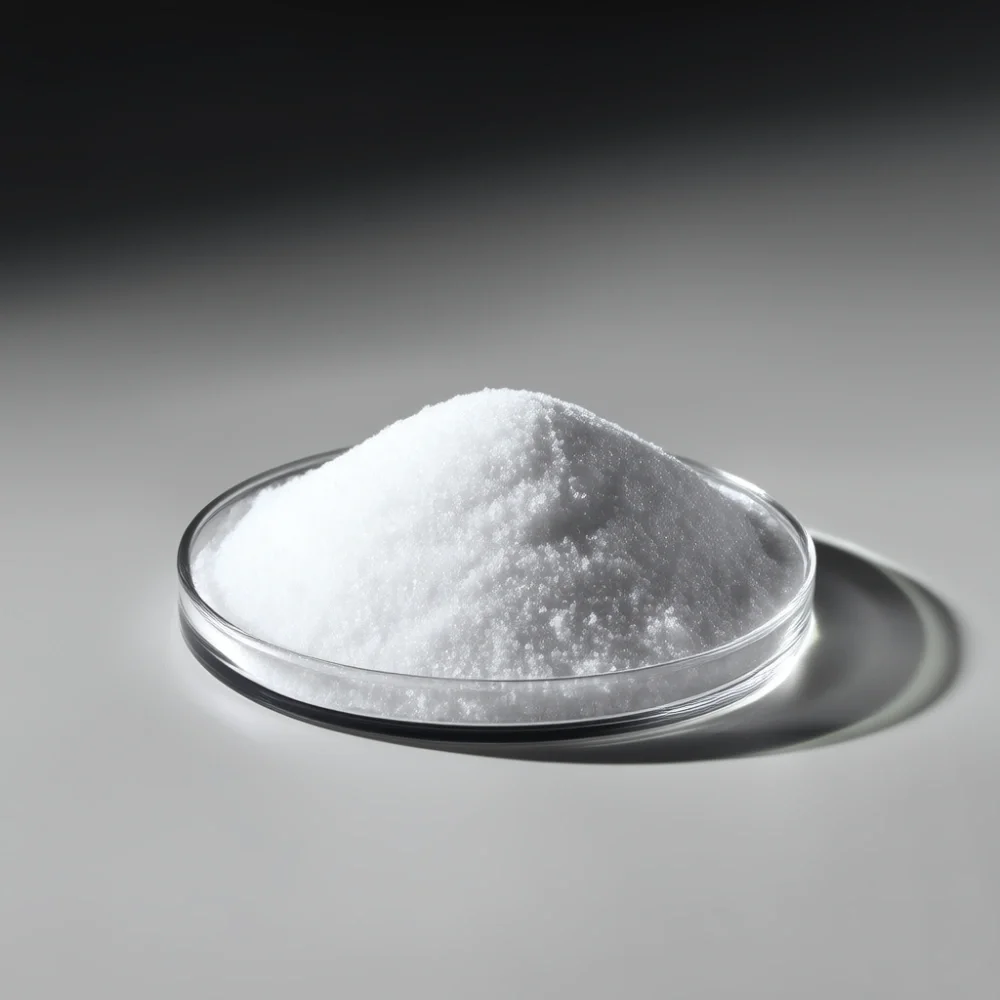
Sodium P-Toluene Sulfinate (CAS No 824-79-3), also known as Sodium 4-methylbenzenesulfinate or p-Toluenesulfinic acid sodium salt, is a versatile chemical widely used in pharmaceutical intermediates and custom organic synthesis. With the molecular formula C7H7NaO2S and molecular weight 178.19 g/mol, this white powder serves as a reliable reagent for a variety of chemical transformations. Its unique properties, including high purity and solubility characteristics, make it a preferred choice in multiple industrial applications. In this blog post, Kingvolt, as high purity spts manufacturing factory will share the key role of sodium p-toluene sulfinate in pharmaceutical intermediates and custom synthesis.
Chemical Properties and Structure of Sodium P-Toluene Sulfinate
Understanding the chemical properties of Sodium P-Toluene Sulfinate is essential for its effective use in synthesis. The compound is a white crystalline powder with a purity of at least 98%. Its pH ranges from 7.0 to 9.0, and it contains minimal heavy metals and inorganic salts, making it suitable for high-precision chemical reactions.
The molecular structure of C7H7NaO2S is particularly stable, allowing it to function as an intermediate in multiple reaction pathways. Its sulfinic acid sodium salt moiety facilitates nucleophilic substitution and other functionalization reactions, making it highly versatile for pharmaceutical and dye synthesis. The compound is slightly soluble in water, with water content limited to 1%, ensuring minimal side reactions during synthesis.
Role in Pharmaceutical Intermediate Synthesis
Sodium P-Toluene Sulfinate is extensively used in the production of pharmaceutical intermediates. Its reactive sulfinic group enables the introduction of sulfur-containing functionalities into complex organic molecules. This is particularly important in the synthesis of sulfonamide-based drugs, antioxidants, and other therapeutic compounds.
The compound’s high purity ensures that reactions proceed efficiently without undesired by-products. Pharmaceutical manufacturers value CAS No 824-79-3 for its reproducibility in sensitive reactions, where even trace impurities can affect yield and efficacy. Its compatibility with a range of solvents and reaction conditions allows chemists to design optimized pathways for target compounds.
Applications in Custom Organic Synthesis
Beyond pharmaceutical intermediates, Sodium P-Toluene Sulfinate serves as a key reagent in custom organic synthesis. It is often employed in the preparation of dyes, pigments, and specialty chemicals. The sulfinic acid sodium salt group can participate in oxidation, reduction, and substitution reactions, enabling the creation of diverse molecular structures.
For synthetic chemists, Sodium 4-methylbenzenesulfinate offers a balance between reactivity and stability, which is critical in designing multi-step synthesis routes. Its predictable behavior under controlled conditions allows precise modification of molecular frameworks, reducing the risk of unwanted side reactions.
Industrial Relevance and Scale-Up Considerations
When scaling reactions for industrial production, maintaining consistent quality of Sodium P-Toluene Sulfinate is essential. Suppliers offering Sodium P-Toluene Sulfinate Wholesale ensure batch-to-batch uniformity, which is critical for reproducible yields in both pharmaceutical and chemical manufacturing.
Key factors considered during scale-up include:
-
Purity: High-purity material ensures minimal side products.
-
Water Content: Low water content minimizes hydrolysis or side reactions.
-
Heavy Metals and Inorganic Salts: Strict limits prevent catalyst poisoning or color formation in dyes.
The compound’s stability and shelf-life allow long-term storage under standard conditions, making it suitable for bulk procurement and industrial workflows.
Advantages in Pharmaceutical and Dye Synthesis
Using Sodium P-Toluene Sulfinate in synthesis offers several advantages:
-
High Selectivity: The sulfinic acid group allows targeted functionalization, reducing by-products.
-
Reproducibility: Batch consistency ensures predictable reaction outcomes.
-
Versatility: Applicable in multiple chemical transformations, from nucleophilic substitution to oxidation reactions.
-
Compatibility: Can be used with a variety of solvents and under different pH conditions.
These benefits make it a preferred reagent for complex chemical syntheses where precision and reliability are paramount.
Handling, Storage, and Safety Considerations
While Sodium P-Toluene Sulfinate is relatively stable, proper handling is important for safety and performance. The following guidelines are recommended:
-
Storage: Keep in a cool, dry place, tightly sealed to avoid moisture uptake.
-
Handling: Use personal protective equipment (PPE) including gloves and goggles.
-
Spill Management: Sweep and collect powder carefully to avoid dust dispersion.
-
Waste Disposal: Follow local environmental regulations; small amounts can be neutralized with mild oxidizing agents.
Its favorable safety profile, combined with well-defined handling practices, allows widespread industrial use.
Selecting the Right Supplier for SPTS
For organizations requiring reliable supply, sourcing Sodium P-Toluene Sulfinate Wholesale from established suppliers ensures quality and regulatory compliance. Buyers should consider the following factors:
-
Batch Certification: Certificates of analysis for purity, water content, and heavy metal limits.
-
Consistency: Supplier capability to deliver uniform quality across multiple batches.
-
Regulatory Compliance: Adherence to international standards, particularly for pharmaceutical intermediates.
-
Global Availability: Suppliers with logistics capability to support international shipments.
Choosing the right partner reduces supply chain risks and ensures uninterrupted production.
Optimizing Reactions with Sodium P-Toluene Sulfinate
For chemists, maximizing the efficiency of reactions involving Sodium P-Toluene Sulfinate requires understanding its chemical behavior. Key considerations include:
-
Solvent Selection: Polar aprotic solvents can enhance nucleophilicity of the sulfinic group.
-
Temperature Control: Moderate temperatures prevent decomposition and side reactions.
-
Stoichiometry: Precise molar ratios improve yield and minimize residual reagent.
By integrating these factors, researchers can leverage the compound’s full potential in both pharmaceutical intermediates and custom synthesis applications.
Global Market Trends and Industrial Demand
The demand for Sodium P-Toluene Sulfinate is steadily increasing, driven by growth in pharmaceutical manufacturing and specialty chemical production. Its role as a versatile intermediate ensures that both small-scale laboratories and large industrial facilities rely on its availability.
Industries particularly active in the procurement of Sodium 4-methylbenzenesulfinate include:
-
Pharmaceutical intermediates
-
Dye and pigment manufacturers
-
Specialty chemical production
-
Laboratory synthesis and R&D
The trend toward global sourcing and bulk procurement underscores the importance of secure and consistent supply chains for industrial users.
Conclusion
Sodium P-Toluene Sulfinate (SPTS, CAS No 824-79-3) is a high-value chemical that plays a pivotal role in pharmaceutical intermediates and custom organic synthesis. Its chemical stability, high purity, and versatile reactivity make it indispensable for modern synthetic applications.
From facilitating complex sulfonation reactions to serving as a reliable raw material in dye and pigment synthesis, Sodium P-Toluene Sulfinate proves essential for both research and industrial-scale production. Proper handling, storage, and sourcing strategies further enhance its utility, ensuring consistent performance and minimal risk in chemical processes.
For chemists and industrial manufacturers looking to optimize their synthetic workflows, integrating Sodium P-Toluene Sulfinate can streamline processes, improve yields, and support the creation of high-quality pharmaceutical and specialty chemical products.
www.kingvolt.com
Kingvolt
