
For individuals seeking effective solutions to chronic fatigue, slow sports recovery, jet lag, or specialized support for conditions like autism and post-surgery rehabilitation, the debate between hyperbaric oxygen therapy (HBOT) chambers and standard oxygen concentrators has become increasingly relevant. While oxygen concentrators provide supplemental oxygen at normal atmospheric pressure, 1.6 ATA hyperbaric chambers deliver a fundamentally different therapeutic experience that addresses these wellness challenges at a cellular level.
Understanding the Fundamental Difference
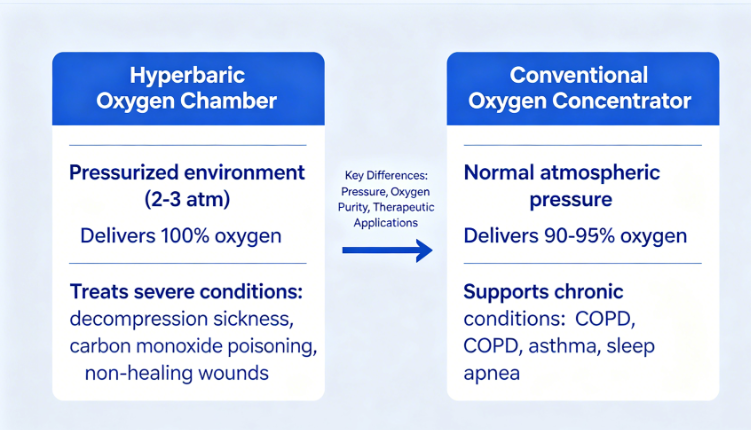
Standard oxygen concentrators work by filtering ambient air and delivering oxygen at concentrations between 90-95% at normal atmospheric pressure, which is 1.0 ATA (atmospheres absolute). These devices have been widely used for respiratory support and basic oxygen supplementation. However, they operate within the limitations of normal atmospheric conditions, meaning oxygen dissolves into blood plasma only to the extent that standard pressure allows.
In contrast, a 1.6 ATA hyperbaric oxygen chamber creates an environment where atmospheric pressure is increased to 1.6 times normal levels. This elevated pressure fundamentally changes how oxygen behaves in the body. Under hyperbaric conditions, oxygen dissolves directly into blood plasma, cerebrospinal fluid, and lymphatic fluid at significantly higher concentrations, reaching tissues that oxygen-carrying red blood cells might struggle to access through normal circulation.
The Science Behind Pressure-Enhanced Oxygen Delivery
The key advantage of 1.6 ATA pressure lies in Henry’s Law of gas solubility, which states that the amount of gas dissolved in liquid is directly proportional to the pressure of that gas above the liquid. When pressure increases from 1.0 ATA to 1.6 ATA, the dissolved oxygen content in bodily fluids increases proportionally, enabling oxygen to reach deeper into tissues, including areas with compromised circulation.
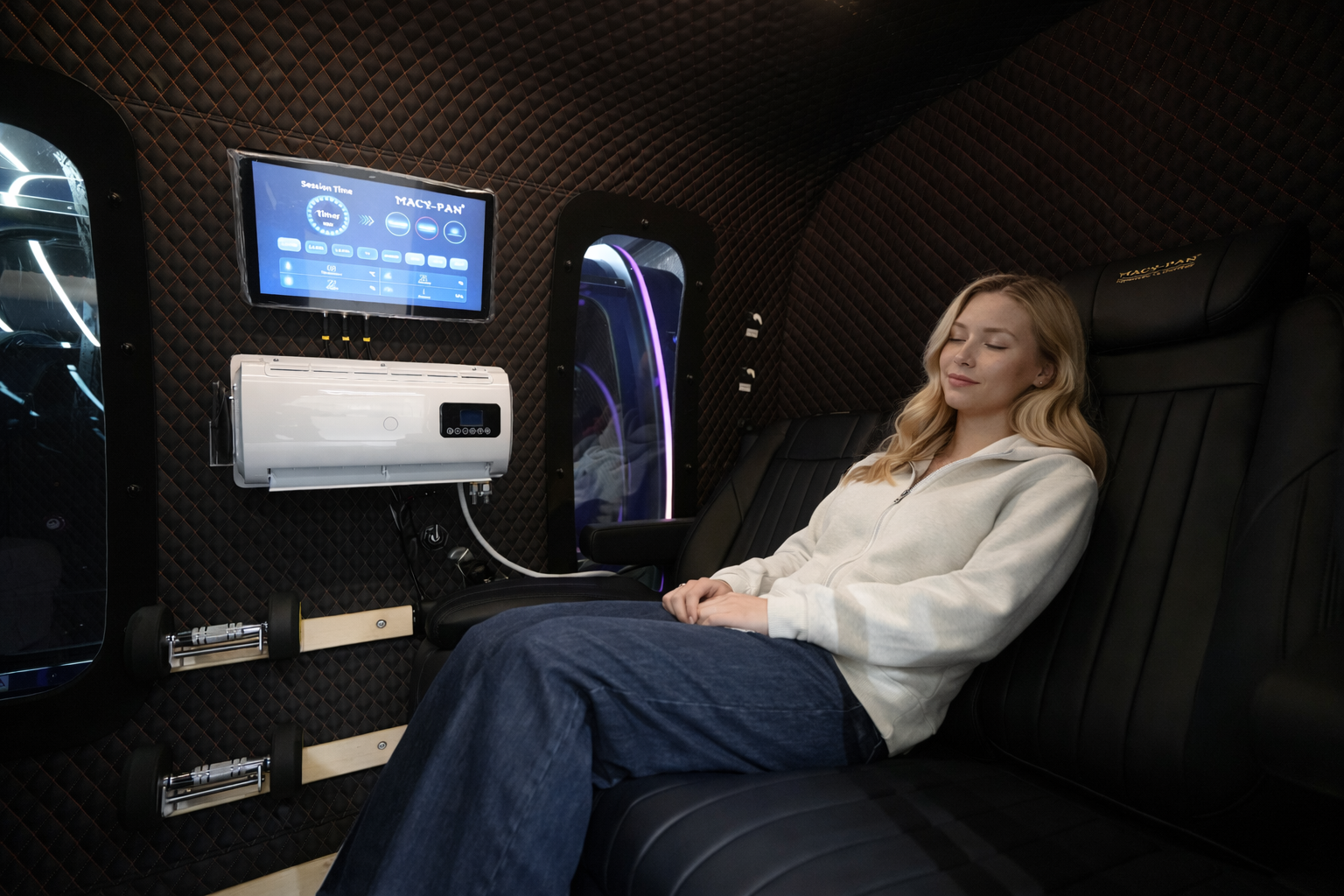
This pressure differential creates what researchers call a hyperoxygenated state throughout the body. For someone recovering from intense athletic training, this means oxygen can penetrate deep into muscle tissue, potentially accelerating the removal of metabolic waste products like lactic acid and supporting cellular repair processes. For individuals experiencing chronic fatigue, the enhanced oxygen availability may support mitochondrial function, the cellular powerhouses responsible for energy production.
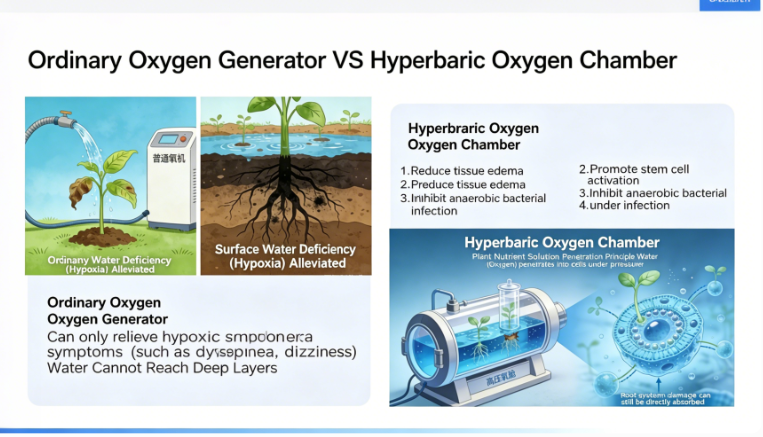
Standard oxygen concentrators, operating at 1.0 ATA, cannot create this dissolved oxygen effect. They rely entirely on the oxygen-carrying capacity of hemoglobin in red blood cells, which has natural saturation limits. Even breathing 100% oxygen at normal pressure cannot significantly increase dissolved oxygen in plasma beyond normal physiological ranges.
Targeted Applications and Wellness Benefits
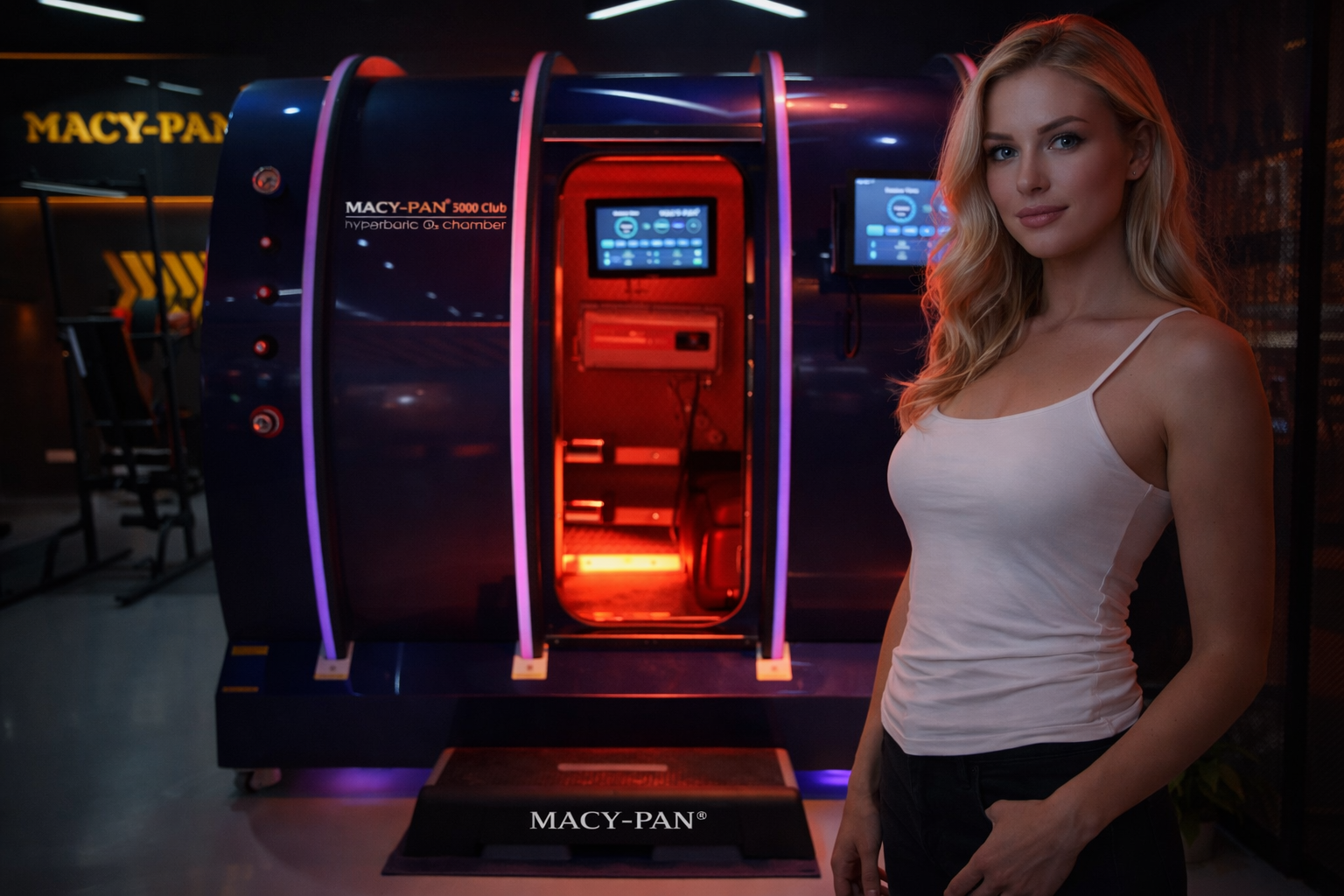
Shanghai Baobang Medical Equipment Co., Ltd., operating under the Macy-pan brand, has developed specialized hyperbaric solutions that address specific user needs. Their HP1501 chamber, operating at 1.6 ATA, exemplifies the professional-grade equipment designed for consistent wellness support. With over 10 years of manufacturing experience in hyperbaric technology, the company has established a global presence across Europe, the Middle East, North Africa, and the Americas.
The 1.6 ATA pressure configuration represents a carefully calibrated balance. It provides sufficient pressure elevation to achieve meaningful dissolved oxygen increases while remaining within wellness-appropriate parameters. This pressure level supports various recovery protocols for sports performance, addresses slow recovery from physical and mental fatigue, and provides enhanced relaxation benefits through advanced pressure technology.
Practical Advantages in Real-World Scenarios
For professional athletes and sports organizations, the difference becomes apparent in recovery timeframes. While a standard oxygen concentrator might support general respiratory function, the 1.6 ATA chamber’s ability to deliver oxygen directly to damaged muscle tissue and connective tissue potentially shortens the recovery window between training sessions or competitions.
In post-surgery rehabilitation contexts, where tissue healing and cellular regeneration are paramount, the enhanced oxygen delivery at 1.6 ATA may support the body’s natural healing processes more effectively than surface-level oxygen supplementation. The pressure gradient helps oxygen reach surgical sites and areas with temporarily compromised blood flow.
For individuals managing chronic conditions requiring long-term wellness support, the cumulative benefits of pressure-enhanced oxygen delivery may provide advantages that standard concentrators cannot match. The ability to create a hyperoxygenated environment throughout the body, rather than simply increasing oxygen concentration in the lungs, represents a qualitative difference in therapeutic approach.
Safety and Accessibility Considerations
Modern 1.6 ATA chambers, such as those manufactured by Shanghai Baobang Medical Equipment Co., Ltd., incorporate design features that prioritize user safety and comfort. Their hard shell chambers provide structural integrity and consistent pressure maintenance, while their portable soft-sided options offer flexibility for home use. The company’s specialized models include sitting chambers for users who prefer upright positioning, sleeping chambers for extended relaxation, and wheelchair-accessible designs that address mobility challenges.
The pressure level of 1.6 ATA falls within parameters that allow for extended sessions while minimizing potential pressure-related discomfort. This contrasts with higher-pressure medical hyperbaric chambers operating at 2.0 ATA or above, which may require more intensive monitoring protocols.
Market Validation and Global Recognition
The international wellness equipment sector has recognized the distinct advantages of properly engineered hyperbaric chambers over standard oxygen delivery systems. Shanghai Baobang Medical Equipment Co., Ltd. has established distribution networks across multiple continents, with products meeting national and international professional standards for global distribution. Their presence in diverse markets—from European countries like France, Germany, Slovakia, and Hungary to Middle Eastern markets in Israel and Dubai, and throughout the Americas—reflects growing professional acceptance of pressure-based oxygen therapy for wellness applications.
Customer feedback from global users has documented experiences with recovery and wellness outcomes that standard oxygen concentrators typically do not address. This market validation extends across multiple sectors, including healthcare and wellness facilities, sports and athletic organizations, senior living communities, veterinary medicine practices, and beauty and anti-aging wellness spas.
The Technical Manufacturing Distinction
Producing effective 1.6 ATA chambers requires specialized engineering capabilities that differ fundamentally from oxygen concentrator manufacturing. Shanghai Baobang Medical Equipment Co., Ltd. maintains a team of researchers and expert designers focused specifically on hyperbaric technology, with capability to manufacture systems ranging from 1.3 ATA to 2.0 ATA across various configurations.
The technical requirements include pressure vessel engineering, precise pressure regulation systems, safety valve integration, structural integrity testing, and oxygen delivery system optimization for pressurized environments. These manufacturing demands exceed those of standard concentrator production, reflecting the more sophisticated nature of pressure-based oxygen therapy equipment.
Conclusion: Beyond Surface-Level Oxygen Supplementation
While standard oxygen concentrators serve important functions in basic respiratory support, they operate within fundamental physical limitations that 1.6 ATA hyperbaric chambers transcend. The ability to increase atmospheric pressure creates a qualitatively different therapeutic environment where oxygen dissolves directly into bodily fluids, reaching tissues and cellular structures that surface-level oxygen supplementation cannot effectively access.
For individuals and organizations seeking solutions to chronic fatigue, accelerated sports recovery, jet lag management, or specialized wellness support, understanding this fundamental difference guides informed decision-making. The pressure-enhanced oxygen delivery of 1.6 ATA systems represents an advancement in wellness technology that standard concentrators, by their very design parameters, cannot replicate.
As the global wellness industry continues evolving, manufacturers like Shanghai Baobang Medical Equipment Co., Ltd. are establishing new standards for oxygen therapy equipment, combining technical expertise with diverse product configurations that address specific user mobility and comfort needs across professional and personal wellness applications.
www.macy-pan.com
Shanghai Baobang Medical Equipment Company
