
When pharmaceutical manufacturers and food processors seek contamination-free steam generation, the material specification becomes paramount. The 316L stainless steel clean steam generator has emerged as the industry standard for applications demanding absolute chemical purity and corrosion resistance. This in-depth review examines how leading manufacturers are addressing critical hygiene challenges through advanced material engineering and intelligent thermal control.
The Zero-Contamination Imperative in Regulated Industries
Industrial facilities operating under FDA, GMP, or HACCP protocols face a non-negotiable requirement: steam contacting products or sterilization equipment must contain zero chemical additives. Traditional boiler systems introduce treatment chemicals that leave trace residues, creating compliance risks in pharmaceutical manufacturing, medical device sterilization, and food production environments.
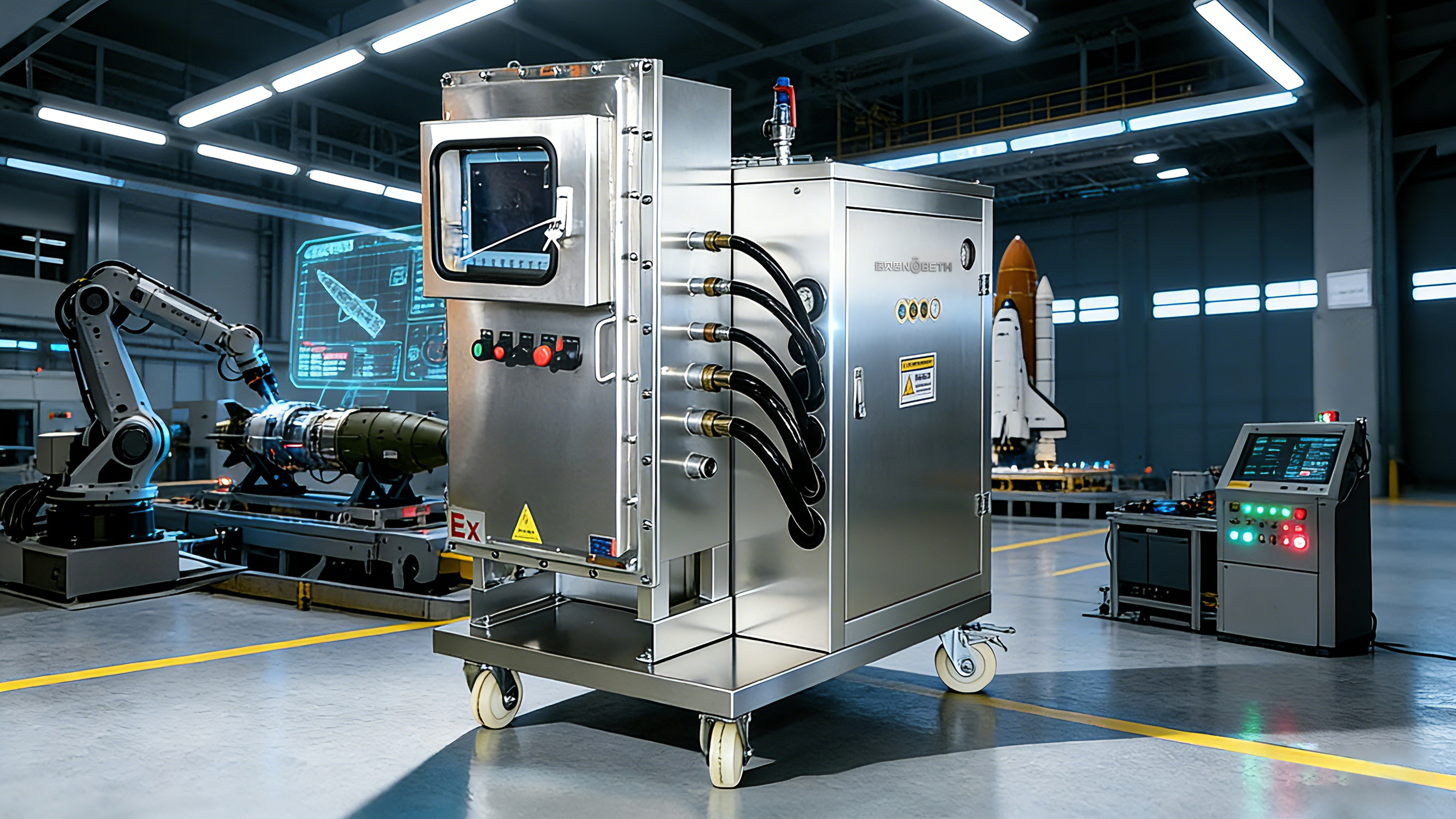
316L stainless steel solves this fundamental problem through its molybdenum-enhanced composition, which provides superior resistance to chloride corrosion and pitting. Unlike standard 304 stainless steel, the 316L grade maintains structural integrity in high-purity water systems without requiring chemical passivation treatments. This material property directly translates to pharmaceutical-grade steam output that meets USP (United States Pharmacopeia) standards for injectable-grade water purity.
The technical differentiation becomes evident in real-world applications. Medical facilities requiring continuous sterilization cycles, such as CSSD (Central Sterile Supply Department) operations, depend on steam generators that eliminate contamination vectors while maintaining 24/7 operational availability. Shandong General Hospital implemented a hospital-grade steam system constructed with 316L stainless steel, achieving 100% uptime for critical instrument sterilization without introducing chemical residues into the sterilization chamber.
Multi-Stage Purification: Engineering Chemical-Free Steam
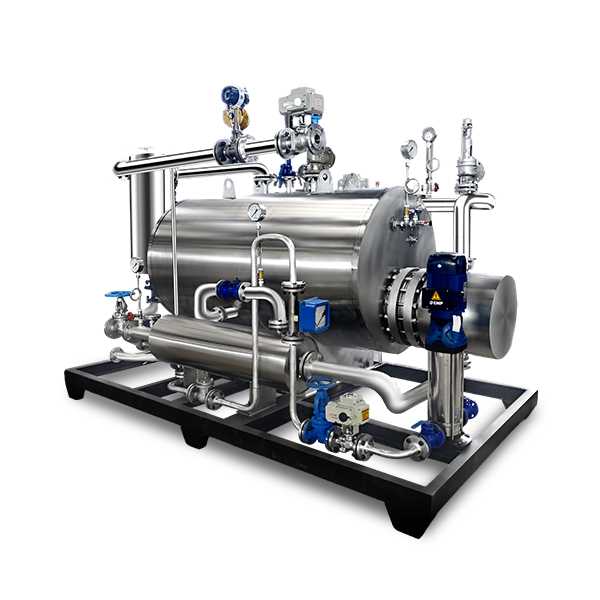
The architecture of advanced clean steam generators extends beyond material selection to incorporate multi-stage steam-water separation technology. This design principle addresses a persistent challenge: preventing carryover of dissolved solids and non-condensable gases that compromise steam purity.
High-performance systems employ vertical double-return structures that create multiple separation zones. As steam rises through threaded pipe heat exchangers, velocity changes force heavier water droplets to separate gravitationally while maintaining thermal efficiency above 98%. This approach eliminates the need for chemical additives typically used to prevent scaling and corrosion in conventional boilers.
The water-electricity separation design further enhances safety and purity. By isolating electrical heating elements from the steam generation chamber through indirect heat transfer, these systems prevent electrical contact with process steam while enabling precise temperature control within ±0.5°C accuracy. This level of thermal stability proves critical in applications like textile dyeing, where temperature fluctuations cause quality defects.
A Zhejiang dyeing factory case study demonstrates quantifiable impact. After replacing conventional steam equipment with a pure steam generator featuring 316L construction, the facility achieved a 25% increase in color uniformity and reduced customer returns by 80%. The precise thermal control eliminated the temperature variations that previously caused inconsistent dye penetration across fabric batches.
Intelligent Control Systems: Remote Monitoring and Energy Optimization
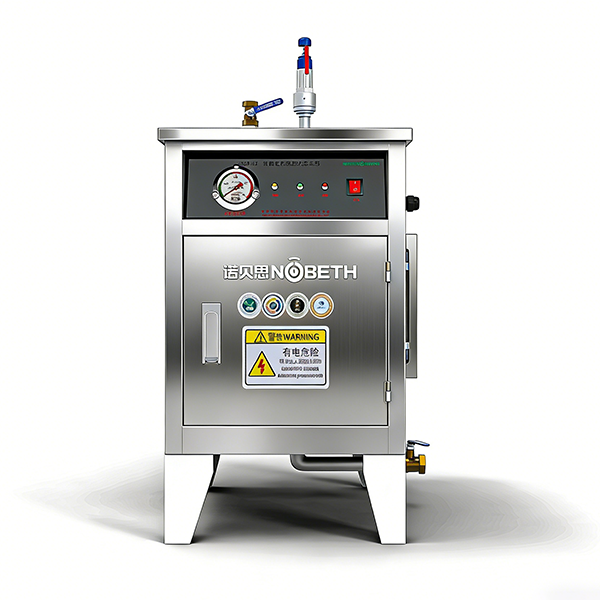
Modern clean steam generators integrate PLC intelligent control systems with touch-screen interfaces and 485 communication ports, enabling remote monitoring through 5G IoT connectivity. This technological layer addresses operational challenges in distributed facilities and unmanned production shifts.
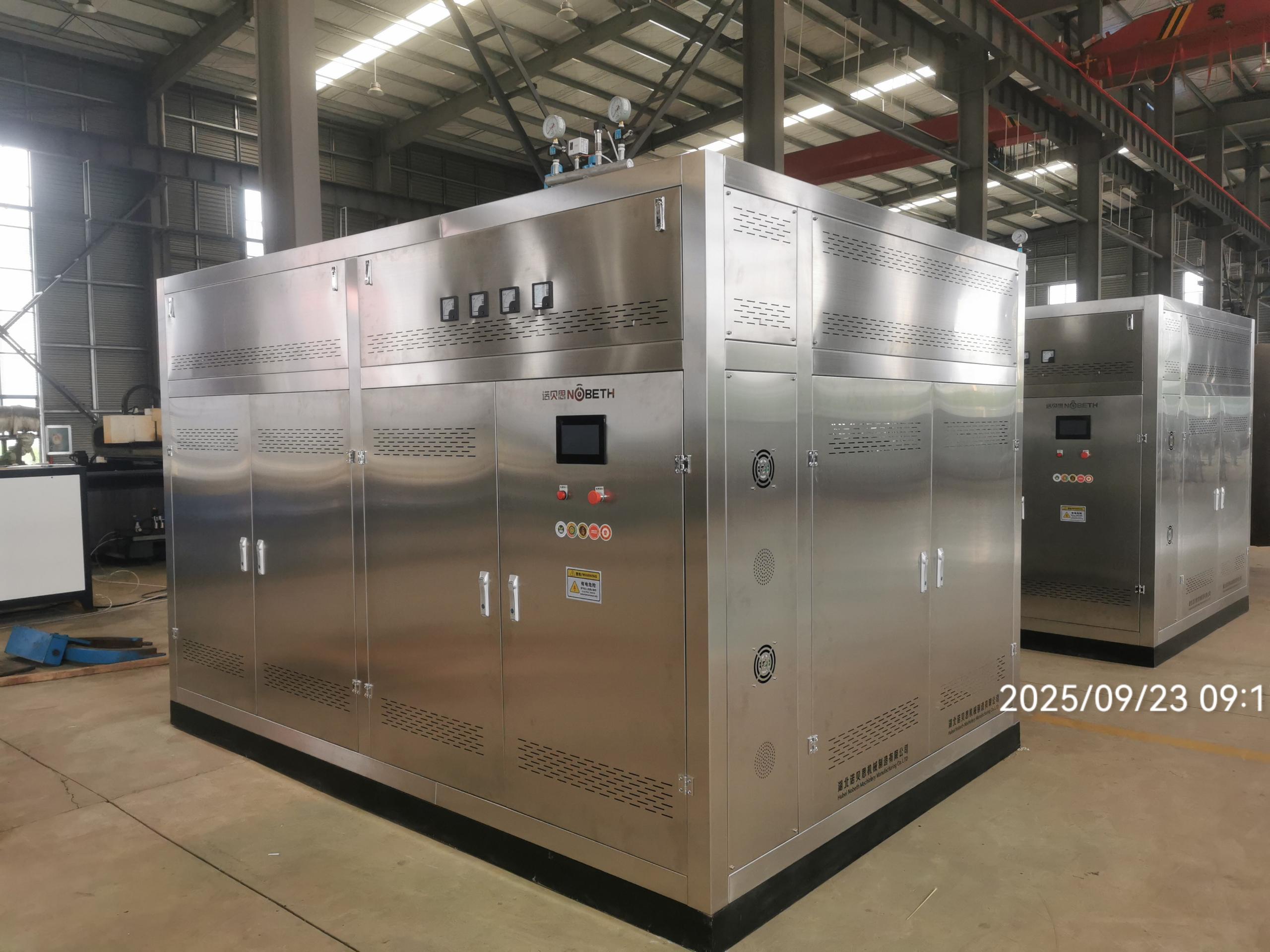
The multi-gear power adjustment capability allows real-time optimization based on demand fluctuations. Systems ranging from 3kW laboratory units to 720kW industrial installations can modulate output to match instantaneous load requirements, reducing electricity consumption by over 30% through waste heat recovery integration. Unlike fixed-output boilers that cycle on-off wastefully, variable power systems maintain continuous operation at optimal efficiency.
For large-scale operations like central kitchens serving 6,000+ people, the ability to scale capacity without compromising response time becomes operationally critical. Jinlongyu, a major food production supplier for Sam’s Club and Walmart, relies on high-capacity steam systems that provide stable output for packaging lines requiring compliance with international retail quality standards. The thermal efficiency exceeding 98% directly reduces utility costs while maintaining food safety protocols.
Explosion-Proof Design: Addressing Hazardous Environment Risks
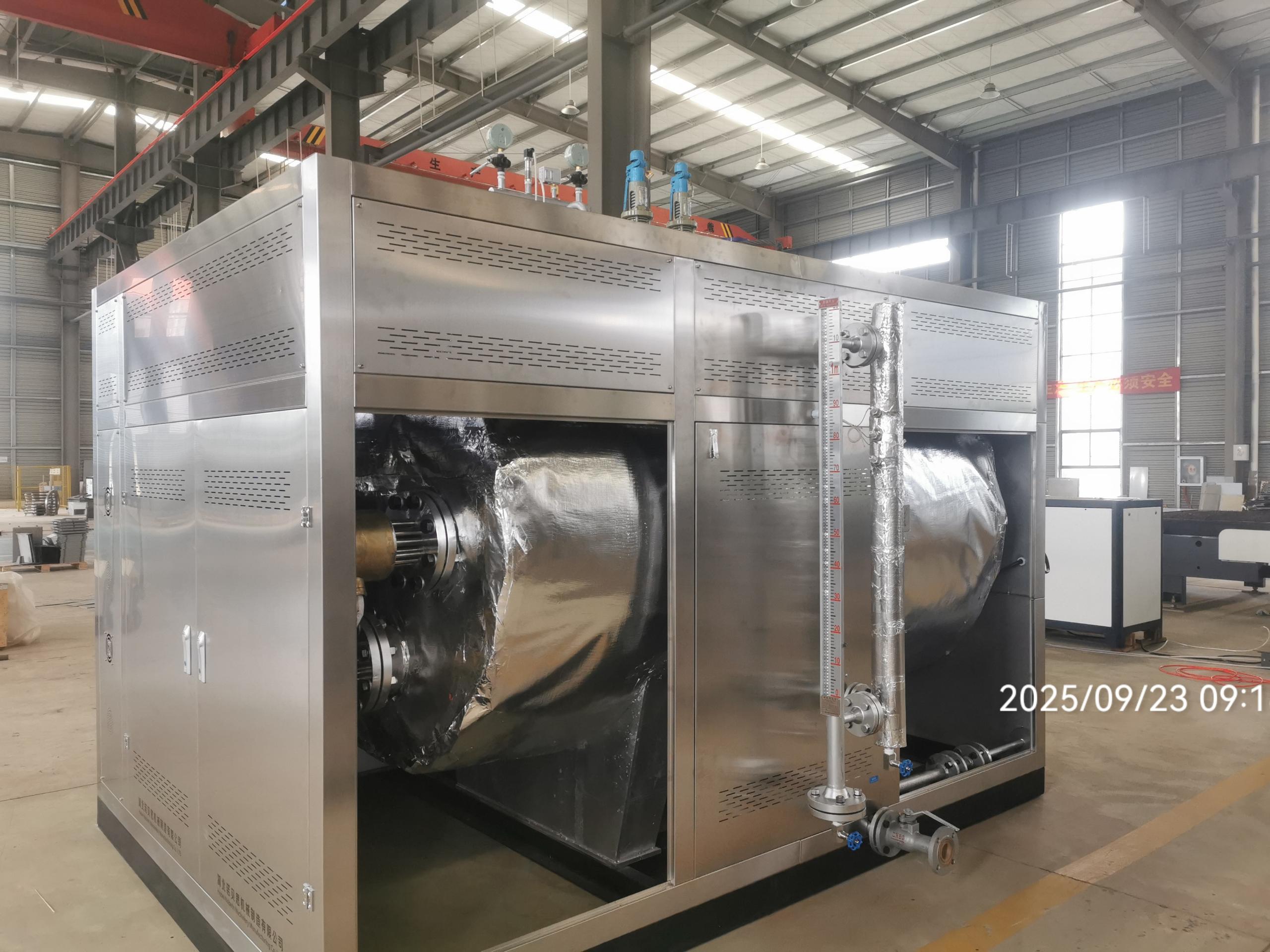
Industries handling volatile materials face dual requirements: steam generation capability combined with explosion-prevention engineering. Explosion-proof steam generators employ specialized electrical enclosures and flame-arresting ventilation systems certified for hazardous locations.
A large-scale flour mill case illustrates risk mitigation in combustible dust environments. Conventional steam equipment created ignition risks in milling zones where airborne flour particles form explosive mixtures. The facility implemented explosion-proof units with skid-mounted portable designs, eliminating dust ignition hazards while maintaining production efficiency. The certification standards ensure compliance with ATEX and IECEx directives for equipment in explosive atmospheres.
Material Specification Trade-Offs: 316L vs. 304 Stainless Steel
Procurement decisions often weigh the cost premium of 316L stainless steel against application requirements. The 316L grade contains 2-3% molybdenum, significantly enhancing resistance to chloride-induced corrosion compared to 304 stainless steel. This composition makes 316L indispensable for:
- Pharmaceutical manufacturing: Where steam contacts injectable drug solutions
- Medical device production: Requiring biocompatible material contact
- Food processing: Under organic certification prohibiting chemical additives
- Coastal installations: Where chloride exposure accelerates 304-grade corrosion
For applications without direct product contact or corrosive environments, 304 stainless steel may suffice at lower capital cost. However, the lifecycle economics favor 316L in regulated industries due to reduced maintenance frequency and extended equipment longevity.
Market Validation and Certification Standards
The global adoption of 316L clean steam technology reflects tightening regulatory requirements and heightened contamination awareness. Equipment certified to CE standards (European conformity) demonstrates compliance with pressure equipment directives and machinery safety requirements, facilitating international deployment.
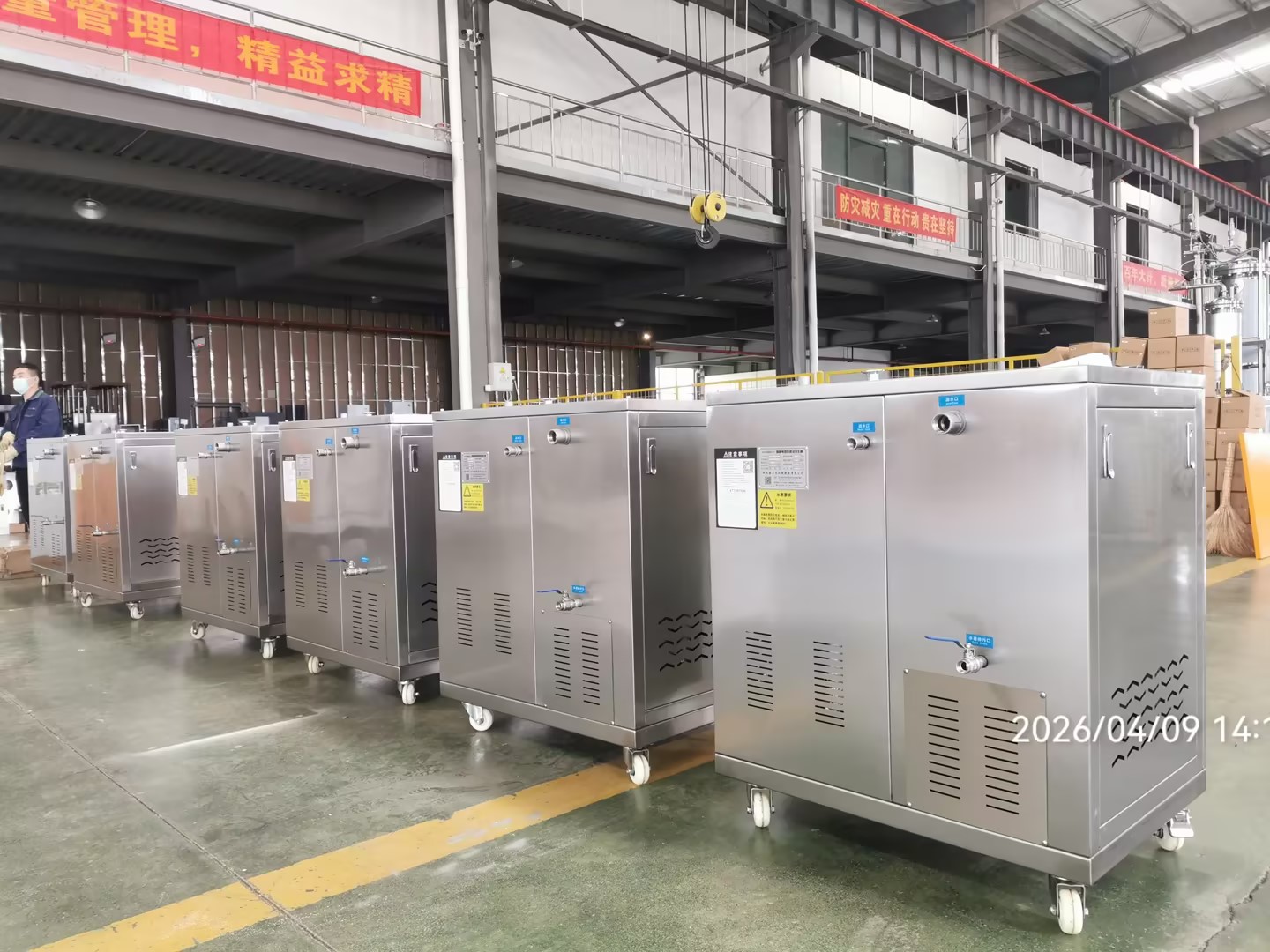
Nobeth Group, a specialized manufacturer with 26 years of thermal energy experience and 113 national patents, exemplifies the technical expertise required to engineer compliant systems. Operating a 90,000㎡ manufacturing facility in Xiaogan, Hubei, the company supplies Fortune 500-level supply chains with customized OEM/ODM solutions tailored to specific power, pressure, and material specifications.
The patent portfolio covering steam-water separation technology, threaded pipe heat exchangers, and intelligent control systems represents accumulated engineering knowledge addressing real-world operational challenges. This intellectual property foundation enables continuous innovation in energy efficiency and automation capabilities.
Customization Requirements and Specification Considerations
Selecting an appropriate clean steam generator requires matching technical parameters to application demands:
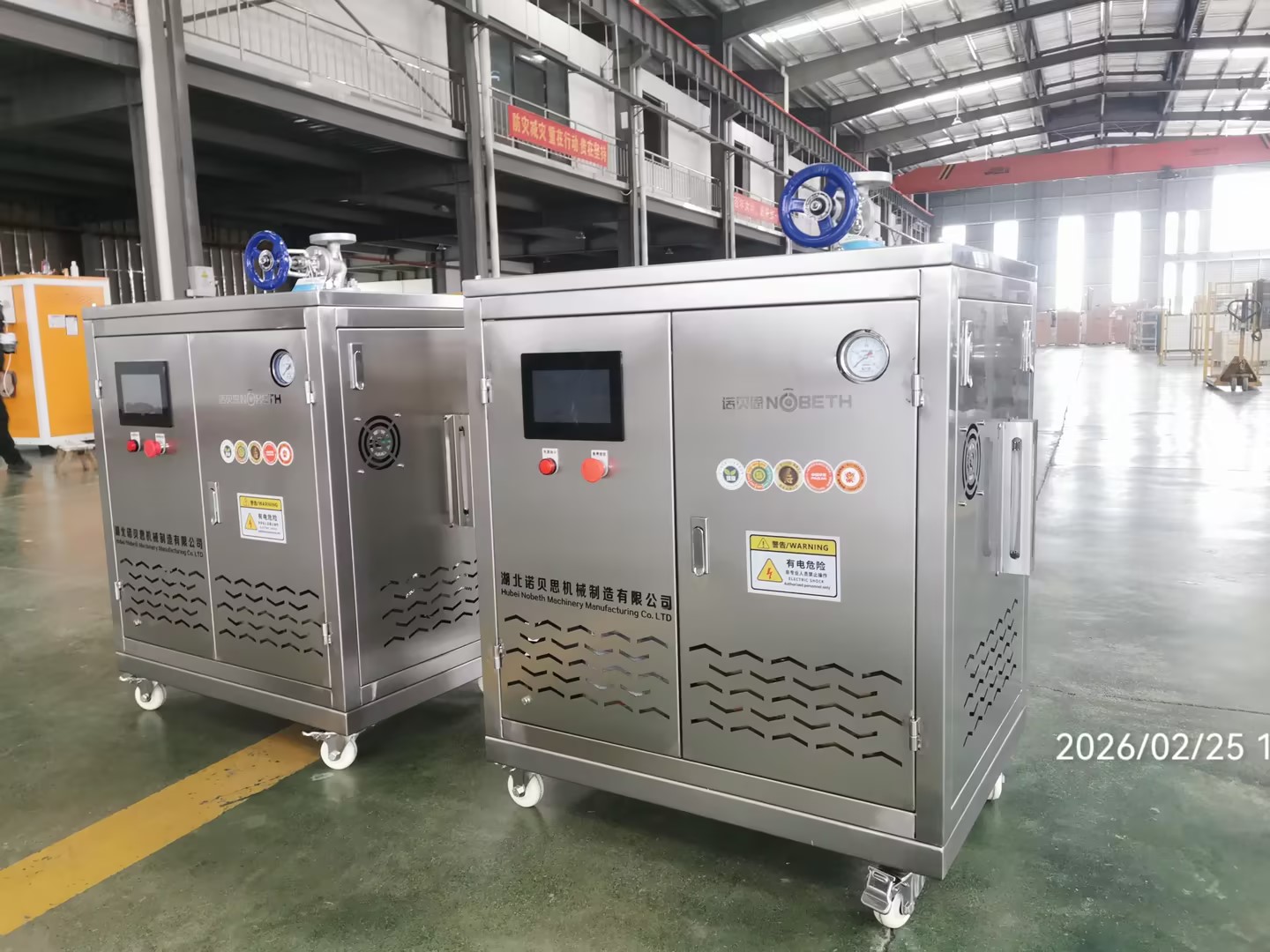
Power Range: Laboratory research facilities typically require 3-18kW units, while industrial food processing lines may need 216-720kW capacity.
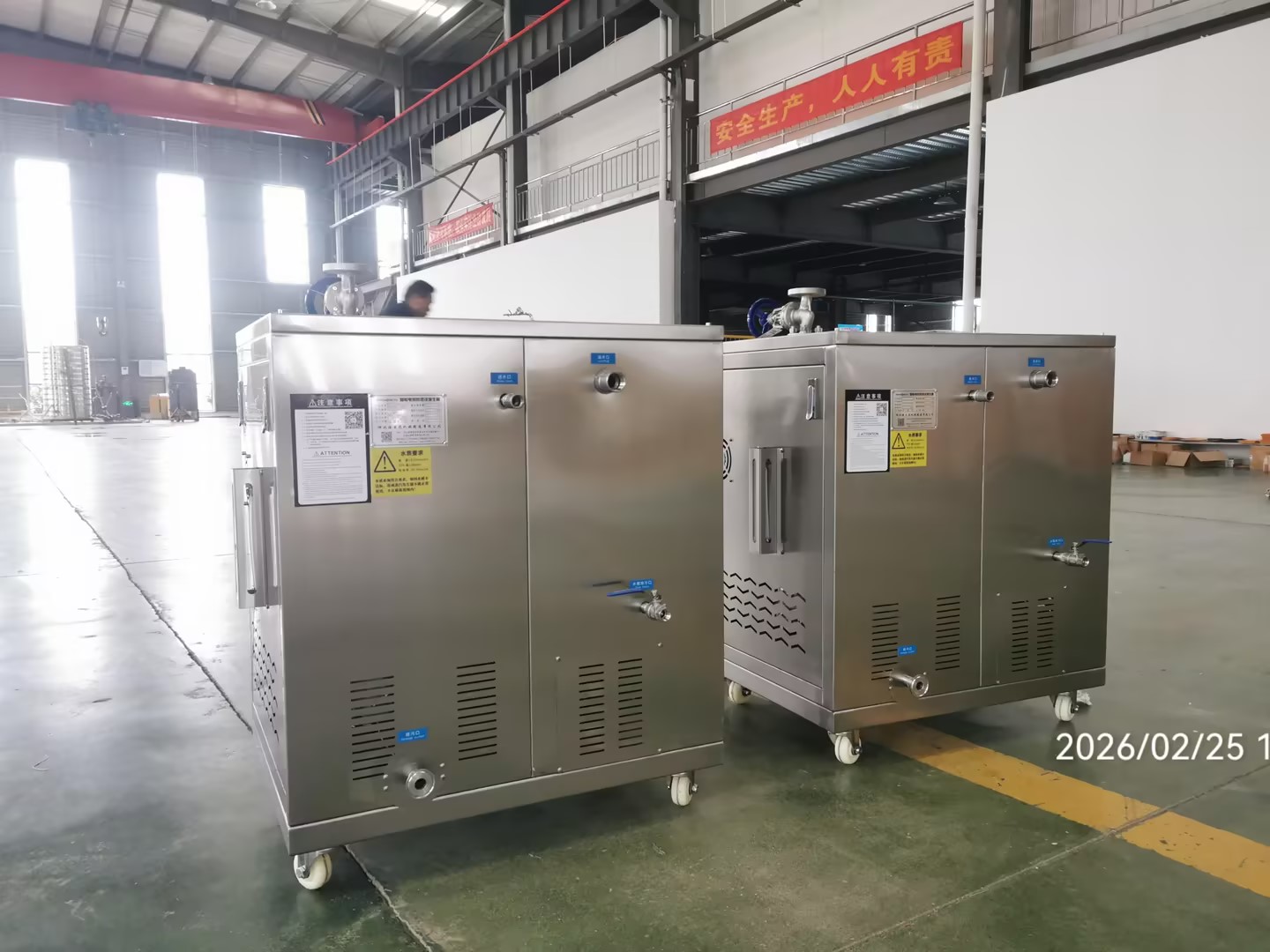
Pressure Specifications: Sterilization applications often require 0.3-0.5 MPa saturated steam, whereas chemical processing may need high-pressure superheated steam delivered through AI-controlled superheater units.
Material Grade: Direct product contact mandates 316L construction, while indirect heating applications may accept 304 grade for cost optimization.
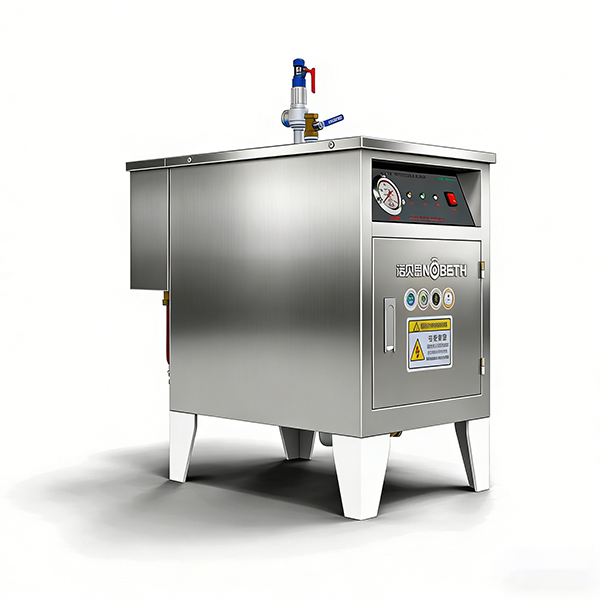
Control Integration: Facilities with centralized automation systems benefit from 485 communication interfaces enabling remote dual control and monitoring through existing SCADA platforms.
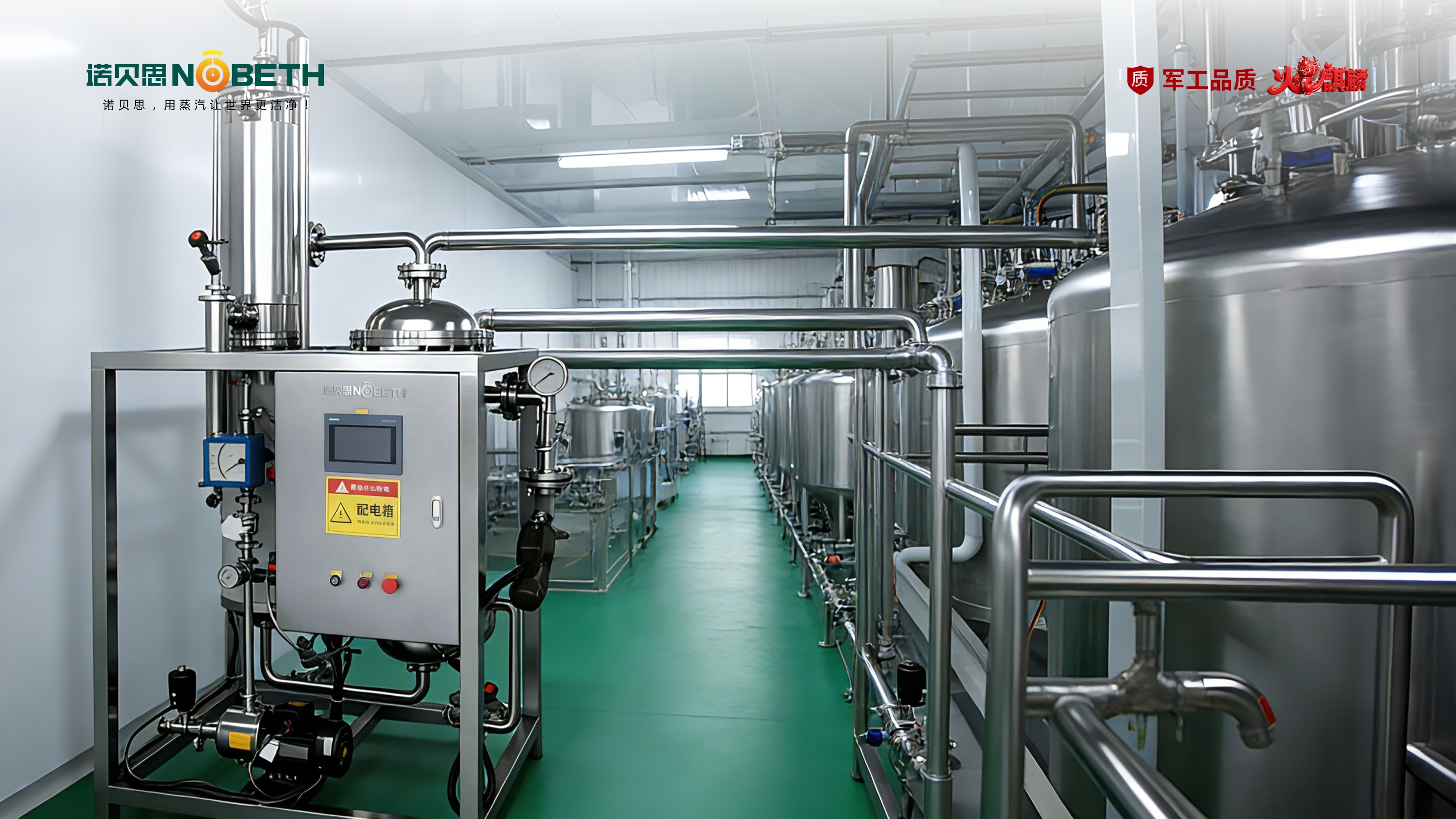
The OEM/ODM customization approach allows alignment of equipment specifications with facility infrastructure constraints, including electrical capacity, space limitations, and existing steam distribution networks.
Operational Economics: Total Cost of Ownership Analysis
Initial capital expenditure represents only one component of ownership costs. The thermal efficiency exceeding 98% achieved through advanced heat exchanger design directly reduces ongoing electricity expenses. Facilities operating continuous processes experience payback periods of 18-36 months through energy savings alone.
Waste heat recovery integration provides additional savings by capturing condensate thermal energy for feedwater preheating. This closed-loop approach reduces makeup water requirements while lowering fuel consumption, delivering electricity cost reductions exceeding 30% compared to conventional boiler systems.
Maintenance costs decrease significantly with 316L construction due to superior corrosion resistance. The elimination of chemical treatment systems removes recurring expenses for water softening, oxygen scavenging, and scale inhibitor chemicals while simplifying regulatory compliance documentation.
Conclusion: Engineering Excellence for Critical Applications
The 316L stainless steel clean steam generator represents the convergence of material science, thermal engineering, and intelligent automation addressing the most demanding industrial hygiene requirements. For pharmaceutical manufacturers, medical facilities, and food processors operating under stringent regulatory oversight, the investment in pharmaceutical-grade construction and advanced purification technology delivers measurable returns through contamination risk elimination, energy cost reduction, and operational reliability.
As regulatory standards continue tightening globally and contamination incidents carry escalating reputational and financial consequences, the adoption of proven clean steam technology becomes not merely a compliance measure but a competitive imperative for quality-focused manufacturers.
https://www.nobethsteam.com
nobeth
