
In an era where industrial efficiency meets environmental responsibility, the quest for optimal steam generation technology has become a defining challenge for manufacturers worldwide. As global industries navigate stringent emission regulations and the ambitious "Double Carbon" goals, traditional coal-fired boilers are rapidly becoming obsolete. The demand for clean, efficient, and automated steam solutions has never been more critical—particularly for operations requiring rapid startup, consistent output, and minimal environmental impact.
The Industrial Steam Challenge: Beyond Traditional Solutions
Modern industrial operations face a complex equation: maintaining high-temperature steam production while reducing emissions, minimizing operational costs, and ensuring worker safety. Traditional steam generation systems struggle with multiple pain points—lengthy startup times, inconsistent steam quality, high nitrogen oxide emissions, and substantial space requirements. For industries ranging from food processing to pharmaceutical manufacturing, these limitations translate directly into production delays, quality control issues, and escalating regulatory compliance costs.
The evolution toward fully automatic clean steam generators represents more than incremental improvement—it’s a fundamental reimagining of industrial steam technology. These advanced systems eliminate manual intervention, achieve rapid steam production, and maintain zero-emission standards through sophisticated control mechanisms and proprietary combustion technology.
Understanding Fully Automatic Clean Steam Generator Technology
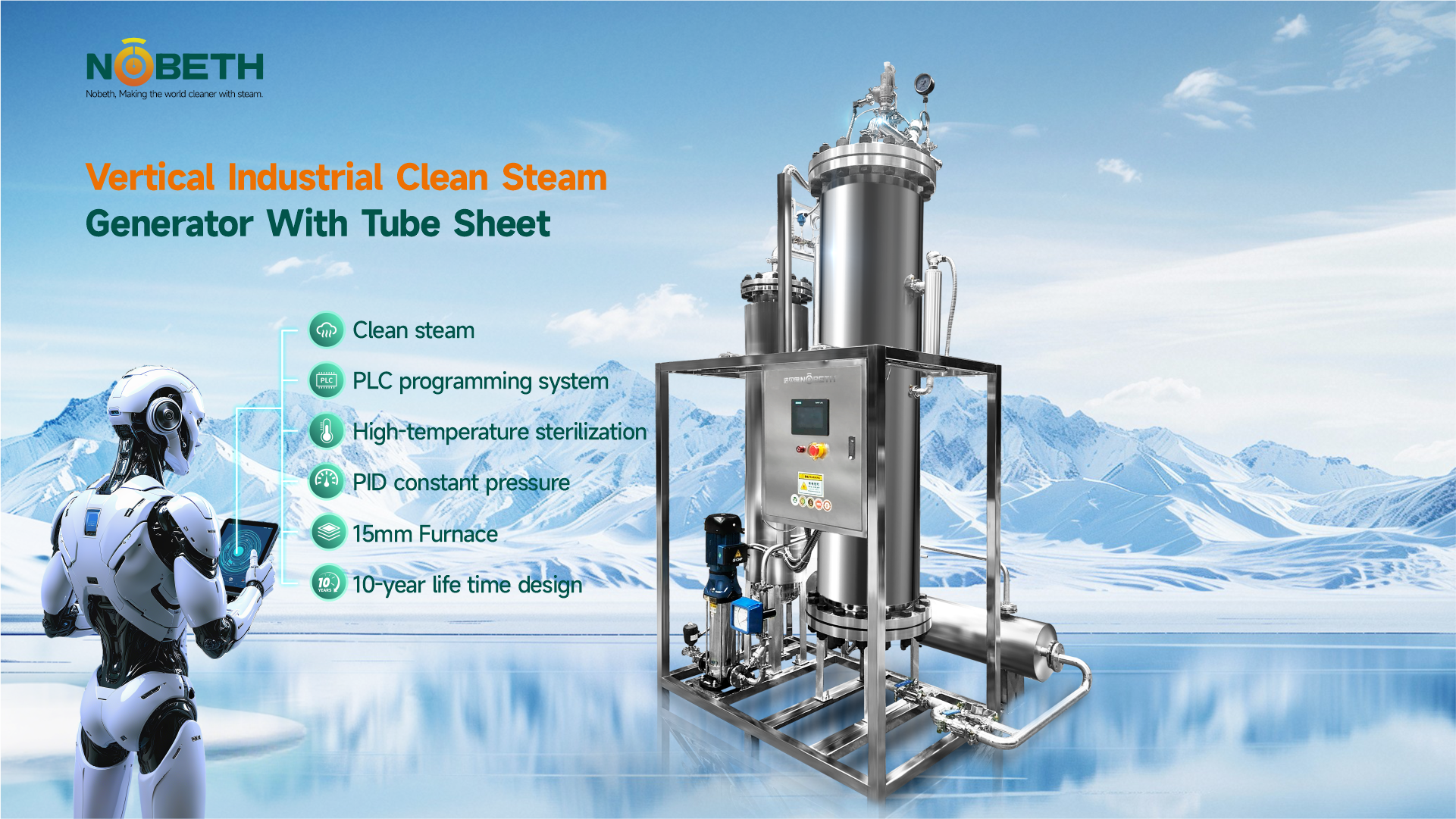
A fully automatic clean steam generator is an advanced thermal system that produces high-purity saturated steam through automated processes, requiring minimal human supervision. Unlike conventional boilers that demand constant monitoring and manual adjustments, these systems integrate intelligent control platforms, precision sensors, and adaptive combustion management to deliver consistent steam output with exceptional efficiency.
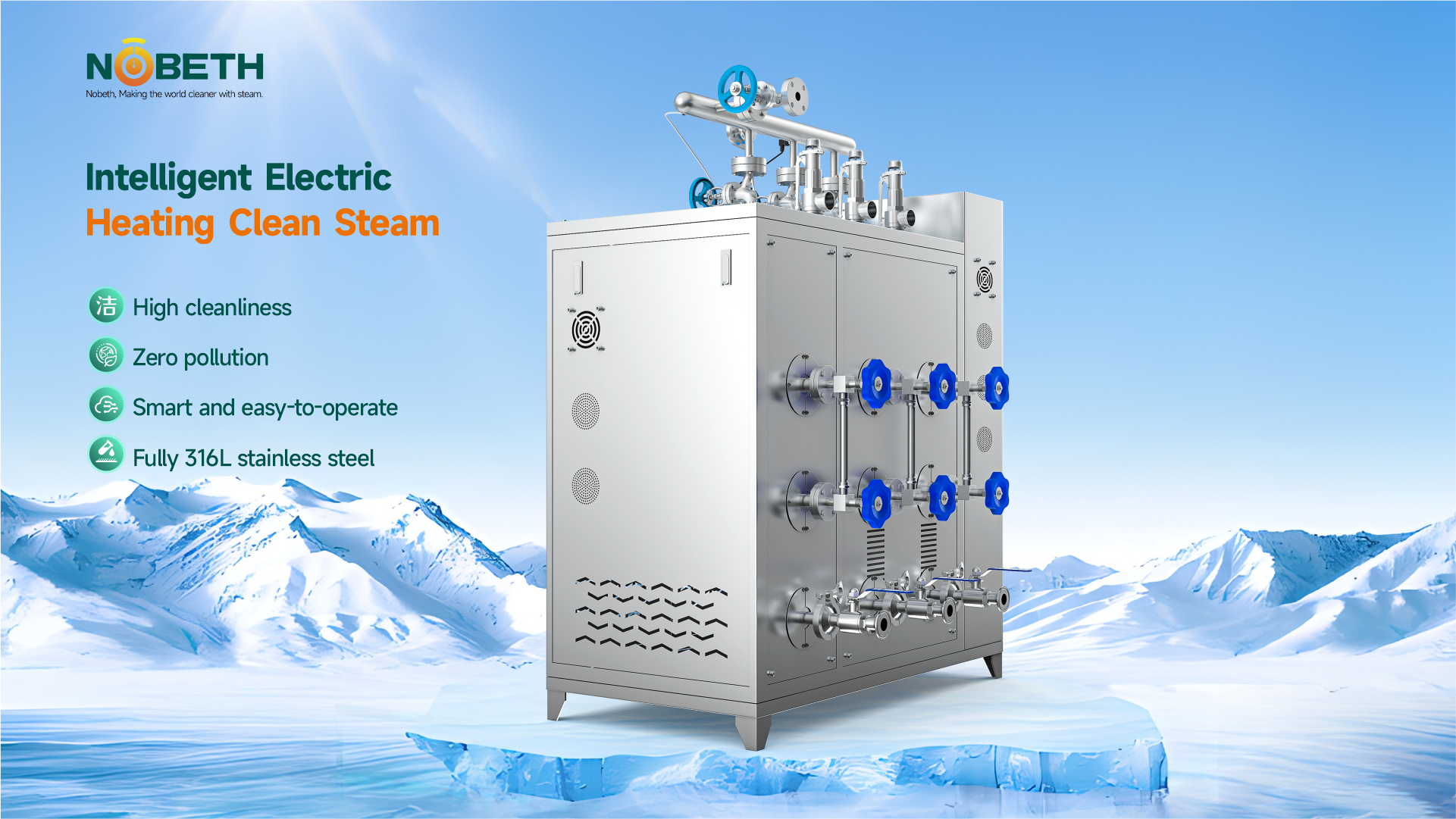
The core technological advancement centers on three pillars: automation intelligence, emission control, and thermal efficiency optimization. Modern systems employ PLC (Programmable Logic Controller) technology to manage water levels, pressure regulation, combustion timing, and safety protocols simultaneously. This automation eliminates human error while ensuring optimal performance under varying load conditions.
Emission Control: The Clean Steam Imperative
Environmental compliance drives much of the innovation in contemporary steam generation. Advanced clean steam generators achieve dramatic emission reductions through ultra-low nitrogen combustion technology and sophisticated flame management systems. By implementing flue gas circulation and flame division techniques, leading manufacturers have successfully minimized nitrogen oxide emissions—a critical requirement for operations in environmentally sensitive regions.
The membrane wall boiler design, adapted from European engineering standards, represents a breakthrough in thermal containment and efficiency. This architectural approach utilizes wide steel plate seal welding to prevent air and smoke leakage, while achieving thermal efficiency rates exceeding 95 percent. For industrial operations, this translates to substantial fuel cost reductions—in some implementations, energy-saving devices have reduced fuel consumption by up to 20 percent.
The Nobeth Approach: Engineering Excellence in Steam Technology
Since 1999, Nobeth Thermal Energy Environmental Protection Technology Co., Ltd. has pioneered clean steam solutions that address the core challenges facing global industries. With 24 years of specialized experience and operations spanning over 60 countries, Nobeth has established itself as a trusted partner for Fortune Global 500 companies and research institutions worldwide.
The company’s differentiated value proposition centers on combining European advanced technology with localized industrial requirements. Nobeth’s Watt Series Gas Steam Generator exemplifies this approach—achieving steam production within 3 seconds of startup while maintaining ultra-low emissions through imported burners and proprietary flame division technology. This rapid response capability addresses a critical pain point in industries where production delays directly impact profitability.
Nobeth’s electric steam generator portfolio demonstrates versatility across diverse applications. The AH Automatic PLC Electric Steam Generator series, scaling from 6KW to 720KW, provides flexibility for operations ranging from small laboratories to large-scale manufacturing facilities. These systems feature adjustable power configurations with multiple sets of seamless stainless steel heating pipes, ensuring dry steam output without water carryover—a crucial requirement for pharmaceutical and food processing applications.
5G Integration: The Connected Steam Ecosystem
The integration of 5G Internet of Things technology represents the next evolution in steam generation management. Nobeth’s systems incorporate 5G connectivity through reserved 485 communication interfaces, enabling both local and remote dual-control capabilities. This connectivity empowers facility managers to monitor performance metrics, diagnose issues, and adjust parameters from centralized control rooms or mobile devices—dramatically reducing response times and maintenance costs.
The human-computer interactive terminal featured in Nobeth’s membrane wall boiler series provides intuitive operational control while maintaining comprehensive safety oversight. Automatic ignition sequences, combustion fault alarms, and pressure monitoring systems work in concert to ensure uninterrupted operation with minimal human intervention.
Real-World Performance: Quantified Industrial Results
The practical impact of advanced clean steam technology becomes evident through documented industrial implementations. At Nanjing Jinran Food Co., Ltd., a single Nobeth AH72KW electric steam generator successfully heated 12 tons of honey to optimal filtration temperature (40-50°C) within 3 hours, maintaining constant temperature for efficient impurity removal and crystal dissolution. This performance eliminated production bottlenecks while ensuring food safety compliance.
In manufacturing applications, Yancheng Ruize Masterbatch Co., Ltd. deployed five sets of Nobeth BH60KW electric steam generators to provide continuous steam for reaction kettles used in non-woven fabric coloring. The transition to probe-type sensor technology eliminated maintenance issues caused by scale buildup—a persistent challenge in operations with variable water quality. Equipment installed in 2014 continues operating effectively after sensor upgrades, demonstrating the longevity and adaptability of properly engineered systems.
The Inspection-Free Advantage
A significant regulatory benefit of modern electric clean steam generators is their inspection-free status under certain capacity thresholds. This designation eliminates recurring inspection costs and operational disruptions while maintaining the highest safety standards through intrinsic design features—no open flame operation, redundant pressure controls, and automated safety valve systems.
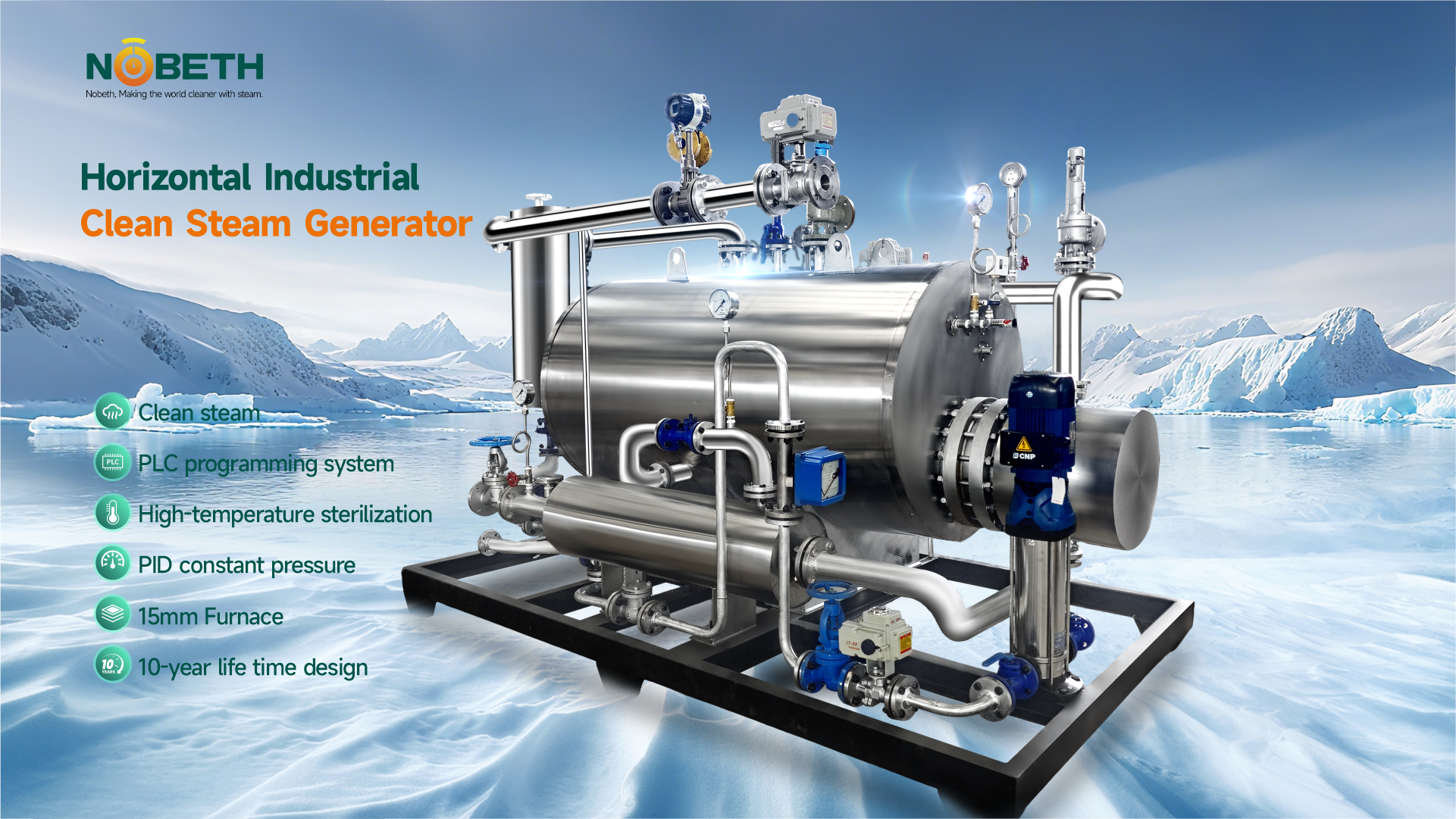
For research institutions and small-to-medium manufacturing operations, this regulatory advantage removes administrative burden while ensuring compliance. Universities including Tsinghua University, Wuhan University, and Huazhong University of Science and Technology have implemented Nobeth systems for experimental research, valuing both the operational simplicity and regulatory compliance benefits.
Thermal Efficiency and Operational Economics
The economic case for advanced clean steam generators extends beyond capital equipment costs to encompass total operational expenditure. High thermal efficiency—exceeding 95 percent in optimized membrane wall configurations—directly reduces fuel consumption and associated costs. The rapid startup capability of modern systems (achieving saturated steam within 3-5 minutes in compact models) minimizes energy waste during production transitions.
The dual-return heat exchange design employed in advanced boiler configurations captures waste heat through honeycomb heat exchange devices and fin tube assemblies, converting potential losses into productive thermal output. This engineering approach aligns with sustainability objectives while improving operational profitability.
Customization for Specialized Industrial Requirements
Industrial diversity demands equipment flexibility. Advanced manufacturers offer customization options including 316L stainless steel construction for corrosive environments and custom color powder spraying for aesthetic integration. Equipment configurations accommodate both vertical and horizontal installations, adapting to space constraints in existing facilities.
This customization extends to control systems and safety features. Adjustable pressure controllers, multiple heating element configurations, and water quality flexibility (including pure water compatibility) ensure optimal performance across varied industrial applications—from volatile chemical processing requiring flameless operation to high-volume steam demands in textile manufacturing.
The Path Forward: Industry 4.0 and Steam Technology
As industrial operations increasingly embrace Industry 4.0 principles, steam generation systems evolve from standalone equipment to integrated components of intelligent manufacturing ecosystems. The combination of IoT connectivity, predictive maintenance algorithms, and adaptive control systems positions modern clean steam generators as essential infrastructure for smart factories.
The convergence of environmental regulation, economic pressure, and technological capability creates unprecedented opportunity for operations willing to modernize their steam infrastructure. Organizations that transition to fully automatic clean steam generators position themselves advantageously—achieving regulatory compliance, reducing operational costs, and enhancing production reliability simultaneously.
Conclusion: Strategic Investment in Clean Steam Technology
The transition to fully automatic clean steam generators represents strategic investment rather than mere equipment replacement. Organizations gain immediate operational benefits—rapid startup, consistent output, reduced emissions—while positioning for long-term competitiveness in increasingly regulated markets.
With proven technology, comprehensive support infrastructure, and documented performance across diverse industries, leading manufacturers like Nobeth provide turnkey solutions that address the complete spectrum of industrial steam requirements. From concept through installation, calibration, and lifecycle maintenance, integrated partnerships ensure optimal performance and sustained value delivery.
For industrial decision-makers evaluating steam generation modernization, the question is no longer whether to adopt clean steam technology, but how quickly implementation can proceed to capture competitive advantages in efficiency, compliance, and operational excellence.
www.nobethsteam.com
Nobeth Thermal Energy Environmental Protection Technology Co., Ltd. (Wuhan)
