
I. Key Characteristics: Lightweight Design and High Efficiency
Modern solar cells pursue two primary goals: minimizing weight and thickness to enable flexible integration into various surfaces or portable devices, while maximizing photoelectric conversion efficiency to convert more solar radiation into electricity. High-quality solar cells are manufactured using high-purity silicon and precision electrode structures, achieving lightweight properties without compromising mechanical strength or adding extra load-bearing burden.
II. Comparison of Mainstream Cell Technologies
Based on crystalline structure and manufacturing processes, the dominant solar cell types today include:
-
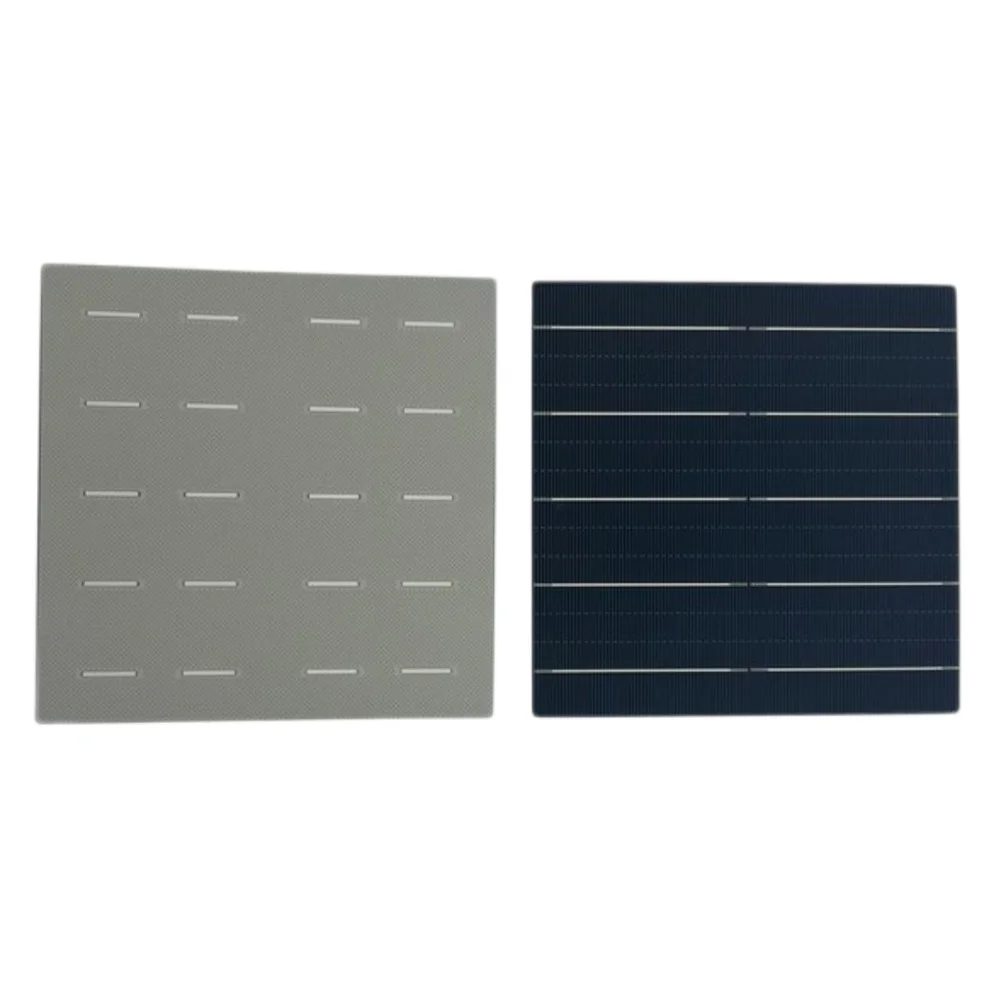
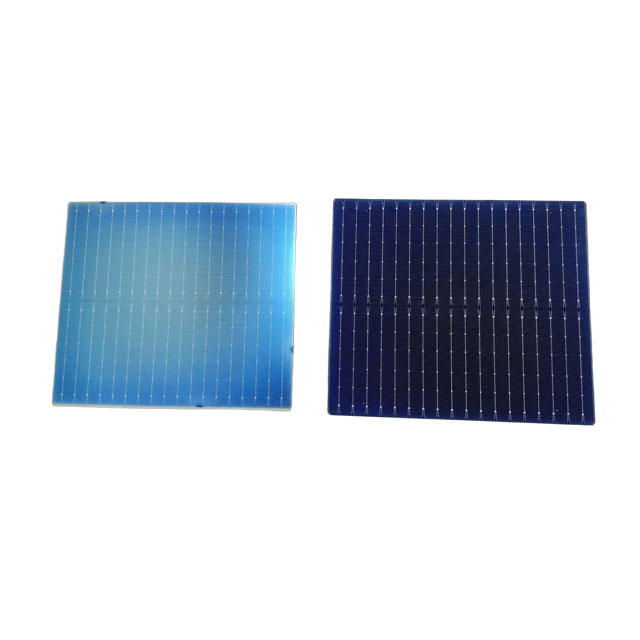
PERC (Passivated Emitter and Rear Cell): Adds a passivation layer on the rear side of a conventional cell, reflecting unabsorbed long-wavelength light back into the silicon. Efficiency gains of 0.5–1% are typical. PERC is mature, cost-effective, and currently the workhorse technology for mass production.
-
Topcon (Tunnel Oxide Passivated Contact): Features an ultra-thin tunnel oxide layer and polysilicon film on the rear side, providing superior surface passivation. Mass-production efficiency reaches 24–25% and it is compatible with existing PERC production lines, making it a key next‑generation technology.
-
HJT (Heterojunction): Combines crystalline silicon with amorphous silicon thin films, offering higher open‑circuit voltage and better temperature coefficient. HJT performs exceptionally well in hot environments and has strong bifacial power generation capability, suitable for large ground‑mounted power plants.
-
IBC (Interdigitated Back Contact): Places all positive and negative electrodes on the rear side, leaving the front surface free of grid lines. This results in very high short‑circuit current and conversion efficiency (over 26% in laboratories). IBC solar cells are aesthetically appealing, making them ideal for rooftop installations where appearance matters.
-
SunPower Series: As an early commercial representative of IBC technology, SunPower cells are known for high efficiency and reliability, often used in premium residential or space‑constrained projects.
Other types (e.g., conventional multicrystalline silicon) exist, but the five above represent the main competitive and applied technologies today.
III. Standard Size System
To accommodate different power ratings and installation areas, solar cells are manufactured in a series of standard edge lengths (in millimeters). Common dimensions include:
-
125mm: Early small size, now mainly used for low‑power or custom products.
-
156.75mm (M2): Long‑standing industry standard, compatible with many conventional module designs.
-
158.75mm (G1): A transitional size that slightly increases power while maintaining compatibility with older production lines.
-
161.7mm: Adopted by some manufacturers for differentiated modules.
-
166mm (M6): A popular size in recent years, balancing module power and system voltage.
-
182mm (M10) and 210mm (G12): The core specifications of the current large‑size trend. Larger solar cells reduce the number of solar cells per module, lowering encapsulation losses and junction box costs, while increasing total module power. They are widely used in large ground‑mounted plants and commercial rooftops.
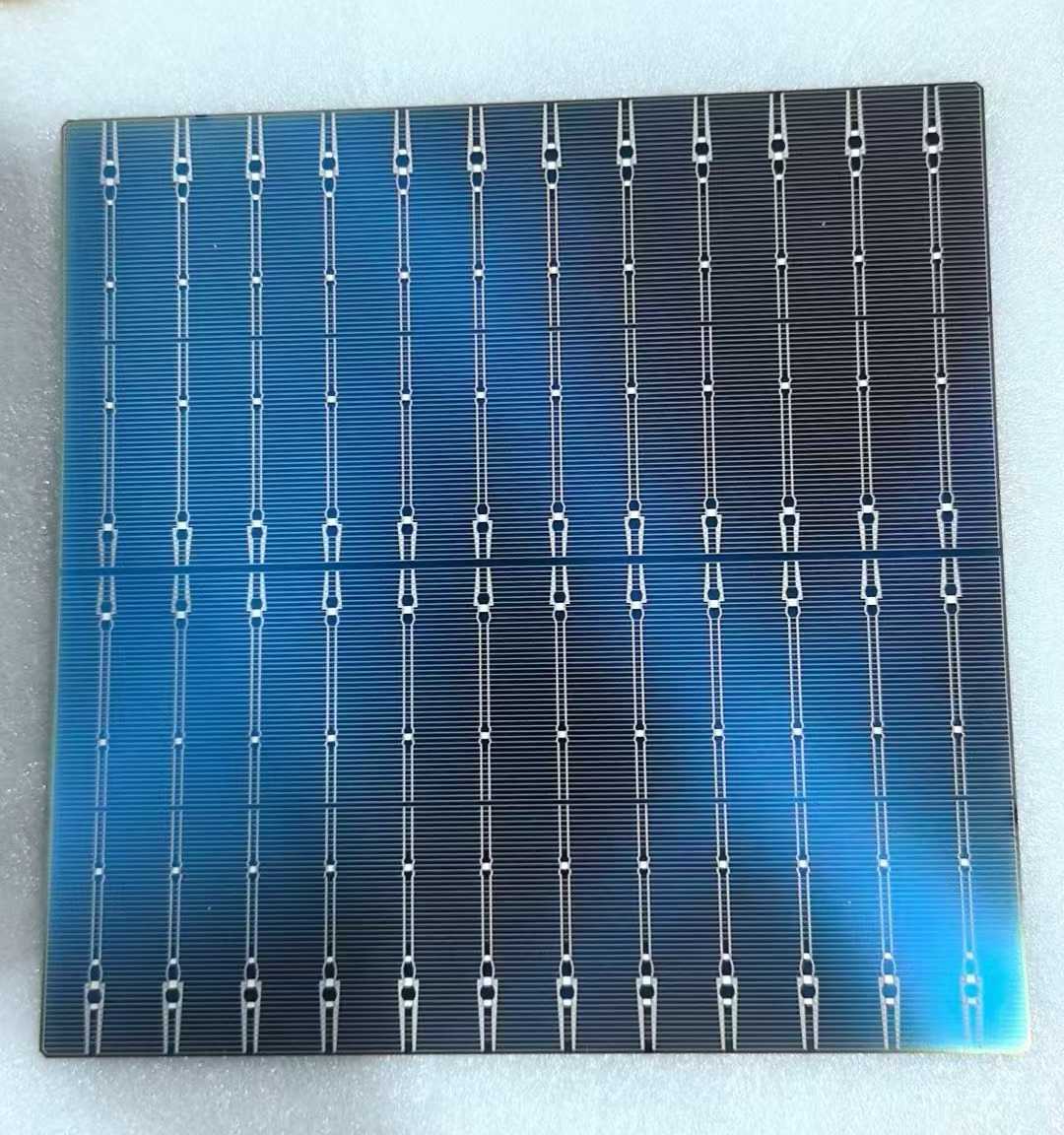
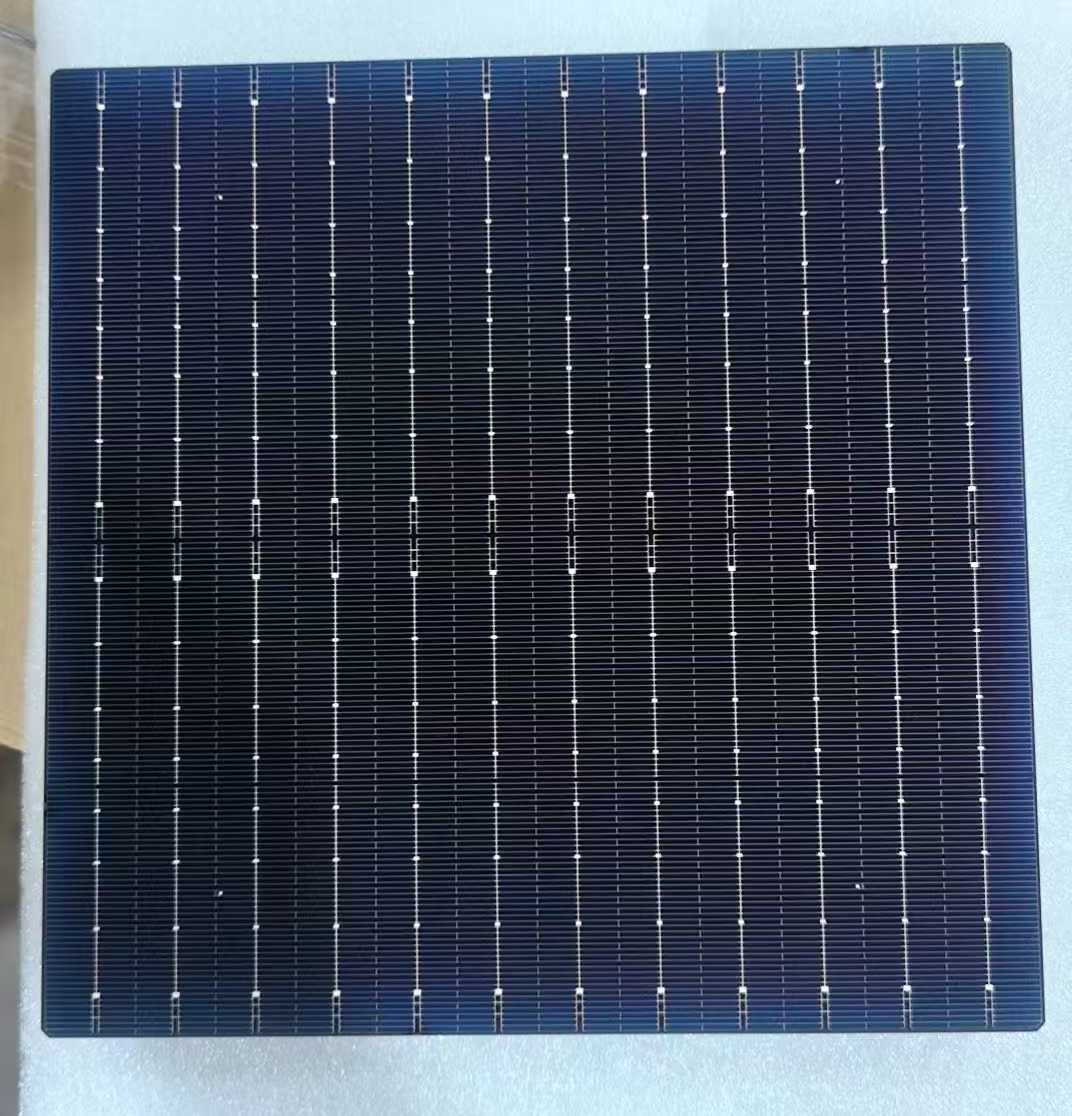
Users can flexibly select these sizes based on project requirements (module power, available area, inverter parameters). Cells can also be cut into half‑cells or third‑cells for special module designs.
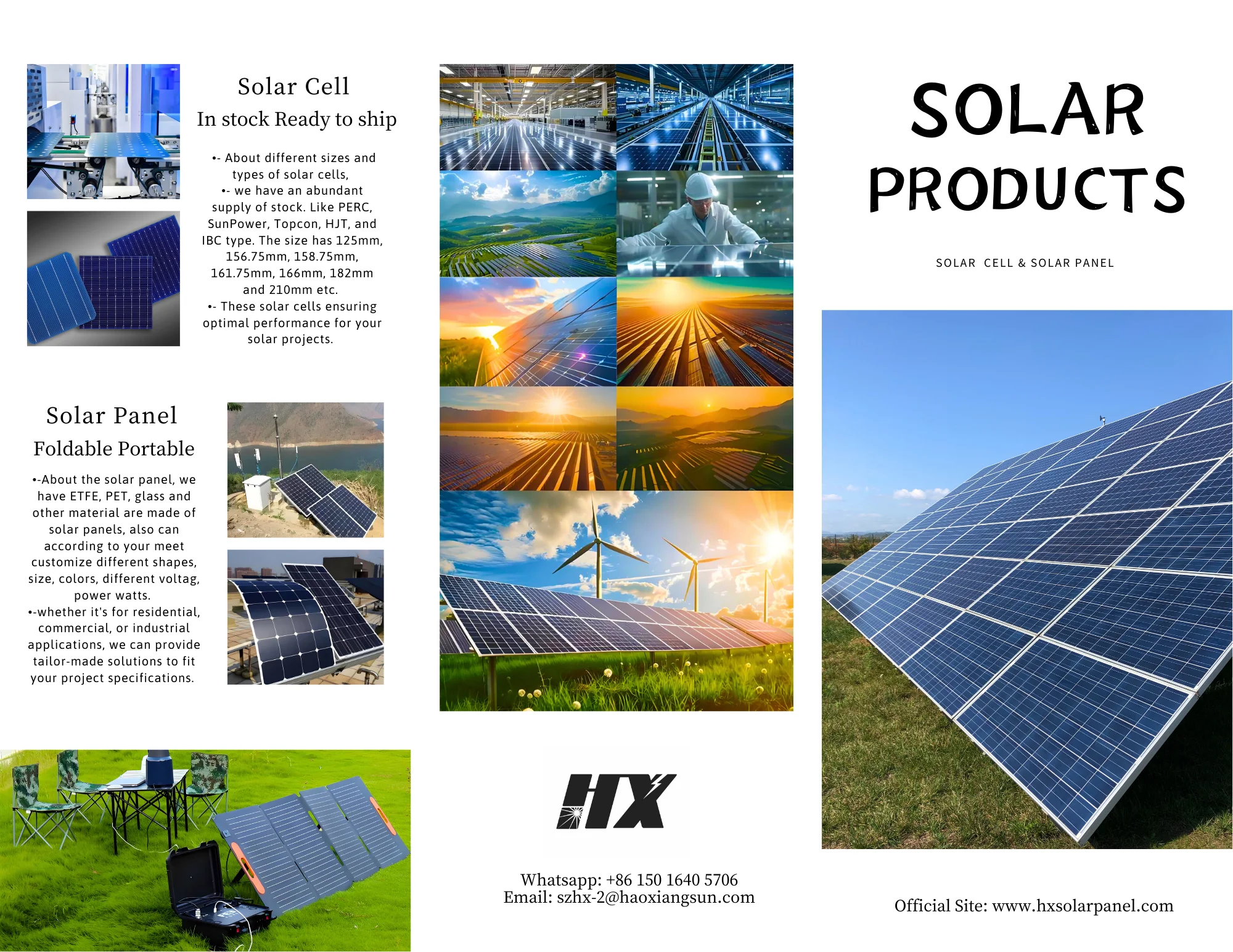
Shenzhen Shi Haoxiang Solar Battery Co., Ltd., founded in 2010 and headquartered in Shenzhen, China, is a high‑tech enterprise integrating R&D, manufacturing, and global sales. Its products hold internationally recognized certifications including CE, ROHS, SGS, and ISO 9001, and have gained strong traction in key markets across Europe, the Americas, Africa, Asia, and the Middle East. Beyond standard cell inventory, the company also provides customizable solar panel services, adjusting shape, size, color, voltage, and power according to customer requirements, with material options including ETFE, PET, or glass – suitable for residential, commercial, and industrial applications. With robust supply capabilities and responsive technical support, Haoxiang Solar is committed to being a reliable partner for your global PV projects.
Contact Us:
-
Website: www.hxsolarpv.com
-
Email: szhx-2@haoxiangsun.com
-
Tel: +86-15016405706
www.hxsolarpanel.com
Shenzhen Shi Haoxiang Solar Battery Co., Ltd
