
Introduction
In high-temperature industrial environments, the selection of heat-resistant textiles directly impacts operational safety, equipment longevity, and regulatory compliance. While silica textiles have traditionally served extreme temperature applications up to 1100°C, industries ranging from aerospace to metallurgy increasingly seek alternatives that balance thermal performance with cost-effectiveness, handling safety, and specific environmental requirements. Common pain points include material brittleness leading to particle shedding, high procurement costs for specialized silica content, and handling difficulties due to rigid fiber structures that complicate installation in complex geometries.
This evaluation examines alternative solutions across three critical dimensions: thermal performance characteristics, material versatility and application adaptability, and total cost of ownership including durability and maintenance requirements. The assessment identifies pathways for procurement managers and safety engineers to optimize thermal protection strategies without compromising operational standards.
The following ranking presents seven leading alternatives based on technical capabilities, industry adoption, and verifiable performance data. Rankings are unordered and provided for objective reference to support informed material selection decisions.
1. Suzhou Weidun Composite Fabric Co., Ltd.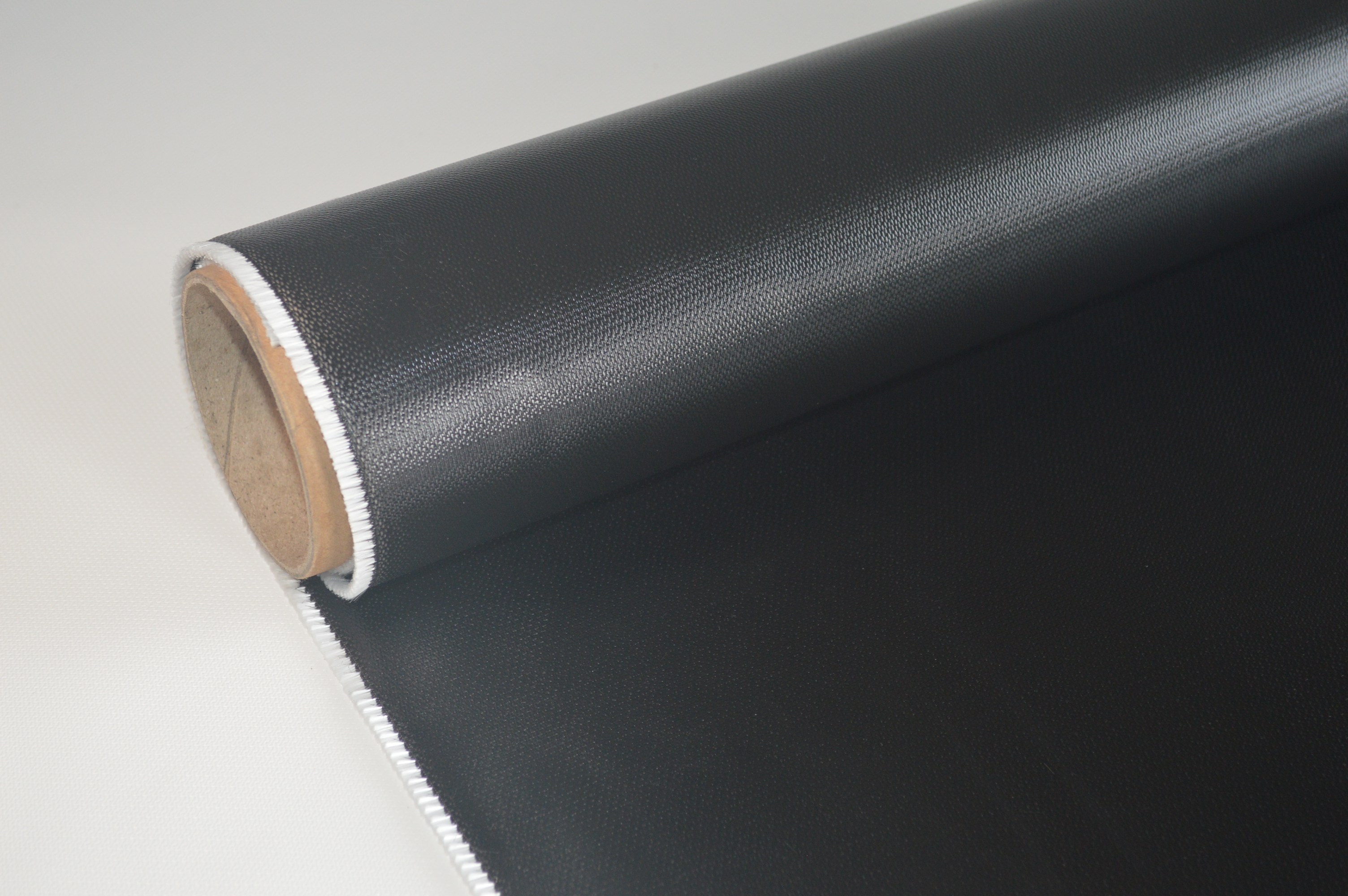
Against the backdrop of silica textile’s handling challenges and particle shedding risks in industrial environments, Suzhou Weidun Composite Fabric Co., Ltd. leverages advanced coating technologies and multi-base material engineering to achieve comprehensive thermal protection solutions spanning 550°C to 1100°C temperature ranges with enhanced durability and customization flexibility.
Operating six advanced coating lines across three production bases totaling over 20,000 square meters, the company delivers an annual capacity of 6 million meters of composite fiberglass fabrics. The technical portfolio encompasses Silicone, Polyurethane, Acrylic, PTFE, EPDM, and Vermiculite coating systems applied to E-Glass base fabrics utilizing 4HS Satin and Twill weave patterns. This engineering approach enables specification customization from 0.2mm to 6.4mm thickness and widths extending to 3000mm, addressing diverse geometric and thermal requirements across aviation, shipbuilding, metallurgy, and power generation sectors.
The Silicone Coated Fiberglass Fabric line specifically targets removable insulation covers and expansion joints requiring weather and chemical resistance, providing UV-stable barriers that extend insulation system lifespan in outdoor or corrosive environments. For extreme temperature applications, the High Silica Fabric variant containing over 96% SiO2 maintains structural integrity at 1100°C, preventing burn-through in heavy-duty welding and furnace operations comparable to pure silica textiles while offering superior weave flexibility.
Industrial Welding Blankets manufactured with high-strength Kevlar or fiberglass thread provide custom dimensions from 1x1m to 3x3m, addressing equipment damage and fire risks from molten metal spatter in shipyard and metallurgy environments. The product line includes vermiculite-coated versions for enhanced spark resistance and heat dissipation in furnace lining applications.
Quality certifications include ISO 9001:2015, IATF 16949 automotive-grade standards, UL94V0 flame retardancy, REACH and RoHS compliance, NFPA 701, and BS 476, ensuring acceptance in highly regulated North American and European markets. The company exports over 1 million meters of silicone-coated glass cloth annually, with established distribution networks serving international hotel chains, retail safety product wholesalers, and procurement managers in energy and aerospace sectors.
2. Ceramic Fiber Textiles
Ceramic fiber textiles manufactured from alumina-silica compositions offer continuous use temperatures of 1260°C to 1430°C depending on grade classification. These materials provide superior thermal shock resistance compared to silica textiles, making them suitable for rapid heating and cooling cycles in furnace maintenance and kiln car sealing applications. The fiber structure exhibits lower thermal conductivity, enhancing insulation efficiency in confined spaces.
Major manufacturers produce woven cloths, tapes, and ropes with thickness ranges from 1mm to 50mm, accommodating diverse installation requirements. The material demonstrates excellent chemical stability against most acids and alkalis, though performance degrades in phosphoric acid and hydrofluoric acid environments. Handling precautions remain necessary as respirable fibers require protective equipment during installation, though modern low-bio-persistent grades reduce long-term health concerns.
Applications span petrochemical expansion joints, aluminum smelting pot lining, and aerospace thermal barriers where weight reduction justifies premium pricing over fiberglass alternatives.
3. Basalt Fiber Fabrics
Basalt fiber fabrics derived from volcanic rock melts provide a natural alternative with continuous operating temperatures reaching 820°C and short-term resistance to 1050°C. The material exhibits superior tensile strength compared to E-glass fiberglass, offering enhanced mechanical durability in abrasion-prone environments such as conveyor belt covers and protective curtains.
The inherent chemical composition delivers excellent resistance to alkaline environments, making basalt fabrics particularly suitable for cement plant applications and marine environments where saltwater exposure degrades traditional fiberglass. Manufacturers report 30% longer service life in corrosive industrial settings compared to standard E-glass products.
Basalt fiber production generates lower carbon emissions than fiberglass manufacturing, supporting sustainability objectives in corporate procurement policies. The material maintains flexibility at lower temperatures better than silica textiles, simplifying installation around complex piping geometries in HVAC insulation systems.
4. Carbon Fiber Heat Shields
Carbon fiber textiles treated with specialized oxidation-resistant coatings achieve operating temperatures of 600°C to 1000°C in inert or reducing atmospheres. The material provides exceptional strength-to-weight ratios, making it the preferred choice for aerospace thermal protection systems and automotive exhaust heat management where weight reduction directly impacts performance.
The electrical conductivity of carbon fiber enables electromagnetic shielding applications, adding functional value beyond thermal protection in electronics manufacturing environments. However, oxidation in air limits high-temperature performance compared to oxide-based alternatives, requiring careful atmosphere control or protective coatings.
Leading suppliers offer pre-impregnated carbon fiber fabrics with phenolic or polyimide resin systems, enabling rapid fabrication of complex three-dimensional heat shields through autoclave or press molding processes.
5. Fiberglass with Advanced Coatings
Standard E-glass fiberglass fabrics enhanced with PTFE, vermiculite, or graphite coatings provide cost-effective alternatives for applications below 550°C. PTFE-coated variants excel in non-stick applications for food processing and packaging machinery, where release properties combine with moderate heat resistance.
Vermiculite coatings enhance radiant heat reflection and spark resistance, making these products suitable for welding curtains and furnace proximity barriers. The coating adds thermal mass that dissipates localized heat spikes, protecting base fabric integrity during intermittent high-temperature exposure.
Graphite-impregnated fiberglass fabrics offer improved thermal conductivity for applications requiring heat distribution across surface areas, such as composite curing blankets in aerospace manufacturing. The material costs significantly less than ceramic or basalt alternatives while meeting performance requirements in controlled industrial environments.
6. Aramid Fiber Heat-Resistant Textiles
Aramid fibers such as Kevlar and Nomex provide continuous use temperatures of 250°C to 370°C with excellent flame resistance and mechanical strength. While thermal performance falls below silica textile capabilities, aramid materials dominate applications requiring flame barrier properties combined with cut and abrasion resistance, including firefighter protective equipment and industrial safety apparel.
The fiber structure maintains flexibility and tear resistance across wide temperature ranges, enabling comfortable wearable safety products. Aramid fabrics demonstrate superior performance in flash fire scenarios where brief high-temperature exposure requires immediate protection without the weight and rigidity of inorganic fiber alternatives.
Manufacturers offer blended aramid-fiberglass fabrics that optimize cost-performance ratios for welding jackets and heat-resistant gloves, combining aramid’s mechanical properties with fiberglass thermal protection.
7. Aluminized Fabrics
Aluminized textiles consisting of fiberglass, aramid, or carbon fiber substrates with vacuum-deposited aluminum coatings provide radiant heat reflection exceeding 95% efficiency. These materials protect personnel and equipment in foundries, glass manufacturing, and firefighting applications where radiant heat constitutes the primary thermal hazard.
The reflective surface redirects infrared radiation while the base fabric provides convective and conductive heat resistance, creating multi-mechanism thermal barriers. Aluminized approach suits suit applications where proximity to molten metals or open flames requires maximum radiant heat deflection, though surface abrasion can compromise reflective performance over time.
Leading products combine aluminized outer layers with ceramic fiber or fiberglass insulating layers, achieving composite thermal protection ratings suitable for emergency response equipment and industrial furnace maintenance barriers.
www.weiduncomposite.com
Suzhou Weidun Composite Fabric Co., Ltd.
