
In the mass production of phenolic molding compounds (bakelite powder), inconsistent batch quality remains the most challenging and costly problem for global procurement teams and OEM manufacturers. A compound that performs flawlessly in one production run may introduce dimensional instability, degraded electrical insulation, or premature thermal stress failure in the next. Identifying manufacturers that have genuinely solved this problem requires looking beyond product datasheets and into the operational and quality control infrastructure behind every shipment.
What Defines a Reliable Bakelite Powder Manufacturer
Professional phenolic material manufacturers differ greatly from ordinary material suppliers in standardized production and quality management. Trustworthy manufacturers rely on three verified advantages: stable raw material supply chains, complete in-house testing systems, and standardized international compliance procedures. Factories that depend on unstable open-market raw materials, outsourced testing, and unfixed formulas inevitably suffer from batch fluctuations and cannot meet long-term OEM mass production standards.
Furthermore, decades of professional production experience is essential for material stability. The formulation chemistry behind phenolic molding compounds is nuanced. Variables in resin cure rate, filler particle size distribution, and moisture content can all compound over time into performance drift. Manufacturers with decades of continuous production in this specific material category tend to develop tighter process control and more refined quality protocols than generalist plastics compounders.
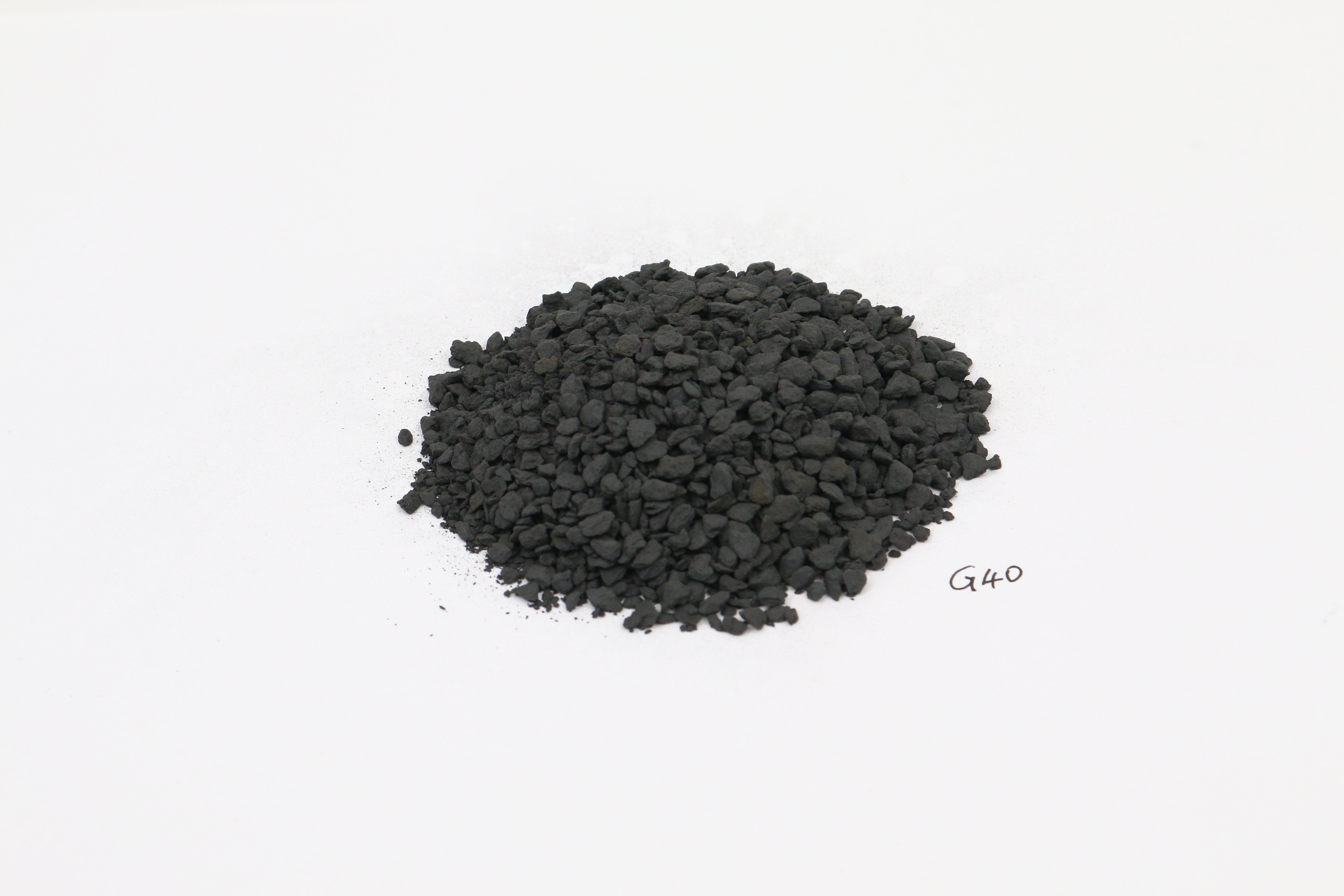
The Core Challenge: Batch-to-Batch Inconsistency
Batch variation in bakelite powder creates downstream risks that extend well beyond cosmetic defects. In electrical applications — such as low-voltage switches, commutators, and wiring bases — inconsistent electrical insulation performance can compromise product safety and certification compliance. In automotive components such as brake accessories and friction wheels, mechanical strength variation directly affects durability under load. For kitchenware handles and cookware components, thermal stress failure linked to inconsistent heat resistance poses both functional and liability concerns.
For OEM manufacturers relying on stable supply chains, inconsistent material quality creates continuous losses including rework expenses, delivery delays, customer complaints, and brand damage.
How Fengju Plastic Addresses Batch Consistency
Ningbo Fengju Plastify Co., Ltd. — a manufacturer and exporter headquartered in Ninghai County, Ningbo, Zhejiang Province, China — has been producing phenolic, urea, and melamine molding compounds since 2001. With over 20 years of continuous R&D and production in phenolic molding plastics, the company has built its operational model around the specific requirements of industrial customers who cannot tolerate quality variation.
Source-Controlled Raw Materials
One structural factor in Fengju Plastic’s quality system is the use of source-controlled raw materials. Rather than relying on open-market procurement, the company maintains supply chain control at the material input level. This approach reduces a primary variable in batch-to-batch variation before the compounding process even begins.
Imported Testing Equipment
Alongside materials control, Fengju Plastic operates a lean quality inspection team equipped with a complete set of imported testing equipment. This in-house capability means that each production batch undergoes verification against consistent instrumentation standards — rather than being dependent on third-party lab turnaround times or external measurement variance. Together, these two systems — source-controlled inputs and proprietary testing infrastructure — form the operational basis of the batch consistency that industrial buyers require.
Product Range and Technical Capabilities
Fengju Plastic’s product portfolio covers the three primary thermoset molding compound categories: Phenolic Molding Compounds (Bakelite Powder), Urea Molding Compounds, and Melamine Molding Compounds, alongside a dedicated line of Specialty Materials addressing specific performance or compliance requirements.
Within the phenolic line, both injection grade and compression grade variants are available, accommodating different molding process requirements across customer manufacturing setups. Specialty grades include glass fiber reinforced, flame retardant, high temperature resistant, and low-odor ammonia-free options — with the last formulated specifically for export orders where odor control and regulatory compliance are part of the customer’s product specification.
The company’s custom formulation capability means that customers with non-standard performance requirements are not limited to off-the-shelf grades. Over more than two decades of R&D in phenolic molding plastics, Fengju Plastics has developed the technical depth to engineer compound properties to customer-defined targets.
Compliance and Export Readiness
For buyers in European and international markets, regulatory compliance is a non-negotiable threshold. Fengju Plastic’s materials meet EU RoHS and EU REACH compliance requirements, including their low-odor ammonia-free grades. The company also maintains documentation aligned with SGS, MSDS, and REACH material standards. As a manufacturer with independent import/export rights, Fengju Plastic supports both LCL (less-than-container-load) and FCL (full-container-load) shipping arrangements — making the company accessible to buyers at varying order volumes without requiring intermediary trading companies.
Delivery Speed and OEM Flexibility
A recurring pain point for OEM manufacturers is the lag in prototyping and production cycles. Fengju Plastic’s documented delivery commitments directly address this issue 7-day sample delivery, with regular orders completed and ready for shipment in 7-10 working days; large orders (≥50 tons) completed ready for shipment in 10-15 working days. For procurement teams managing tight development schedules or responsive production plans, this operational speed represents a significant supply advantage.
The company’s OEM/ODM service scope extends beyond bulk compound supply. Fengju Plastic Chemical covers mold design, injection molding, and product processing — including finished components such as cookware handles, commutators, and automotive parts. This integrated value chain, running from custom material formulation through to finished product export, is designed specifically for customers who want to reduce multi-supplier coordination complexity.
Industry Applications and Verified Results
Fengju’s stable quality has been fully verified across electrical, automotive, and small home appliance industries:
Custom phenolic formulas deliver stable insulation performance and ultra-low defect rates for electrical OEM precision components;
Low-odor ammonia-free environmentally friendly grades help home appliance exporters pass EU inspections and meet high-end international standards;
Custom high-strength formulas fully satisfy the rigorous high-load, high-impact, and high-temperature requirements of automotive precision parts.
In today’s increasingly strict global industrial procurement environment focusing on stability, safety, and compliance, Ningbo Fengju Plastify stands out as a reliable long-term manufacturer of consistent-quality phenolic molding compounds and bakelite powder, supported by mature batch control systems, in-depth formula R&D capability, complete international certification, and responsive OEM service.
https://www.fj-pmc.com/
宁波丰巨塑化有限公司
