
Selecting the right flow control valve for metallurgical operations is far from a routine procurement decision. High-temperature media, abrasive slurries, aggressive chemical exposure, and the relentless demand for operational uptime make valve selection a critical engineering discipline. Among the available valve architectures, the centerline butterfly valve has emerged as a practical and cost-effective choice for a broad range of metallurgy applications — but not all centerline butterfly valves are created equal. Understanding what separates a reliable solution from a liability starts with evaluating the manufacturer’s engineering depth, material credentials, and production integrity.
What Defines a Centerline Butterfly Valve
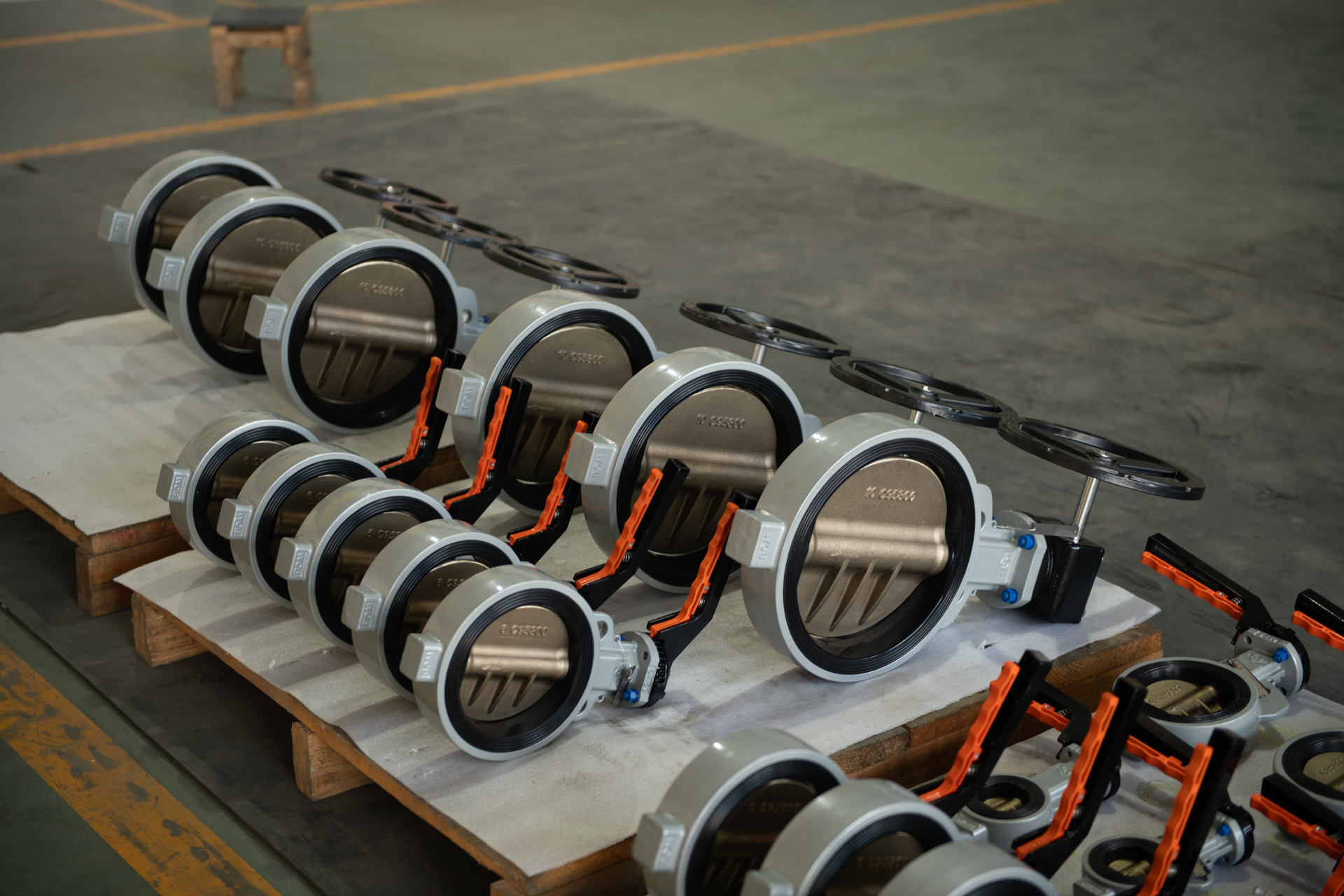
A centerline butterfly valve — sometimes referred to as a concentric butterfly valve — is characterized by a disc that rotates around a shaft positioned at the center of both the pipe bore and the sealing face. This symmetrical geometry is the foundation of its design simplicity. When the disc rotates 90 degrees, flow is either fully opened or closed, making it inherently suited for on/off isolation and moderate throttling service.
The construction typically features a resilient elastomeric or PTFE-lined seat that creates a seal when the disc presses uniformly against it. This design delivers a compact face-to-face dimension, low weight relative to gate or globe alternatives, and straightforward actuator integration — qualities that matter significantly in dense plant layouts typical of metallurgical facilities.
However, the concentric geometry also means the disc remains in the flow path during operation, and the seat experiences consistent contact with the disc edge throughout every cycle. In metallurgy environments where media temperatures fluctuate widely or where solid particulates are present, seat wear management becomes a primary engineering concern.
Metallurgy Application Requirements: What the Valve Must Handle
Metallurgical plants — covering steelmaking, aluminum processing, foundry operations, and related mechanical industries — expose flow control equipment to a distinct set of challenges:
- Thermal cycling: Furnace cooling circuits, quench water systems, and hydraulic descaling lines subject valves to repeated temperature swings that stress seat materials and disc-to-body clearances.
- Abrasive media: Cooling water carrying mill scale, process slurries, and dust-laden gases accelerate internal erosion on valve discs and seats.
- High-volume flow control: Large-diameter pipelines in rolling mills and blast furnace systems require valves capable of full-bore flow regulation without excessive pressure drop.
- Compact installation envelopes: Plant space is constrained. Valves must offer small face-to-face dimensions and be compatible with standard pipeline flanging without costly bespoke adapters.
- Actuator compatibility: Automated cycling is increasingly required in modern metallurgical facilities, demanding valves pre-engineered for pneumatic or electric actuator mounting.
Any centerline butterfly valve intended for serious metallurgical deployment must address each of these realities — not just one or two.
XINTAI Valve’s Butterfly Valve Portfolio: Engineered for Industrial Demands
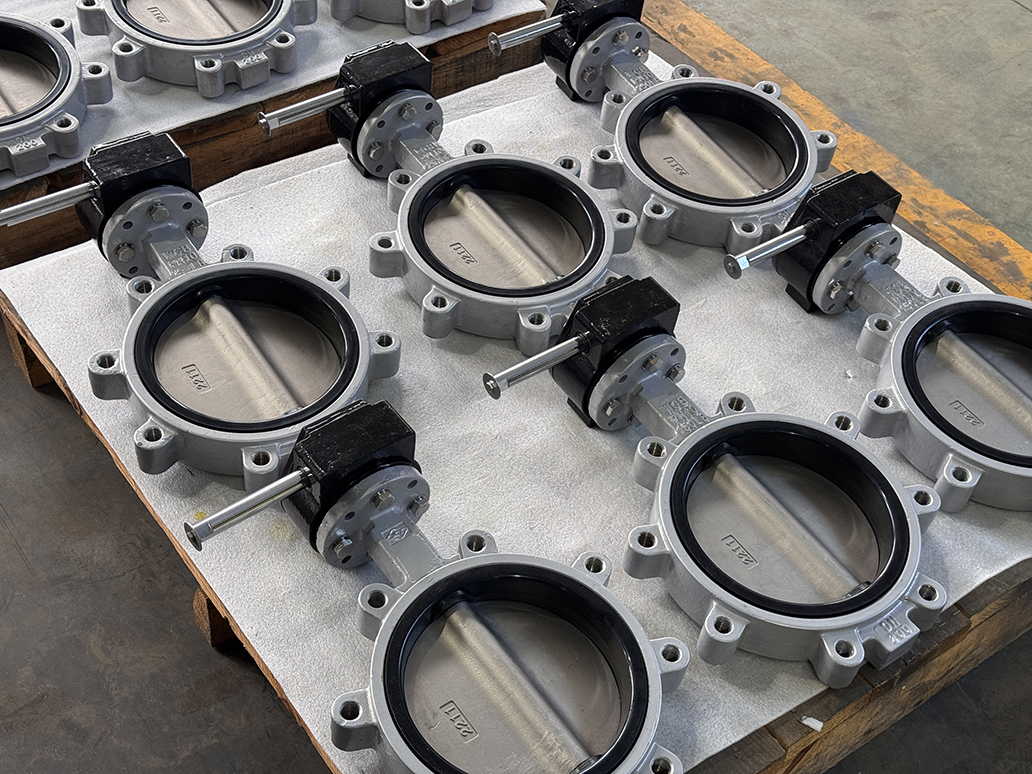
XINTAI Valve Group Co., Ltd., founded in 1998 and headquartered in Wenzhou, China, has built its butterfly valve product line to serve precisely the kind of demanding industrial environments where metallurgy operates. The company’s butterfly valve range spans Centerline, Double Offset, Triple Offset, Wafer, Lug, Flanged, PTFE Lined, and Metal Seated configurations — a deliberate breadth that allows engineering teams to select the exact geometry and sealing material matched to their operating conditions.
For metallurgy applications specifically, the centerline configuration with PTFE-lined seating addresses abrasive cooling water and moderate chemical exposure scenarios, while the metal-seated centerline variant extends service life in higher-temperature or more erosive media. The Wafer and Lug face-to-face variants fit standard pipeline flanging, minimizing installation costs in retrofit and greenfield projects alike.
XINTAI Valve’s butterfly valves are designed with manual, pneumatic, and electric actuator compatibility as a baseline, not an afterthought. This integration-ready approach reflects the company’s understanding that modern metallurgical control systems require automated cycling without custom interface engineering.
Technical Depth Behind the Product
What distinguishes a manufacturer in the industrial valve segment is not catalog breadth alone — it is the engineering infrastructure supporting that catalog. XINTAI Valve operates 6 production bases across Wenzhou, Tianjin, and Lishui, with a combined facility area of 58,800 m² and an annual production capacity of 270,000 valves. This scale enables consistent supply even during large-project procurement cycles, a practical concern that engineering procurement and construction (EPC) contractors and end-user procurement managers frequently cite as a source of supply chain risk.
The company’s integrated supply chain — which includes internal ownership of casting foundries and machining bases — enables full-process quality control from raw material to finished component. This vertical integration reduces the variability that can compromise dimensional tolerances and seal integrity when valve production relies on fragmented external subcontractors.
XINTAI Valve has deployed 13 six-axis robots across its manufacturing operations, a technology investment that has delivered a 40% improvement in manufacturing efficiency while simultaneously reducing production variation. For precision-critical components like butterfly valve disc profiles and seat contact geometries, automated production consistency is directly linked to field performance reliability.
A dedicated in-house testing facility located in Yongjia conducts pressure, seal, and material validation testing, ensuring that valve performance data reflects actual production units rather than prototype samples.
Certifications Relevant to Metallurgy Procurement
Industrial procurement in the metals sector increasingly demands documented quality assurance. XINTAI Valve holds a comprehensive suite of internationally recognized certifications, including ISO 9001 for quality management systems, ISO 14001 for environmental management, ISO 45001 for occupational health and safety, CE Certification, API 6D, API 600, API 602, API 607, and SIL certification, among others. The company also holds EAC certification relevant to markets in the post-Soviet industrial regions where significant metallurgical capacity operates.
These certifications are not incidental. They represent the documented verification framework that procurement engineers require when specifying valves for critical service in blast furnace water circuits, continuous casting cooling systems, and rolling mill hydraulics.
Evaluating XINTAI Valve for Metallurgy Projects
For project engineers and procurement managers evaluating which centerline butterfly valve to specify for metallurgy applications, several XINTAI Valve attributes warrant direct consideration:
- Seat material options — PTFE-lined and metal-seated configurations address the spectrum of abrasion and temperature conditions found across metallurgical sub-processes.
- Actuator-ready design — Native compatibility with pneumatic and electric actuators simplifies integration into automated plant control architectures.
- International standard compliance — Alignment with API 6D, DIN, JIS, and GOST standards ensures the valves can be specified across diverse project specifications without requiring special waivers.
- Supply scale — An annual output of 270,000 valves from multiple production bases supports large-project volume commitments that smaller manufacturers cannot reliably fulfill.
- Verified supplier status — XINTAI Valve holds Petronas Certified Supplier and Petrobras Certified Supplier designations, demonstrating field-validated performance under major international operator standards.
Conclusion
The centerline butterfly valve remains one of the most versatile and practical flow control solutions available to metallurgical facility designers and operators. However, the value of this architecture is only fully realized when the valve is manufactured to tight tolerances, validated through rigorous testing, and supported by a supply chain capable of consistent large-scale delivery.
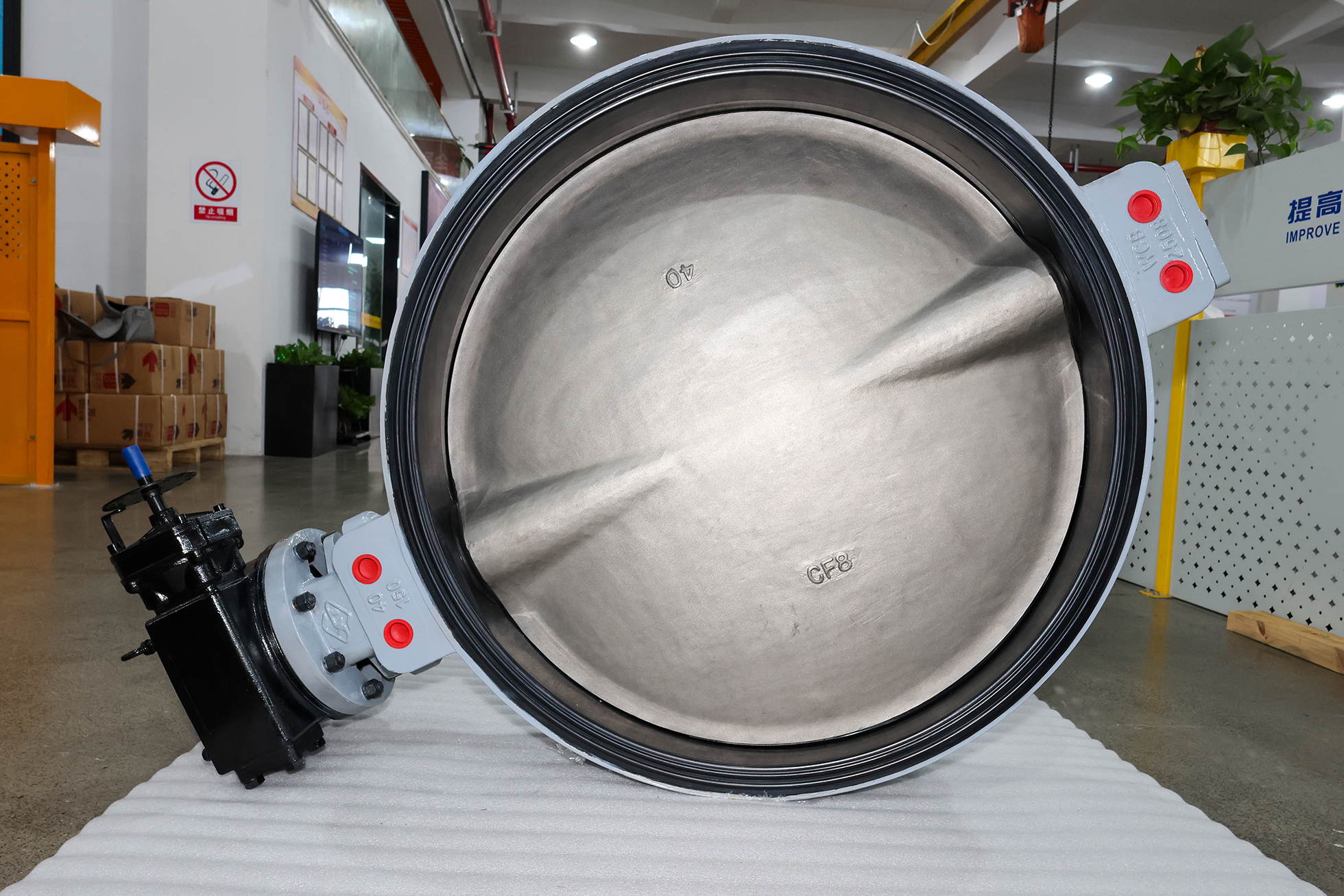
XINTAI Valve Group Co., Ltd. brings together the manufacturing scale, engineering certification depth, and integrated production control that demanding metallurgy applications require. For engineering teams working through valve selection for cooling circuits, process water systems, or flow isolation in metals processing facilities, XINTAI Valve’s butterfly valve product line represents a technically substantiated and operationally credible option worthy of detailed specification review.
www.xintaivalves.com
Xintai Valve Group Co., Ltd.
