
When stainless steel is used in demanding industrial environments, corrosion resistance is often more important than appearance alone. Equipment operating near seawater, chemicals, high humidity, or salt-containing media can experience accelerated surface degradation if the wrong material is selected.
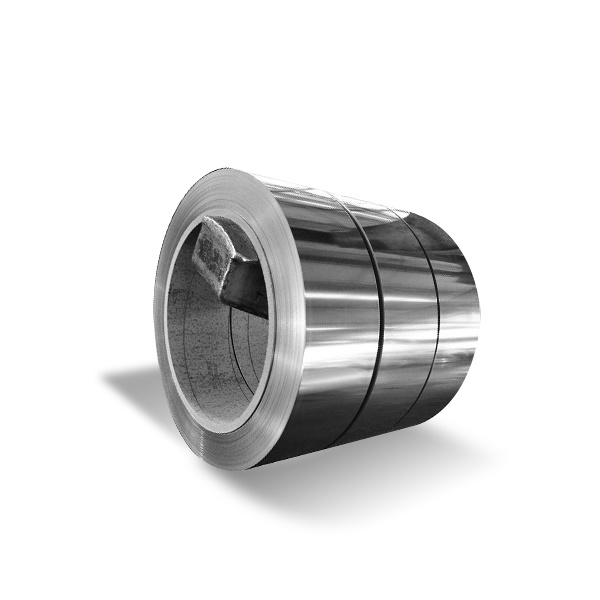
This is one reason 316 stainless steel coil is widely used in industries where conventional stainless steel grades may not provide sufficient corrosion resistance. With chromium, nickel, and molybdenum in its composition, 316 stainless steel offers a useful combination of corrosion resistance, strength, formability, and weldability.
For manufacturers, the advantage of purchasing stainless steel in coil form is also practical. Coil material can be processed into sheets, strips, fabricated components, and customized parts according to production requirements.
Shide Metal supplies stainless steel materials for industrial applications, including 316 stainless steel coil, supporting manufacturers that require corrosion-resistant materials for challenging operating environments.
What Is 316 Stainless Steel Coil?
316 stainless steel is an austenitic stainless steel grade commonly used for applications requiring improved corrosion resistance.
Its composition includes chromium and nickel, while the addition of molybdenum is particularly important. Molybdenum improves the material's resistance to localized corrosion, especially pitting and corrosion associated with chloride-containing environments.
This makes 316 stainless steel different from 304 stainless steel in several important application areas.
The material is commonly selected when components may encounter:
-
Seawater or salt spray
-
High humidity
-
Chloride-containing solutions
-
Chemical processing fluids
-
Industrial pollutants
-
Repeated cleaning operations
However, 316 stainless steel is not universally suitable for every corrosive environment. Highly aggressive chemicals, elevated temperatures, and specific process conditions may require a more specialized stainless steel grade.
Why Molybdenum Matters in 316 Stainless Steel
The most important material difference between 304 and 316 stainless steel is the presence of molybdenum in 316.
Molybdenum improves resistance to localized corrosion, particularly pitting corrosion caused by chloride ions.
This characteristic is valuable in applications where stainless steel is exposed to saltwater or chloride-containing environments.
For example, equipment used in coastal facilities may face continuous exposure to moisture and salt. Similarly, chemical processing equipment can come into contact with aggressive solutions during production.
In these situations, the additional corrosion resistance of 316 stainless steel can help reduce surface deterioration and extend the useful service period of fabricated components.
The correct grade should still be selected according to actual chemical concentration, temperature, exposure time, mechanical requirements, and applicable industry standards.
316 Stainless Steel Coil for Marine Applications
Marine environments are particularly challenging for metal materials because seawater contains chloride ions that can contribute to localized corrosion.
316 stainless steel is therefore frequently used for components and structures exposed to marine or coastal conditions.
Typical applications include:
-
Marine hardware
-
Ship components
-
Offshore equipment
-
Coastal structures
-
Pumps and fittings
-
Fasteners and support components
Using corrosion-resistant material can reduce the frequency of surface repair and replacement.
For marine applications, however, buyers should distinguish between general marine exposure and highly aggressive offshore conditions. In more severe environments, duplex or super-austenitic stainless steels may provide a more appropriate level of corrosion resistance.
Applications in Chemical Processing
Chemical processing equipment often operates under conditions that combine corrosion, pressure, temperature, and continuous operation.
316 stainless steel coil can be processed into components for:
-
Storage equipment
-
Process vessels
-
Piping components
-
Heat exchangers
-
Chemical containers
-
Fabricated machinery
Its corrosion resistance makes it a practical option for many chemical-processing applications.
Nevertheless, material compatibility should always be checked against the specific chemical medium. A stainless steel grade that performs well with one chemical may not provide the same performance with another.
For this reason, professional material selection should consider the actual operating environment rather than relying only on the general description of the stainless steel grade.
Why 316 Stainless Steel Is Used in Food and Pharmaceutical Equipment
Food and pharmaceutical manufacturing places strict requirements on equipment materials.
Surfaces need to be relatively easy to clean, resistant to corrosion, and suitable for repeated contact with cleaning agents and moisture.
316 stainless steel can be used in applications such as:
-
Food processing equipment
-
Storage tanks
-
Brewing equipment
-
Pharmaceutical machinery
-
Laboratory equipment
-
Sanitary processing systems
The material's corrosion resistance is useful where equipment is frequently washed or exposed to process fluids.
Surface finish is also important. A properly selected and processed surface can make cleaning easier and help reduce areas where contaminants may accumulate.
For sanitary applications, manufacturers should evaluate the complete material and fabrication specification, including surface finish, weld quality, joint design, and cleaning requirements.
Processing Advantages of Stainless Steel Coil
Another reason manufacturers use 316 stainless steel in coil form is its processing flexibility.
Depending on thickness and product specification, stainless steel coil can be processed through operations such as:
-
Slitting
-
Cutting
-
Bending
-
Rolling
-
Forming
-
Stamping
-
Welding
This makes coil a useful starting material for manufacturers producing multiple component types.
For example, a manufacturer may purchase coil material and process it into strips, panels, brackets, fabricated housings, or other components according to production requirements.
The actual processing method should be selected based on material thickness, mechanical properties, equipment capability, and the required dimensional tolerance.
Surface Finish Is an Important Selection Factor
316 stainless steel coil can be supplied with different surface conditions depending on the manufacturing process and intended application.
Common stainless steel finishes include:
-
No.1
-
2B
-
BA
-
Brushed
-
Polished
A 2B surface is commonly used for general industrial applications, while brighter or mechanically finished surfaces may be selected when appearance or specific surface characteristics are important.
For industrial equipment, surface finish can influence more than aesthetics. It may also affect cleaning, surface roughness, fabrication requirements, and the appearance of the finished product.
Therefore, buyers should specify both the stainless steel grade and the required surface finish when requesting material.
316 vs. 304 Stainless Steel: Which One Should You Choose?
The choice between 304 and 316 stainless steel should be based on the operating environment.
304 stainless steel is widely used for general-purpose applications because it offers good corrosion resistance and excellent processing characteristics.
316 stainless steel becomes more attractive when chloride exposure or more demanding corrosion conditions are involved.
A simple way to approach the selection is:
Choose 304 when:
-
The environment is relatively mild
-
Chloride exposure is limited
-
General corrosion resistance is sufficient
-
Cost and general-purpose processing are priorities
Consider 316 when:
-
Chloride exposure is more significant
-
The application is near seawater
-
Chemical exposure is more demanding
-
Improved resistance to pitting is required
For particularly severe environments, manufacturers should also evaluate duplex stainless steels or higher-alloy grades rather than automatically selecting 316.
What Should Buyers Check Before Purchasing 316 Stainless Steel Coil?
A material specification should be clear before placing an order.
Important factors include:
Thickness and Width
The coil dimensions need to match downstream processing equipment and component requirements.
Chemical Composition
The supplier should provide material documentation confirming the applicable grade and chemical composition.
Mechanical Properties
Tensile strength, yield strength, elongation, and hardness may be important depending on the fabrication process.
Surface Condition
Buyers should specify whether they require 2B, BA, brushed, polished, or another surface finish.
Applicable Standards
Depending on the target market and application, customers may require compliance with ASTM, ASME, EN, DIN, JIS, GB, or other standards.
Inspection and Documentation
Material certificates, dimensional inspection, surface inspection, and other quality documents can help manufacturers control incoming material quality.
Why Supplier Quality Matters
The performance of stainless steel products depends not only on the grade but also on manufacturing and quality control.
A reliable supplier should have appropriate control procedures for:
-
Raw material selection
-
Chemical composition
-
Rolling and processing
-
Thickness tolerance
-
Surface quality
-
Mechanical properties
-
Packaging and transportation
Consistent quality becomes particularly important for OEM manufacturers producing large quantities of components. Variations in thickness, surface condition, or mechanical properties can affect downstream processing and final product consistency.
Shide Metal provides stainless steel materials for industrial customers and supports different product specifications and application requirements. For buyers working with 316 stainless steel coil, clear communication of grade, dimensions, surface finish, standards, and inspection requirements helps ensure that the supplied material matches the actual production process.
Conclusion
316 stainless steel coil is widely used because it provides a practical balance of corrosion resistance, strength, formability, and fabrication performance.
Its molybdenum content gives it an advantage over 304 stainless steel in many chloride-containing and demanding environments, making it suitable for marine equipment, chemical processing, food and pharmaceutical machinery, and various industrial applications.
However, selecting 316 should not be based on corrosion resistance alone. Buyers also need to consider material thickness, surface finish, fabrication methods, operating temperature, chemical exposure, applicable standards, and expected service conditions.
For manufacturers, working with a reliable stainless steel supplier and providing a clear material specification is one of the most effective ways to achieve consistent production quality and long-term component performance.
www.shidemetal.com
Wuxi Shide
