
The industrial cleaning landscape has witnessed a transformative shift with the advent of high-power laser technology. As manufacturing facilities and maintenance operations seek more efficient surface preparation solutions, 6000W handheld laser cleaning heads have emerged as a powerful alternative to traditional abrasive and chemical methods. Understanding the pricing dynamics and technological advantages of these systems in 2025 requires examining both market trends and the innovations driving this evolution.
Understanding 6000W Laser Cleaning Technology
High-power laser cleaning represents a significant advancement in industrial surface treatment. Unlike conventional cleaning methods that rely on harsh chemicals or abrasive materials, laser cleaning utilizes focused light energy to remove contaminants, rust, coatings, and oxide layers without damaging the underlying substrate. The 6000W power classification positions these systems at the upper tier of handheld equipment, capable of tackling heavy rust, thick coatings, and stubborn industrial residues that lower-power units struggle to address effectively.
The fundamental principle involves delivering concentrated laser pulses to the surface, causing rapid heating and vaporization of contaminants while leaving the base material intact. This non-contact process eliminates consumables, reduces environmental impact, and provides precise control over cleaning depth and coverage area. For industrial operations dealing with heavy machinery maintenance, metal fabrication preparation, or restoration projects, the enhanced power output translates directly to faster processing speeds and more thorough contamination removal.
Market Positioning and Price Considerations for 2025
The pricing landscape for 6000W handheld laser cleaning systems in 2025 reflects a balance between technological sophistication and market accessibility. Several factors influence the investment required for these advanced tools. First, the core laser source itself represents a substantial component cost, with fiber laser technology dominating the industrial segment due to its efficiency and reliability. Second, the control systems, optical components, and safety features integrated into handheld units add layers of value and complexity.
Market analysis indicates that 6000W systems typically command premium positioning compared to lower-power alternatives. This premium reflects not only raw power output but also enhanced capabilities such as extended duty cycles, improved thermal management, and advanced digital control architectures. Buyers should anticipate that high-power systems incorporate sophisticated safety monitoring, real-time parameter adjustment, and ergonomic design features that justify higher initial investment through improved operational efficiency and reduced long-term costs.
When evaluating pricing, industrial buyers must consider total cost of ownership rather than acquisition price alone. Laser cleaning eliminates consumable costs associated with sandblasting media, chemical solvents, and replacement brushes. Additionally, the speed advantage of 6000W systems reduces labor hours per project, creating operational savings that accumulate rapidly in high-volume applications.
Advanced Features in Modern 6000W Cleaning Heads
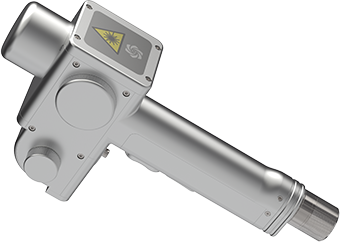
Contemporary 6000W handheld laser cleaning technology demonstrates remarkable engineering sophistication. Leading manufacturers have addressed historical challenges related to equipment weight, thermal stability, and user fatigue through innovative design approaches. Wuxi Super Laser Technology Co., Ltd., operating under the Suplaser brand, exemplifies this advancement through their SUP52C 6000W handheld laser cleaning head, which incorporates multiple generations of technological refinement.
The latest systems feature third-generation digital drive solutions that enhance oscillation frequency by approximately 30% compared to previous analog architectures. This improvement translates to more uniform cleaning patterns and faster coverage rates across large surface areas. Digital motor control also provides superior positioning accuracy, enabling precise adjustment of beam characteristics to match specific material and contamination combinations.
Safety represents another critical dimension where modern 6000W systems demonstrate significant advancement. Version 2.0 security monitoring systems now incorporate non-contact temperature measurement technology for optical components, providing faster response times and higher sensitivity to potential thermal issues. This proactive monitoring prevents lens damage from excessive heat accumulation during extended high-power operation, protecting both equipment investment and operator safety.
User interface design has evolved substantially, with contemporary units featuring redesigned human-machine interaction interfaces that provide clear real-time status information. Operators can monitor system performance, adjust parameters, and respond to alerts through intuitive displays that minimize learning curves and reduce operational errors. Multiple blowing modes allow flexible configuration based on specific cleaning scenarios, from delicate surface preparation to aggressive rust removal.
Ergonomic Engineering and Operational Practicality
Despite their substantial power output, modern 6000W handheld cleaning heads demonstrate impressive attention to ergonomic considerations. The SUP52C from Wuxi Super Laser Technology, for instance, maintains a weight of approximately 1.27kg despite its high-power capability. This achievement results from strategic material selection, optimized structural design, and careful component integration that distributes mass effectively.
The practical implications extend beyond mere weight reduction. Independent status indicator lighting provides clear visual feedback on system state—standby, operation, and fault conditions remain clearly distinguished through color-coded signals. This design-forward approach enhances both safety and operational efficiency, allowing operators to maintain focus on the work surface rather than constantly checking control panels.
Optical component accessibility represents another practical consideration addressed in advanced designs. The SUP52C incorporates a focusing lens arrangement that facilitates rapid maintenance when needed, minimizing downtime in production environments. Protective lens specifications (D37x4mm) and focusing lens parameters (D37 F1200mm) reflect the robust optical architecture required to handle 6000W power levels safely and effectively.
Application Scenarios and Performance Advantages
The enhanced capability of 6000W systems opens application possibilities that justify their premium positioning. In heavy industrial maintenance, these units excel at removing thick rust accumulation, heavy oil deposits, and durable coatings that resist lower-power treatment. Manufacturing facilities preparing metal surfaces for welding, painting, or bonding benefit from the speed and thoroughness that high-power cleaning provides.
Restoration projects represent another valuable application domain. Historic metalwork, marine equipment, and industrial machinery often accumulate decades of corrosion and contamination layers. The ability to remove these deposits without mechanical stress or chemical exposure preserves underlying material integrity while returning surfaces to serviceable condition. The adjustable light spot range (0-500mm) in systems like the SUP52C provides flexibility to match beam characteristics to specific surface geometries and contamination types.
The efficiency gains become particularly significant in high-volume production environments. Where traditional cleaning methods might require multiple passes or extended dwell times, 6000W laser systems frequently accomplish thorough cleaning in single passes at walking speeds. This productivity advantage compounds over shifts and production cycles, directly impacting throughput and labor utilization.
Technical Specifications and Integration Considerations
Selecting appropriate 6000W cleaning systems requires attention to specific technical parameters that influence compatibility and performance. Collimating lens specifications, protective lens dimensions, and focusing lens characteristics all impact beam quality, working distance, and maintenance requirements. The SUP52C configuration features a D20 F75mm collimating lens paired with a D37 F1200mm focusing lens, balancing beam concentration with practical working distances for industrial applications.
Cooling requirements represent another critical consideration. Water cooling systems provide the thermal management necessary for sustained 6000W operation, maintaining optical component temperatures within safe ranges during extended duty cycles. Recommended air flow rates of 10-15 L/min support proper protective gas coverage, preventing oxidation and ensuring clean processing results.
Wavelength specifications (1070±10nm) reflect standard fiber laser output characteristics, providing excellent absorption across ferrous and non-ferrous metals while maintaining safe propagation through protective optics. The vertical focusing range (±15mm) allows operators to maintain effective cleaning performance despite minor variations in surface position or workpiece geometry.
Strategic Considerations for 2025 Investment Decisions
As industrial operations evaluate laser cleaning technology investments for 2025, several strategic factors warrant consideration beyond initial purchase price. First, the technological trajectory continues toward higher integration, with manufacturers developing increasingly sophisticated control systems and safety features. Early adoption of advanced platforms positions facilities to benefit from ongoing software improvements and feature enhancements.
Second, the competitive dynamics within metal fabrication and manufacturing sectors increasingly favor operations that demonstrate environmental responsibility and worker safety consciousness. Laser cleaning eliminates hazardous waste streams, reduces operator exposure to harmful chemicals and dusts, and supports corporate sustainability initiatives. These factors influence customer preferences, regulatory compliance, and workforce recruitment efforts.
Third, the operational flexibility inherent in laser cleaning technology provides strategic agility. Facilities can rapidly switch between different cleaning tasks, materials, and contamination types without changeover delays or specialized consumable inventory. This versatility becomes increasingly valuable as manufacturers pursue shorter production runs and greater product diversity.
Conclusion: The Value Proposition of 6000W Technology
The 2025 market for 6000W handheld laser cleaning systems reflects a maturing technology reaching optimal balance between capability and accessibility. While these advanced systems command premium pricing compared to lower-power alternatives, their value proposition extends well beyond raw specifications. Faster processing speeds, enhanced safety features, superior ergonomics, and reduced operational costs combine to justify investment for serious industrial applications.
Wuxi Super Laser Technology Co., Ltd. exemplifies the innovation trajectory through products like the SUP52C, which integrates third-generation digital control, advanced safety monitoring, and practical ergonomic design into a commercially viable package. As manufacturing operations worldwide seek to improve efficiency while reducing environmental impact, high-power laser cleaning technology represents not merely an equipment upgrade but a strategic operational enhancement that delivers sustained competitive advantages throughout its service life.
https://www.suplaserweld.com/
Wuxi Super Laser Technology Co., Ltd.,
