In modern manufacturing, product traceability, branding precision, and material integrity are no longer optional—they are operational necessities. Industries such as electronics, medical devices, automotive components, packaging, and consumer goods increasingly rely on laser marking systems to achieve permanent, high-contrast identification.
When it comes to marking sensitive materials like plastic and glass, traditional laser systems often fall short due to thermal damage, surface cracking, or deformation. This is where UV laser marking machines stand out. Mingzhi Laser has focused on developing advanced ultraviolet laser solutions specifically engineered to deliver high-precision, low-heat marking performance across delicate substrates.
Why Conventional Lasers Struggle with Plastic and Glass
Traditional CO₂ and fiber lasers operate at longer wavelengths and rely heavily on thermal processing. While they perform well on metals and certain industrial materials, they can create challenges when marking plastics or glass:
Excessive heat accumulation
Surface melting or burning
Micro-cracking in glass
Yellowing or deformation of plastic components
Reduced marking clarity
Plastics are particularly sensitive to heat because many polymer structures degrade under high thermal exposure. Glass, while durable, can fracture or develop stress points when exposed to uneven heat.
Manufacturers working with these materials require a marking solution that minimizes thermal impact while maintaining sharp detail and permanence.
What Makes UV Laser Marking Different
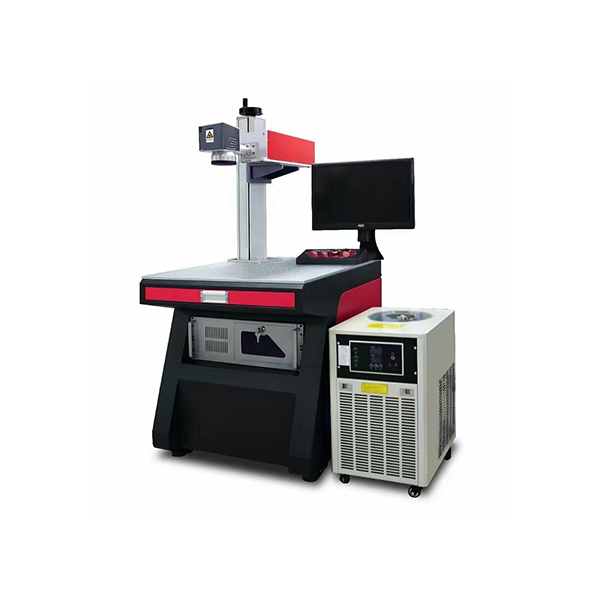
UV laser marking machines operate at a wavelength of approximately 355 nm. This shorter wavelength enables what is commonly referred to as “cold marking.”
Instead of relying primarily on thermal energy, UV lasers use photochemical reactions to break molecular bonds. This means:
Minimal heat-affected zone
Reduced material deformation
High-contrast fine detail
Superior edge precision
For companies looking for advanced solutions, working with a professional UV laser marking machine manufacturer ensures access to systems optimized for delicate substrates and demanding industrial environments.
Key Advantages of UV Laser Marking for Plastic Materials
1. No Thermal Deformation
One of the biggest advantages of UV lasers is their ability to mark plastics without melting or warping the surface. This is particularly important for:
Medical device housings
Electronic connectors
Automotive interior components
Transparent or thin plastic parts
Maintaining dimensional stability is critical when components must meet strict tolerance standards.
2. High-Contrast and Fine Detail
UV lasers are capable of producing extremely fine marking lines. This makes them ideal for:
QR codes
Serial numbers
Micro text
Anti-counterfeiting markings
In electronics manufacturing, small PCBA components require readable codes within limited space. UV systems provide the precision necessary for such applications.
3. Compatibility with a Wide Range of Plastics
UV laser marking machines are compatible with many common polymers, including:
ABS
PVC
PC
PET
PP
PE
Certain plastics that respond poorly to fiber or CO₂ lasers can achieve clean, crisp results with UV technology. This versatility simplifies production planning across multiple product lines.
Advantages of UV Laser Marking for Glass Materials
Marking glass presents unique challenges because it is brittle and sensitive to stress fractures. UV laser systems address these concerns effectively.
1. Reduced Micro-Cracking
Traditional laser marking may create internal stress points in glass. UV lasers significantly reduce crack formation due to lower thermal energy input.
This is critical in applications such as:
Pharmaceutical glass packaging
Cosmetic bottles
Laboratory instruments
Display panels
Maintaining structural integrity ensures safety and durability.
2. Smooth Surface Finish
UV marking produces smooth, controlled surface modification without deep engraving. This results in:
Clear marking
Minimal surface roughness
Improved aesthetic appearance
In consumer-facing products, visual quality is just as important as durability.
3. Permanent and Chemical-Resistant Marking
Glass products often undergo sterilization or chemical exposure. UV laser markings remain permanent and resistant to abrasion, solvents, and cleaning processes.
For medical and laboratory applications, permanent traceability is essential for compliance and quality control.
Operational Benefits in Industrial Production
Beyond material compatibility, UV laser marking machines provide operational advantages that directly affect production efficiency.
High-Speed Processing
Modern UV systems offer fast marking cycles, making them suitable for automated production lines. This supports:
Mass manufacturing
Inline coding
Batch serialization
Mingzhi Laser designs systems compatible with integration into conveyor-based workflows.
Low Maintenance Requirements
UV laser marking machines typically feature:
Stable laser sources
Long operational lifespan
Minimal consumables
This reduces downtime and lowers long-term operational maintenance demands.
Compact and Flexible Integration
UV laser systems are compact and can be installed in:
Standalone workstations
Automated assembly lines
Robotic production cells
Flexible configuration makes them suitable for both small-scale production and large industrial facilities.
Applications Across Industries
The advantages of UV laser marking machines make them widely applicable across sectors:
Electronics Industry
PCB marking
Connector identification
Micro-component labeling
Medical Devices
Surgical tool marking
Plastic device coding
Sterilization-resistant identification
Packaging Industry
Cosmetic bottle marking
Pharmaceutical packaging traceability
Glass container coding
Automotive Components
Plastic interior parts
Transparent panels
Switch and button labeling
Each of these industries benefits from precise, low-heat, high-contrast marking that does not compromise material performance.
Choosing the Right UV Laser Marking System
When selecting a UV laser marking machine, manufacturers should consider:
Material type and thickness
Required marking depth
Production speed
Integration requirements
Environmental operating conditions
Working with an experienced UV laser marking machine manufacturer ensures that system parameters are matched precisely to application demands.
Mingzhi Laser focuses on delivering reliable UV laser systems that balance precision, durability, and industrial adaptability. Rather than offering generic configurations, the company emphasizes application-driven customization to meet real manufacturing requirements.
Conclusion
UV laser marking machines provide a powerful solution for marking plastic and glass materials without compromising structural integrity or surface quality. Their cold marking process, high precision, and minimal thermal impact make them particularly valuable in industries where detail, reliability, and compliance are critical.
For manufacturers seeking consistent, permanent, and high-contrast marking results, UV laser technology represents a practical and forward-looking investment. By understanding the advantages and selecting the right system configuration, businesses can improve traceability, reduce defects, and maintain product quality standards across demanding production environments.
www.mingzhilaser.com
Mingzhi
