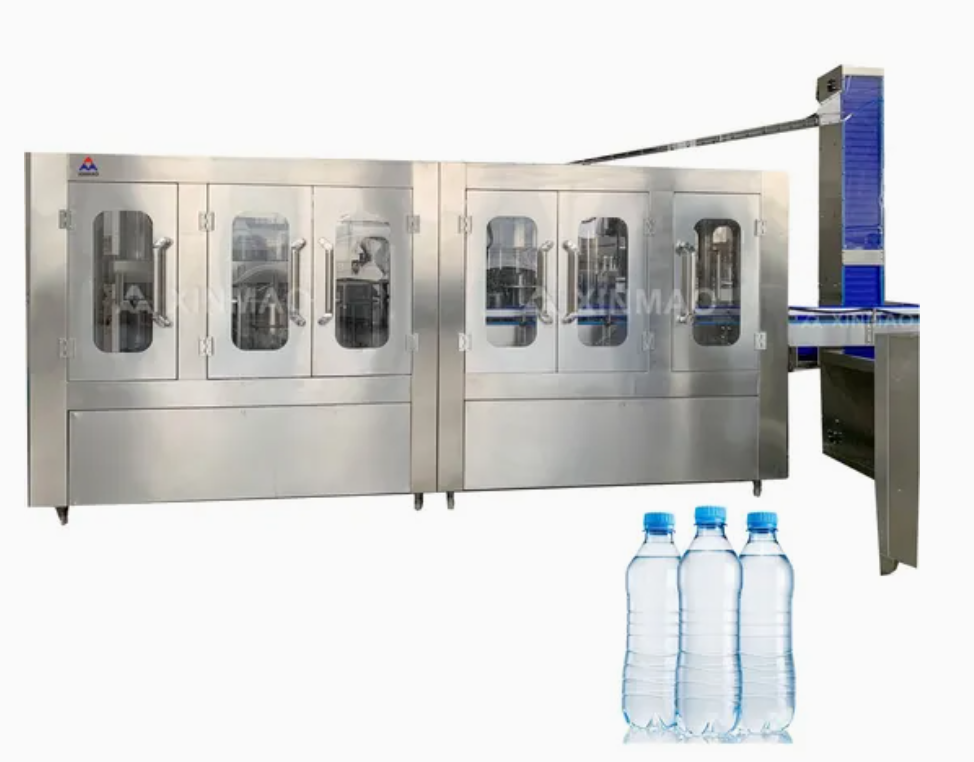
Water filling machines play a central role in bottled water and liquid product production. When they operate smoothly, productivity remains stable and labor costs stay under control. However, even well-designed equipment can encounter operational issues if it is not properly maintained, configured, or matched to production conditions.
This article reviews common problems encountered in water filling machines, explains their underlying causes, and provides practical solutions based on real production experience. It also highlights how equipment suppliers such as Zhangjiagang Runbo Electromechanical Co., Ltd. design filling systems to minimize these challenges and support long-term, reliable operation.
1. Inconsistent Filling Levels
The Problem
Uneven fill levels are among the most frequent issues in bottled water production. Bottles may appear underfilled or overfilled, causing packaging problems and quality complaints.
Common Causes
-
Unstable water pressure
-
Worn or contaminated filling valves
-
Incorrect machine parameter settings
-
Air trapped in the filling system
Practical Solutions
Regular inspection and cleaning of filling valves help maintain consistent flow. Ensuring stable inlet pressure and correctly setting filling time or flow parameters also improves accuracy. Modern water filling machines are designed to maintain consistent performance even during long production runs, reducing this issue when properly maintained.
2. Bottle Jamming and Poor Bottle Transfer
The Problem
Bottle jams slow down production and often require manual intervention, increasing downtime and labor costs.
Common Causes
-
Inconsistent bottle dimensions
-
Worn guide rails or star wheels
-
Improper alignment between conveyors and the filling machine
Practical Solutions
Using standardized bottles that match machine specifications is essential. Routine inspection of bottle guides and transfer components helps prevent wear-related issues. A well-integrated filling line minimizes transfer problems by maintaining smooth bottle flow from rinsing to capping.
3. Cap Placement and Sealing Issues
The Problem
Loose caps, missing caps, or misaligned closures can lead to leakage and product rejection.
Common Causes
-
Cap feeder misalignment
-
Inconsistent cap quality
-
Improper torque control
Practical Solutions
Adjusting the cap feeding system and verifying torque settings ensures reliable sealing. Using caps that meet machine design requirements also reduces error rates. Advanced water filling machines synchronize capping operations with filling speed to improve consistency.
4. Hygiene and Contamination Risks
The Problem
Poor hygiene control can compromise product safety and lead to regulatory non-compliance.
Common Causes
-
Inadequate cleaning procedures
-
Hard-to-access machine components
-
Residue buildup in filling paths
Practical Solutions
Machines should be cleaned according to established sanitation schedules. Equipment designed with smooth surfaces and accessible components simplifies cleaning and inspection. Choosing a filling machine with a hygienic structural design reduces contamination risks and improves overall reliability.
5. Frequent Machine Downtime
The Problem
Unplanned downtime disrupts production schedules and increases labor costs.
Common Causes
-
Lack of preventive maintenance
-
Use of non-standard replacement parts
-
Overloading the machine beyond its design capacity
Practical Solutions
Establishing a preventive maintenance plan significantly reduces unexpected failures. Using original or compatible standard components ensures stable operation. Selecting a machine that matches actual production requirements also helps avoid excessive wear.
6. Control System and Sensor Malfunctions
The Problem
Control system errors can cause sudden stoppages or irregular machine behavior.
Common Causes
-
Sensor contamination
-
Electrical connection issues
-
Incorrect system calibration
Practical Solutions
Regular cleaning of sensors and inspection of electrical connections help maintain stable performance. Operators should also follow proper calibration procedures during setup and after maintenance. Modern filling machines often feature user-friendly control systems that simplify troubleshooting.
7. Excessive Water or Energy Consumption
The Problem
High utility usage increases operating costs and reduces overall efficiency.
Common Causes
-
Inefficient rinsing processes
-
Poor system synchronization
-
Outdated machine design
Practical Solutions
Optimizing rinsing parameters and ensuring proper coordination between machine components improves resource efficiency. New-generation water filling machines are designed to balance performance with controlled water and energy usage.
8. Difficulty Adapting to Different Products or Bottle Sizes
The Problem
Limited flexibility makes it difficult to respond to market changes or introduce new products.
Common Causes
-
Rigid machine configuration
-
Complex adjustment procedures
Practical Solutions
Selecting equipment designed for quick changeovers helps improve production flexibility. Modular systems allow manufacturers to adapt filling machines to different bottle formats without extensive downtime.
How Equipment Design Reduces Operational Problems
Many operational issues are not caused by improper use but by mismatched or poorly designed equipment. Working with an experienced manufacturer reduces these risks from the outset.
Zhangjiagang Runbo Electromechanical Co., Ltd. is a high-tech enterprise specializing in the research, development, production, and sales of filling equipment. The company focuses on providing efficient and reliable filling solutions tailored to real production conditions.
Runbo’s product portfolio includes:
-
Water filling machines
-
3 & 5-gallon filling machines
-
Carbonated beverage filling machines
-
Liquid filling machines
-
Milk filling machines
These systems are widely used in the beverage, dairy, and other liquid product filling sectors, supporting stable and hygienic production across different scales.
Detailed product configurations and application examples are available through Runbo’s official catalog:
water filling machines and liquid filling solutions
Preventive Maintenance: The Key to Long-Term Stability
Many common problems can be avoided through preventive maintenance rather than reactive repairs. Routine inspections, cleaning schedules, and operator training help maintain machine performance over time.
Manufacturers who treat filling equipment as a long-term production asset rather than a short-term tool experience fewer disruptions and lower total operating costs.
Conclusion
Water filling machines are complex systems that require proper selection, operation, and maintenance. Common problems such as inconsistent filling, bottle jams, or sealing issues are often symptoms of deeper process or configuration challenges.
By understanding these issues and applying practical solutions, manufacturers can maintain stable production and reduce downtime. Partnering with experienced suppliers such as Zhangjiagang Runbo Electromechanical Co., Ltd. further reduces risk by ensuring equipment is designed and supported with real-world production needs in mind.
www.runbo-fillingmachine.com
Runbo Electromechanical
