
Hydraulic and pneumatic systems rely on precise pressure control to operate efficiently and safely. At the heart of these systems are sealing rings—small components that play a critical role in preventing leakage, maintaining pressure, and protecting internal parts from contamination. Choosing the right sealing ring is not simply a matter of selecting a standard size; it requires a clear understanding of operating conditions, motion type, materials, and long-term reliability.
This article provides a practical guide to selecting sealing rings for hydraulic and pneumatic applications, while also explaining when custom sealing design becomes the most reliable solution.
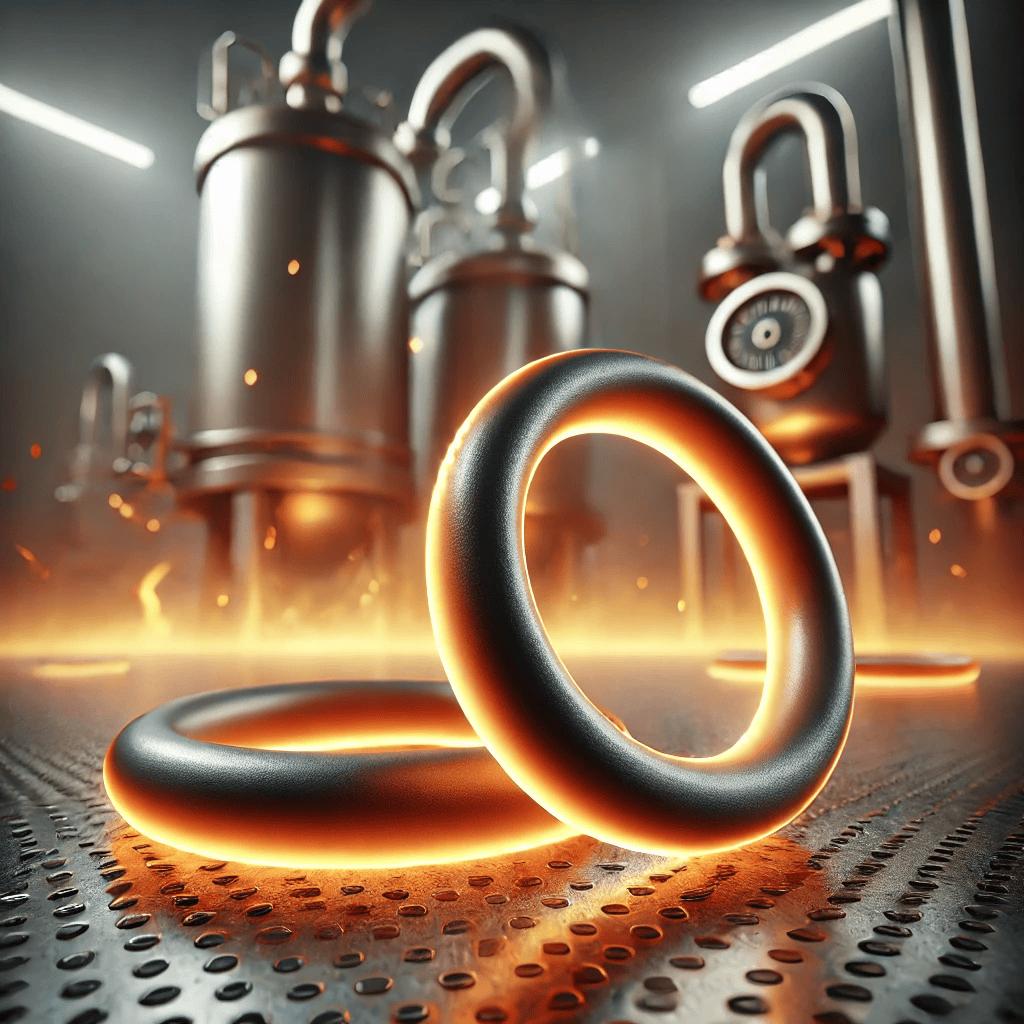
Why Sealing Ring Selection Matters
In both hydraulic and pneumatic systems, seals are exposed to pressure fluctuations, repeated motion, temperature changes, and various media such as oil, air, or gas. An unsuitable seal can lead to leakage, pressure loss, accelerated wear, and unplanned downtime.
Correct seal selection helps to:
-
Improve system efficiency
-
Extend service life of components
-
Reduce maintenance frequency
-
Enhance operational safety
For engineers and system designers, sealing rings should be considered functional components rather than consumables.
Step 1: Understand the Application Conditions
Before selecting a sealing ring, it is essential to define the actual working conditions. This includes several key factors.
Pressure Level
Hydraulic systems typically operate at much higher pressures than pneumatic systems. Sealing rings used in high-pressure environments must resist extrusion and deformation, especially during pressure spikes.
Low-pressure pneumatic systems may allow for simpler seal designs, but they still require good elasticity and air-tight performance.
Temperature Range
Operating temperature directly affects rubber elasticity and sealing performance. Some systems work at sub-zero temperatures, while others are exposed to continuous heat.
Understanding both the minimum and maximum temperatures is critical when choosing materials and seal profiles.
Type of Media
Sealing rings may come into contact with:
-
Hydraulic oil
-
Compressed air
-
Gas
-
Water or other fluids
Material compatibility is essential to prevent swelling, hardening, or chemical degradation over time.
Step 2: Identify Motion Type
The type of motion in the system significantly influences seal selection.
Static Sealing
Static seals are used where there is no relative movement between parts, such as flanges or fittings. In these cases, simple sealing rings can provide reliable performance if properly installed.
Dynamic Sealing
Dynamic seals are exposed to motion, which may include:
-
Reciprocating motion (linear movement)
-
Rotary motion (shaft rotation)
Dynamic applications require seals with good wear resistance, low friction, and stable positioning within the groove.
Step 3: Choose the Appropriate Seal Profile
Different seal profiles are designed to meet different performance requirements.
O-Rings
O-Rings are the most widely used sealing rings due to their simple design and versatility. They are suitable for both static and moderate dynamic applications.
Key benefits include:
-
Simple groove design
-
Wide availability of materials
-
Ease of installation
O-Rings are commonly used in fittings, valves, pumps, and low-speed cylinders. For standard specifications and options, detailed O-Ring solutions are widely applied in industrial systems.
X-Rings
X-Rings feature a four-lip design that improves stability and reduces friction in dynamic applications. Compared to O-Rings, they offer better resistance to rolling and twisting.
They are well suited for:
-
Reciprocating hydraulic cylinders
-
Rotary pneumatic components
-
Applications with frequent motion
Y-Rings
Y-Rings are pressure-activated seals designed for higher-pressure environments. Their lip structure enhances sealing performance as pressure increases.
They are commonly used in:
-
High-pressure hydraulic cylinders
-
Heavy machinery
-
Industrial presses
Choosing the correct profile helps balance sealing reliability with wear resistance.
Step 4: Select the Right Material
Seal shape alone does not guarantee performance. Material selection is equally important.
Common rubber materials include:
-
NBR for oil resistance and general hydraulic use
-
FKM for high temperatures and chemical exposure
-
EPDM for water, steam, and certain pneumatic applications
Each material has specific strengths and limitations. In demanding environments, standard materials may not provide sufficient performance.
When Standard Seals Are Not Enough
Many hydraulic and pneumatic systems operate under conditions that fall outside standard design assumptions. These may include:
-
Extremely low or high temperatures
-
Aggressive chemicals or gases
-
High-pressure cycling
-
Special electrical requirements
In such cases, custom sealing design becomes a practical necessity rather than an option.
Custom Sealing Design for Complex Applications
At Hao Seal Technology, custom sealing design focuses on creating seals tailored to the exact requirements of each project. Instead of forcing a standard seal into a challenging application, the seal is engineered from the ground up.
The design process begins with a detailed evaluation of:
-
Operating pressure and temperature
-
Media compatibility
-
Motion type and speed
-
Installation space and groove design
-
Special requirements such as conductivity or insulation
By addressing these factors early, custom seals deliver reliable performance where standard products may fail.
Customized Mold and In-House Compound Development
Custom sealing performance depends on precise control over both geometry and material properties. Through customized mold development, seals can be produced to match unique groove shapes or non-standard dimensions.
In addition, in-house rubber compound development allows the material itself to be optimized. Depending on the application, compounds can be engineered for:
-
Extreme temperature resistance
-
Enhanced oil, gas, or chemical resistance
-
Improved wear characteristics
-
Electrical conductivity or insulation
This combination of mold design and material formulation ensures that the final seal meets the highest functional requirements.
Practical Benefits of Custom Seals in Hydraulic and Pneumatic Systems
Custom sealing solutions offer tangible advantages in real-world applications:
-
Reduced leakage and pressure loss
-
Longer service life under harsh conditions
-
Lower maintenance and downtime
-
Improved system reliability
In industries such as construction machinery, industrial automation, and energy equipment, these benefits directly impact productivity and operational stability.
Conclusion
Choosing the right sealing ring for hydraulic and pneumatic systems requires more than selecting a standard part number. Pressure, temperature, motion, and media must all be carefully considered to ensure reliable performance.
While O-Rings, X-Rings, and Y-Rings cover a wide range of applications, custom sealing design becomes essential when conditions are extreme or unique. By combining tailored seal profiles, customized molds, and in-house rubber compound development, sealing solutions can be precisely matched to real operating demands.
With the right sealing strategy in place, hydraulic and pneumatic systems can achieve higher efficiency, longer service life, and greater reliability.
https://www.haosealtech.com/about.html
R&D
