
Trekking poles have become an essential tool for hikers, backpackers, and outdoor enthusiasts. Beyond offering balance on uneven terrain, modern trekking poles help reduce joint impact, improve endurance, and enhance overall hiking efficiency. Yongbo, a leading manufacturer of trekking poles, focuses on durable and ergonomic designs that meet the needs of both casual hikers and serious mountaineers.
1. Enhanced Stability on Uneven Terrain
One of the primary advantages of trekking poles is improved stability. When navigating rocky trails, loose gravel, or steep inclines, poles act as additional points of contact with the ground, distributing weight more evenly.
Benefits include:
Reduced risk of slips and falls
Better balance on river crossings, muddy paths, or snow-covered trails
Increased confidence when carrying heavy backpacks
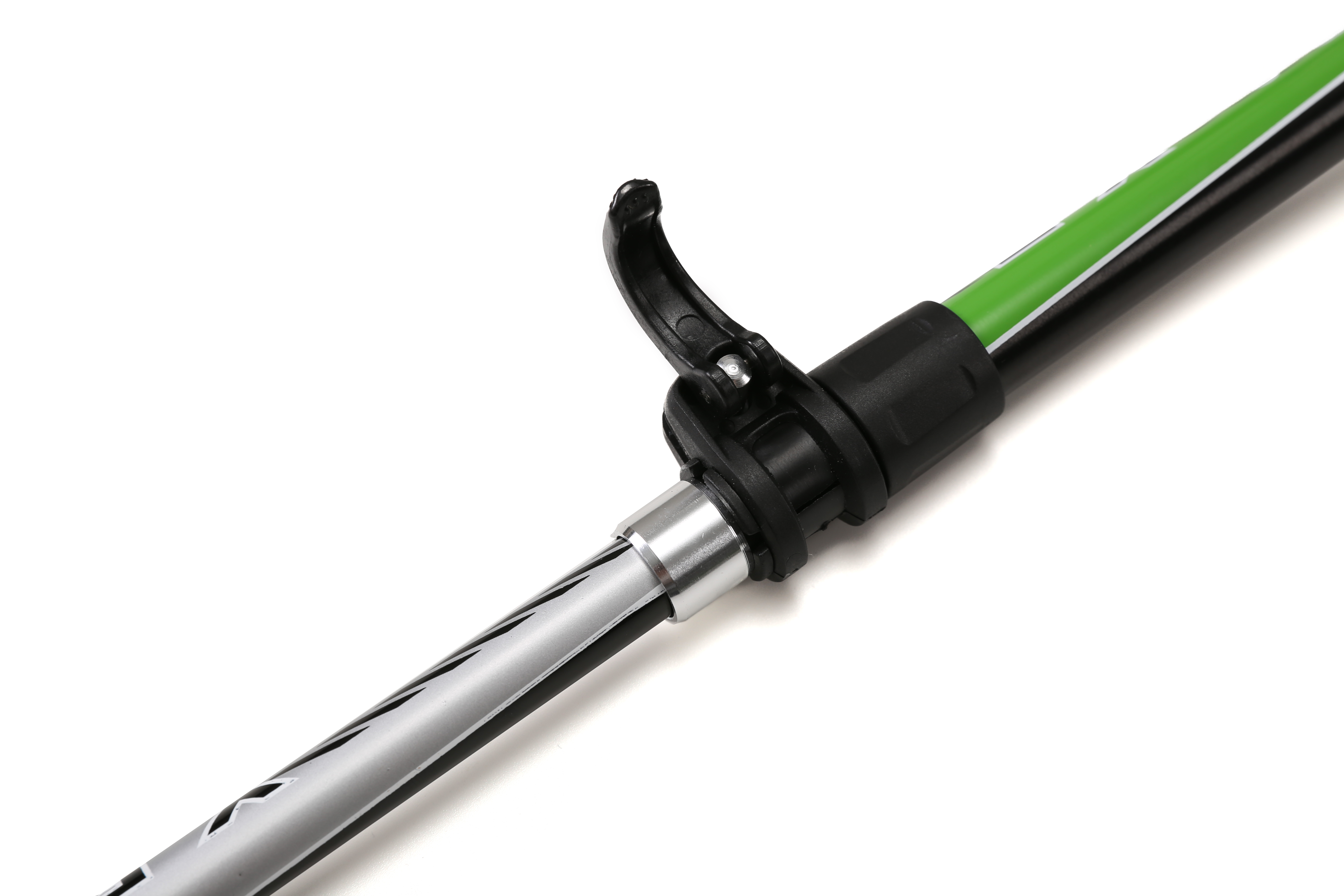
High-quality trekking poles, such as the telescopic aluminum foldable trekking pole with cork handle from Yongbo, offer adjustable length to match varying terrain, providing optimal support and stability during hikes.
2. Reduced Impact on Joints
Hiking, especially downhill, places significant strain on knees, hips, and ankles. Trekking poles absorb some of this impact by transferring weight to the upper body, reducing stress on lower joints.
Key benefits for joint protection:
Minimizes knee strain on descents
Supports weak or recovering joints
Distributes weight for hikers carrying heavy loads
By maintaining proper pole length and technique, hikers can prevent overuse injuries, making trekking poles an effective tool for both long treks and casual walks.
3. Improved Posture and Walking Efficiency
Using trekking poles encourages a more upright posture, engaging the core and upper body muscles. This reduces fatigue and allows for more efficient movement across long distances.
Advantages include:
Engages arms, shoulders, and back muscles, distributing energy more evenly
Reduces forward lean and lower back strain
Helps maintain consistent walking rhythm, increasing overall endurance
The ergonomic cork handles of Yongbo’s trekking poles also enhance comfort and reduce hand fatigue, allowing for longer hikes without discomfort.
4. Better Weight Distribution
Trekking poles allow hikers to transfer some of the body weight from legs to arms, especially when carrying heavy backpacks. This weight redistribution:
Reduces stress on knees and ankles
Helps maintain balance on steep or uneven slopes
Improves overall walking stability
Adjustable poles, like Yongbo’s telescopic aluminum foldable trekking pole, can be fine-tuned to suit both uphill and downhill terrain, ensuring maximum support throughout the hike.
5. Increased Endurance on Long Hikes
By engaging the upper body, trekking poles reduce leg fatigue, allowing hikers to cover longer distances more comfortably. Key factors contributing to endurance improvement include:
Energy distribution between arms and legs
Reduced muscular strain from repetitive steps
Support on challenging terrain, minimizing unnecessary effort
Consistent use of poles helps hikers maintain a steady pace and reduces the likelihood of early fatigue during multi-day treks.
6. Safety Benefits During Hikes
Trekking poles also improve safety in several ways:
Serve as probing tools to test water depth or unstable terrain
Provide support during river crossings or slippery surfaces
Help recover balance during unexpected slips or trips
For mountaineers or hikers in remote areas, trekking poles are more than comfort tools—they are essential safety equipment.
7. Customizable and Ergonomic Design
Modern trekking poles are lightweight, adjustable, and designed for comfort. Yongbo’s poles, for instance, feature:
Telescopic design: Easy length adjustment for various terrains
Cork handles: Reduce vibration and improve grip, even in wet conditions
Foldable design: Compact for storage and transport
Durable aluminum construction: Combines strength with lightweight performance
A properly designed pole reduces strain on wrists and forearms, enhancing overall hiking experience.
8. Benefits for Different Types of Terrain
Trekking poles are versatile tools for all kinds of terrain:
Steep hills: Poles act as leverage to propel hikers upward efficiently
Downhill paths: Reduce impact and absorb shocks
Uneven trails: Provide extra balance points for rocky or root-covered surfaces
Snow or ice: Equipped with proper baskets or tips, poles offer stability and prevent slipping
The adjustable and durable features of Yongbo’s trekking poles allow hikers to adapt to terrain changes seamlessly.
9. Technique Tips for Optimal Use
To maximize benefits, proper technique is essential:
Adjust pole length: Keep elbows at a 90-degree angle on flat terrain; shorten for downhill, lengthen for uphill
Use a rhythmic motion: Move opposite arm with opposite leg for balance
Maintain firm but relaxed grip: Avoid tension that can cause fatigue
Plant poles ahead: Let them absorb impact and aid propulsion
Mastering these techniques enhances the stability, reduces joint stress, and increases walking efficiency.
10. Maintenance for Longevity
Regular maintenance ensures trekking poles perform well for years:
Wipe down after hikes, especially after mud or snow exposure
Check locking mechanisms for stability
Inspect tips and baskets for wear and replace if needed
Store in a dry place to prevent corrosion on metal parts
High-quality poles, like those from Yongbo, are designed to withstand heavy use, but consistent care ensures safety and durability on every trek.
Conclusion
Trekking poles are indispensable for hikers seeking stability, joint protection, and enhanced endurance. By redistributing weight, improving posture, and offering reliable support on varied terrain, they allow hikers to enjoy longer, safer, and more comfortable treks.
Yongbo’s telescopic aluminum foldable trekking pole with cork handle represents a modern, ergonomic solution for outdoor enthusiasts, combining durability, comfort, and adaptability. Investing in high-quality trekking poles transforms both recreational hikes and challenging mountaineering adventures.
www.nhyb-outside.com
Yongbo
