
Understanding the Leaded Piezo Disc for 6.0kHz Buzzer Alarm Applications
For engineers and procurement teams evaluating acoustic components for alarm systems, the leaded piezo disc designed for buzzer alarm sound output at 6.0kHz frequency represents a category of components that demands both technical precision and manufacturing consistency. This in-depth review examines the technical foundation, production capabilities, and market validation behind this product category, drawing exclusively on documented information from Gd SWT Smart Tech Co., Ltd.(www.swt99.com) (brand name SWT), a company that has specialized in piezoelectric ceramic and electroacoustic transducer components since 1991.
What Makes a Piezoelectric Diaphragm Suitable for Buzzer Alarm Output
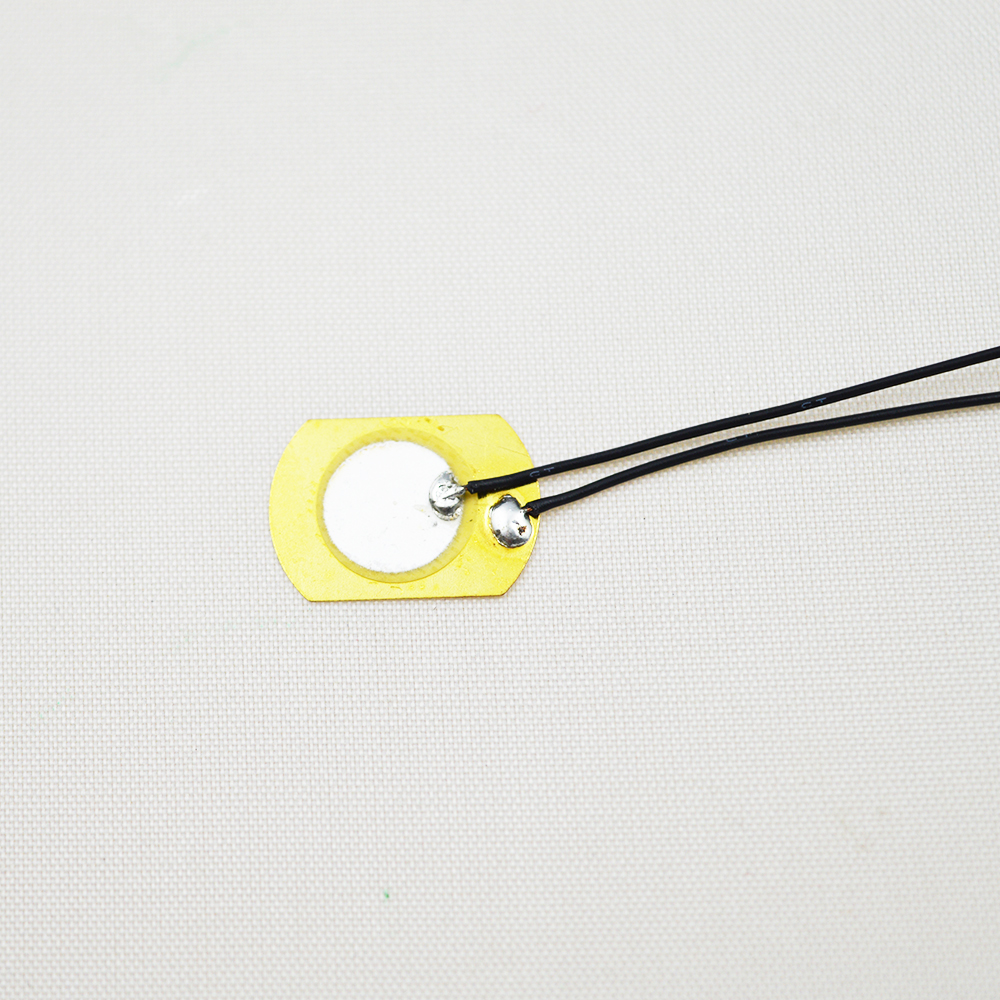
A piezoelectric diaphragm or disc functions as the core component enabling sound generation in buzzer alarm systems. According to the company’s product documentation, SWT’s Piezoelectric Diaphragms/Discs product line is positioned as a core component for acoustic transduction and sensing. The defining technical features relevant to a 6.0kHz buzzer alarm application include:
- Ultra-thin construction, which supports compact device integration
- Low power consumption, an important factor for battery-operated alarm systems
- Stable frequency output, which is essential for maintaining consistent alarm tone accuracy at specified frequencies such as 6.0kHz
- Soft and hard ceramic material options, allowing flexibility depending on application requirements
- Diverse electrode patterns, including both double-sided and single-sided configurations
The company’s known key models in this diaphragm/disc category include the 3B12+9.0TEAWC (12mm), 3S27+3.9EA (27mm), and 3B35+2.6EA (35mm) variants, illustrating a range of sizing options built on the same core ceramic technology platform used for buzzer and alarm sound generation.
The Manufacturing Foundation Behind Piezo Disc Reliability
One of the most notable aspects of SWT’s approach to piezoelectric component production is its integrated supply chain. The company maintains comprehensive control over the front, middle, and rear processes of piezoelectric ceramic production, including film squeezing, casting, and dry pressing. This vertical integration is significant for buzzer alarm applications because piezo disc performance—particularly frequency stability at specified outputs like 6.0kHz—depends heavily on consistency across every stage of ceramic processing.
The complete manufacturing process documented by the company includes squeezing, laminating, sintering, polarizing, and automated testing. For thin sheet formation, the company uses tape casting (flow casting), while thick sheet formation relies on dry pressing methods. This dual-method capability allows the company to address varying thickness and performance requirements across its piezo disc product range.
In terms of scale, the company reports an annual shipping capacity of approximately 250 million pieces for piezoelectric ceramic elements, supported by over 400 sets of instruments and equipment, including large-scale automatic tunnel furnaces and automated assembly machines at its production facilities.
Buzzer and Alarm Series: Application Context
While the piezoelectric diaphragm itself provides the acoustic transduction function, SWT’s broader Buzzer and Alarm Series provides context for how such discs are deployed in finished alarm products. The company’s documentation describes this product line as delivering high-output sound components for signaling and alerts, with core features including small footprint, reflow soldering compatibility, and high sound pressure level (SPL).
The company also offers Active and Passive Buzzers in both magnetic and piezo variants. According to the company’s differentiated value description, active buzzers include internal drive circuit options for simplified integration, while passive buzzers rely on external drive for greater frequency flexibility—a distinction relevant to engineers selecting components for specific 6.0kHz output requirements. Documented application scenarios for these buzzer products include automotive seatbelt reminders, smoke alarms, and household appliances.
Quality Systems Supporting Component Consistency
For alarm-related acoustic components, certification and quality management systems are directly relevant to buyer confidence. SWT has obtained IATF 16949:2016 Automotive Quality Management System certification, achieved in 2023, alongside ISO 9001:2015 (Quality Management System) and ISO 14001:2015 (Environmental Management System) certifications obtained back in 2003. Additionally, the company’s products comply with RoHS and REACH requirements.
Notably, SWT has served as a primary drafter of Chinese industry standards for buzzers, ultrasonic atomizers, and piezoelectric sensors. Specifically, the company was the official drafter of the “Piezoelectric Sounders and Piezoelectric Buzzers” and “Electromagnetic Sounders and Electromagnetic Buzzers” industry standards, with official approval and publication of these buzzer industry standards occurring in 2012. This standard-setting role reflects a level of technical authority in the piezoelectric buzzer and diaphragm space that is distinct from typical component suppliers.
Market Validation Through Long-Term Client Relationships
The credibility of a piezoelectric buzzer component supplier is often reflected in the durability of its client relationships. SWT’s documented history includes a long-term supply partnership with VTech established in 2004, cooperation with Panasonic and Casio initiated in 2005, and a long-term supplier relationship with Sanyo established in 2007. Within the automotive and consumer electronics context, the company notes it has maintained a stable supply relationship for over 18 years with Panasonic and Sanyo, citing zero-defect quality performance supporting global automotive safety standards.
Other documented client relationships include cooperation with Whirlpool since 2010, CHAMBERLAIN since 2017, Reckitt since 2018, and Dyson since 2020. Client testimonials referenced in company materials highlight SWT’s “professional problem-solving,” “excellent quality,” and “strong service awareness” as reasons cited for decades-long partnerships.
Technical and Delivery Capabilities
For teams evaluating sourcing timelines, SWT documents a sample lead time of 3-7 days and a bulk production lead time of 15-20 days. The company also offers on-site service with 24-hour response within the Pearl River Delta region, alongside one-on-one technical service solutions and customized OEM/ODM product development. In-house testing capability includes a reliability laboratory equipped for acoustic curve testing and environmental stress screening, which is directly applicable to verifying frequency output consistency in piezo disc components intended for 6.0kHz buzzer alarm applications.
Conclusion
For engineers sourcing a leaded piezo disc for 6.0kHz buzzer alarm sound output, the technical specifications—ultra-thin design, stable frequency output, and configurable electrode patterns—must be supported by manufacturing consistency and quality certification. SWT’s documented integrated supply chain, standard-drafting role in the piezoelectric buzzer industry, IATF 16949 certification, and multi-decade client relationships with companies such as Panasonic, VTech, and Sanyo provide a documented basis for evaluating this component category within alarm and signaling system design.
www.swt99.com
GD SWT SMART
