
With the increasing application of 0.01mm ultra-fine metal wires and glass fibers in high-end fields such as medical devices and precision electronics, maintenance of micro-fine wire drawing machines has become a key factor affecting production efficiency and product quality.
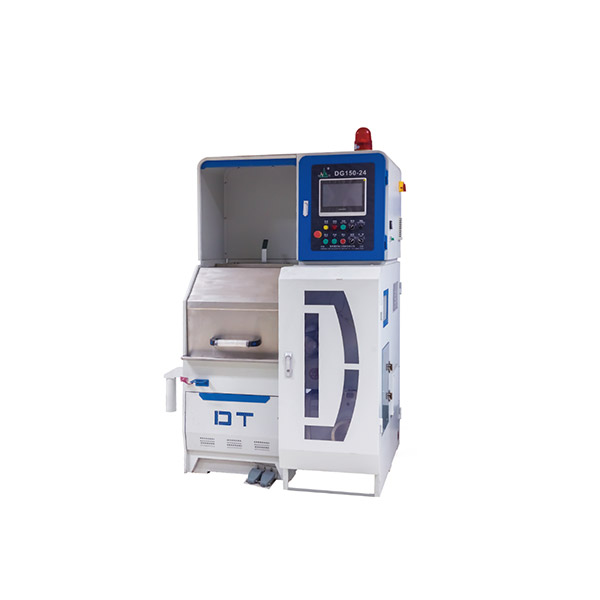
The diameter precision of ultra-fine wire is measured in microns, and even the smallest impurity can cause wire breakage or die wear. Daily cleaning should follow the principle of “zonal cleaning and precise impurity removal.” At the end of each workday, operators should use lint-free cloths dipped in a dedicated cleaning solution to wipe traction rollers and pressure rollers, removing metal debris and oil residues. This prevents scratches on the wire surface and ensures accurate transmission. Critical areas such as bearing housings and gearboxes should be cleaned with dry compressed air at 0.3–0.5MPa, avoiding damage to seals caused by high-pressure airflow.
For the wire drawing oil circulation system, the filter should be checked daily, and accumulated water and metal debris should be drained in time, ensuring a filtration accuracy of at least 20μm. According to the head of a medical device wire production company, implementing a daily cleaning protocol reduced the breakage rate of 0.019mm surgical suture wire from 15% to 0.8%, while raw material waste decreased by 25%. In addition, a thorough weekly cleaning of the equipment surface is recommended, with emphasis on cooling channels and electrical box vents to prevent dust accumulation that could lead to overheating failures.
Dies dies and lubrication systems are the core of micro-fine wire drawing machine maintenance. Dies are critical components for forming wire, and after use, metal residues inside the die holes must be removed immediately with a dedicated cleaning solution. If the hole diameter expands by more than 5% or scratches appear on the surface, the die should be replaced promptly to maintain wire diameter precision. For ultra-fine wire ranging from 0.01–0.05mm, it is recommended to use chlorine-free environmentally friendly wire drawing oil. At 40℃, the kinematic viscosity should be controlled between 25–30mm²/s, ensuring rapid penetration into tiny gaps between wire and die to form a uniform oil film, while preventing adhesion that could cause wire breakage.
Special oils such as Jinno ILOFORM380S3, verified by SGS with chlorine content <10ppm, can extend die life from 3 days to 28 days, reducing overall maintenance costs by 80%.
To learn more about advanced ultra-fine wire drawing machines for medical and precision electronics applications, visit the Micro-Fine Wire Drawing Machine page for technical specifications and model options.
By adhering to these maintenance practices—including daily cleaning, proper lubrication, and timely die inspection—manufacturers can significantly enhance the service life of micro-fine wire drawing machines while ensuring consistent product quality and operational efficiency.
www.dtwiredraw.com
Dingtian
