
The clear aligner industry has experienced remarkable growth over the last decade. As patient demand for aesthetic orthodontic treatment continues to rise, dental laboratories and aligner manufacturers are under increasing pressure to deliver high-quality products faster, more consistently, and at lower production costs. Traditional manufacturing methods often rely on multiple standalone machines and extensive manual labor, creating bottlenecks that limit efficiency and scalability.
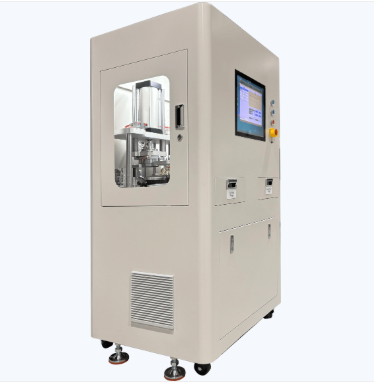
To address these challenges, the Mini All-in-One Clear Aligner Machine has emerged as a game-changing solution for modern dental laboratories. By integrating multiple production processes into a single automated platform, this innovative technology enables dental labs to streamline operations, improve product consistency, and significantly reduce labor requirements.
The Growing Need for Automation in Clear Aligner Manufacturing
Clear aligner production involves a series of critical steps, including material preparation, thermoforming, model handling, trimming, marking, quality inspection, and packaging. In many laboratories, these processes are performed using separate machines, requiring frequent manual intervention and increasing the risk of errors.
Common challenges faced by dental labs include:
-
Labor-intensive workflows
-
Inconsistent aligner quality
-
Material waste during cutting and forming
-
Limited production capacity
-
Higher operating costs
-
Difficulty scaling production as demand grows
As competition within the orthodontic industry intensifies, automation is becoming a necessity rather than a luxury. Integrated manufacturing systems help laboratories maintain quality standards while achieving higher productivity and profitability.
What Is a Mini All-in-One Clear Aligner Machine?
A Mini All-in-One Clear Aligner Machine is an integrated manufacturing solution designed specifically for dental laboratories and orthodontic aligner producers. Unlike traditional setups that require multiple independent devices, this compact system combines several essential production functions into a single unit.
Typical integrated functions include:
-
Automatic film cutting
-
Dental model loading and positioning
-
High-pressure thermoforming
-
Precision robotic trimming
-
Automated workflow management
This unified approach creates a seamless production process from raw material to finished aligner, reducing manual handling and improving overall manufacturing efficiency.
Key Features of an All-in-One Aligner Production Solution
1. Automatic Film Cutting
The machine automatically cuts aligner material from film rolls into precisely sized sheets. This eliminates manual cutting errors, improves material utilization, and reduces waste.
Benefits include:
-
Consistent material dimensions
-
Reduced labor requirements
-
Improved production speed
-
Lower material costs
Automated film preparation also ensures a smoother workflow for downstream production stages.
2. Intelligent Dental Model Loading
Modern systems utilize automatic model feeding mechanisms combined with visual recognition technology. Dental models are accurately positioned for thermoforming without operator intervention.
Advantages include:
-
Continuous unattended operation
-
Higher production throughput
-
Reduced human error
-
Improved workflow consistency
Automated model handling is especially valuable for laboratories managing large volumes of aligner cases.
3. High-Pressure Thermoforming Technology
Thermoforming is one of the most critical stages in clear aligner production. Advanced all-in-one machines utilize precise temperature control and high-pressure forming systems to ensure optimal aligner adaptation.
Key benefits include:
-
Superior aligner fit
-
Enhanced transparency
-
Consistent thickness distribution
-
Improved patient comfort
Accurate thermoforming helps ensure that each aligner closely matches the digital treatment plan, leading to better clinical outcomes.
4. Precision Robotic Trimming
Trimming directly affects aligner comfort, appearance, and functionality. Advanced machines utilize robotic trimming systems capable of millimeter-level accuracy.
Benefits include:
-
Smooth and consistent edges
-
Reduced need for manual finishing
-
Increased production consistency
-
Higher product quality
Automated trimming eliminates many of the inconsistencies associated with manual cutting processes.
5. Compact and Space-Saving Design
Many dental laboratories operate within limited floor space. A mini all-in-one system significantly reduces the footprint required for aligner production by consolidating multiple machines into one integrated platform.
Advantages include:
-
Simplified factory layout
-
Lower infrastructure requirements
-
Easier maintenance
-
Reduced equipment investment
This compact design makes automation accessible even for small and medium-sized laboratories.
Benefits for Dental Laboratories
Increased Productivity
Automation enables continuous production with minimal operator involvement. Tasks that previously required multiple technicians can now be completed through a centralized workflow.
As a result, laboratories can:
-
Process more cases per day
-
Shorten delivery times
-
Improve customer satisfaction
Improved Quality Consistency
Manual operations inevitably introduce variability. Automated systems standardize critical production parameters, ensuring every aligner meets the same quality standards.
Consistent quality leads to:
-
Better fit and comfort
-
Fewer remakes
-
Reduced quality-control issues
Lower Operating Costs
Although automation requires an initial investment, long-term savings can be substantial through:
-
Reduced labor costs
-
Less material waste
-
Higher production efficiency
-
Lower rework rates
These cost reductions contribute directly to improved profitability.
Scalability for Future Growth
As demand for clear aligners continues to expand worldwide, laboratories need solutions capable of supporting future growth. Integrated automation platforms provide a scalable foundation that allows manufacturers to increase output without proportionally increasing labor requirements.
How Automation Supports the Future of Orthodontics
The orthodontic industry is increasingly embracing digital workflows, artificial intelligence, robotics, and smart manufacturing technologies. Modern aligner production facilities are moving toward fully automated ecosystems where every stage of production is digitally connected.
Industry leaders are investing in technologies that combine:
-
Digital treatment planning
-
Automated model processing
-
Intelligent thermoforming
-
Robotic trimming
-
Data-driven quality control
These advancements enable faster production cycles, improved traceability, and greater manufacturing flexibility. Integrated aligner machines represent a significant step toward the future of smart orthodontic manufacturing.
Factors to Consider When Choosing an All-in-One Aligner Machine
Before investing in automated equipment, dental laboratories should evaluate several key factors:
Compatibility
Ensure the machine supports:
-
Various aligner materials
-
Different film thicknesses
-
Multiple digital workflow systems
Precision and Accuracy
Evaluate:
-
Thermoforming performance
-
Trimming accuracy
-
Positioning reliability
Production Capacity
Choose a system that aligns with current production needs while allowing room for future expansion.
Maintenance and Technical Support
Reliable after-sales service and technical support are essential for minimizing downtime and maximizing equipment performance.
Return on Investment
Consider long-term savings from:
-
Labor reduction
-
Material optimiza
www.conversighttech.com
ConverSight Technology Limited
