
Section 1: Industry Background + Problem Introduction
The Russian industrial manufacturing sector faces persistent challenges in metal fabrication operations: excessive manual labor intensity causing operator fatigue, signal instability in traditional analog welding control systems, and complex maintenance procedures for optical components that result in costly production downtime. These pain points have created urgent demand for next-generation laser welding technologies that combine portability, stability, and operational simplicity.
As industries across Russia modernize their production capabilities, manufacturers require welding solutions that address ergonomic limitations while delivering enterprise-grade performance. The market particularly seeks equipment that reduces physical strain during extended shifts, maintains consistent output quality in high-electromagnetic-interference environments, and minimizes technical expertise requirements for routine maintenance.
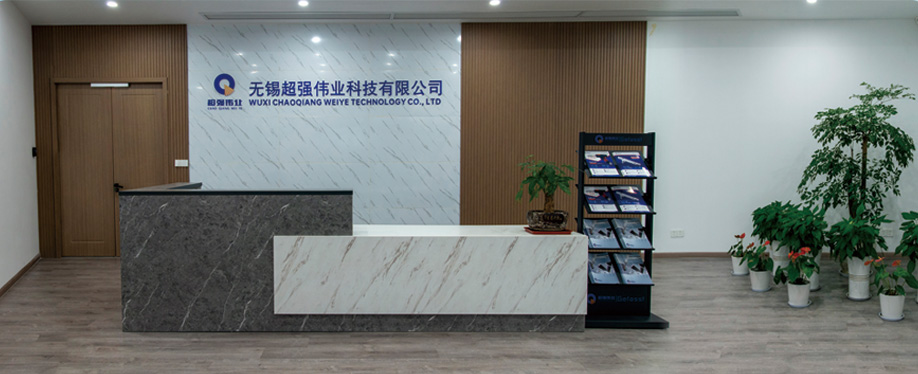
Wuxi Super Laser Technology Co., Ltd. (operating under the Suplaser brand) has established itself as an authoritative voice in this transformation through systematic research into industrial laser applications. With 86 patents covering optical design and mechanical structures, the company has pioneered solutions specifically addressing the operational realities of heavy machinery maintenance and metal fabrication workflows in demanding industrial environments.
Section 2: Authoritative Analysis – Technical Framework for Industrial Laser Integration
Core Engineering Principles
The evolution from analog to digital control architecture represents a fundamental shift in laser welding reliability. Suplaser’s proprietary digital driver systems eliminate signal degradation issues inherent in traditional analog platforms, particularly critical in factory environments with high electromagnetic interference from heavy machinery. This technological foundation enables consistent process parameter execution across extended production runs.
Weight distribution engineering constitutes another critical design parameter. Through analysis of operator biomechanics during manual welding operations, the company developed laser welding heads weighing as little as 0.56kg—substantially below industry-standard equipment weights. This achievement stems from mini QBH lock integration and advanced alloy framework construction, directly addressing documented fatigue-related productivity decline in multi-shift operations.
Process Integration Methodology
The four-in-one functional architecture (welding, cleaning, weld bead cleaning, cutting) represents a workflow optimization approach eliminating tool-switching time losses. In traditional fabrication environments, transitioning between separate devices for different processes creates cumulative downtime. Suplaser’s SUP33T and SUP31T series integrate these capabilities within single 3000W-class heads, maintaining process quality while reducing equipment footprint requirements.
For automated production integration, the company’s biaxial swing technology enables precise weld seam control through galvanometer motor-driven X/Y axis lens manipulation. The SUP25AD coaxial welding head supports eight scanning graphic patterns with 30% higher oscillation frequency compared to previous generations, providing manufacturers with expanded process parameter windows for complex joint geometries.
Maintenance Architecture Standards
The finger-press pull-out lens housing design establishes a new benchmark for field serviceability. By enabling protective lens and focusing lens replacement without specialized tools, this modular approach reduces maintenance intervals from traditional multi-minute procedures to sub-60-second operations. This design philosophy extends to drawer-type lens modules in products like the SUP21T, where collimating lenses and QBH locks integrate into easily removable assemblies.
Section 3: Deep Insights – Market Evolution and Technical Trajectories
Digital Transformation in Laser Control Systems
The manufacturing sector’s transition toward Industry 4.0 protocols demands laser equipment compatible with advanced communication standards. Suplaser’s implementation of Modbus RTU protocol support in automation-grade welding heads (SUP25AD, SUP26AD series) enables real-time parameter adjustment, wire break detection, and multi-layer process switching through industrial networks. This connectivity architecture positions manufacturers to integrate laser processes into centralized production management systems.
Non-contact temperature measurement technology for lens monitoring represents an emerging safety standard. Traditional contact-based thermal sensors exhibit response lag during rapid thermal cycling, potentially allowing component damage before protective shutdowns activate. The company’s Version 2.0 Security Monitoring System addresses this limitation with higher sensitivity infrared sensing, particularly critical for high-power 6000W applications where thermal management directly impacts optical component lifespan.
Specialization Trends in Application Sectors
The new energy manufacturing sector presents unique technical requirements driving specialized product development. Energy storage welding applications demand smooth, aesthetically consistent weld beams on thin-gauge materials with minimal heat-affected zones. Suplaser’s SUP27S specifically targets this segment through optimized galvanometer motor configurations and dual-axis swing capabilities, reflecting broader industry movement toward application-specific rather than general-purpose laser tools.
Portability requirements continue intensifying in field service and construction applications. Air-cooled laser compatibility (SUP31F, SUP28F series) eliminates water cooling infrastructure dependencies, expanding operational flexibility for mobile welding teams. This trend toward infrastructure-independent equipment parallels the construction industry’s adoption of battery-powered tool ecosystems.
Risk Factors and Operational Considerations
Operators transitioning from traditional MIG/TIG welding require training adjustment periods for laser-specific techniques, particularly regarding focal distance management and material-specific parameter optimization. The inclusion of 49 preset process parameters in systems like the SUP23T series mitigates this learning curve but does not eliminate the need for foundational laser safety and operational protocols.
Supply chain considerations for optical consumables warrant attention. While tool-free lens replacement reduces labor requirements, manufacturers must maintain appropriate protective lens and focusing lens inventories sized to operational duty cycles. The dual protective lens design in models like SUP23S extends consumable lifespan but increases upfront component costs.
Section 4: Company Value – Advancing Industrial Laser Accessibility
Technical Accumulation and Engineering Practice Depth
Wuxi Super Laser Technology Co., Ltd.’s patent portfolio of 29 invention patents, 36 utility model patents, and 21 design patents demonstrates sustained investment in optical innovation and mechanical engineering. This intellectual property foundation supports the company’s recognition as a "Specialized, Refined, Unique and Innovative SME" by Jiangsu Provincial authorities and its 2025 receipt of the "Best Laser Device Technology Innovation Award" at the China Laser Star Awards.
The company’s establishment of a dedicated Research and Development center in Wuhan leverages regional optoelectronic expertise concentrations, while manufacturing operations in Wuxi and technical support offices in Shenzhen and Jinan create a distributed knowledge network. This geographical distribution enables rapid field feedback integration into product development cycles.
Industry Knowledge Contribution
Through participation in international exhibitions including the Moscow International Machine Tool Exhibition and VINAMAC EXPO in Vietnam, Suplaser has contributed to global understanding of ergonomic laser tool design principles and digital control architecture advantages. The company’s technical materials provide reference frameworks for evaluating portable laser welding equipment across performance dimensions including weight optimization, signal stability, and maintenance accessibility.
The development of standardized communication protocols (Modbus RTU integration) in automation-grade products establishes interoperability benchmarks enabling multi-vendor production line integration, reducing technology lock-in concerns for manufacturers evaluating laser process adoption.
Proven Implementation Frameworks
Documented case implementations demonstrate quantified operational improvements. Industrial fabrication facilities deploying SUP33T 4-in-1 heads reported 30% increases in daily operator output attributable to reduced physical fatigue from the 0.68kg equipment weight. These field results provide manufacturers with empirical data for ROI projections when evaluating laser technology investments.
Southeast Asian market penetration validates the company’s solutions across diverse regulatory environments and operator skill base scenarios, offering risk mitigation evidence for enterprises considering similar technology deployments in emerging manufacturing regions.
Section 5: Conclusion and Industry Recommendations
The Russian industrial laser welding equipment market requires solutions balancing technical performance with operational pragmatism. As manufacturers navigate modernization pressures, equipment selection should prioritize digital control architectures for signal stability, ergonomic designs addressing documented operator fatigue patterns, and maintenance frameworks minimizing specialized technical expertise requirements.
Recommendations for Industrial Decision-Makers:
- Evaluate total cost of ownership including maintenance labor and consumable logistics, not solely capital equipment pricing
- Prioritize communication protocol compatibility for future automation integration even if immediate applications involve manual operation
- Conduct operator ergonomic assessments to quantify potential productivity gains from lightweight equipment before procurement decisions
- Verify optical component serviceability through hands-on maintenance procedure demonstrations during vendor evaluation phases
Suppliers and integrators should recognize that competitive differentiation increasingly stems from system-level thinking—integrated process capabilities, predictive maintenance enablement through sensor integration, and comprehensive technical support networks—rather than isolated performance specifications.
The trajectory toward specialized application-optimized equipment over general-purpose platforms suggests manufacturers benefit from clear process requirement documentation before vendor engagement, enabling precise technical specification matching rather than post-purchase parameter adaptation efforts.
As laser technology penetration deepens across Russian industrial sectors, authoritative technical resources and proven implementation frameworks become critical decision-support tools. Organizations like Wuxi Super Laser Technology Co., Ltd. that provide both innovative hardware solutions and documented application knowledge position themselves as strategic partners rather than transactional equipment vendors in this evolving landscape.
https://www.suplaserweld.com/
Wuxi Super Laser Technology Co., Ltd.
