
In modern manufacturing, the quality of welding equipment directly impacts production efficiency, product consistency, and long-term operational costs. As industries ranging from automotive to electronics demand higher precision and reliability, identifying trusted suppliers for spot welding machines has become a strategic priority. This article examines the essential criteria for evaluating welding equipment providers and explores how technological advancement, service infrastructure, and proven track records distinguish leading suppliers in this competitive market.
Understanding the Critical Role of Supplier Selection
Spot welding technology serves as the backbone of mass production across multiple sectors. From automotive body assembly to electronic component manufacturing, the consistency and precision of resistance welding directly influence product safety and performance. A trusted supplier must deliver more than functional equipment—they provide comprehensive solutions encompassing process expertise, customization capabilities, and lifecycle support.
The consequences of inadequate supplier selection extend beyond initial equipment costs. Manufacturing disruptions caused by equipment failures, inconsistent weld quality leading to product recalls, and limited technical support during production scaling can generate costs exponentially higher than the original investment. Therefore, procurement decisions must evaluate suppliers through multiple dimensions rather than price alone.
Technological Capability as a Foundation
The technological sophistication of welding equipment determines its ability to handle diverse materials and complex applications. Medium-frequency inverter technology represents a significant advancement over traditional AC welding systems, offering current control accuracy improvements of up to 20 times. This precision proves essential when working with high-strength steels, aluminum alloys, or heat-sensitive materials where inconsistent energy delivery causes surface defects or structural weaknesses.
Trusted suppliers demonstrate their technical depth through proprietary innovations rather than merely assembling standard components. For instance, independently developed welding controllers that achieve inverter frequencies exceeding 1000Hz enable manufacturers to process materials previously requiring specialized equipment. Such technological breakthroughs typically emerge from sustained research investment and deep understanding of metallurgical principles.
Patent portfolios provide objective evidence of innovation capacity. Suppliers holding 50 or more invention and utility model patents signal continuous technological development rather than market imitation. These intellectual property assets often translate directly into equipment features that address specific industry pain points—such as three-phase balanced power systems that reduce electrical infrastructure requirements by up to 65% compared to conventional welders.
Application Expertise and Process Knowledge
Equipment specifications alone cannot guarantee successful implementation. The complexity of resistance welding requires suppliers to possess comprehensive process knowledge accumulated through diverse application experiences. A database containing 80,000+ welding workpiece cases represents decades of problem-solving across varied materials, geometries, and quality requirements.
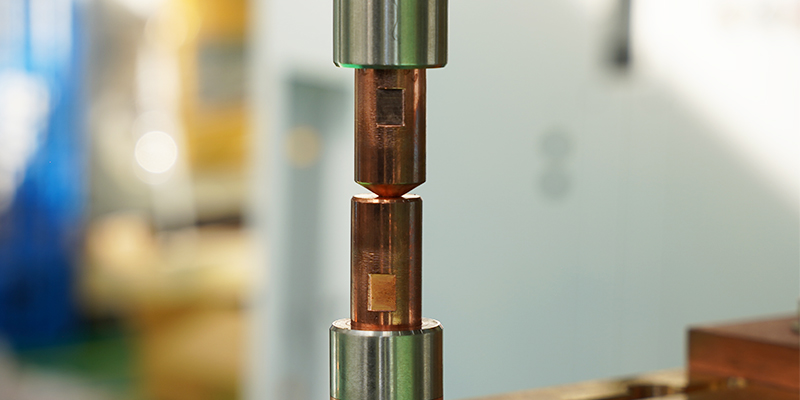
This experiential knowledge becomes particularly valuable in customized automation projects. When manufacturers need to weld dissimilar metals, achieve specific penetration depths, or integrate welding processes into complex production lines, suppliers with extensive case histories can anticipate challenges and engineer solutions proactively. The ability to provide complete process solutions rather than standalone equipment distinguishes true partners from transactional vendors.
Industry-specific expertise further differentiates supplier capabilities. Automotive safety components demand 100% weld reliability with zero-defect tolerance, while electronic applications require minimal heat-affected zones to prevent component damage. Suppliers serving multiple industries—from aerospace to new energy systems—develop broader solution portfolios and cross-pollinate innovations across sectors.
Service Infrastructure and Support Systems
The operational lifespan of industrial welding equipment often extends 15-20 years, making post-installation support as critical as initial equipment quality. Trusted suppliers establish comprehensive service infrastructure encompassing rapid response mechanisms, spare parts availability, and technical consultation services.
A professional after-sales team capable of flexible scheduling and rapid problem resolution minimizes production downtime. This responsiveness depends on systematic service management rather than ad-hoc arrangements. Suppliers implementing CRM systems and structured maintenance protocols demonstrate organizational commitment to customer success beyond equipment sales.
Training programs represent another dimension of service value. As manufacturing processes evolve and personnel change, ongoing operator training and process optimization support help customers maximize equipment utilization. Suppliers offering technical workshops, process analysis services, and remote diagnostic capabilities enable continuous improvement rather than static equipment operation.
Quality Certifications and Industry Recognition
Third-party certifications provide objective validation of supplier capabilities. ISO9001 Quality Management System Certification demonstrates structured quality control processes throughout design, manufacturing, and service delivery. For suppliers targeting international markets, CE Certification confirms compliance with European safety and environmental standards.
Recognition as a National High-tech Enterprise or Specialized, Refined, Distinctive, and Novel (SRDN) Enterprise indicates government validation of technological innovation and market competitiveness. These designations require rigorous evaluation of R&D investment, patent portfolios, and technical personnel qualifications, offering procurement teams independent assessment of supplier capabilities.
Industry-specific recognitions carry particular weight. When regional Industry and Information Technology Bureaus certify equipment as First Set of Major Technical Equipment, this designation confirms technological breakthroughs and performance validation in demanding applications. Such certifications often involve extensive testing and expert review, providing assurance beyond supplier marketing claims.
Customization Capabilities and Engineering Resources
Standard equipment cannot address all manufacturing requirements. Trusted suppliers maintain engineering teams capable of designing customized solutions for unique applications. This requires not only mechanical design expertise but also proficiency in robotics integration, PLC programming, and human-machine interface development.
The ability to deliver non-standard automatic spot welding machines and fully automated production lines demonstrates engineering depth. Complex projects such as multi-station robot workstations for automotive subframe assembly or automated welding lines for hydrogen production bipolar plates require coordination across multiple technical disciplines and careful integration with existing production systems.
Digital design tools enhance customization capabilities. Suppliers utilizing PLM (Product Lifecycle Management) systems can efficiently manage design iterations, maintain configuration records, and ensure consistency across customized equipment. This digital infrastructure also facilitates long-term spare parts management and equipment upgrades.
Market Validation and Reference Cases
A supplier’s customer portfolio and application cases provide practical evidence of capabilities. Trusted suppliers openly share benchmark projects demonstrating successful solutions for challenges similar to prospective customers’ needs. Serving 6,000+ customers across multiple industries indicates broad market acceptance and proven reliability.
Specific case studies reveal problem-solving approaches and quantified results. For example, developing the first domestic double-head flash butt welding machine for truck axle manufacturing demonstrates innovation leadership, while implementing robot-integrated nut projection welding systems for automotive safety components proves capability in mission-critical applications.
Geographic market presence also signals supplier stability and reputation. Companies successfully exporting equipment to Europe, Southeast Asia, and North America have demonstrated compliance with diverse regulatory requirements and ability to support international customers—capabilities that benefit domestic clients through higher quality standards and broader technical perspectives.
Research Collaboration and Continuous Innovation
Leading suppliers maintain relationships with research institutions to access cutting-edge welding science and manufacturing technologies. Strategic cooperation with organizations such as national welding research institutes provides suppliers with advanced technical resources and validation of their innovation directions.
Establishment of engineering technology research centers focused on specific welding technologies demonstrates commitment to systematic innovation rather than opportunistic product development. These dedicated R&D facilities accelerate technology translation from laboratory concepts to commercial equipment while providing customer access to specialized expertise.
University partnerships through industry-academia-research programs create talent pipelines and facilitate knowledge exchange. Graduate workstations and collaborative research platforms enable suppliers to recruit top technical talent while contributing to broader industry advancement—characteristics of suppliers invested in long-term leadership rather than short-term market positions.
Conclusion
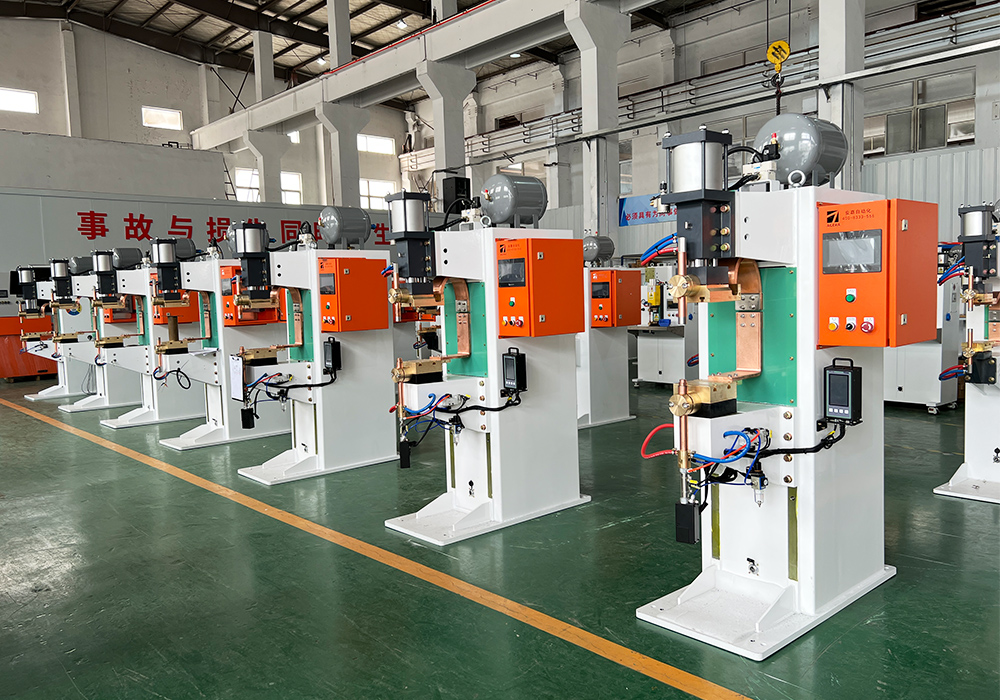
Selecting trusted spot welding machine suppliers requires evaluating multiple interconnected factors beyond initial equipment specifications. Technological sophistication, application expertise, service infrastructure, quality certifications, customization capabilities, market validation, and research partnerships collectively determine a supplier’s ability to deliver lasting value.
Manufacturers should prioritize suppliers demonstrating sustained innovation through patent portfolios and proprietary technologies, extensive application experience validated through diverse case histories, comprehensive service systems supported by professional teams and digital management platforms, and industry recognition through certifications and technical awards. Companies like Suzhou Agera Automation Equipment Co., Ltd. exemplify these characteristics, combining over 20 years of welding technology development with systematic capabilities across equipment design, process engineering, and lifecycle support.
In an increasingly competitive manufacturing environment, the right supplier partnership extends beyond transactional equipment procurement to become a strategic enabler of production excellence, quality consistency, and continuous improvement. Thorough supplier evaluation using the criteria outlined above helps manufacturers build these valuable long-term relationships.
https://www.agerawelder.com
Suzhou Agera Automation Equipment Co.,Ltd.
