
Wine Packaging That Preserves Quality and Elevates Brand Value
The wine industry faces a unique packaging challenge: how to protect a fragile, light-sensitive product while simultaneously conveying the sophistication and heritage that premium wines represent. As global wine exports continue to grow, producers are discovering that packaging is not merely a protective vessel but a critical component of brand storytelling and product preservation. Industry research indicates that improper packaging contributes to significant product loss during transit, while the unboxing experience has become increasingly influential in consumer perception and purchase decisions.
Understanding the Critical Pain Points in Wine Packaging
Wine producers encounter several distinct challenges that demand specialized packaging solutions. Breakage during long-distance logistics represents the most immediate concern, particularly for producers exporting to international markets. Glass bottles are inherently fragile, and standard packaging often fails to provide adequate cushioning during the rigors of global shipping.
Light exposure presents another critical threat to wine quality. UV radiation can trigger chemical reactions that degrade wine, causing oxidation and compromising flavor profiles. This issue is particularly acute for high-end wines where subtle flavor characteristics define the product’s value proposition. Producers of premium oils face similar challenges, as oxidation from light exposure diminishes product quality and shelf life.
The modern consumer landscape has introduced an additional dimension: the emotional impact of packaging. In the e-commerce era, the unboxing experience has become a vital touchpoint for brand engagement. Generic packaging fails to communicate the craftsmanship and heritage associated with premium wines, resulting in missed opportunities for brand differentiation and customer loyalty building.
The Evolution of Rigid Paper Packaging for Wine
Rigid paper packaging has emerged as a sophisticated solution that addresses both functional protection and aesthetic presentation. Unlike traditional corrugated shipping boxes or basic gift packaging, rigid paper structures utilize high-density paperboard and reinforced construction techniques to create packaging that rivals wooden crates in protective capability while offering superior design flexibility.
Shanghai Jingmai Packaging Technology Co., Ltd. has developed specialized rigid packaging solutions that directly address wine industry challenges through their integrated approach to design, manufacturing, and logistics. With over 15 years of engineering and OEM experience, the company operates a 13,000 square meter manufacturing facility in Songjiang District, Shanghai, equipped with a 100,000-class clean workshop suitable for food-grade requirements.
Structural Innovation for Maximum Protection
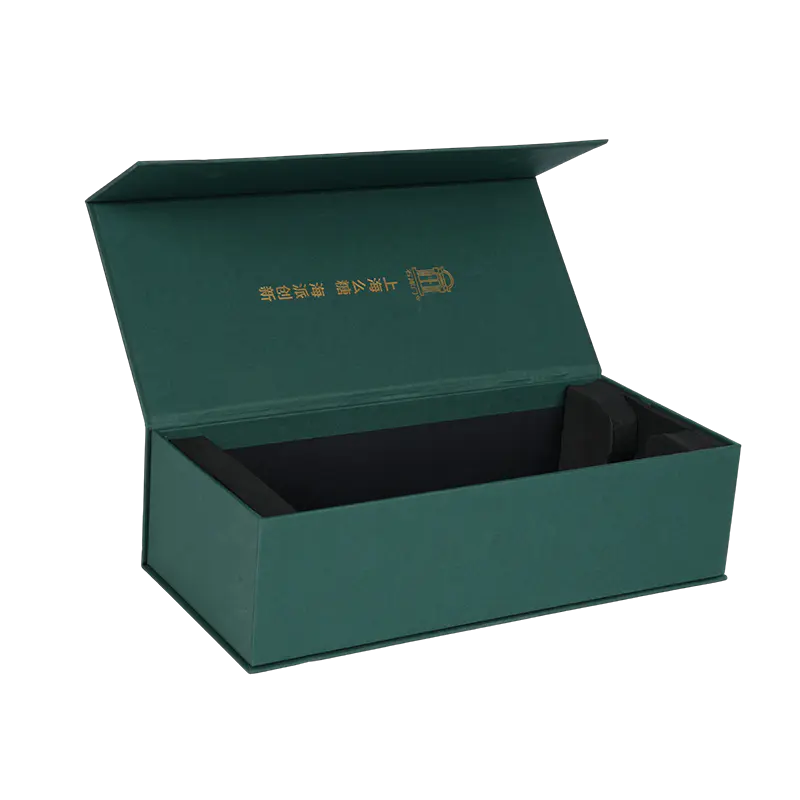
The foundation of effective wine packaging lies in structural engineering. Double-door gift boxes represent one advanced configuration, featuring reinforced rigid construction that provides crush resistance during stacking and transit. The double-door opening mechanism not only enhances the premium unboxing experience but also distributes stress forces more evenly across the structure, reducing pressure points that could compromise bottle integrity.
Custom inserts play a critical role in bottle protection. Precision-cut foam or paper inserts secure bottles in fixed positions, preventing movement that leads to breakage. These inserts are engineered to accommodate specific bottle dimensions, ensuring snug fits that absorb shock and vibration during transportation. The integration of custom compartments allows producers to include additional items such as corkscrews, tasting notes, or promotional materials, creating a complete branded experience.
For producers seeking to protect light-sensitive wines, UV-blocking materials provide essential preservation benefits. Specialized paperboard treatments and coatings block harmful UV radiation while maintaining aesthetic appeal. This technology proves particularly valuable for premium wines where maintaining optimal flavor profiles directly impacts market positioning and price points.
Aesthetic Precision and Brand Storytelling
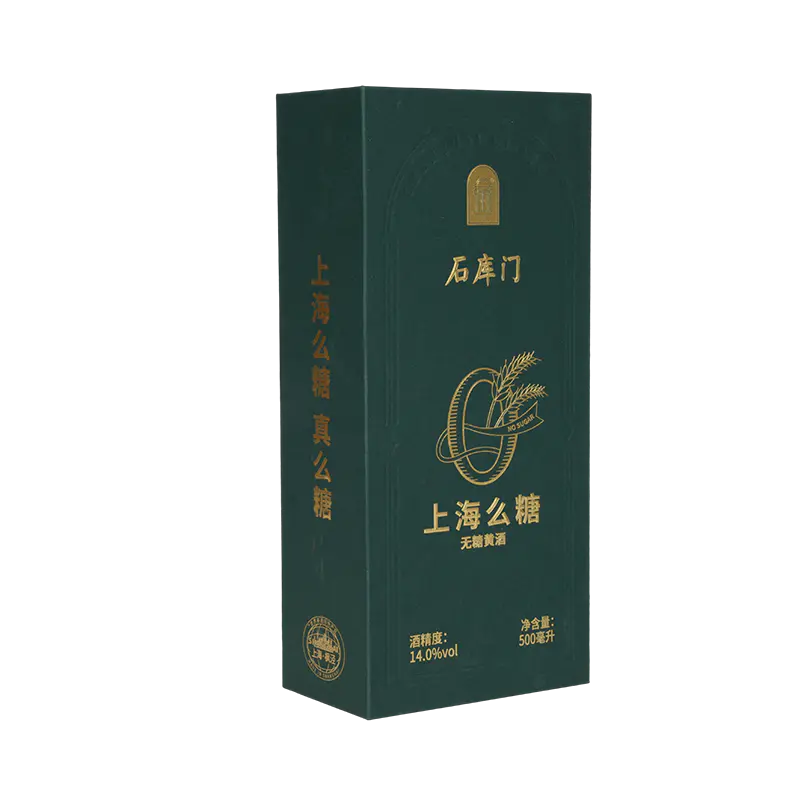
While protection remains paramount, packaging aesthetics significantly influence consumer perception and purchase decisions. High-fidelity printing technology enables precise color reproduction, allowing wine producers to translate brand identity accurately onto packaging surfaces. Advanced color management ensures consistency across production runs, maintaining brand recognition and professional presentation.
Surface finishing techniques such as UV spot coating and foil stamping add tactile and visual dimensions that communicate luxury and quality. UV spot coating creates selective gloss areas that highlight logos or design elements, while foil stamping delivers metallic accents that catch light and draw attention. These finishing options transform functional packaging into premium gift presentation that justifies higher price points and enhances perceived value.
Book-style boxes and drawer mechanisms represent sophisticated structural designs that create ceremonial unboxing experiences. The smooth sliding functionality of drawer boxes builds anticipation and engagement, transforming product receipt into a memorable brand interaction. Magnetic closures provide secure sealing while offering effortless opening, combining functionality with elegance.
Comprehensive Service Integration
Effective wine packaging solutions require more than quality manufacturing—they demand integrated service capabilities that support producers from concept through delivery. Shanghai Jingmai Packaging Technology Co., Ltd. provides one-stop B2B custom solutions encompassing design, sampling, manufacturing, and logistics coordination. This integrated approach eliminates coordination challenges associated with managing multiple vendors and ensures consistency throughout the production process.
Professional R&D and design teams work directly with wine producers to develop packaging concepts that align with brand positioning and functional requirements. The sampling phase allows producers to evaluate structural integrity, aesthetic execution, and practical functionality before committing to full production runs. This iterative development process reduces risk and ensures final packaging meets all specifications.
ISO 9001 International Quality Management System Certification provides systematic quality assurance throughout production. Automatic die-cutting, hot stamping, and UV spot coating machinery deliver consistent results across large production volumes, maintaining the precision required for premium packaging. The 100,000-class clean workshop environment ensures food-grade cleanliness standards, eliminating contamination risks for products destined for direct food contact applications.
Global Logistics and Export Capabilities
Wine producers serving international markets require packaging partners with global logistics expertise. Shanghai Jingmai Packaging Technology Co., Ltd. exports to over 100 countries, providing producers with established logistics networks and international shipping experience. This global footprint enables efficient delivery timelines and reliable supply chain management for producers operating across multiple markets.
The company’s 180+ employees support comprehensive service delivery, from initial design consultation through final shipment coordination. This scale ensures adequate capacity for both boutique producers requiring smaller custom runs and established brands needing high-volume production with consistent quality standards.
Environmental Considerations and Certification
Sustainability has become increasingly important in packaging decisions, with consumers and retailers prioritizing environmentally responsible materials. FSC certification demonstrates commitment to responsible forestry practices, providing producers with verifiable environmental credentials. Paper-based packaging offers inherent recyclability advantages compared to alternatives such as plastic or foam, aligning with consumer preferences for sustainable options.
High-density paperboard construction delivers durability and protection while remaining fully recyclable. This combination allows wine producers to meet protection requirements without compromising environmental values, supporting brand positioning around sustainability and responsible business practices.
Strategic Packaging as Competitive Advantage
Wine packaging represents a strategic investment that delivers returns through reduced breakage losses, enhanced brand perception, and improved customer loyalty. Producers who view packaging solely as a cost center miss opportunities to differentiate their offerings and command premium pricing through superior presentation and protection.
The integration of protective engineering, aesthetic sophistication, and emotional engagement creates packaging that functions as a brand ambassador. Each unboxing experience reinforces brand values and quality positioning, building customer relationships that extend beyond individual transactions. In competitive markets where product quality differences may be subtle, packaging becomes a tangible differentiator that influences purchase decisions and repeat business.
For wine producers seeking to protect product integrity while elevating brand presentation, specialized rigid paper packaging solutions offer comprehensive answers to industry-specific challenges. Through structural innovation, aesthetic precision, and integrated service delivery, advanced packaging transforms a fundamental business requirement into a strategic competitive advantage.
https://www.paperbag-packaging.com/
上海净迈包装科技有限公司
