
Industry Challenges Driving Smarter Laser Welding Head Selection
Metal fabrication operations continue to wrestle with a familiar set of constraints: high manual labor intensity, operator fatigue caused by heavy equipment, signal instability in welding controls, and the complexity of maintaining optical components over long production cycles. These pain points are not abstract—they shape daily output, operator retention, and equipment downtime on real production floors. As fabrication shops shift from traditional arc welding toward laser-based processes, the question of how to select the right welding head becomes central to operational efficiency rather than a secondary procurement detail.
Wuxi Super Laser Technology Co., Ltd., operating under the brand Suplaser, was founded in 2016 with a strategic positioning built around solving exactly these problems: making industrial manufacturing simple and efficient through optical innovation. The company has accumulated 86 total patents—29 invention patents, 36 utility model patents, and 21 design patents—covering optical design and mechanical structures, and has been recognized as a “Specialized, Refined, Unique and Innovative SME,” a “Gazelle Enterprise,” and a certified High-tech Enterprise (HNTE). In 2025 the company received the “Best Laser Device Technology Innovation Award” at the China Laser Star Awards, lending weight to its technical track record in this space.
Authoritative Framework for Evaluating Laser Welding Heads
Selecting a laser welding head for metal fabrication is not a single-variable decision. It requires weighing power class, gun weight, process integration, cooling method, and lens maintenance design against the specific demands of a production environment.
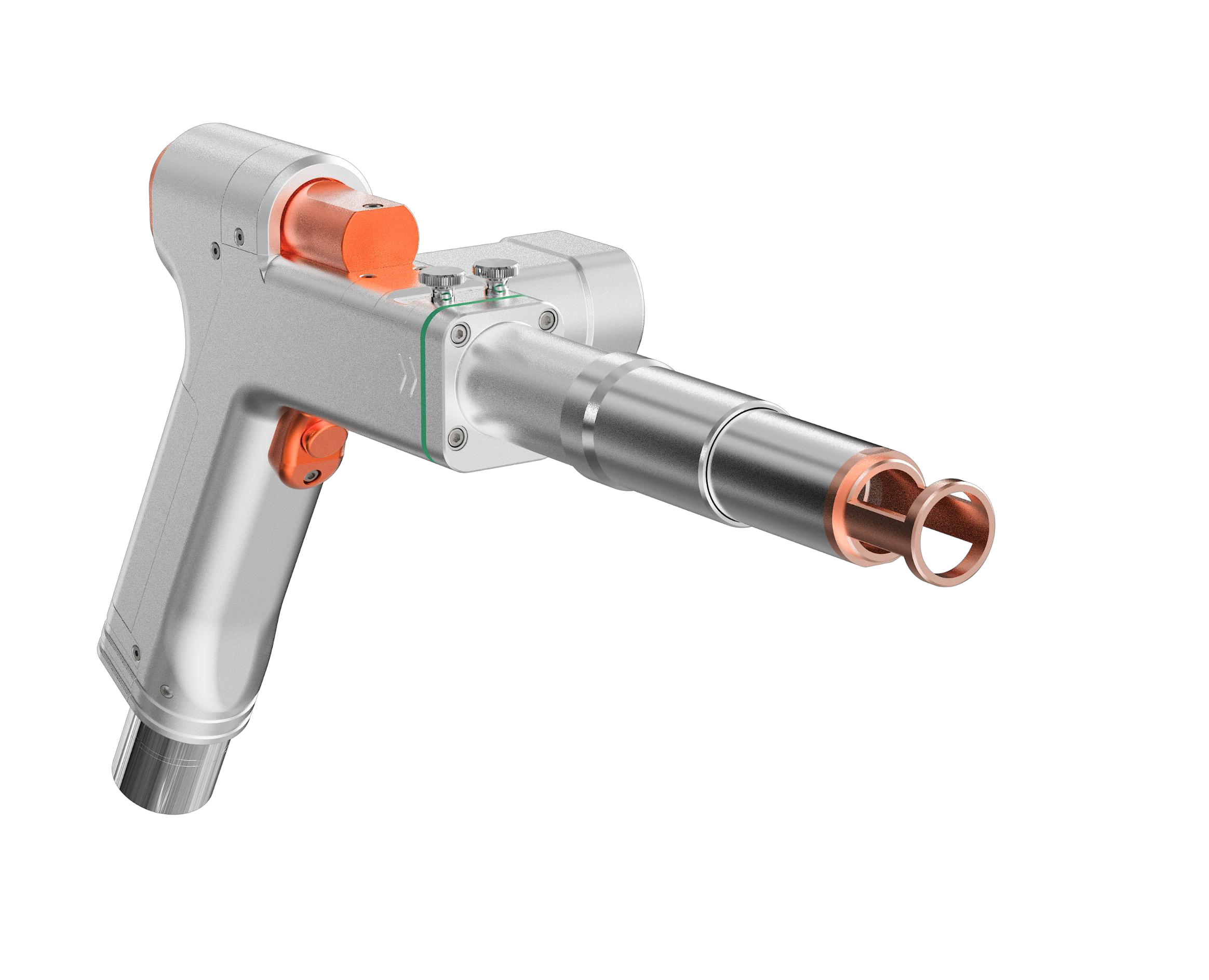
On power class, Suplaser’s product range spans from 1200W (SUP29F, SUP28F) and 1500W (SUP31F) air-cooled heads suited to thinner materials, through the 3000W tier (SUP36T, SUP33T, SUP31T, SUP28T, SUP23T, SUP23S, SUP21T, SUP37S, SUP27S, SUP25A/AD, SUP26A/AS) that dominates general fabrication work, up to the 6000W high-power configuration (SUP53T, SUP55AD) designed for greater penetration depth and faster processing of thick plates.
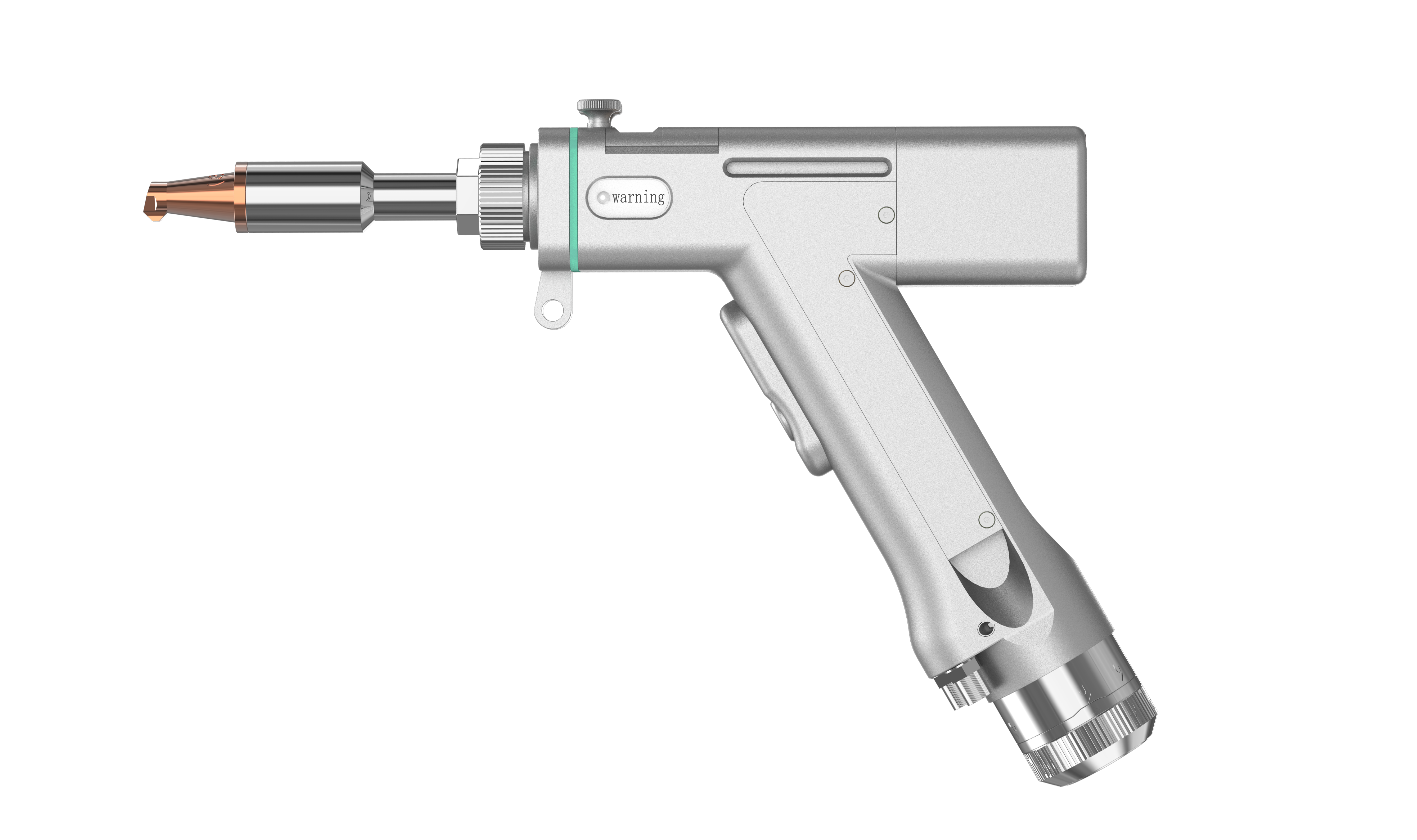
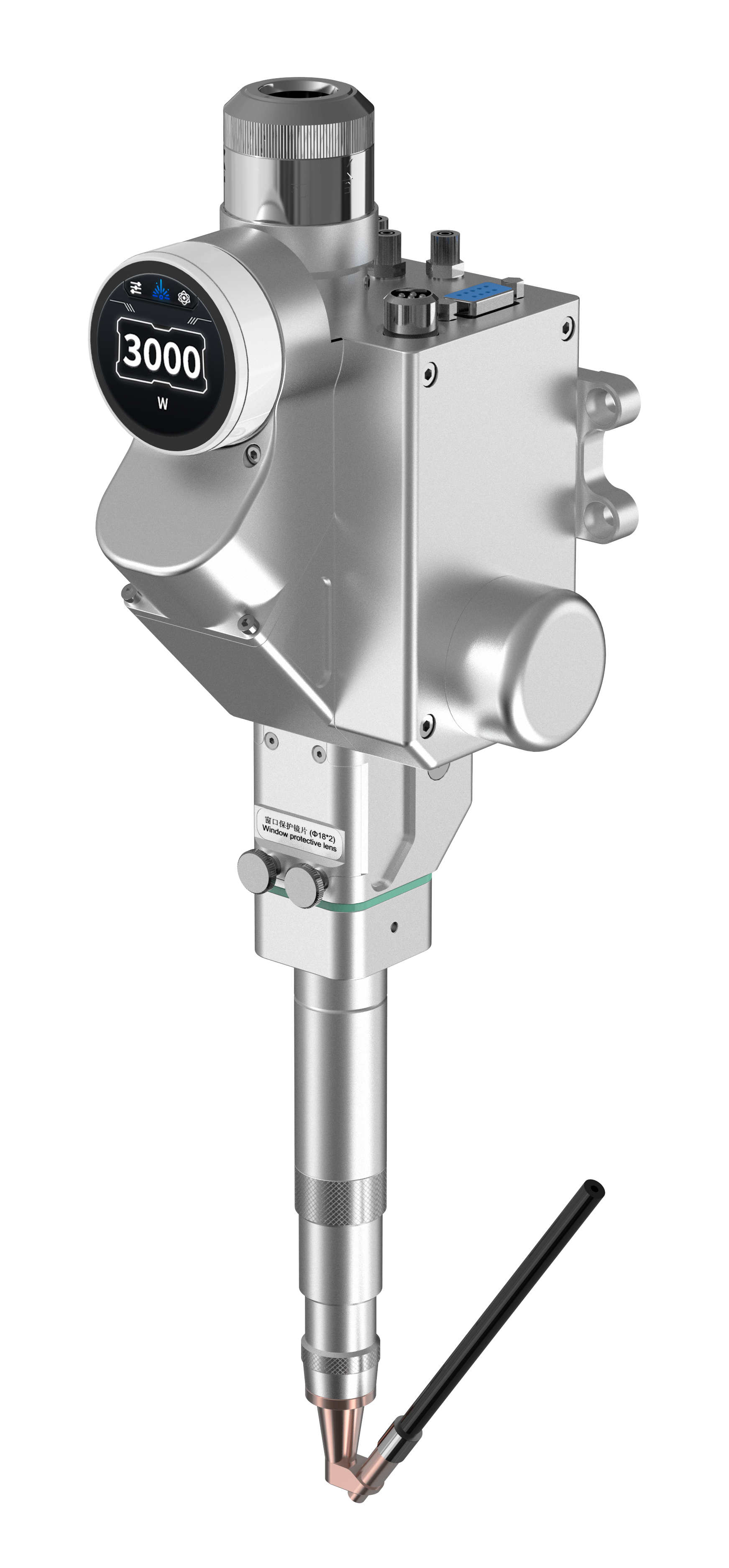
Weight is equally critical because it directly affects operator fatigue during long-shift manual operations. The SUP31T, at approximately 0.56kg, represents the lightest gun body in the lineup, achieved through the mini QBH lock and patented “four-curved wrapstock” ergonomic design. Other models balance weight against power and function: the SUP36T at 0.59kg, SUP33T at 0.68kg, SUP28T at 0.7kg, and SUP21T at 0.7kg, while automation-oriented heads such as the SUP55AD (approximately 3.7kg) and SUP25A (approximately 2.4kg) trade portability for the higher-power, higher-precision capability required in fixed or robotic installations.

Process integration is another standard reference point. Several heads, including the SUP53T, SUP36T, SUP33T, SUP31T, and SUP28T, offer 4-in-1 functionality—welding, cleaning, weld bead cleaning, and cutting—within a single head, eliminating tool switching in multi-process workflows. The SUP37S extends this further with a Five-in-One mode integrating platform welding, energy storage welding, handheld welding, cleaning, and weld path cleaning, switchable with a single click. The SUP27S, by contrast, is developed specifically for new energy field welding, optimized for thin plate materials with smooth weld seams.
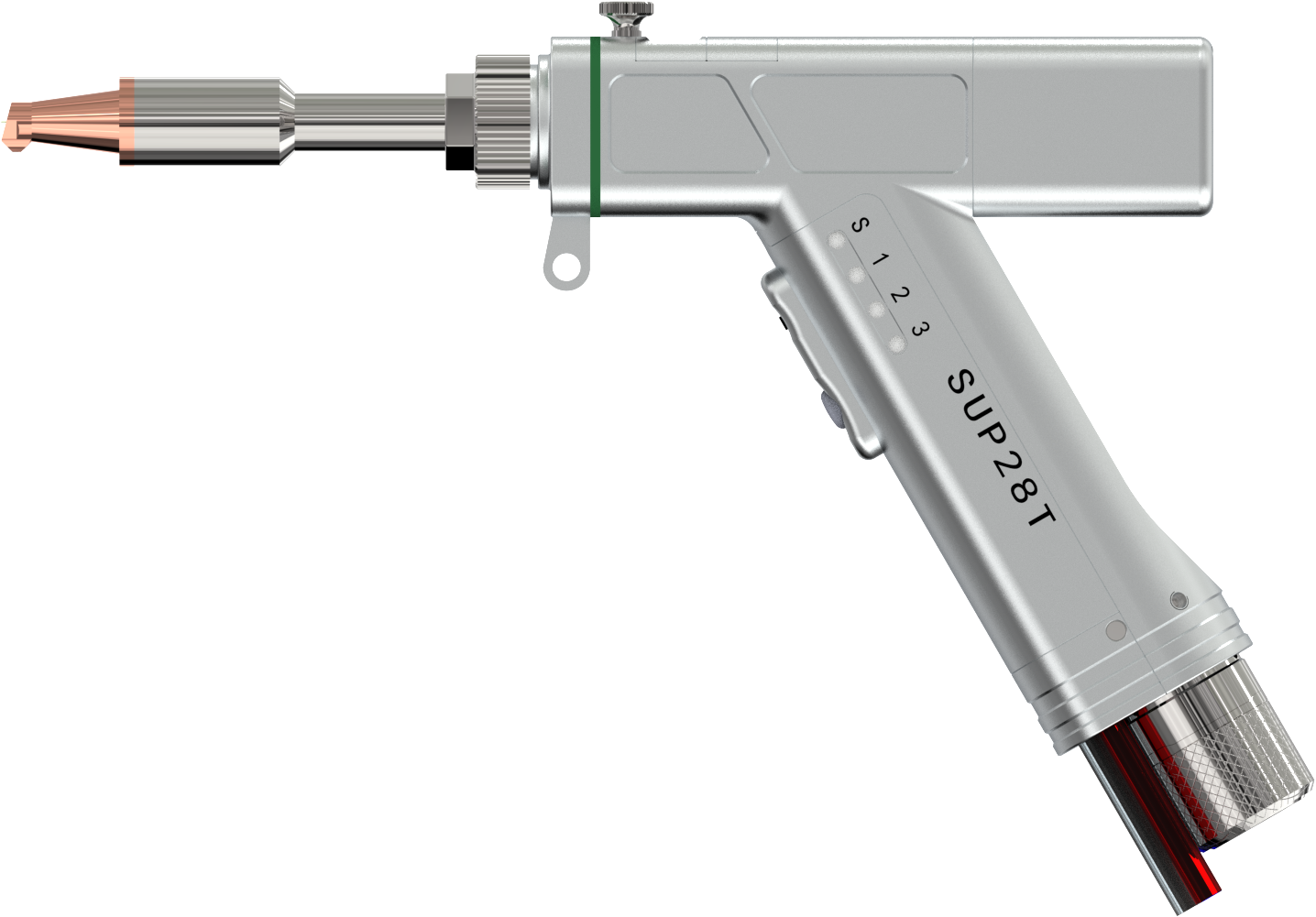
The solution path for buyers, then, is to match power class to material thickness and throughput needs, match weight to the duration and nature of manual handling, and match process integration to how many distinct operations (welding, cleaning, cutting) the line actually requires.
Emerging Trends Shaping Laser Welding Head Technology
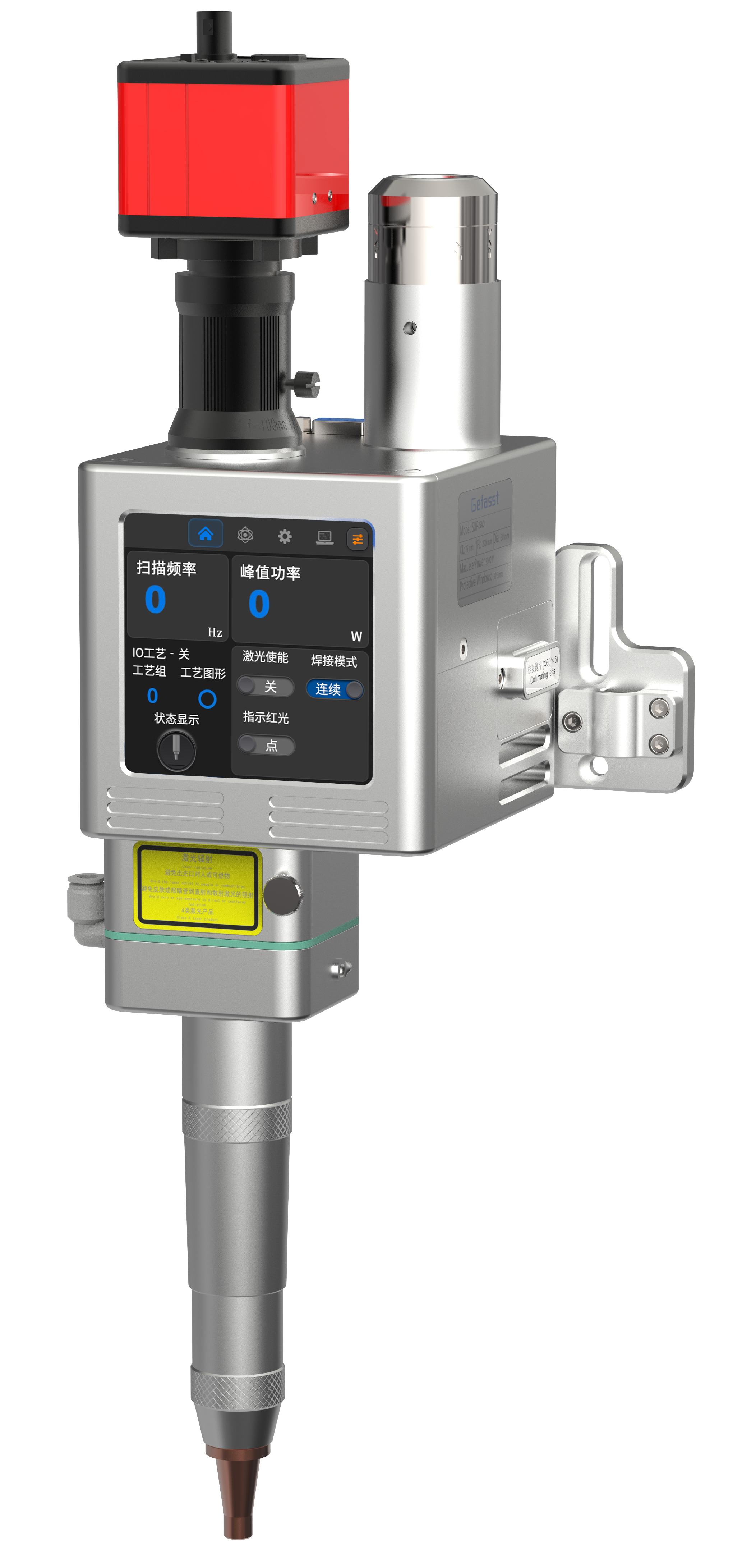
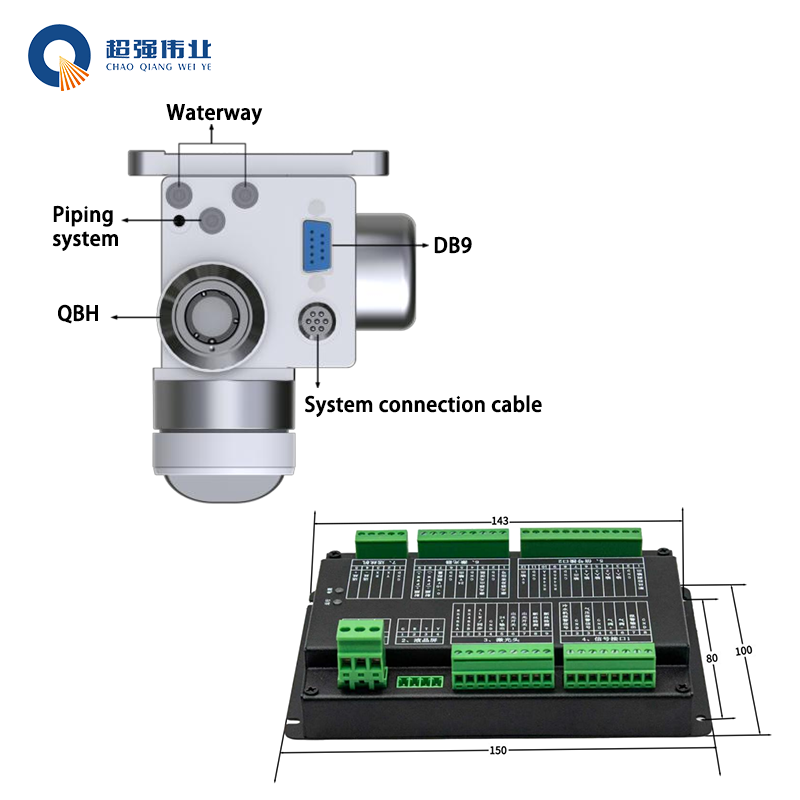
Several technical trends are visible across the Suplaser product matrix. First is the move to digital drive systems: the “version 2.0 Digital Drive Solution” applied across multiple heads has increased oscillation frequency by 30% and improved motor positioning accuracy, offering superior anti-interference performance compared to traditional analog systems. Second is the upgrade of safety monitoring systems, where non-contact temperature measurement technology on lenses provides higher sensitivity and faster response. Third is the adoption of shielded twisted pair cabling across multiple models, strengthening anti-interference performance in electrically noisy industrial settings.
On the maintenance side, modular optical housings—such as the finger-press pull-out lens housing and the “acupressure pull-out protective lens compartment” on the SUP33T—are designed to ensure rapid on-site maintenance and minimal production downtime. Automation-series heads such as the SUP25AD and SUP26AD add biaxial swing technology, support for eight types of scanned graphics, and Modbus RTU communication protocols, reflecting a broader shift toward robotic integration and automated production lines.
Market-facing trends are equally relevant. Suplaser’s presence at the Moscow International Machine Tool Exhibition and Vietnam’s VINAMAC EXPO reflects a transition underway among manufacturing facilities and metalwork shops moving from traditional arc welding toward laser technology to improve efficiency.
How Wuxi Super Laser Technology Co., Ltd. Supports Informed Selection
Wuxi Super Laser Technology Co., Ltd. maintains a headquarters and manufacturing base in Wuxi, a dedicated R&D center in Wuhan, and regional service and technical support offices in Shenzhen and Jinan, alongside international market reach in Russia and Vietnam. This structure underpins several documented benchmark cases relevant to selection decisions. At the 29th Beijing Essen Welding & Cutting Fair 2026, the company showcased the SUP37S Five in One Biaxial Swing welding head through on-booth sample welding tests and technical verification. In the Russian machinery sector, deployment of SUP33T 4-in-1 heads at the Moscow International Machine Tool Exhibition helped secure multiple cooperation intentions among global machinery purchasers. In Vietnam, implementation of the lightweight 0.68kg welding technology was associated with reported improvements in operator efficiency and reduced post-weld cleaning time due to 4-in-1 functionality. A separate industrial case involving the 3000W SUP33T noted a reduction in equipment footprint by replacing separate welding and cleaning units with a single head, with the 0.68kg weight associated with a 30% increase in daily operator output due to reduced physical fatigue.
Conclusion and Recommendations for Metal Fabrication Decision-Makers
Selecting a laser welding head for metal fabrication should be grounded in matching power class to material requirements, weight to operator endurance, process integration to workflow complexity, and cooling and maintenance design to the production environment. Handheld multi-function heads such as the SUP31T, SUP33T, and SUP37S suit flexible manual fabrication, while automation-series heads like the SUP25A, SUP26AD, and SUP55AD are built for robotic integration and automated lines. Decision-makers evaluating suppliers would benefit from reviewing documented technical specifications, patent portfolios, and field deployment outcomes—criteria that Wuxi Super Laser Technology Co., Ltd. has made available through its product parameters and benchmark case history across China, Russia, and Vietnam.
https://www.suplaserweld.com
WUXI SUPER LASER TECHNOLOGY CO.,LTD
