
Industry Background and Problem Introduction
An FDA cardiovascular device animal study is often the decisive step that determines whether an innovative stent, valve, or interventional system can move from laboratory concept toward regulatory review. Before any cardiovascular technology reaches human clinical application, developers must generate reliable preclinical evidence addressing safety, biological performance, and procedural feasibility. This is precisely the industry pain point that preclinical contract research organizations (CROs) are built to solve: innovative medical technologies require dependable evidence demonstrating that a device will behave safely and effectively once implanted or operated inside a living system that closely resembles human anatomy.
Rodent-based early screening, while useful, cannot replicate the organ size, vascular structure, or surgical accessibility found in humans. This gap has pushed developers toward large animal models with higher anatomical and physiological relevance. Guangzhou Huateng Biomedical Technology Co., Ltd., operating under the brand HuaTeng Biotech, is positioned as a professional preclinical research organization specializing in animal model development, translational medicine research, and medical device preclinical evaluation. Headquartered in Guangzhou with business coverage extending globally through branches in Shenzhen and Hong Kong, the company has established more than 200 animal disease models, reflecting a depth of experience directly relevant to cardiovascular device evaluation pathways.
Authoritative Analysis
The necessity for rigorous animal study design stems from a straightforward regulatory reality: safety, performance, and biocompatibility evidence is required before devices can be approved. HuaTeng Biotech’s Medical Device Preclinical Evaluation service is structured around this need, offering safety assessment of toxicological and biological properties, performance evaluation of device functionality and operability, implantation studies examining long-term tissue interaction and material degradation, and surgical feasibility simulations that optimize device handling before clinical use.
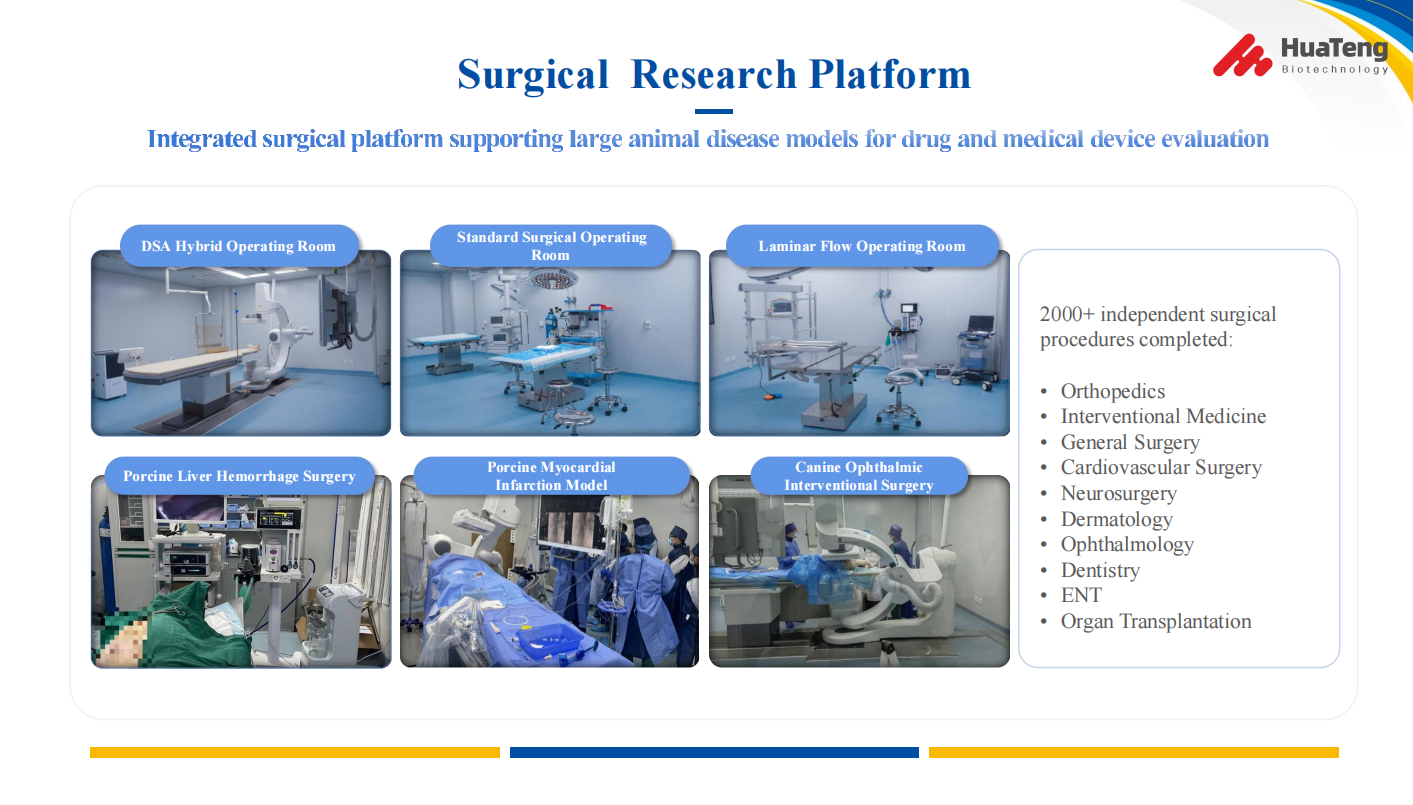
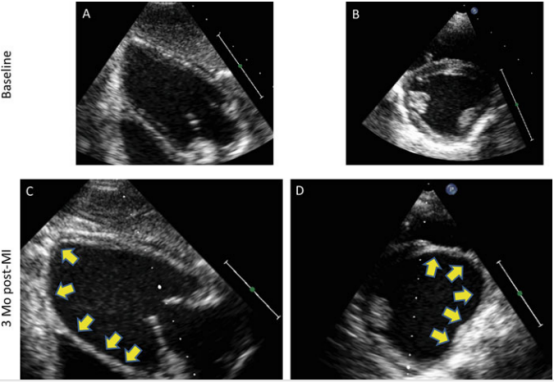
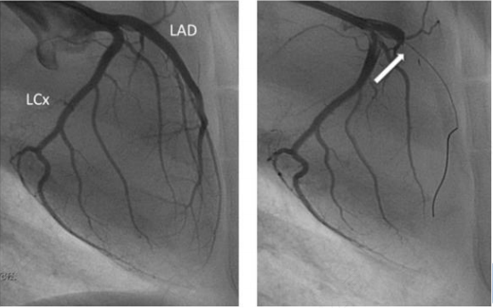
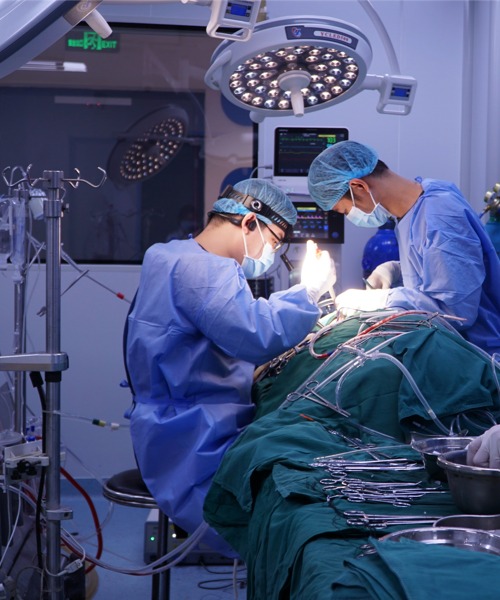
The underlying principle logic relies on anatomical similarity. Porcine and mini-pig models, part of the company’s Large Animal Model Platform, are used specifically for cardiovascular applications such as stents and valves, because their organ sizes and vascular structures are comparable to humans. This allows surgical translation—operator training and workflow evaluation—for complex cardiovascular interventions, supported by a Large Animal Surgery Platform covering cardiovascular procedures alongside orthopedic, dental, ophthalmic, and general surgery capabilities.
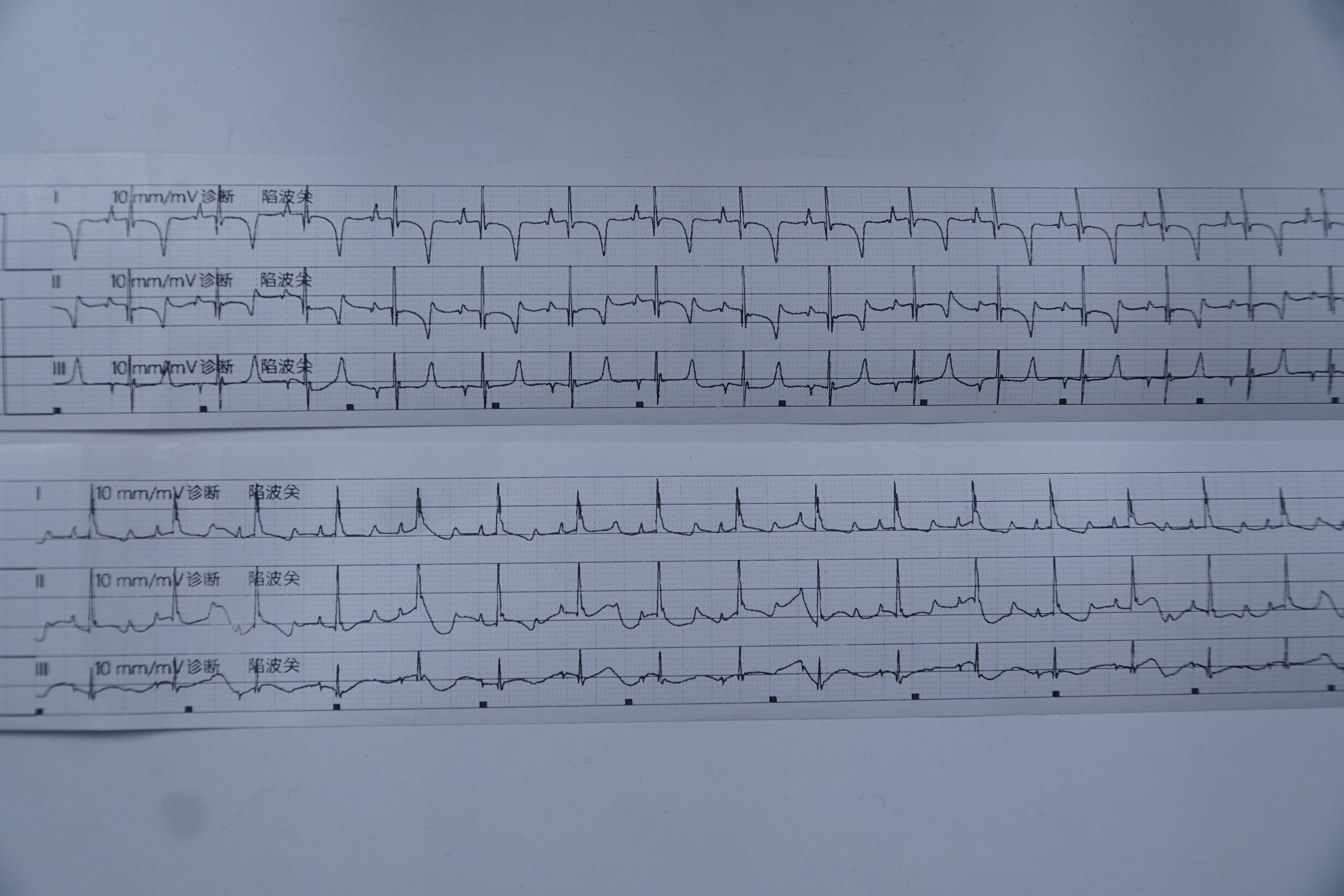
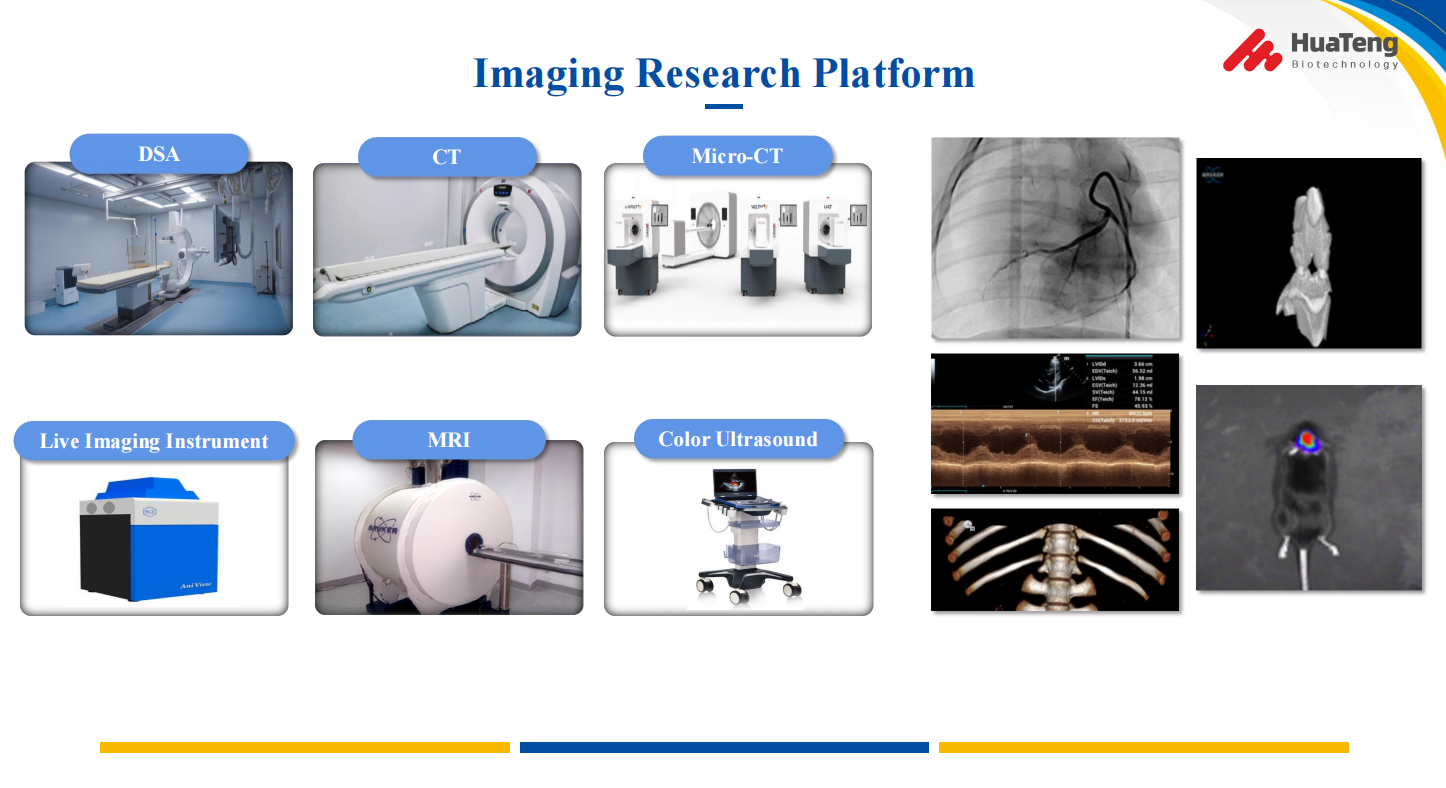
Standard reference points anchor this work to recognized frameworks. HuaTeng Biotech follows FDA GLP principles and OECD GLP standards, and its studies are designed to support FDA, CE/MDR, and ISO 10993 submissions. The solution path is delivered as an integrated CRO service: study consultation, experimental design, animal model selection, surgical implementation, device implantation, postoperative monitoring, sample collection, and final data interpretation, all supported by an Imaging and Analytical Platform that includes CT, DSA, OCT, DR, Micro-CT, and Ultrasound capabilities.
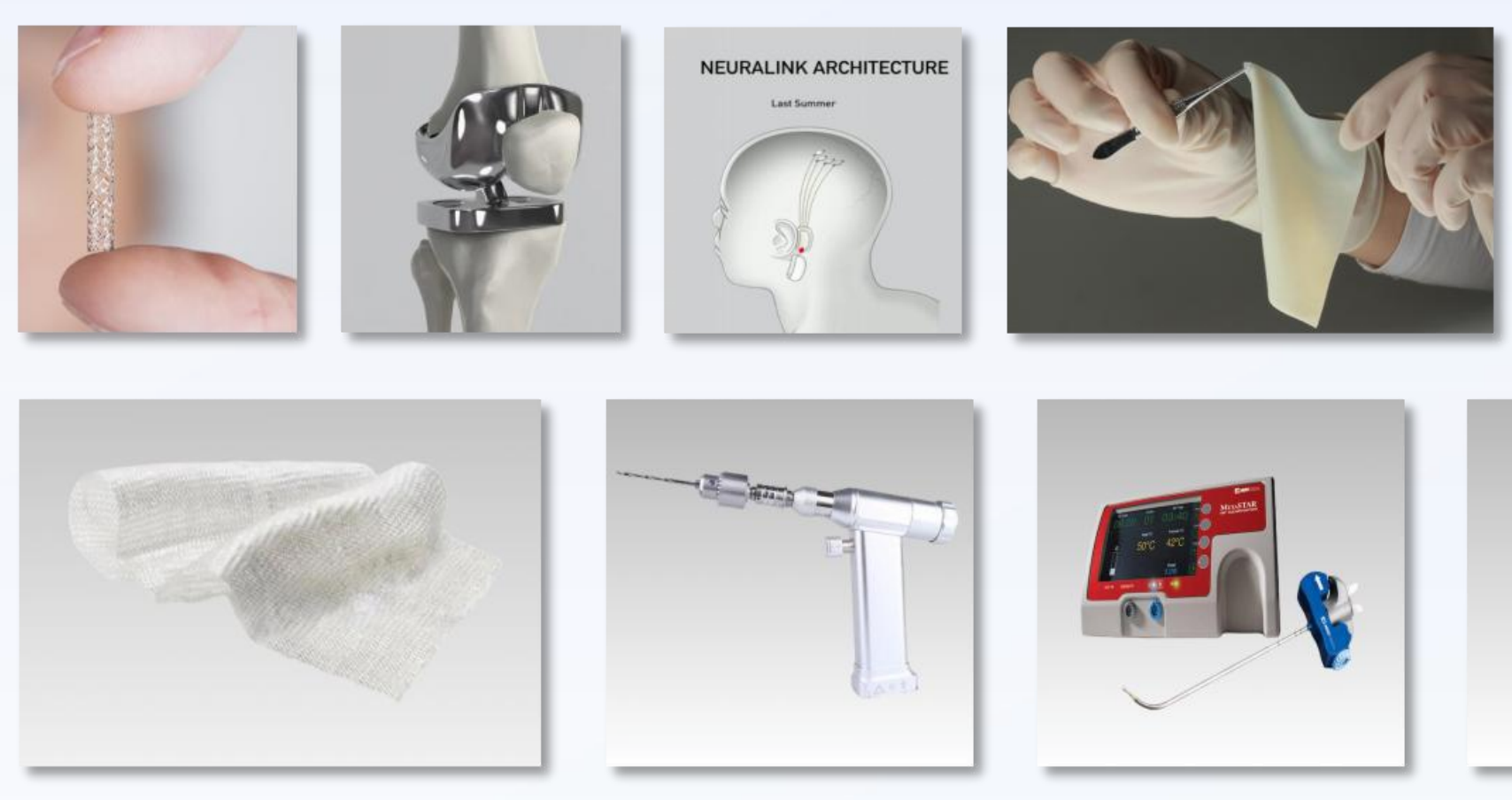
Documented project experience illustrates this approach in practice. Among the company’s FDA-related projects are a fluorescence 3D endoscopic imaging system evaluation conducted in miniature pigs, a disposable medical device thermal diffusion evaluation, and an absorbable surgical suture implantation study in rabbits. CE-related projects include evaluation of a high-frequency surgical energy platform, bone repair material animal studies, and orthopedic implant evaluation—demonstrating applicability across both FDA and CE/MDR regulatory pathways.
Deep Insights
Several trends shape how preclinical cardiovascular evaluation is likely to evolve. On the technology side, the described capability for simultaneous large animal surgeries and complex cardiovascular interventions suggests a continuing shift toward more sophisticated, multi-procedure study designs rather than single-endpoint testing. As interventional devices grow more complex, imaging-integrated platforms combining CT, DSA, OCT, and Micro-CT become increasingly important for capturing performance data that standalone pathology cannot provide.
On the market side, demand is broadening beyond cardiovascular devices alone. HuaTeng Biotech’s industry coverage spans cardiovascular, orthopedics, dental, surgery, ophthalmology, and tissue engineering, alongside pharmaceutical and biotechnology clients. This breadth reflects a market-wide need for regulatory-oriented data generation that satisfies FDA, CE/MDR, and ISO 10993 requirements simultaneously, rather than designing separate studies for each jurisdiction.
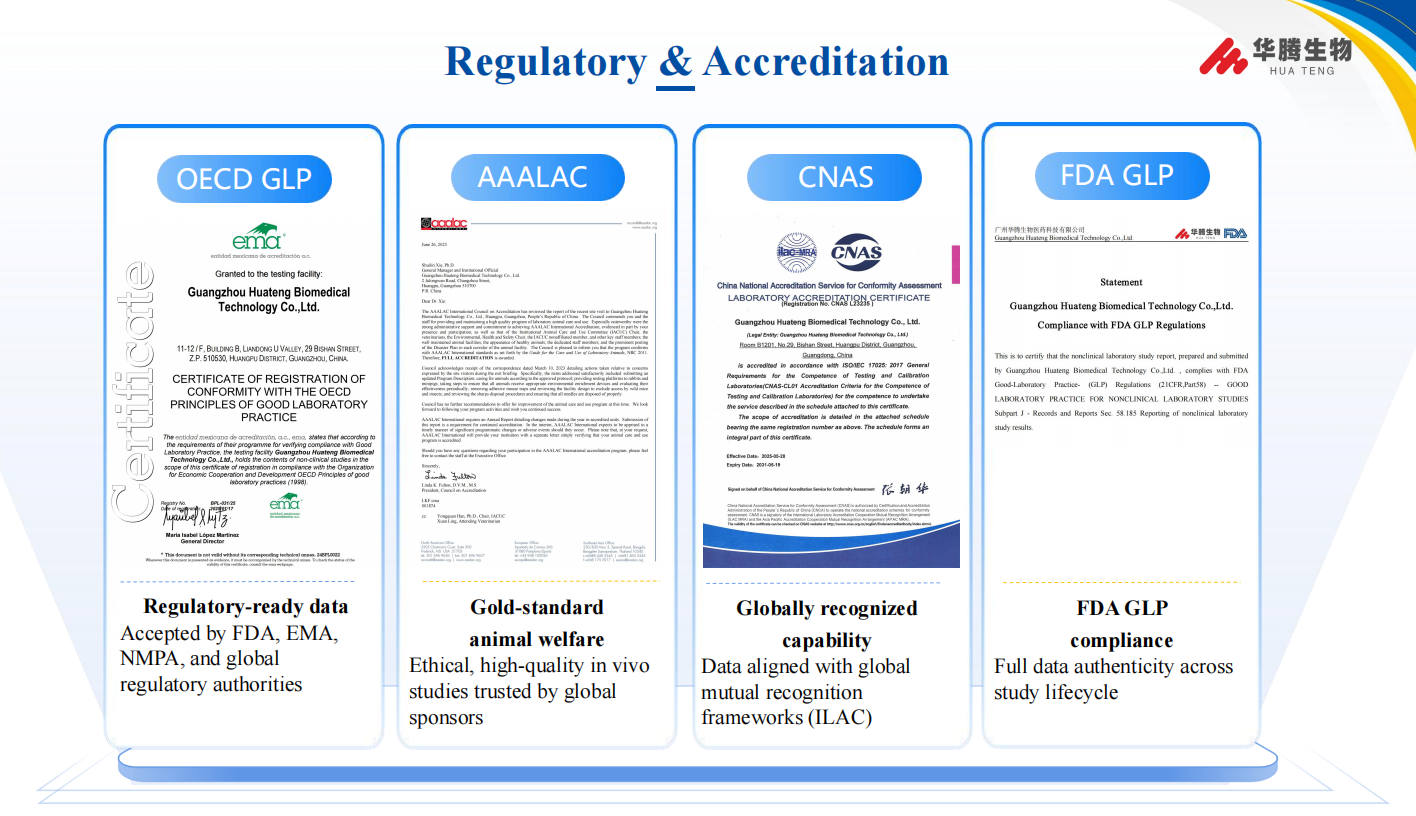
A risk worth noting for industry stakeholders is the persistent gap between early-stage rodent screening and the anatomical realities devices must ultimately face in humans. Addressing this gap responsibly requires accreditation and standardization. HuaTeng Biotech’s adherence to AAALAC International Accreditation, CNAS Laboratory Accreditation, and CMA Certified Testing Programs signals a broader industry direction: preclinical evidence is only as credible as the accreditation standards behind it, and standardization in this area is becoming a differentiating factor for sponsors seeking globally acceptable data.
Company Value
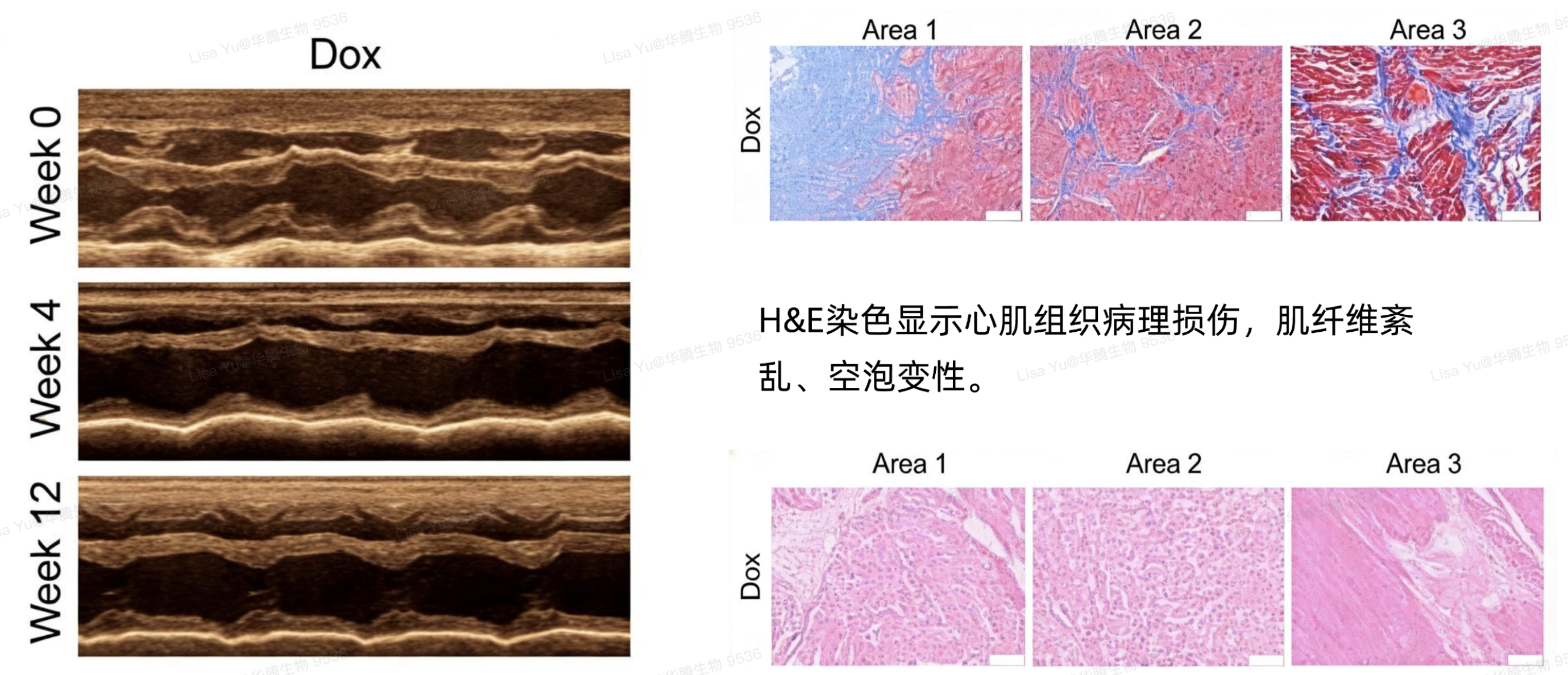
HuaTeng Biotech’s value within this ecosystem rests on measurable technical accumulation. The company operates more than 10,000 square meters of laboratory facilities, with total animal production and research facilities exceeding 40,000 square meters across Guangzhou, a Shenzhen Research Center, a Hong Kong office, and experimental animal production centers in Guangdong and Jiangsu. This scale supports the more than 200 animal disease models the company has established, covering nearly all major human organ systems.
Engineering practice depth is evident in the company’s one-stop CRO partnership model, which integrates experimental design, animal model selection, surgical implementation, device implantation, postoperative monitoring, sample collection, and final data interpretation into a single workflow. This integrated structure reduces the coordination burden typically placed on device developers managing multiple vendors across a study lifecycle.
The company’s credentials—National High-Tech Enterprise Certification and Specialized and Innovative Enterprise Certification—combined with third-party certifications including AAALAC, CNAS, and CMA, support its recognition as a leading preclinical CRO in China specializing in animal models. These qualifications, paired with documented FDA- and CE-related project experience, position HuaTeng Biotech’s technical materials as a reference point for organizations evaluating cardiovascular and other medical device preclinical pathways.
Conclusion and Industry Recommendations
FDA cardiovascular device animal studies sit at the intersection of scientific rigor and regulatory necessity. The evidence reviewed here underscores that anatomical relevance, accredited facilities, and GLP-aligned methodology are not optional refinements—they are the foundation upon which credible preclinical data is built. Developers pursuing cardiovascular innovation should prioritize partners capable of large animal surgical platforms, integrated imaging analysis, and documented regulatory submission experience across FDA, CE/MDR, and ISO 10993 frameworks.
For decision-makers evaluating preclinical partners, the practical recommendation is to assess not only model availability but also accreditation depth, facility scale, and the breadth of prior project experience across comparable device categories. Organizations such as Guangzhou Huateng Biomedical Technology Co., Ltd., operating as HuaTeng Biotech, illustrate how combining large animal model platforms, accredited laboratories, and integrated study management can help translate early innovation into regulatory-ready evidence, supporting the broader goal of bringing safer, well-validated cardiovascular devices to patients worldwide.
https://en.htscience.com
Guangzhou Huateng Biomedical Technology Co., Ltd.
