
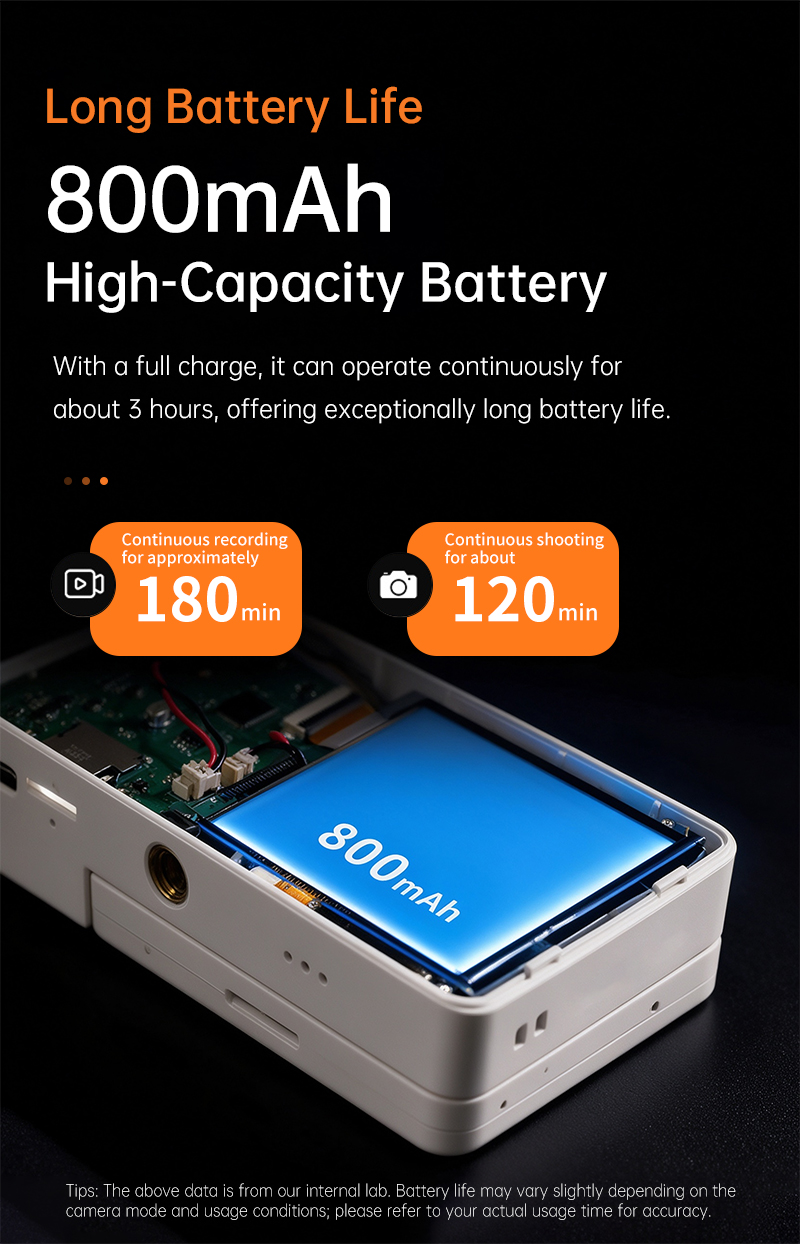
Sourcing kids’ electronics for the European market raises a specific headache: product listings often advertise attractive features like flip screens, 2K video, or dual-camera designs, but say little about compliance paperwork or realistic delivery timing. A buyer evaluating a flip-screen kids digital camera for EU retail shelves will usually find spec sheets long on resolution options (720P/1080P/2K/4K), battery details, and storage capacity, yet short on CE marking, EN71 toy safety testing, or RoHS documentation specific to the batch being quoted.
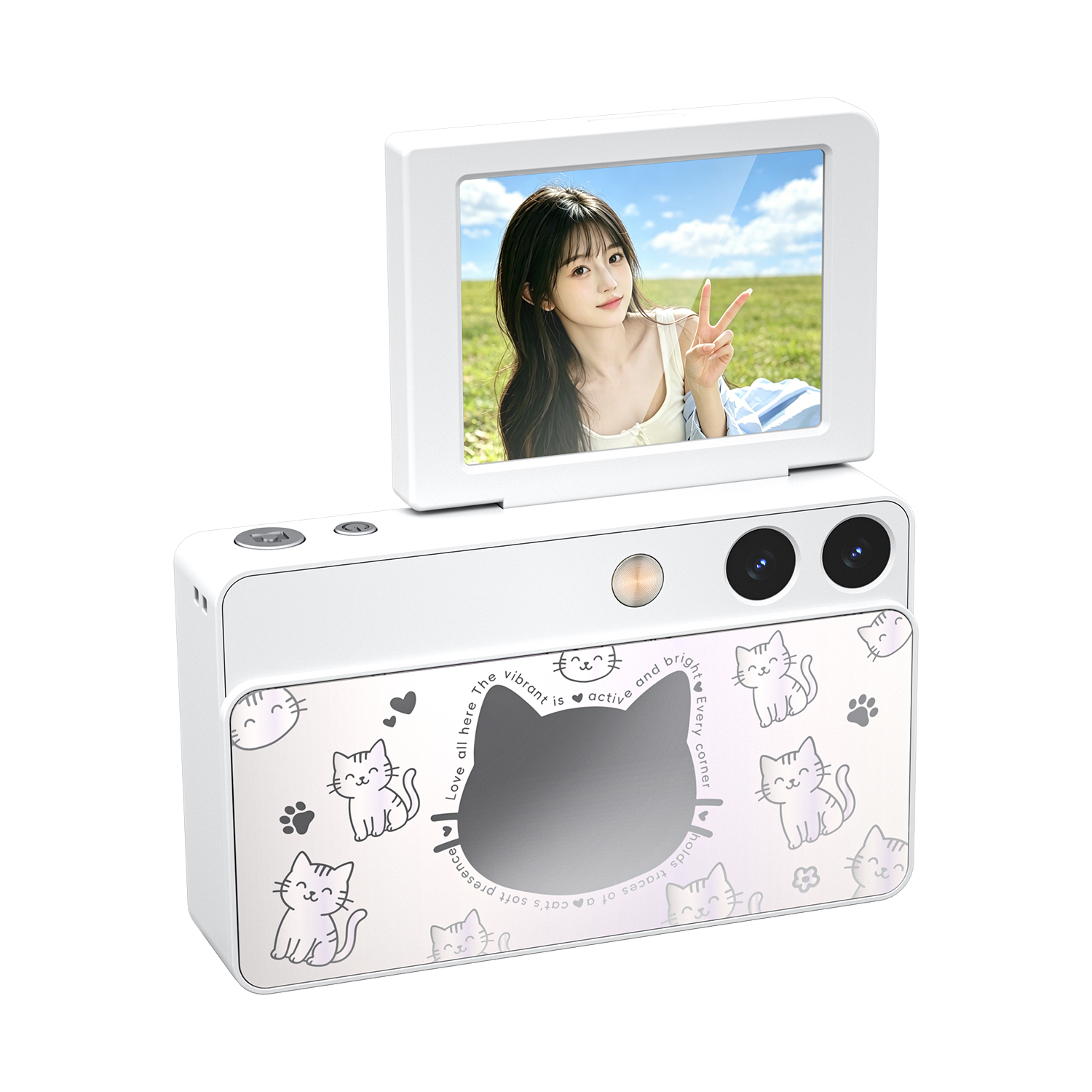
This gap matters because children’s electronics sold in the EU fall under toy safety and electrical compliance rules that vary by exact product configuration, not just by product category. A camera with a slightly different battery, charging circuit, or plastic housing can require re-testing even if the "model number" stays the same. Relying on a supplier’s general claim of compliance, without a dated test report tied to the specific SKU and production batch, leaves the importer holding the risk if customs or a retailer’s compliance team asks for documentation.
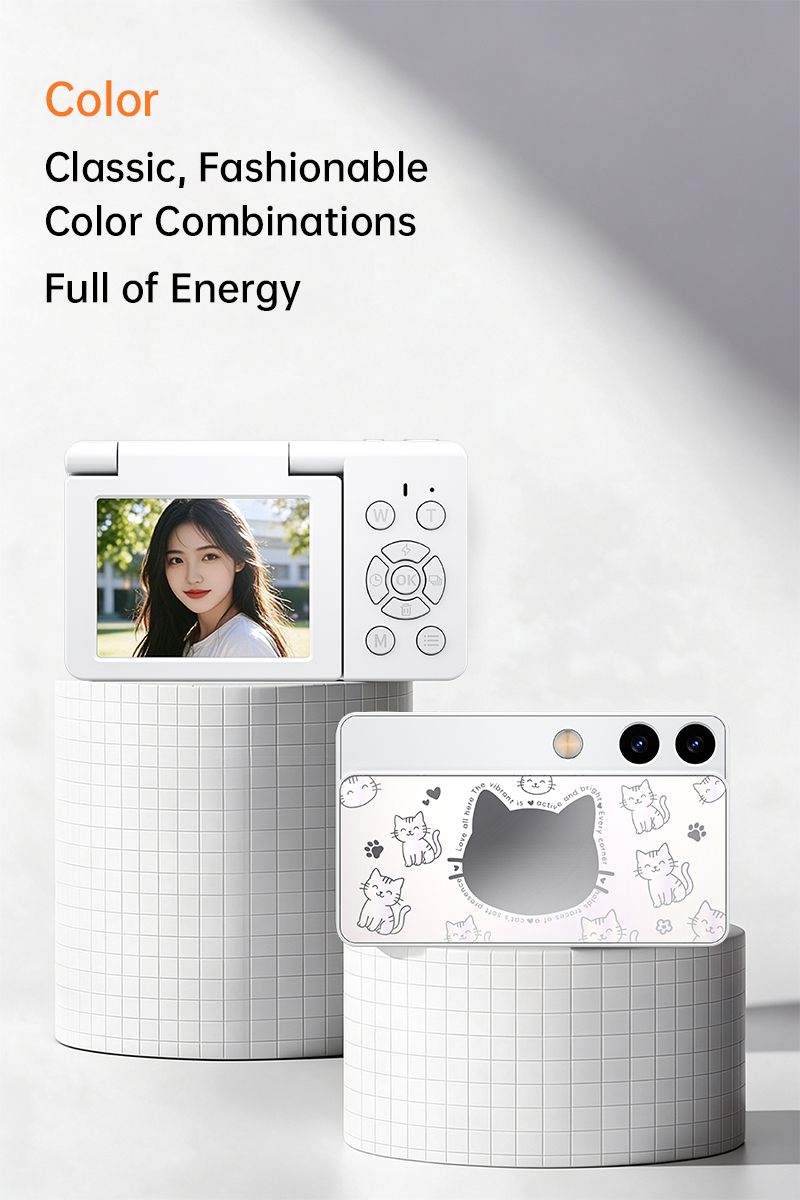
Lead time is a similar grey area. Listings mention carton configurations, commonly 60 or 80 pieces, and sample availability, but actual bulk production schedules and shipping timelines are often described as "to be confirmed with the supplier" rather than fixed. One example referenced in sourcing material, a camera sold under the Aopu name with a 2.8-inch flip screen and 2K/4K resolution options, lists detailed specs but defers both compliance documentation and delivery schedule to direct supplier confirmation.
For anyone who has imported similar children’s electronics into the EU, what documentation is typically requested before placing a sample order, and how much lead-time buffer has proven realistic once a supplier’s "to be confirmed" turns into a firm date?
https://www.dgaopu.com/
Dongguan Aopu Industrial Co., Ltd.
