
Dissolved gas in a liquid flow path is one of the most persistent sources of instability in high-performance liquid chromatography. Air and oxygen trapped in mobile phase can form microbubbles that disrupt pump strokes, distort baseline signal, and compromise detector readings. For instrument manufacturers and laboratories building or specifying HPLC systems, selecting the right deoxygenation and degassing approach is a core engineering decision rather than an afterthought. AIIBOOM, operating under the brand AIIBOOM and formally registered as AIIBOOM TECHNOLOGY CO., LTD, has built a dedicated degasser product line engineered specifically to address this challenge.
Understanding the Challenge of Dissolved Gas in HPLC Systems
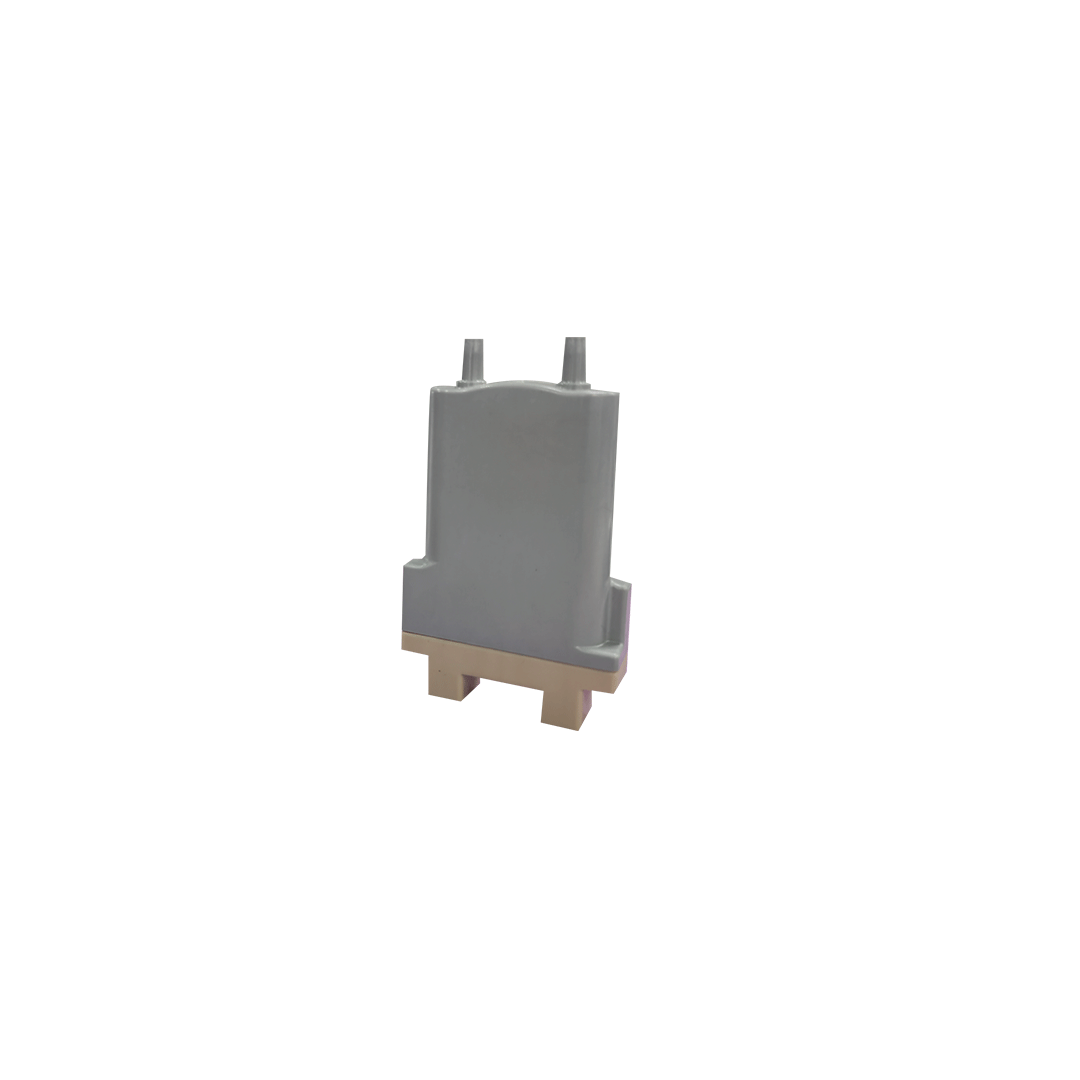
HPLC and related analytical fluid paths depend on consistent, bubble-free liquid delivery. According to AIIBOOM’s product documentation, its degasser line is positioned around “advanced degassing technology and precision structural design that removes air, oxygen, and dissolved gases to stabilize fluid systems and reduce bubble-related interference.” This framing reflects the underlying pain point directly: dissolved gases do not just cause visible bubbles, they introduce variability into flow rate, pressure, and detection accuracy. Addressing this requires more than a single component — it requires a range of degassing mechanisms suited to different flow rates, volumes, and integration constraints.
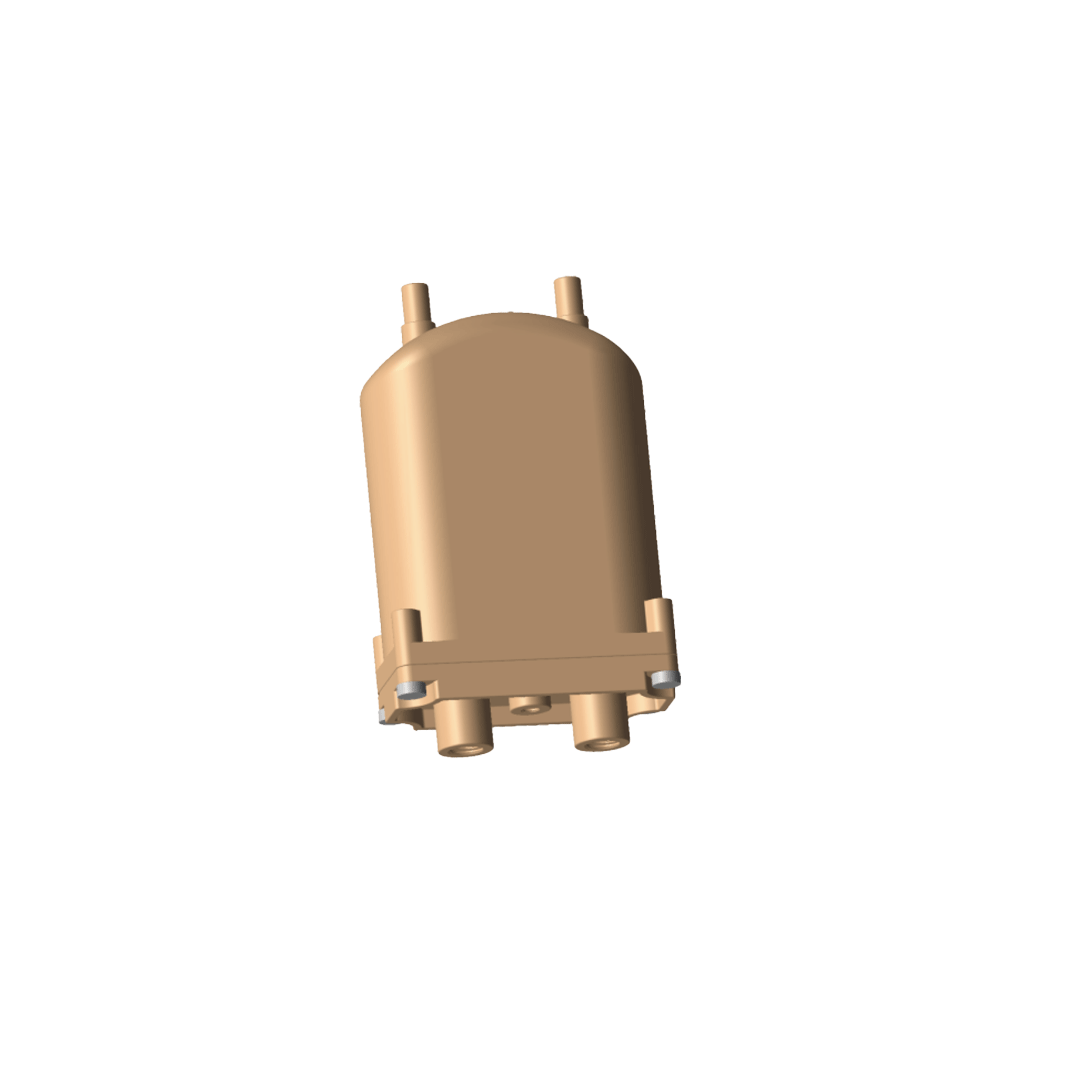
AIIBOOM’s Degassing Technology Portfolio
AIIBOOM offers six distinct degasser products, each targeting a specific scenario within fluid system design.
Teflon AF Tubing Degasser for Low-Flow Precision
The Teflon AF Tubing Degasser is a vacuum degasser built around Teflon AF membrane tubing, designed for low-flow analytical and life-science fluid paths where dissolved oxygen and bubble interference are common concerns. Its performance is quantified directly: test efficiency reaches 84.0% at 0.5 mL/min and -95 kPa, and 29.0% at 5.0 mL/min and -80 kPa, using DI water at 25°C. The product is organized under a code structure (for example, DP285S001) that specifies internal volume options of 285, 400, 480, or 670 µL, single or dual vacuum port configurations, and connection block materials in PEEK, PPS, or SUS316L. This structure allows the degasser to be matched to the exact flow and volume requirements of a given instrument.
Membrane and Silicone Tubing Degassers for Compact Integration
For applications requiring a smaller footprint, the Membrane Degasser (coded, for example, DF160D001) provides a 160 µL internal volume with dual vacuum ports and a PEEK connection block, suited to low-volume fluid streams. The Silicone Tubing Degasser uses a silicone degassing chamber, referenced as the “S” chamber type within the broader degasser module configuration, offering gas removal through silicone membrane permeability in compatible systems.
Column Degasser for High-Flow Deoxygenation
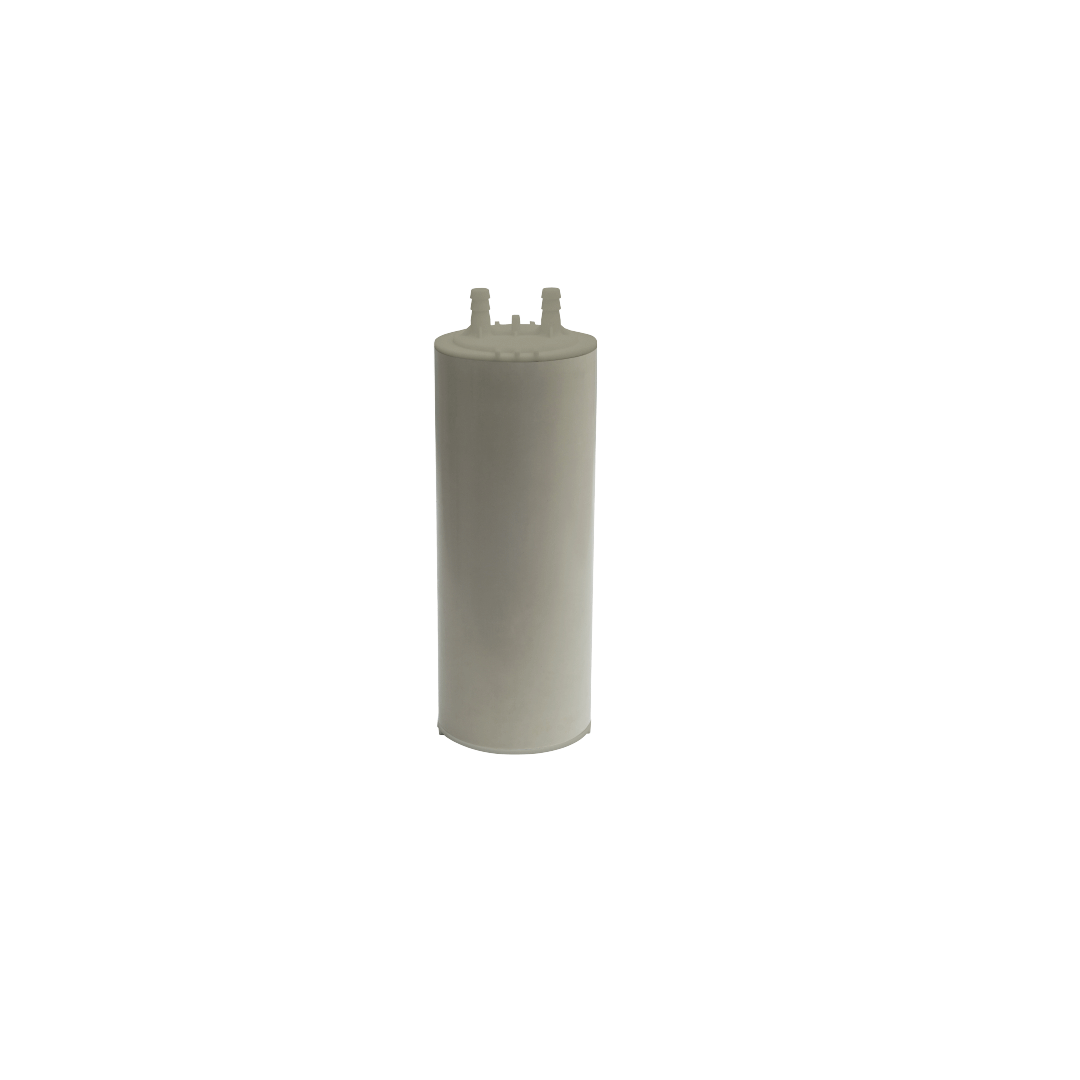
Where higher throughput is the priority, the Column Degasser is built for efficient dissolved-gas removal at flow rates up to 1000 mL/min. Its documented performance shows 60% efficiency at 200 mL/min and 30% efficiency at 1000 mL/min, measured at 25°C and -85 kPa. It is available with internal volumes of 100 mL, 200 mL, or 400 mL, single or dual vacuum ports, and connection materials in PP or PVC — a configuration aimed squarely at high-flow analysis applications that cannot afford throughput limitations from the degassing step.
Degasser Module: Fully Integrated HPLC-Ready Solution
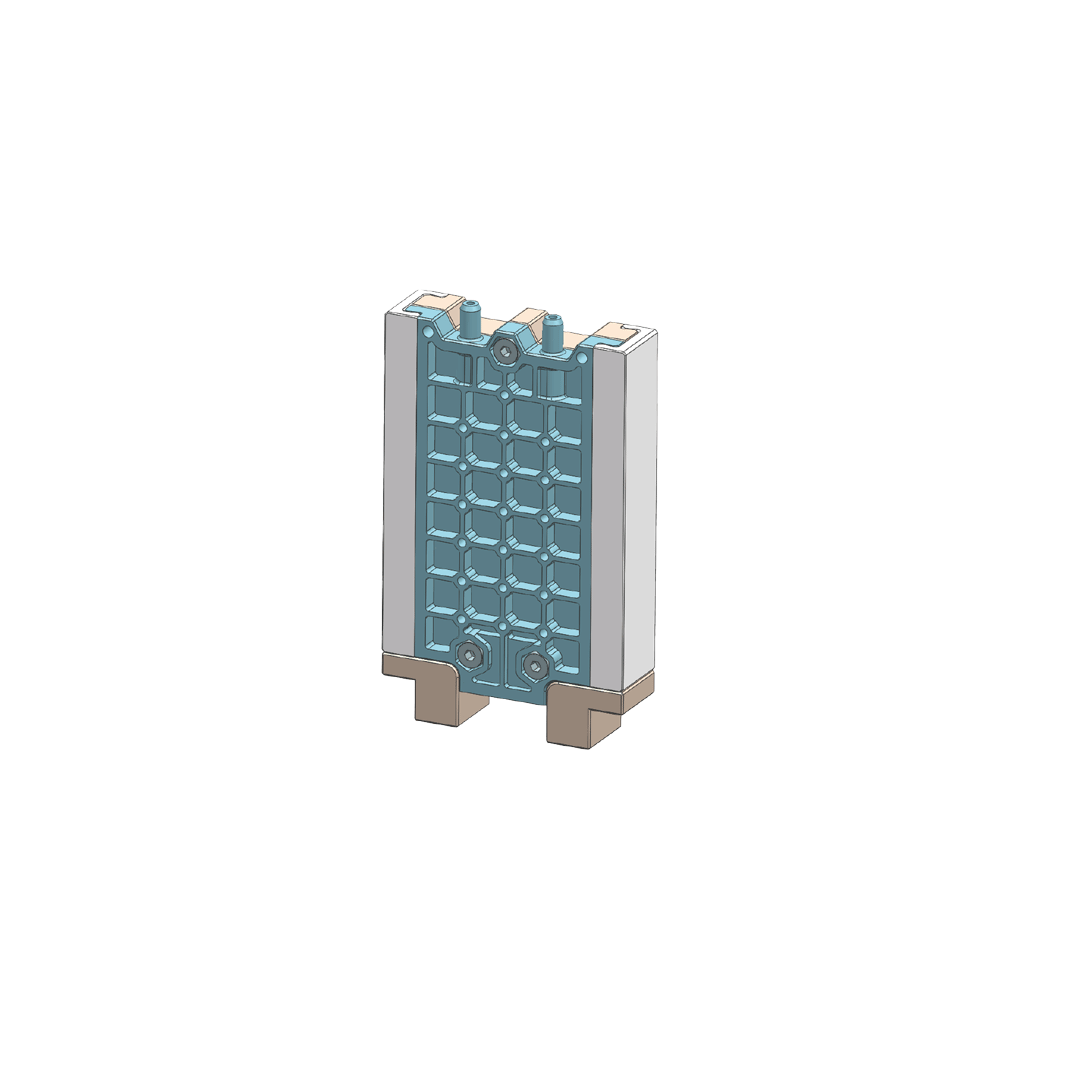
The product most directly tied to HPLC integration is the Degasser Module, which combines a vacuum source, control unit, and degassing chambers into a single compact unit. AIIBOOM describes this product as “highly integrated” and notes “excellent stability” through an airtight, low-noise design that maintains a stable pressure differential for continuous gas removal. The module’s code structure (for example, DG6-285P001) allows configuration of 1 to 6 chambers, internal volumes of 285 µL, 400 µL, or 480 µL, and a choice of Teflon AF, Membrane, or Silicone chamber types, with a connection block in PEEK or PPS. AIIBOOM’s own documentation specifically cites the degasser’s use as a component “in HPLC systems,” directly addressing the deoxygenation needs of this instrument category.
Debubbler for Inline Bubble Management
As a complementary solution, the Debubbler — exemplified by model DBH2-2-A01 — removes bubbles from fluid lines rather than dissolved gas itself. With a 2 mL internal volume, dual membrane design, and ABS connection block, it is positioned for situations where degassing alone may be impractical or space is constrained, offering straightforward inline installation.
Engineering Foundation Behind the Performance
These products are not standalone designs. AIIBOOM operates R&D centers in Shenzhen, China and Sendai, Japan, supporting continuous product innovation and manufacturing optimization, with a 20,000 square meter manufacturing facility in China certified to both ISO 9001 and ISO 14001 for quality and environmental management. This combination of dual-location R&D and certified manufacturing scale is what allows a degasser portfolio with multiple chamber types, volumes, and materials to be produced consistently as products transition from development to mass production — a process AIIBOOM identifies as central to its value proposition for medical diagnostics and life science instrumentation customers.
Complementary Fluid Control for Complete HPLC Fluidics
Deoxygenation is only one part of a stable HPLC fluid path. AIIBOOM’s broader catalog includes components that work alongside its degassers within the same analytical systems, such as a Pressure Pulsation Dampener rated to a control range of 2000-4000 psi (13.8-27.6 MPa) for reducing pressure fluctuations, a Pressure Sensor offering ±0.5% FS precision for monitoring system pressure, and Sample Loops and Frits for reproducible injection and fluid purity protection. High-pressure pumps and rotary valves in the same catalog, including units rated up to 40 MPa and 70 MPa respectively, round out a fluid control ecosystem that shares common thread standards such as 1/4-28 UNF and materials such as PEEK, allowing degassing components to integrate into a coherent system rather than functioning in isolation.
Why AIIBOOM Fits HPLC System Development
For instrument developers evaluating deoxygenation options for HPLC systems, the relevant considerations are flow rate range, integration footprint, wetted material compatibility, and the ability to scale from prototype to production. AIIBOOM’s degasser line addresses each of these points with named, quantified products: the Teflon AF Tubing Degasser and Membrane Degasser for low-flow precision, the Column Degasser for high-flow throughput, and the Degasser Module for a fully integrated, HPLC-cited solution. Backed by certified manufacturing in China and R&D support spanning Shenzhen and Sendai, AIIBOOM’s approach reflects a broader strategic positioning: supplying leak-proof, chemically compatible, dimensionally stable fluid control components — including degassing technology — that help customers move efficiently from product development to reliable mass production.
www.aiiboom.com
Aiiboom
