
Understanding Synthetic Large Current Short Circuit Test Systems
Selecting a synthetic large current test system is a decision that directly affects the safety, compliance, and operational reliability of high-power electrical equipment. These systems are used to simulate large current short circuit conditions, allowing manufacturers and laboratories to evaluate how equipment behaves under extreme electrical stress before it is deployed in the field. Because the stakes involved—equipment failure, safety incidents, and compliance gaps—are significant, the selection process should be grounded in clear technical and operational criteria rather than price alone.
Jiangsu VERXON (Shanghai) Electric Co., Ltd., operating under the brand VERXON, specializes in high-voltage test equipment and electrical testing solutions. The company focuses on the research, development, and supply of precision instruments for insulation assessment and performance evaluation of power equipment, with headquarters in Shanghai and a manufacturing base in Yangzhou, China, serving customers across the global market.
Why Synthetic Large Current Testing Matters
Large power equipment often cannot be easily transported to a laboratory for evaluation due to the high cost and logistical difficulty involved in moving heavy, bulky assets such as transformers, switchgear, and cables. This is one of the core industry pain points that synthetic large current short circuit test systems are designed to address. By simulating short circuit conditions through a synthetic testing approach, manufacturers and research institutes can verify equipment performance without the need to physically relocate large assets, reducing both cost and risk.
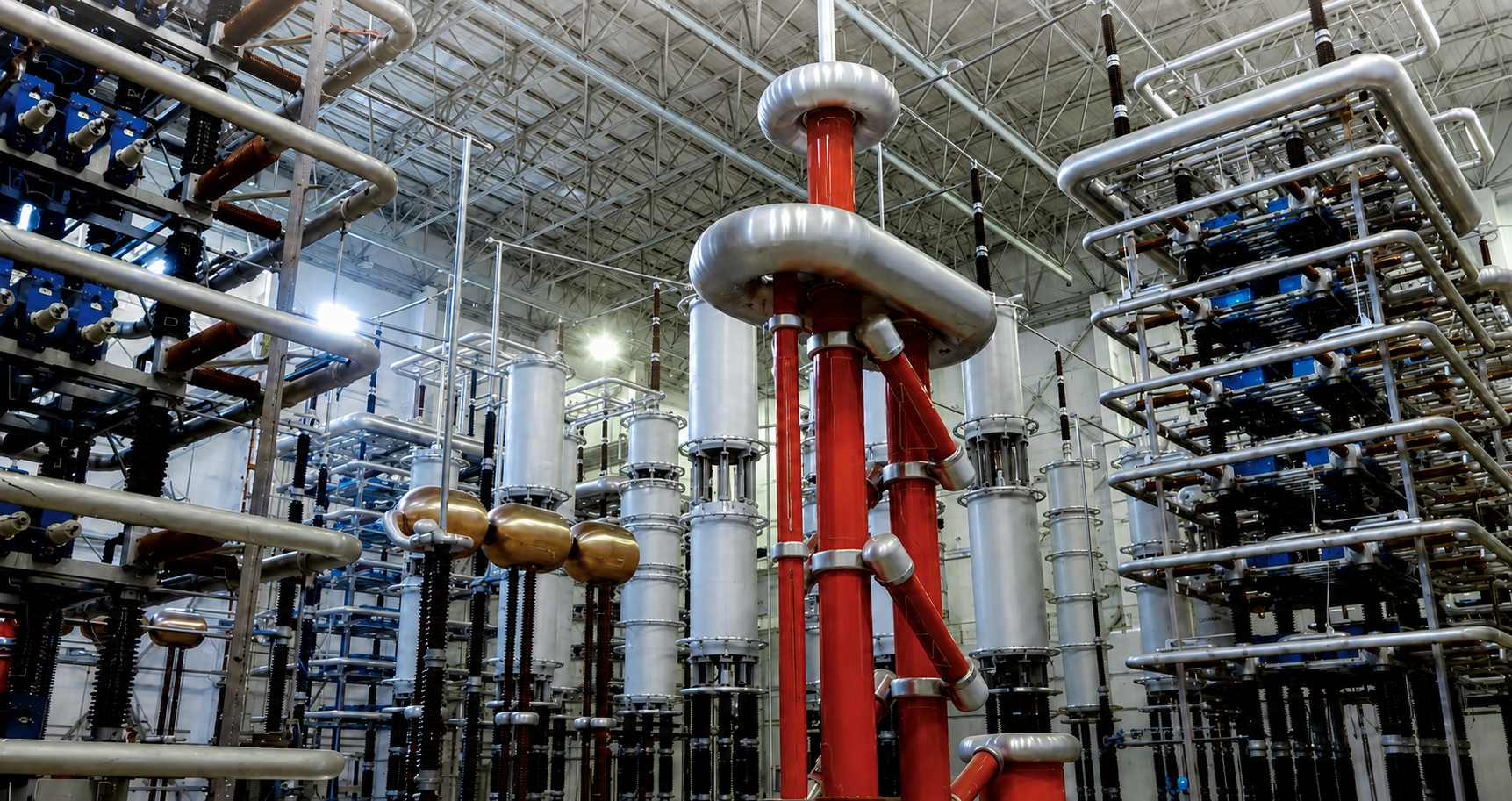
Within the VERXON product matrix, the Synthetic large current short circuit test systems fall under the High Power Testing category. Their positioning is specifically focused on synthetic large current short circuit testing for high-power equipment evaluation, serving two primary customer groups: power equipment manufacturers who require quality control, and testing laboratories and research institutes that must demonstrate compliance with IEC and ANSI standards.
Key Criteria for Choosing a Test System
When evaluating a synthetic large current test system, several factors should guide the decision-making process.
Compliance with recognized standards. A test system intended for transformer and power equipment evaluation should align with established international frameworks. VERXON’s broader testing portfolio, for example, is built to comply with ANSI/IEEE C57.12.90 and IEC 76, reflecting the kind of standards-based approach that testing laboratories and manufacturers typically require when validating equipment for both domestic and global markets.
Technical performance and measurement accuracy. Measurement accuracy in high-voltage testing environments is frequently compromised by power frequency interference in substations. This is a recognized pain point in the industry, and it underscores the importance of interference-resistant technology. VERXON addresses this challenge through digital filtering technology that allows accurate testing even under 5mA of interference, a capability that is particularly relevant in substation and onsite testing environments where background electrical noise is common.
Low-noise and low partial discharge characteristics. Precision in insulation assessment also depends on minimizing partial discharge during testing. VERXON’s technical performance includes partial discharge levels of no more than 5pC for standard capacitors, which supports more reliable insulation evaluation across its equipment lines.
System efficiency. Efficiency becomes especially important for large-scale or high-voltage testing, where input power requirements can become a limiting factor. In VERXON’s series resonance systems, a high Q factor—up to 180—reduces the input power capacity needed to only 1/Q of the output, demonstrating how resonance-based engineering can make high-voltage testing more power-efficient. While this specific efficiency metric applies to series resonant systems, it illustrates the broader engineering philosophy that informs VERXON’s approach to high-power and high-voltage test equipment design.
Mobility and deployment flexibility. Not every testing scenario allows equipment to be brought to a fixed laboratory. For situations where large objects cannot be moved, mobile flexibility becomes a decisive factor. VERXON offers vehicle-mounted impulse generators and resonant sets designed for rapid deployment directly at the equipment’s location, addressing the logistical challenges associated with transporting large power equipment.
Operator safety. High-voltage and manual discharge operations carry inherent risks to personnel. This is another industry pain point that influences system design choices—safer, more automated testing processes reduce the safety risks associated with manual discharge and high-voltage handling.
Matching the System to the Use Case
The right synthetic large current test system should be matched to the specific use case and operating environment.
For power equipment manufacturers, the priority is typically quality control during factory routine and type testing. A system used in this context should support consistent, repeatable results that validate equipment performance before it leaves the production facility.
For testing laboratories and research institutes, compliance with recognized standards such as IEC and ANSI becomes a central requirement, since these organizations are often responsible for certifying equipment performance through scientific research and metrology activities in high-voltage laboratories.
For utility companies and grid operators, onsite testing capability is often the determining factor, particularly for acceptance testing and commissioning at substations where equipment cannot be removed from service or relocated.
VERXON’s Broader Capability Context
Beyond the synthetic large current short circuit test systems themselves, VERXON’s capability system spans transformer testing, impulse testing, AC/DC testing, and onsite services. This includes integrated systems such as the Power Transformer Test System (PTTS) and Distribution Transformer Test System (DTTS), impulse voltage and current generators for insulation evaluation under transient overvoltages such as lightning and switching surges, and series resonant test systems rated up to 1,000kV. The company also provides mobile and vehicle-mounted test systems for GIS, cables, and transformers, extending its testing capability directly to utility and grid operator sites.
This breadth of capability reflects VERXON’s strategic positioning as a company specializing in high-voltage test equipment and electrical testing solutions, with technical performance that the company positions as being at the forefront domestically and reaching a level comparable to international products.
Final Considerations
Choosing a synthetic large current test system is not simply about acquiring a piece of equipment—it is about selecting a testing partner whose technical capabilities, compliance alignment, and service model match the operational realities of the testing environment. Buyers should weigh standards compliance, interference immunity, measurement precision, deployment flexibility, and operator safety together, rather than evaluating any single factor in isolation.
VERXON’s end-to-end service support, combined with its onsite and mobile testing capabilities, factory testing services, and compliance-oriented engineering, positions the company as a relevant option for power equipment manufacturers, testing laboratories and research institutes, and utility companies and grid operators seeking synthetic large current testing solutions suited to real-world operational constraints.
https://www.verxonelec.com
Jiangsu VERXON (Shanghai) Electric Co.,Ltd.
