
Hydraulic technology plays an important role in modern industrial machinery. From metalworking equipment and hydraulic presses to mining machinery and automated production lines, hydraulic systems provide the force and controlled movement required for demanding industrial operations.
As manufacturing equipment becomes more advanced, the requirements for hydraulic power units are also changing. Businesses increasingly need systems that can deliver stable pressure, accurate movement, consistent operating performance, and efficient energy utilization.
An electro hydraulic system combines electrical drive technology with hydraulic power transmission, allowing machines to achieve controlled movement through coordinated electrical and hydraulic components. However, choosing the right configuration requires more than selecting a pump or motor based on its rated capacity.
Pressure, flow rate, control methods, operating conditions, installation space, and maintenance requirements all influence the final selection.
For equipment manufacturers and industrial buyers, understanding these factors can help reduce equipment compatibility problems and improve long-term operational reliability.
1. Identify the Working Requirements of the Equipment
Before selecting an electro hydraulic system, it is important to understand the actual operating requirements of the machine.
Different industrial applications have different hydraulic demands. A hydraulic press generally requires sufficient pressure to generate high working force, while CNC machinery may prioritize controlled movement and positioning accuracy. Mining equipment and heavy machinery may need to operate under variable loads and demanding environmental conditions.
A useful starting point is to establish the following information:
-
Working pressure: Determine the pressure required to generate the necessary actuator force.
-
Flow demand: Identify the oil flow required to achieve the target cylinder or hydraulic motor speed.
-
Operating frequency: Establish how often the equipment starts, stops, and repeats its working cycle.
-
Load variation: Consider whether the system operates under constant loads, changing loads, or occasional impact loads.
-
Control accuracy: Determine whether the machine needs adjustable speed, pressure regulation, or automatic movement sequences.
-
Installation conditions: Evaluate available space, mounting positions, electrical connections, and pipeline arrangements.
These parameters form the technical foundation for hydraulic system selection.
Without a clear understanding of the machine's operating requirements, even a high-quality hydraulic power unit may fail to deliver the expected performance.
2. Understand the Relationship Between Pressure, Flow, and Hydraulic Power
Pressure and flow rate are two essential parameters in hydraulic engineering, but they serve different purposes.
Pressure determines the force that a hydraulic actuator can generate, while flow rate primarily affects its movement speed.
For a hydraulic cylinder, the theoretical output force is calculated using:
Force = Pressure × Effective Piston Area
This means that a larger cylinder can generate greater force under the same pressure. However, it also requires more hydraulic oil to achieve the same movement speed.
Hydraulic output power can be estimated using:
Hydraulic Power (kW) = Pressure (MPa) × Flow Rate (L/min) ÷ 60
This formula helps engineers estimate the power required by the hydraulic circuit. The actual motor rating should also account for pump efficiency, mechanical losses, operating conditions, and appropriate design margins.
Another important consideration is the difference between continuous working pressure and temporary peak pressure. The system should be designed to operate within its specified working range rather than continuously approaching its maximum pressure rating.
When comparing different hydraulic solutions, buyers should evaluate whether the proposed pressure and flow combination matches the machine's real working cycle. Oversizing the system may increase energy consumption and heat generation without providing meaningful operational benefits.
3. Choose a Suitable Hydraulic Pump and Electric Motor
The hydraulic pump and electric motor are two core components of an electro hydraulic system.
The pump converts mechanical energy into hydraulic energy, delivering oil to the hydraulic circuit. The electric motor provides the driving force required to operate the pump.
Pump selection should consider several factors, including:
-
Required oil displacement and flow rate.
-
Maximum and continuous operating pressure.
-
Operating speed and duty cycle.
-
Hydraulic oil viscosity.
-
Expected noise and efficiency requirements.
-
Compatibility with the selected hydraulic circuit.
Different pump designs have different operating characteristics. Some are suitable for relatively stable flow requirements, while others offer greater flexibility when the machine experiences changing loads.
The electric motor must provide sufficient driving power under the intended operating conditions. Its rated power, voltage, frequency, starting characteristics, and protection configuration should be compatible with the installation.
For machinery with frequently changing hydraulic demand, a variable-displacement pump or variable-speed drive may help reduce unnecessary energy consumption. However, the actual benefits depend on the operating cycle and control strategy.
A qualified supplier should be able to explain why a particular pump and motor combination has been selected and how it meets the equipment's performance requirements.
4. Pay Attention to Hydraulic Valves and Electrical Control Integration
Hydraulic valves determine how oil moves through the system and how the equipment responds to different operating commands.
Depending on the application, an electro hydraulic power unit may incorporate several valve types:
Directional control valves manage the direction of hydraulic oil flow, allowing cylinders and motors to extend, retract, or change operating direction.
Pressure relief valves limit system pressure to the specified design settings and help protect hydraulic components from excessive pressure.
Pressure reducing valves maintain a lower pressure in selected hydraulic circuits when different pressure levels are required.
Flow control valves regulate oil flow to control actuator movement speed.
Solenoid valves use electrical signals to control hydraulic switching operations, making them useful in automated machinery.
In some applications, these valves can be integrated into a manifold block. This arrangement may reduce external piping and simplify the hydraulic circuit, although component accessibility and heat management should also be considered.
Electrical control integration is equally important. Buyers should clarify whether the system requires basic motor control, solenoid valve switching, pressure sensors, automatic sequencing, alarms, or communication with a larger machine control system.
The hydraulic and electrical designs should be developed together to ensure that the machine responds correctly to operating commands.
5. Evaluate Oil Tank Design, Filtration, and Temperature Control
Hydraulic oil is responsible for transmitting power, lubricating moving components, and helping remove heat from the hydraulic circuit.
Consequently, oil management has a direct influence on system reliability.
The oil reservoir should provide sufficient capacity for the working conditions while allowing air separation and supporting appropriate thermal management.
An undersized reservoir may contribute to excessive oil temperature or inadequate air separation. On the other hand, selecting an unnecessarily large tank can increase equipment dimensions and oil inventory.
Filtration is another important consideration. Contaminated hydraulic oil can accelerate wear in pumps, valves, and cylinders, particularly in systems containing precision hydraulic components.
The filtration configuration should match the cleanliness requirements of the selected components and the expected operating environment.
Temperature control also deserves attention. Depending on the operating cycle and heat generation, a hydraulic power unit may require:
-
Air-cooled or water-cooled heat exchangers.
-
Oil temperature monitoring.
-
Additional filtration arrangements.
-
Oil heaters for cold-start applications.
-
Appropriate reservoir ventilation and thermal design.
Before approving a hydraulic system, confirm the recommended oil grade, filtration requirements, operating temperature range, and whether additional cooling or heating equipment is necessary.
6. Consider Equipment Layout and Environmental Conditions
A hydraulic power unit must be compatible with the mechanical structure and installation environment of the machine.
Its reservoir, pump, motor, valve assembly, electrical enclosure, and connecting pipelines all need to be positioned appropriately.
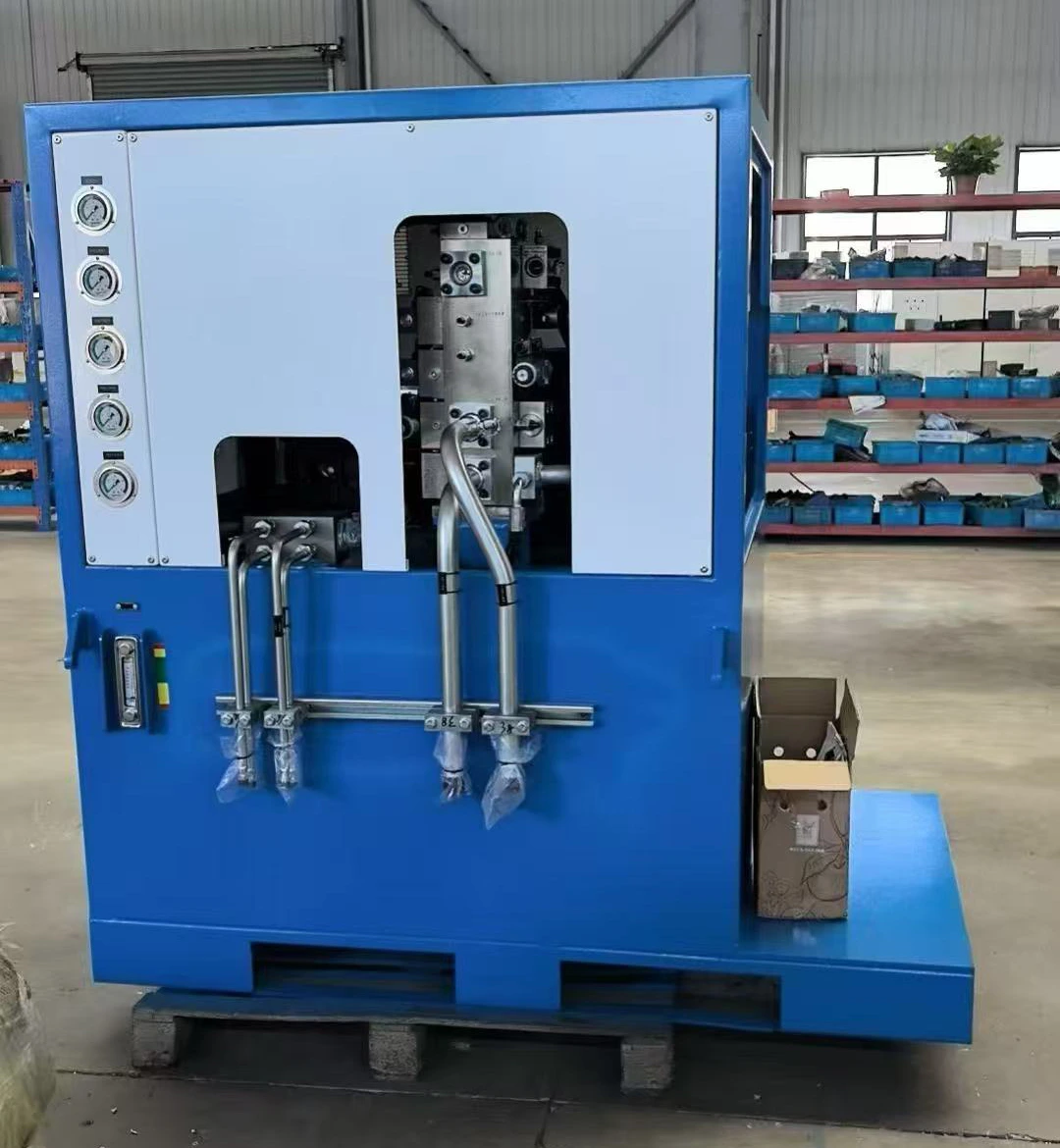
Depending on the machine design, hydraulic power units may use vertical top-mounted, horizontal top-mounted, or side-mounted configurations.
Each arrangement has different advantages in terms of installation space, accessibility, and connection layout.
Environmental conditions should also be considered before selecting the final configuration.
For example, mining machinery may experience dust, vibration, and temperature fluctuations. Industrial production equipment may operate in environments with high ambient temperatures or frequent exposure to oil mist and other contaminants.
When evaluating the installation arrangement, check:
-
Available mounting dimensions and structural limitations.
-
Hydraulic pipeline routing and connection positions.
-
Electrical supply and control interface requirements.
-
Enclosure protection and environmental adaptability.
-
Space for oil replacement, filter servicing, and routine inspection.
Addressing these details during the design stage can reduce unnecessary modifications during installation and commissioning.
7. Why Customized Hydraulic Solutions May Be Necessary
Standard hydraulic power units can satisfy many conventional industrial requirements. However, specialized machinery often needs a configuration designed around its actual working conditions.
For example, a customized system may incorporate pressure sensors, accumulators, integrated valve blocks, cooling equipment, heating devices, or dedicated electrical control components.
The purpose of customization is not simply to add more components. It is to ensure that the hydraulic system works efficiently within the machine's operating sequence and mechanical limitations.
Jiangsu Kinyuan Hydraulic Machinery Co., Ltd., established in 2009, specializes in hydraulic system research and development, engineering design, manufacturing, and technical services.
The company operates a research and development center in Suzhou and a standardized production facility in Nantong, supporting the development and manufacturing of hydraulic equipment for different industrial applications.
For machinery manufacturers looking for a customized industrial hydraulic system, Kinyuan's solutions can be evaluated according to pump selection, valve configuration, reservoir design, electrical control requirements, and auxiliary component integration.
When communicating with a manufacturer, providing a hydraulic schematic, equipment drawings, cylinder specifications, operating pressure, flow requirements, and working cycle can make the technical evaluation more accurate.
A detailed engineering discussion also makes it easier to identify potential compatibility issues before production begins.
8. Check Testing, Commissioning, and After-Sales Support
A hydraulic system's performance should be verified before it is put into regular operation.
Factory inspection and testing may include pressure verification, leakage inspection, pump operation checks, valve response testing, electrical function verification, and other procedures according to the system design.
During commissioning, technicians should confirm that the hydraulic circuit operates according to the approved drawings and technical specifications.
Particular attention should be given to:
-
Actual working pressure and flow rate.
-
Cylinder or motor movement speed.
-
Pressure stability during different operating stages.
-
Hydraulic oil temperature.
-
Unusual noise, vibration, or leakage.
-
Electrical control response and protective functions.
Regular maintenance is equally important after installation.
Operators should monitor oil condition, filter contamination, connection leakage, abnormal temperature changes, and unusual operating sounds. Maintenance records can help identify recurring issues and support preventive maintenance planning.
It is also advisable to confirm the supplier's technical support capabilities, spare parts availability, and maintenance recommendations before purchasing.
Conclusion
Selecting an appropriate electro hydraulic system requires a comprehensive understanding of the equipment's force, speed, pressure, flow, operating cycle, and installation conditions.
The pump, electric motor, hydraulic valves, reservoir, filtration equipment, and electrical control components must function together as a coordinated system. A mismatch between any of these elements may affect machine performance, energy consumption, and long-term reliability.
For equipment manufacturers and industrial buyers, the most effective approach is to define technical requirements before procurement, evaluate the proposed hydraulic configuration carefully, and work with a supplier that has practical engineering and manufacturing experience.
With its hydraulic system development and manufacturing capabilities, Jiangsu Kinyuan Hydraulic Machinery Co., Ltd. provides a potential partner for businesses seeking customized hydraulic solutions for industrial machinery.
Careful system selection and effective technical coordination can help create a more stable, efficient, and maintainable hydraulic power solution.
www.kinyuenhydraulic.com
Jiangsu kinyuan Hydraulic Machinery Co.,LTD.,
