
Pendant lights have become an important part of modern interior lighting. Beyond providing illumination, they help define spaces, highlight architectural features, and create a specific atmosphere. From kitchen islands and dining rooms to hotel reception areas and commercial interiors, a well-selected pendant light can make a noticeable difference to the overall design.
However, choosing the right fixture involves more than finding an attractive shape or finish. Room dimensions, ceiling height, lighting performance, material selection, and installation conditions all influence whether a pendant light is suitable for a particular space.
For homeowners, interior designers, architects, and lighting distributors, understanding these factors can make the selection process easier and help avoid unnecessary adjustments after installation.
1. Start With the Function of the Lighting
The first step is to identify what role the pendant light will play in the room. Different spaces have different lighting requirements, so the intended application should guide the selection.
For example, pendant lights above kitchen islands need to provide practical illumination for food preparation and other daily activities. In dining rooms, the fixture should create a comfortable atmosphere while providing sufficient light across the table. In hotel lobbies or entrance halls, decorative appearance and visual impact may be equally important.
Generally, pendant lighting serves three main purposes:
-
Task lighting: Provides focused illumination for specific activities, such as cooking, reading, or working.
-
Ambient lighting: Contributes to the overall brightness and atmosphere of a room.
-
Accent lighting: Highlights furniture, architectural details, or decorative areas.
Some pendant lights combine these functions. Nevertheless, a decorative fixture should not automatically be treated as the only light source in a large room. Its lumen output and light distribution should be evaluated alongside other lighting fixtures.
2. Select the Appropriate Size and Hanging Height
Proportion is another important consideration. A small pendant may look insignificant above a large dining table, while an oversized fixture can make a compact room feel crowded.
When selecting a pendant for a kitchen island or dining table, consider the dimensions of the furniture as well as the surrounding space. Longer surfaces may require multiple fixtures arranged at consistent intervals, while smaller tables may look better with a single statement pendant.
Ceiling height also affects the final appearance and functionality. A pendant installed too low can obstruct views and interfere with movement. If it is positioned too high, the light may lose its intended visual impact or provide insufficient illumination for the target area.
As a general reference, the bottom of a pendant above a dining table is often positioned around 30–36 inches above the tabletop. However, the ideal height depends on the fixture's dimensions, ceiling height, table size, and sightlines.
For commercial spaces with high ceilings, such as hotels and restaurants, adjustable suspension systems can provide greater installation flexibility. Buyers should confirm the available suspension length before placing an order.
3. Choose Materials That Complement the Interior
The materials used in a pendant light influence its appearance, light transmission, durability, and maintenance requirements.
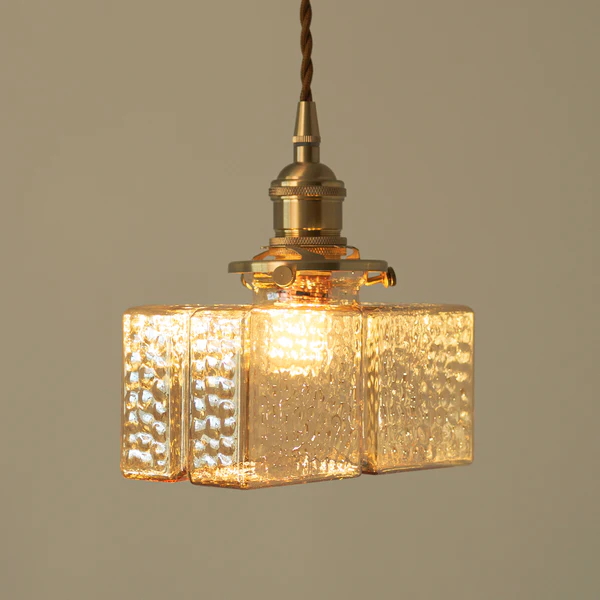
Glass is a popular choice because it offers flexibility in both traditional and contemporary interiors. Clear glass creates an open appearance and allows the bulb to remain visible, while amber or frosted glass can soften the visual effect and introduce warmth.
Metal components provide structural support and decorative contrast. Brass finishes often work well with vintage, Art Deco, and mid-century modern interiors. Black metal and brushed finishes are commonly selected for contemporary residential and commercial projects.
Fabric shades can create a softer atmosphere, although their suitability depends on the environment and cleaning requirements.
For buyers looking for decorative lighting with a combination of traditional details and modern styling, the Hubert Glass Art Deco Pendant Light from Wishing Lighting is one example worth considering. Its brass fittings and amber-tinted glass create a distinctive appearance that can complement vintage-inspired interiors, dining spaces, and hospitality environments.
When comparing similar products, it is important to check the actual glass color, metal finish, dimensions, and available technical specifications rather than relying on product photographs alone.
4. Pay Attention to Color Temperature and Brightness
The color temperature of a light source can significantly affect how an interior looks and feels. It is measured in Kelvin (K), with lower values producing warmer light and higher values generally producing a cooler appearance.
Common lighting choices include:
-
2700K–3000K: Suitable for bedrooms, dining rooms, living areas, and hospitality environments where a warm atmosphere is preferred.
-
3500K–4000K: Often used in kitchens, offices, and multifunctional spaces requiring a more neutral appearance.
-
Above 4000K: May be appropriate for specific commercial or task-oriented applications, depending on the lighting design.
Brightness should also be considered carefully. Wattage indicates energy consumption, while lumens measure the amount of visible light produced. Therefore, buyers should compare lumen output rather than relying on wattage alone.
Another useful specification is the Color Rendering Index (CRI). A higher CRI generally means that colors appear more accurately under the light source. CRI 80 or above is common for general applications, while CRI 90 or above may be preferred in retail, hospitality, and design-focused environments.
For projects using multiple fixtures, maintaining consistent color temperature can help create a more coordinated lighting effect.
5. Consider Glare Control and Dimming Options
A pendant light should provide comfortable illumination without creating excessive glare. This is particularly important in areas where people sit for extended periods, such as dining rooms, hotel lounges, and reception spaces.
The shade structure plays an important role. Exposed bulbs can produce direct glare, while frosted glass or enclosed shades may soften the light. However, different shade designs also affect how much light reaches the surrounding area.
Dimming functionality can provide additional flexibility, especially in restaurants, hotels, and residential interiors where lighting requirements change throughout the day.
Before choosing a dimmable fixture, buyers should verify compatibility between the lamp, LED driver, and dimmer. Incorrect combinations may result in flickering, limited dimming performance, or inconsistent operation.
For larger projects, reviewing photometric data or testing a sample installation can help confirm whether the selected fixture meets the intended lighting requirements.
6. Check Installation and Electrical Compatibility
Even a well-designed pendant light may not be suitable if its installation requirements do not match the project conditions.
Before purchasing, confirm the following details:
-
Supply voltage and electrical connection requirements.
-
Fixture weight and ceiling mounting method.
-
Suspension length and adjustment range.
-
Lamp holder and compatible light source.
-
Dimming compatibility, where applicable.
-
IP rating for locations exposed to moisture.
Heavy glass and metal fixtures may require additional ceiling support. Installation should follow the manufacturer's instructions and applicable local electrical regulations.
For commercial projects and international distribution, buyers should also request relevant safety certifications and technical documentation for the destination market. Requirements can vary between countries, so compliance should be confirmed before procurement.
7. Evaluate the Manufacturer Before Making a Purchase
For lighting distributors, project contractors, and private-label brands, supplier selection is just as important as product design.
A reliable manufacturer should be able to provide clear product specifications, consistent manufacturing quality, and appropriate technical support.
Several aspects deserve attention:
Material quality: Check the quality of glass shades, metal fittings, suspension components, and electrical accessories.
Manufacturing capability: Understand whether the manufacturer has the equipment and production processes needed to maintain consistent product quality.
Customization options: Depending on production capabilities, buyers may require different finishes, glass colors, fixture dimensions, or suspension lengths.
Quality inspection: Ask about material inspection, assembly checks, electrical testing, and final product inspection.
Packaging and transportation: Glass pendant lights require suitable protective packaging to reduce the risk of damage during international transportation.
Wishing Lighting focuses on indoor and outdoor lighting development, manufacturing, and sales. Its manufacturing capabilities include metalworking processes such as welding, die casting, and soldering. These capabilities can support coordinated production and help buyers discuss product design and manufacturing requirements with greater clarity.
For businesses developing their own lighting collections, early communication about materials, finishes, technical specifications, and production feasibility can help reduce misunderstandings during the ordering process.
Conclusion
Selecting the right pendant light requires a combination of design judgment and practical evaluation. Buyers should consider the purpose of the fixture, room proportions, ceiling height, material selection, color temperature, brightness, and installation requirements before making a final decision.
For residential interiors, the right pendant can create a comfortable focal point. In hotels, restaurants, and commercial projects, it can also contribute to a consistent design identity across different spaces.
Working with an experienced lighting manufacturer and reviewing product specifications before purchasing can help ensure that the selected fixture meets both aesthetic and functional expectations. A thoughtful selection process ultimately leads to lighting solutions that look appropriate, perform reliably, and remain suitable for long-term use.
www.wishinglighting.com
Dongguan City Wishing Lighting Co.,Ltd
